From district to village level, Congress aims to rebuild its base and expand presence ahead of upcoming polls.
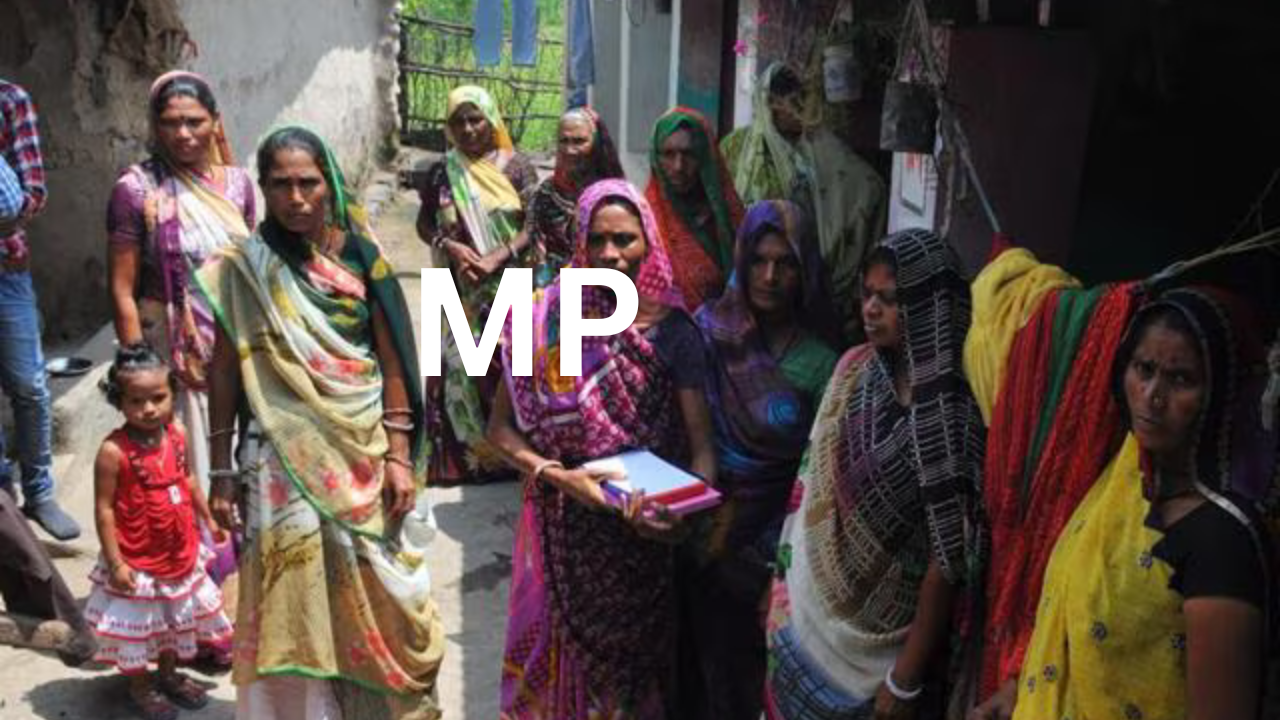
The new year has begun with a big political move in Madhya Pradesh. On the very first day of 2026, the Congress party has taken a decisive step to expand its organizational reach at the ground level. Under the leadership of Madhya Pradesh Congress Committee (MPCC) President Jitu Patwari, the party has officially launched the formation of Gram Panchayat Congress Committees across the state. With this, Congress has shifted its focus from district and block-level structures to the village level — aiming to reconnect directly with the people of every panchayat.
The campaign began today at 1:00 PM from Kodia Devka village near Bhopal, marking the symbolic starting point of a state-wide organizational push. Patwari himself led the inaugural ceremony, emphasizing that Congress is fully committed to rebuilding a strong grassroots network that resonates with the voices, challenges, and aspirations of rural Madhya Pradesh.
A New Year, A New Political Strategy
According to sources within the party, this move is not a routine organizational exercise but part of a well-thought-out political strategy for the upcoming elections. By strengthening its presence in each village and ward, Congress intends to ensure that its policies and programs are communicated effectively to the people who form the backbone of Madhya Pradesh — the farmers, youth, and rural workers.
The party’s new structure aims to make the organization more responsive and people-centered. Each Panchayat Congress Committee will act as a bridge between the local population and higher levels of the party, raising grassroots issues and helping design local-level responses. This decentralized approach is expected to energize local workers who often feel disconnected from state-level politics.
Jitu Patwari, while addressing local workers at today’s event, stated that “Congress belongs to every village and every ward. Our goal is not only to contest elections but to connect hearts — to listen and to serve.” He reiterated that politics must move beyond rallies and speeches into everyday engagement with the people.
Strengthening the Congress at the Ground Level
For several months now, Congress in Madhya Pradesh has been working silently to revamp its organizational machinery. After the results of the 2023 assembly elections, where the party failed to return to power, introspection began at multiple levels. With this new initiative, the leadership appears determined to learn from past mistakes and prepare early for future contests.
By launching committees at the panchayat level, the Congress is not only trying to widen its base but also to create a continuous channel of feedback from the rural population. These committees will include local representatives, youth, women, and farmers — giving each section a platform to voice their concerns directly within the party framework.
The initiative also aligns with the Congress leadership’s national directive to rebuild the organization “from the booth to the block.” Madhya Pradesh’s model could set a precedent for other states where the party is aiming for revival.
Direct Dialogue with Farmers: The Next Step
Following the launch event at Kodia Devka, Jitu Patwari is scheduled to hold a direct interaction with farmers at Tila Khedi village in Huzur tehsil, Bhopal, at 2:00 PM today. This meeting will focus on issues related to agriculture, irrigation, input costs, and government policies that impact farm incomes.
Congress insiders suggest that this is not just a formal meeting but a crucial part of the party’s larger outreach plan. Patwari’s aim is to listen directly to farmers without political filters and use their feedback to shape the party’s future agenda. The discussions are expected to touch upon the ongoing challenges faced by cultivators, including rising input costs, lack of fair crop prices, and the growing demand for effective crop insurance and procurement systems.
The Congress plans to use these interactions as a model for similar dialogues across districts and villages. The idea is simple: strengthen political presence by participating actively in the daily struggles and solutions of the people.
Political Implications of the Move
Political observers see this as a clear signal that Congress is attempting to re-establish itself as a mass-based party once again. Over the past few years, the BJP has dominated rural Madhya Pradesh through strong booth-level networks and extensive outreach. The Congress now seeks to mirror — and possibly surpass — that model by embedding its organization within every panchayat.
The timing of this expansion is also notable. With panchayat elections and possible Lok Sabha campaigning on the horizon, the formation of these committees may play a vital role in mobilizing voters, identifying local leaders, and rebuilding trust in the Congress brand.
Jitu Patwari, known for his dynamic leadership and youthful appeal, has repeatedly emphasized that change will only come through action at the grassroots. His approach reflects a generational shift within the party, focusing less on high-command politics and more on direct local engagement.
Message from Madhya Pradesh to the Nation
As the Congress party kicks off its Panchayat Congress Committee formation drive, it sends a wider message to its supporters across India — that revival begins from the bottom up. For years, political analysts have argued that Congress needs to rebuild its cadre structure to regain lost ground. Madhya Pradesh may now serve as the testing ground for this new model of political reorganization.
The launch on New Year’s Day adds symbolic weight to the moment — a fresh start not only for the calendar year but for Congress’s political journey in the state. If executed effectively, the Panchayat-level network could become the backbone of a rejuvenated party that truly represents the pulse of rural India.
With this initiative, the Congress party has set the tone for 2026 — one that emphasizes inclusivity, connection, and grassroots empowerment. Over the next few months, all eyes will be on how efficiently the committees are formed and how effectively they are activated to fulfill the party’s vision of “village to voice” politics in Madhya Pradesh.