Maharashtra aims for massive job creation as MoUs signed in key industries at World Economic Forum 2026.
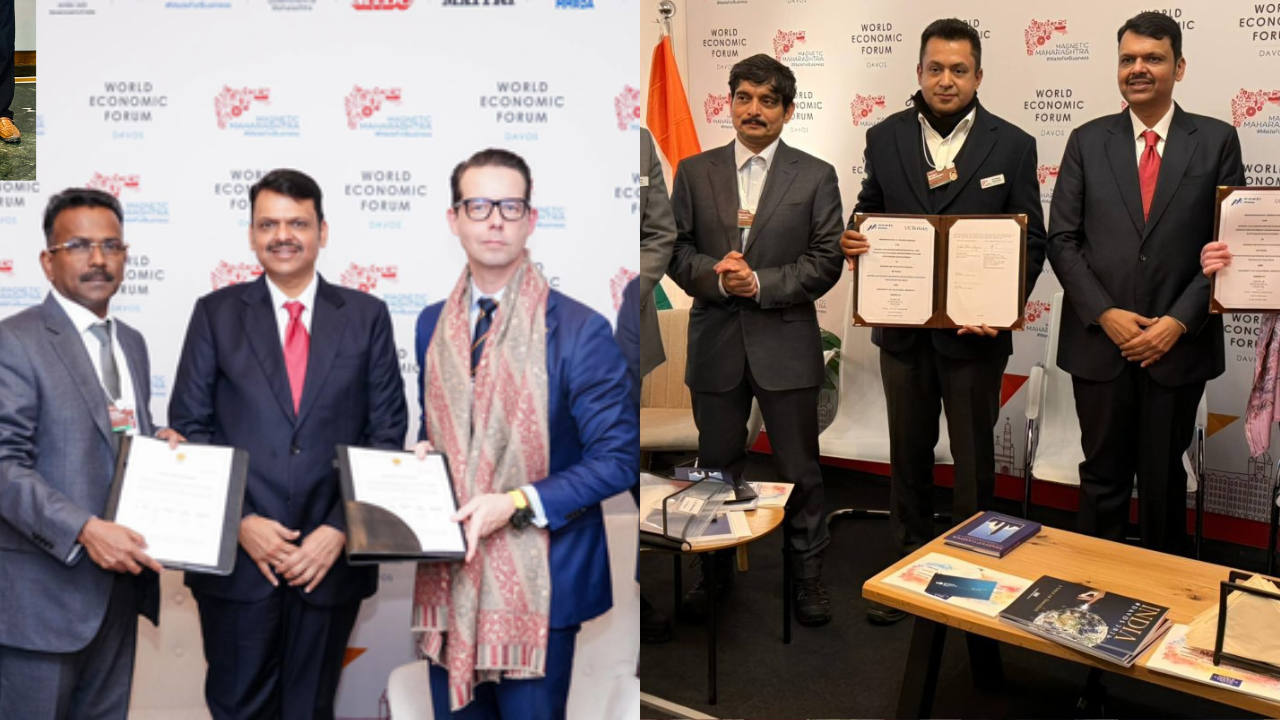
In a major boost to India’s economic diplomacy and investment climate, the Government of Maharashtra announced the signing of Memorandums of Understanding (MoUs) worth $173 billion (approximately ₹14.5 lakh crore) on the very first day of the World Economic Forum (WEF) 2026 being held in Davos, Switzerland. This historic development positions Maharashtra as one of the top global destinations for foreign investment and industrial partnerships.
According to official sources, the investment commitments will focus primarily on sectors such as logistics, steel manufacturing, energy, electronics, and urban infrastructure, while simultaneously promoting sustainability and inclusive growth. The state government projects that these investments could generate over 15 lakh new employment opportunities for skilled and semi-skilled workers across various districts of Maharashtra.
A Bold Step Toward Global Industrial Leadership
Chief Minister Eknath Shinde, leading a high-powered delegation to Davos, described the investment agreements as a “transformative step toward building a globally competitive Maharashtra.” He highlighted the confidence global investors have shown in the state’s industrial policies, infrastructure readiness, and proactive governance.
“Maharashtra is the growth engine of India. The massive response from global companies at WEF 2026 reflects our strong position as an industrial, financial, and innovation hub,” Shinde said during a media briefing in Davos. “These MoUs reaffirm our vision to create jobs, strengthen infrastructure, and accelerate our journey toward a trillion-dollar state economy.”
Deputy Chief Ministers Devendra Fadnavis and Ajit Pawar also participated in key meetings with CEOs and global investment groups, facilitating high-level discussions on digital innovation, manufacturing clusters, green energy, and inclusive development.
Strategic Sectors Driving Investment Momentum
The government revealed that the majority of MoUs are concentrated in high-impact sectors that align with both state and national priorities, including the Make in India, Digital India, and Green Energy Mission initiatives.
- Logistics and Warehousing: Major global players plan to invest in logistics parks, integrated transport corridors, and multi-modal connectivity hubs. The goal is to strengthen Maharashtra’s position as the logistics capital of India, connecting industrial zones with ports and new freight corridors.
- Steel and Heavy Industries: Several steel manufacturing giants from Europe, Japan, and South Korea have expressed interest in establishing or expanding production facilities in Nagpur, Raigad, and Chandrapur regions. These projects will not only enhance the domestic steel supply chain but also boost export capacity.
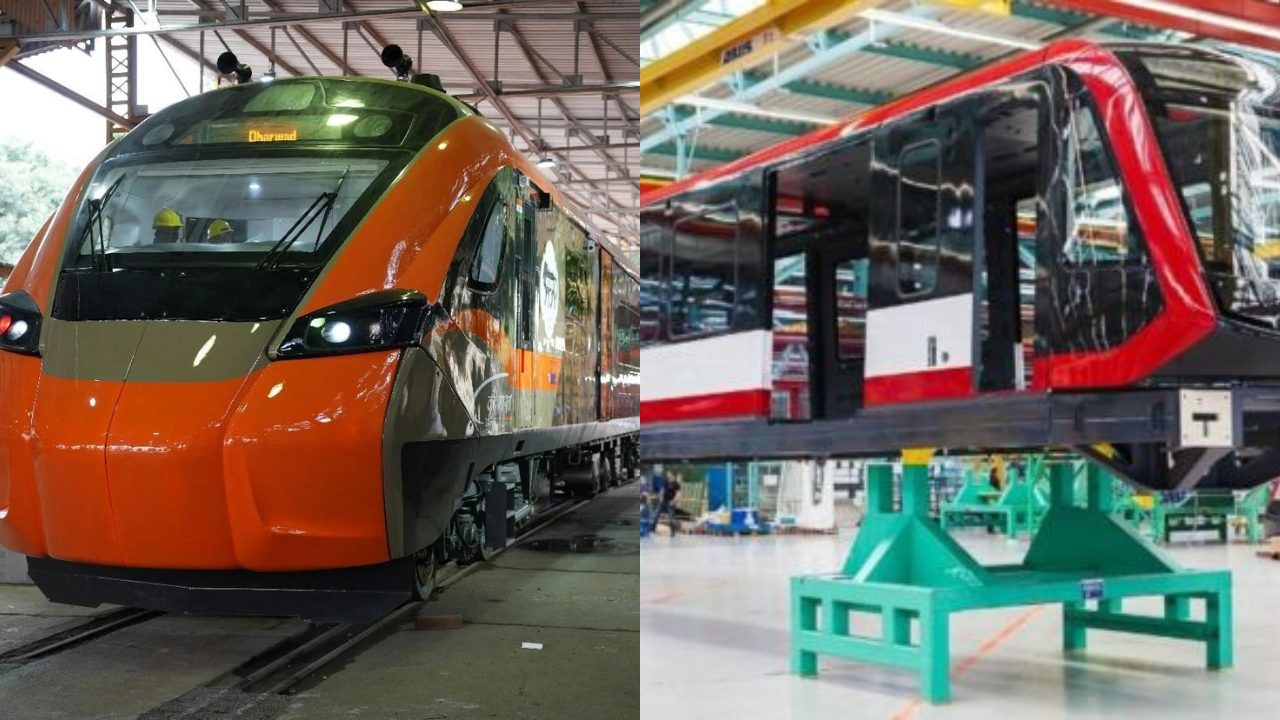
- Urban Infrastructure: Smart city components, affordable housing, and advanced metro networks form another key focus area. Urban development partnerships are expected to unlock large-scale employment and improve the quality of life in urban centers.
- Renewable Energy and Green Technology: Many agreements emphasize renewable energy generation—from solar to wind and biomass—reinforcing Maharashtra’s goal of becoming a carbon-neutral economy by 2047.
- Electronics and Semiconductor Manufacturing: With India pushing for self-reliance in semiconductor technology, global technology companies have shown interest in setting up research and manufacturing facilities in Pune and Aurangabad electronics clusters.
Unprecedented Confidence in Maharashtra’s Policy Framework
Officials accompanying the chief minister noted that global investors were particularly drawn to Maharashtra’s investor-friendly ecosystem, including policy reforms, ease of doing business, and world-class infrastructure. Over the past few years, the state has successfully implemented a streamlined single-window clearance system, industrial corridor expansion, and proactive grievance redressal mechanisms for investors.
Deputy CM Devendra Fadnavis, who has been instrumental in promoting digital infrastructure and smart city initiatives, emphasized the importance of this success:
“The MoUs signed at Davos are not just numbers; they represent trust, opportunity, and the confidence the world places in Maharashtra. Our goal is to convert these MoUs into tangible projects that deliver long-term economic value.”
The delegation also met representatives from global financial institutions and development agencies, exploring partnerships in sustainable urban transport, livelihood development, and climate finance.
Employment and Skill Development to be Key Outcomes
Among the highlights of the investment drive is the creation of 15 lakh employment opportunities across multiple sectors. The state government plans to integrate these investments into its Skill Maharashtra Mission, ensuring that the upcoming workforce is equipped with globally competitive skills. Partnerships with technical universities and private institutions are being considered to train youth for positions in logistics management, manufacturing, design, and renewable technology.
The government is also focusing on developing tier-II and tier-III cities such as Nashik, Nagpur, Aurangabad, and Kolhapur as new growth hubs. These cities will play a key role in decentralizing industry and reducing migration pressure on Mumbai and Pune.
Global Recognition for India’s Economic Vision
India’s growing global prominence was evident at WEF 2026, where several international leaders appreciated the country’s economic stability, policy reforms, and innovation-driven growth model. Within that context, Maharashtra emerged as one of the most progressive states, offering a transparent investment environment, strong infrastructure support, and a clear industrial strategy.
Shinde’s delegation emphasized Maharashtra’s commitment to supporting India’s national goals of “Viksit Bharat 2047”, by ensuring inclusive and sustainable industrial growth. The large-scale MoUs signed in Davos are expected to not only benefit Maharashtra but also contribute significantly to India’s GDP and export capabilities.
The Road Ahead: From MoUs to Implementation
While the record-breaking MoUs mark a promising milestone, the Maharashtra government has assured that each agreement will undergo a structured implementation review. A dedicated task force is being set up to track project progress, address investor issues, and ensure project completion within committed timelines.
Officials have also indicated that a high-level Investment Tracking Cell will monitor the execution of MoUs through quarterly updates, ensuring transparency and accountability.
“Maharashtra will not stop at signing MoUs,” Shinde stated. “Every signed agreement will be implemented on the ground to create jobs, strengthen industries, and transform lives. Our mission is to make Maharashtra the most preferred global destination for business.”
A Historic Moment for Maharashtra
The historic investment commitments made at the World Economic Forum 2026 mark a turning point in Maharashtra’s economic journey. With its robust policy direction, dynamic leadership, and focus on sustainability, the state appears well-positioned to attract record investments, generate large-scale employment, and lead India’s next wave of industrial transformation.
As the global community looks toward India as a beacon of growth and opportunity, Maharashtra’s performance at WEF 2026 reaffirms its position as the country’s economic powerhouse — powered by innovation, infrastructure, and inclusive development.