
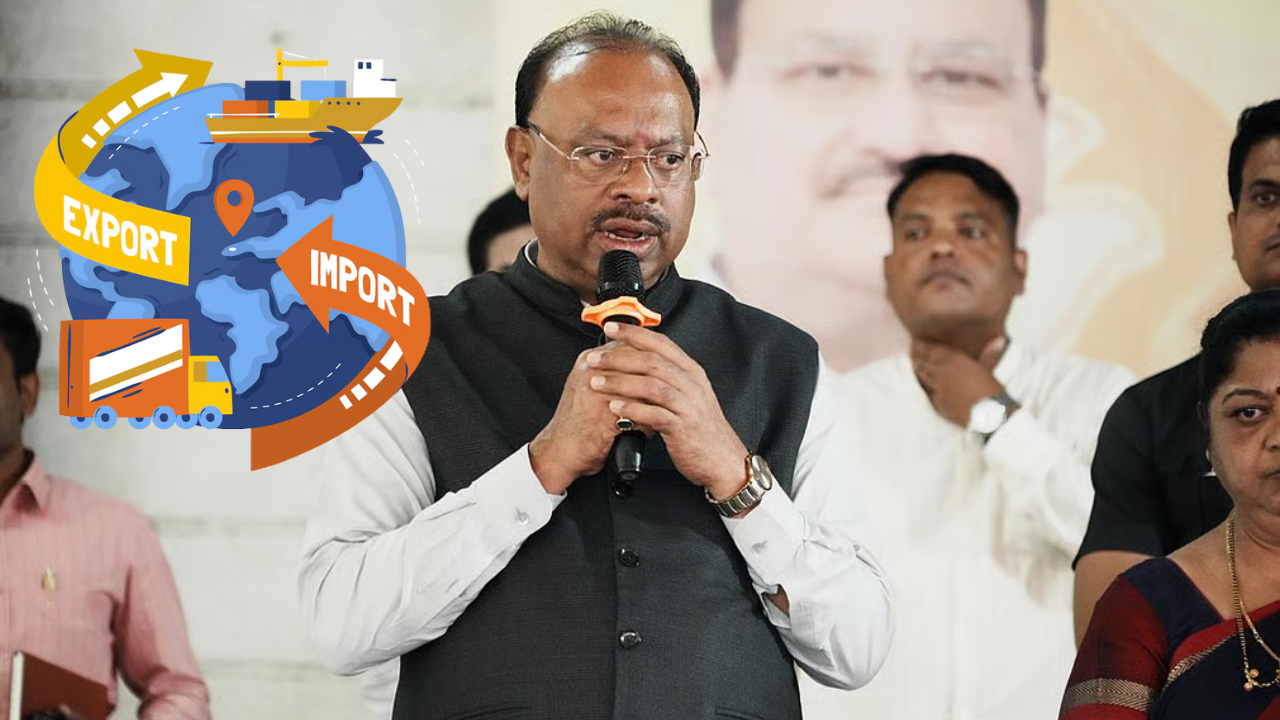
In a move aimed at speeding up trade-related processes and improving transparency, the Government of Maharashtra has officially launched the e-Bond system for import and export operations. The new digital initiative will replace the traditional stamp paper-based bond system, marking a major step towards paperless governance and ease of doing business in the state.
This initiative is expected to transform trade documentation and compliance procedures across ports, customs offices, and logistics hubs in Maharashtra, which has long been one of India’s leading centers for international trade. By adopting a fully digital process, businesses can now execute bond-related transactions in minutes instead of waiting for several days under the older manual system.
A Step Towards Digital Governance
The launch of the e-Bond system aligns with the central government’s broader vision of “Digital India” and “Ease of Doing Business.” Maharashtra, being one of the top states in terms of industrial output and trade volume, plays a crucial role in India’s export network—especially through the ports of Mumbai, Navi Mumbai, and Jawaharlal Nehru Port (JNPT).
Under the new e-Bond mechanism, traders and exporters can digitally prepare, sign, and submit bonds through an online portal integrated with customs and related departments. The system eliminates the need for physical stamp papers, which often caused delays, additional costs, and administrative errors in the process.
According to state officials, this reform will not only reduce paperwork but also improve security and traceability in customs-related transactions. The introduction of electronic documentation will help plug loopholes that previously existed in manual handling, bringing greater accuracy and reliability to trade bond processing.
Faster, Transparent, and Convenient
Traditionally, the process of submitting bonds for import or export transactions required traders to purchase stamp papers, get them physically signed, and submit them to authorities for approval. This could take several days and often involved coordination between multiple offices.
With the e-Bond system, the entire workflow is digitized. Traders can create bonds online through an authorized platform, validate them digitally, and receive approval electronically. This streamlined process not only saves time but also makes transactions traceable and easier to monitor for compliance.
Officials from the Department of Industries and the State Excise and Registration Department stated that the system will benefit thousands of importers and exporters operating in Maharashtra’s logistics and industrial sectors. It will also reduce the dependency on middlemen or documentation agents, making the system more transparent and trader-friendly.
Benefits for Businesses and the Economy
The implementation of the e-Bond system offers multiple advantages for the business community. Apart from reducing operational delays, it also cuts down costs related to stamp paper purchases, couriering of documents, and manual verification.
Furthermore, the new platform integrates securely with digital payment systems, enabling instant payment of applicable charges online. This ensures faster clearance of goods at ports and smoother coordination with customs authorities.
Industry experts believe that this will strengthen Maharashtra’s standing as a global trade hub and encourage more investments in the logistics and export sectors. The digital approach will also increase accountability and reduce the scope for human error, making trade operations more efficient and transparent.
Boost to Ease of Doing Business
The e-Bond system is part of Maharashtra’s continuous efforts to modernize trade facilitation processes. In recent years, the state has launched several digital initiatives focusing on self-certification, online license renewals, and paperless inspections for industries.
By enabling the digital execution of trade bonds, Maharashtra has joined a growing list of states promoting paperless, contactless documentation systems. The measure also aligns with India’s goal of rising in global ease-of-doing-business rankings, where faster customs clearance and efficient trade documentation are key indicators.
Government authorities have assured that existing traders will be provided with the required support and training to use the new system effectively. Dedicated help centers and online tutorials have been planned to guide users during the transition phase from traditional bonds to e-bonds.
Pilot Phase and Expected Expansion
Initially launched in select customs offices and trade zones, the e-Bond system is expected to gradually cover all major ports, free trade zones, and special economic zones (SEZs) in Maharashtra. Feedback from traders and customs agents during the pilot phase will be used to fine-tune the digital platform.
The government has also indicated that the system could later expand beyond import-export services to include other departments that rely on bond submissions, such as industrial licenses, excise operations, and infrastructure projects.
Officials highlighted that the introduction of the system was driven by feedback from the business community and trade associations, who had long requested a simpler, faster, and more secure process for bond registration and verification.
A Model for Other States
Maharashtra’s e-Bond initiative may serve as a national model for replicating similar systems in other states. The success of this digital transformation could pave the way for a unified online bond platform across India, creating a seamless national trade environment.
The initiative is expected to benefit both government departments and businesses by reducing manual effort, improving compliance monitoring, and ensuring that all trade-related records are digitally available for audit and verification.
With this launch, Maharashtra has reaffirmed its commitment to fostering a business-friendly and technology-driven environment. The e-Bond system is not just an administrative reform—it is a significant step toward a paperless, transparent, and efficient future for trade and commerce in the state.