Maharashtra, one of India’s most industrially advanced states, is taking significant steps toward becoming a leader in green and affordable energy. The state government has rolled out new initiatives aimed at reducing industrial electricity costs through large-scale investment in renewable energy infrastructure. This move is expected to help industries lower their production expenses and make Maharashtra more attractive to investors and manufacturers.
The government’s focus on green energy comes at a time when global markets are transitioning to sustainable production and cleaner technologies. By prioritizing renewable energy, Maharashtra aims not only to support economic growth but also to reduce its carbon footprint and strengthen energy security for the future.
A Step Toward Sustainable Industrial Growth
In recent years, industries across Maharashtra have faced challenges due to fluctuating electricity costs and rising energy demands. The need for a stable, affordable, and environment-friendly power supply has become essential for maintaining competitiveness. Recognizing this challenge, the state government has started investing heavily in solar, wind, and hybrid energy projects.
Officials from the state’s Energy Department confirmed that the long-term plan is to generate a major portion of Maharashtra’s industrial electricity through renewable sources. This shift is expected to benefit several industrial clusters in regions such as Pune, Nagpur, Nashik, and Aurangabad, which are hubs for manufacturing, technology, and automotive production.
Industry experts believe that cheaper power availability will reduce operational costs, giving a strong push to existing players and encouraging new industries to set up operations in Maharashtra.
Expanding Solar and Wind Projects
The Maharashtra Energy Development Agency (MEDA) and the Maharashtra State Electricity Distribution Company Limited (MSEDCL) are working together on multiple renewable projects. Solar parks are being set up in districts with high sunlight potential such as Jalgaon, Solapur, and Beed. The state is also expanding its wind energy capacity in coastal and upland regions, including Satara and Ratnagiri.
To support this transition, the government is offering incentives to private investors interested in participating in renewable energy projects. Policies are being simplified to attract both domestic and global players, ensuring faster approvals and smoother implementation.
The push for decentralized renewable energy generation, such as rooftop solar projects and small hydro units, is also gaining traction. This decentralized model is expected to reduce dependence on large fossil-fuel-based power stations and help industries become partially self-reliant in energy consumption.
Cutting Electricity Costs for Industries
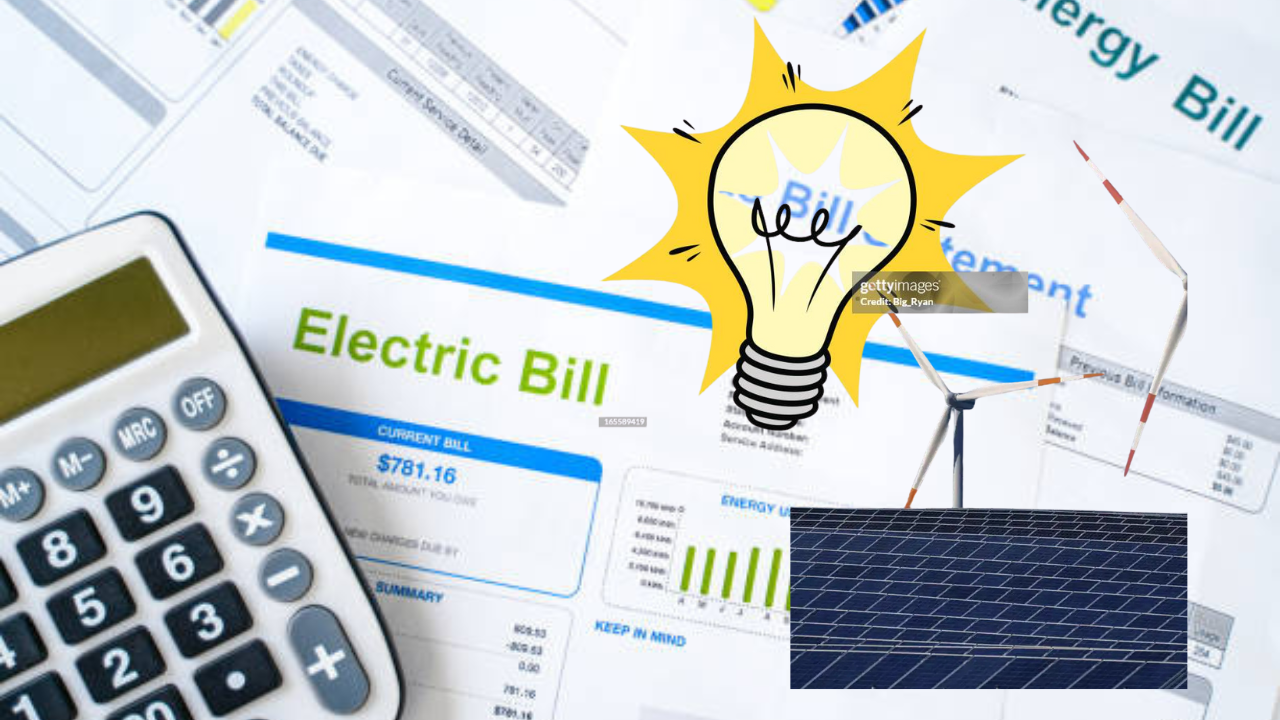
One of the main goals of the new initiative is to lower electricity tariffs for industries. High power costs have been a major concern for manufacturers in recent years, often making operations less competitive compared to neighboring states. By tapping into low-cost renewable energy, Maharashtra can bring down its average industrial power rate and ensure long-term price stability.
The government is also considering flexible power purchase agreements that would allow industries to buy electricity directly from renewable producers through open-access systems. This will give industrial consumers more options and encourage greater efficiency.
A senior official from the Industry Department mentioned that lower energy costs can significantly boost small and medium enterprises (SMEs), which form the backbone of Maharashtra’s economy. Affordable power will reduce overhead costs, allowing these enterprises to invest more in production, innovation, and job creation.
Contribution to India’s Renewable Energy Goals
Maharashtra’s move aligns with India’s broader goal of achieving 500 gigawatts of renewable energy capacity by 2030. The state currently contributes a large share to the national manufacturing output, and the transition to clean energy will enhance its ability to meet both economic and environmental commitments.
Experts believe that if executed effectively, Maharashtra’s strategy could serve as a model for other industrial states. The combination of industrial modernization and environmental consciousness represents a balanced approach to long-term development.
Supporting Green Investments and Employment
Apart from lowering energy bills, the ongoing renewable energy projects are expected to create thousands of new jobs in manufacturing, maintenance, construction, and research sectors. The shift toward green technology will open new opportunities for local entrepreneurs and startups specializing in solar components, battery storage, and power distribution systems.
The government is also engaging with educational and technical institutions to design specialized skill development programs related to renewable energy. These programs aim to prepare the state’s workforce for emerging employment opportunities in the green energy sector.
Public and Private Sector Collaboration
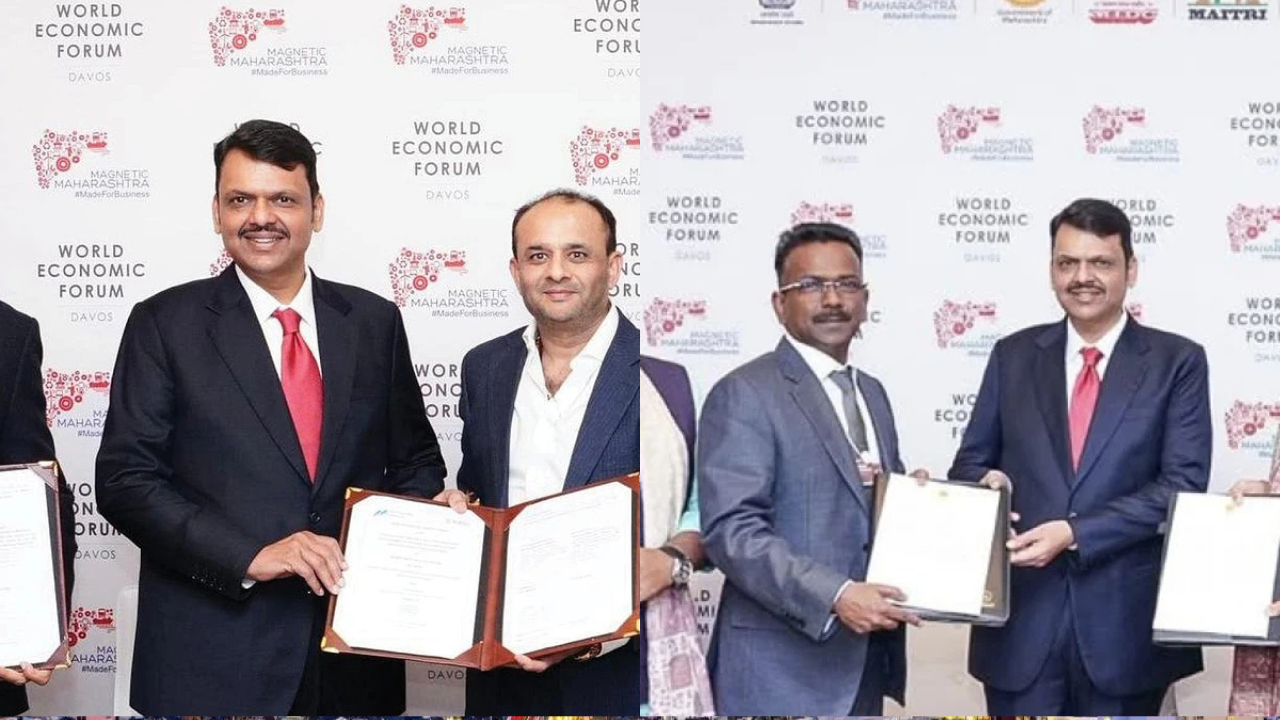
The success of this ambitious plan depends heavily on public-private partnerships. The state government intends to work closely with private investors, industry associations, and global technology leaders to establish sustainable infrastructure and improve energy efficiency across industrial estates.
Discussions are already underway with major corporations for setting up large renewable plants under the Public-Private Partnership (PPP) model. This will ensure faster execution and reduce the financial burden on the state exchequer.
A Greener and More Competitive Future
Maharashtra’s green energy mission sends a strong signal about its commitment to sustainable growth. By reducing industrial electricity costs, the state is not only ensuring the economic prosperity of its industries but also contributing to India’s global image as a responsible, future-oriented economy.
As the renewable energy infrastructure grows, the benefits will reach both urban industrial centers and rural regions, promoting balanced development. The initiative promises a cleaner environment, more competitive industries, and a stronger economy – all built on sustainable foundations.
With its latest green energy drive, Maharashtra is setting itself on a clear path toward becoming the country’s most energy-efficient and eco-friendly industrial powerhouse.