
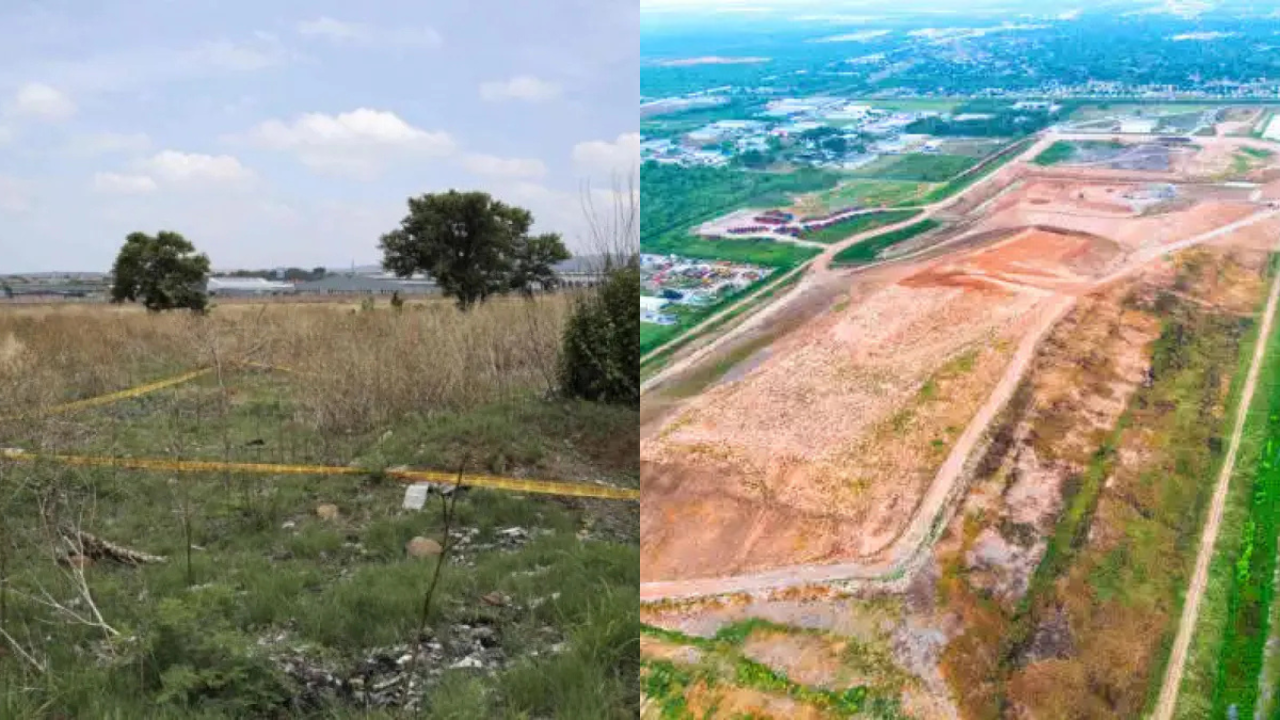

In a landmark move to boost urban infrastructure, generate economic opportunities, and unlock the potential of underutilized land, the Maharashtra government has invited real estate developers to participate in commercial and residential projects across 13,000 acres owned by the Maharashtra State Road Transport Corporation (MSRTC). This initiative is set to be one of the largest land development drives in the state, offering significant opportunities for investors, builders, and citizens alike.
A New Era of Land Utilization
For decades, MSRTC has operated the state’s bus transport system, owning expansive parcels of land across districts for depots, workshops, and allied facilities. Many of these properties remain underutilized or strategically located in rapidly urbanizing areas, making them highly attractive for redevelopment. With the state’s push, these lands will now serve dual purposes—continuing to assist transportation infrastructure while also fostering new housing, offices, shopping complexes, and community projects.
The decision aligns with Maharashtra’s broader vision of urban renewal and sustainable growth. By transforming bus corporation lands into multi-use projects, the government not only creates avenues for private sector participation but also ensures that citizens benefit from modern housing, job creation, and enhanced public amenities.
Boosting Real Estate and Infrastructure Growth
Experts believe this step could provide a fresh lifeline to Maharashtra’s booming real estate sector. With land availability being a critical challenge in cities like Mumbai, Pune, Nagpur, and Nashik, the release of 13,000 acres for development could ease market pressures, offer larger projects, and attract long-term investment.
Developers now have the opportunity to design integrated townships, malls, residential complexes, technology parks, and urban hubs right in the heart of key city centers and semi-urban zones. Such developments are expected to boost housing supply, create commercial density, and attract both domestic and international real estate players.
Government’s Push for Public-Private Partnerships
The invitation extended by the state emphasizes a Public-Private Partnership (PPP) model that balances commercial viability with the larger public interest. Through this model, MSRTC will be able to generate a steady stream of revenue by leasing or co-developing land parcels, which can then be reinvested in state transport facilities, modernization of bus fleets, and passenger amenities.
According to officials, this approach ensures that the core function of MSRTC—providing affordable public transport—will not be compromised. Instead, revenue from commercial ventures will help subsidize passenger services and maintain efficiency in operations.
Economic and Employment Prospects
The initiative opens vast opportunities for job creation and skill development in Maharashtra. Real estate construction, allied infrastructure services, and commercial establishments emerging from these projects will generate thousands of direct and indirect employment opportunities. Moreover, the move is likely to stimulate allied industries such as cement, steel, IT services, retail, and hospitality.
The government expects this land unlocking strategy to contribute significantly to the state’s GDP by encouraging new investments and higher tax contributions. Urban planners also suggest that mixed-use projects built on these lands will foster self-sustaining communities, cutting down traffic congestion and improving the overall quality of life.
Addressing Housing Needs
The state’s rising population and urbanization rates have made affordable housing one of Maharashtra’s most pressing challenges. By opening up large land parcels for residential development, the government aims to address this shortfall. Developers are expected to integrate inclusive housing models, combining premium residences with mid-income and affordable categories, ensuring a wider reach for different income groups.
Officials also highlighted that sustainable construction would be a key priority. Green-certified projects, eco-friendly building materials, rainwater harvesting, and smart energy utilities are likely to be mandated in these future developments, aligning with Maharashtra’s sustainability goals.
District-Wide Impact
The 13,000 acres earmarked are spread across multiple districts. Areas around Mumbai Metropolitan Region (MMR), Pune, Aurangabad, Nagpur, Nashik, and other growing semi-urban centers promise immense development potential. Each district will likely see a tailored approach to land usage, depending on local demand patterns. While metropolitan areas may prioritize high-density residential and commercial complexes, tier-II and tier-III cities might witness industrial hubs, IT parks, and affordable housing clusters.
By ensuring balanced growth, the initiative will not only boost major cities but also extend opportunities to smaller regions, bridging the gap between urban and rural economies.
Industry Reactions
The announcement has already created a buzz in the real estate community. Developers from across India have expressed enthusiasm, noting that large-scale land availability in prime and emerging locations is extremely rare. While competition among developers is expected to be high, the government is likely to frame transparent bidding and selection policies to maintain fairness.
Industry experts also predict that global investment funds and foreign developers could explore joint ventures in Maharashtra, leveraging the sheer scale of this project. Analysts suggest that the timing is opportune as urban housing demand in Maharashtra continues to rise steadily post-pandemic.
A Catalyst for Modern Maharashtra
The state government’s call to real estate developers marks another strong step in Maharashtra’s efforts to remain India’s economic powerhouse. With infrastructure projects like Mumbai Trans-Harbour Link, upcoming metro networks, and Pune Ring Road shaping the future, this land development drive will act as a complementary force that adds vibrancy to the state’s overall growth journey.
By unlocking the unused potential of MSRTC’s land, the government has shown a pragmatic approach—one which maximizes resources while serving the public good. The coming years will determine how effectively this initiative transforms the urban and suburban landscapes of Maharashtra, but optimism is high, and stakeholders are keenly watching the developments unfold.