BMC and 28 other municipal corporations go to polls as alliances test strength under the multi-member panel system.
The stage is set for one of Maharashtra’s biggest democratic exercises — the Municipal Corporation Elections 2026, scheduled to take place across 29 major cities on January 15, with results to be declared on January 16. The elections will be watched closely across the state as they serve as a major test for both the Mahayuti alliance led by the BJP, Shiv Sena (Shinde faction), and NCP (Ajit Pawar faction), as well as the Maha Vikas Aghadi (MVA) alliance comprising the Shiv Sena (UBT), Congress, and NCP (Sharad Pawar faction).
Nearly 3.5 crore voters across Maharashtra are set to decide the fate of 2,869 seats under the multi-member panel system — a structure that allows voters to elect more than one representative from a single ward. This system will once again play a crucial role in shaping the outcome, influencing how alliances distribute seats and strategies.
Crucial Election for Mumbai and Key Urban Bodies
Among all cities, Mumbai, governed by the Brihanmumbai Municipal Corporation (BMC), holds the highest political significance. It is not only the financial capital of the state but also a prestige battleground for all major political forces.
The BMC elections are being viewed as a referendum on the Eknath Shinde-led state government’s handling of Mumbai affairs since the 2022 political realignment.
Other major municipal corporations — Pune, Nagpur, Thane, Nashik, Pimpri-Chinchwad, Aurangabad, and Navi Mumbai — will also witness high-stakes contests, as both major alliances look to strengthen their grassroots presence ahead of the 2026 Maharashtra Assembly elections.
Mahayuti’s Strategy and Challenges
For the Mahayuti alliance, these elections will be a test of unity and coordination. The alliance partners — BJP, Shiv Sena (Shinde), and NCP (Ajit Pawar) — are expected to share seats strategically to avoid division of votes. The BJP is likely to focus on cities like Nagpur and Pune, where it holds organizational strength, while the Shinde-led Shiv Sena will concentrate on the Mumbai-Thane belt, which remains its traditional stronghold.
However, challenges lie in seat-sharing negotiations and grassroots coordination, as multiple factions within the Sena and NCP camps still nurture local rivalries. The Bhartiya Janata Party aims to retain its dominance as the most organized force with a strong social media and booth-level network.
MVA’s Counter Campaign and Public Sentiment
On the other side, the Maha Vikas Aghadi (MVA) — led by Uddhav Thackeray, Sharad Pawar, and Nana Patole — will attempt to regain the civic dominance it once held before the 2022 political split. The MVA campaign is centered around themes of “saving democracy and accountability in governance.”
The Shiv Sena (UBT) is expected to focus on emotional appeals in Mumbai, highlighting its developmental legacy and criticizing the alleged misuse of administrative power by the ruling alliance. Congress, meanwhile, will look to reclaim urban voter trust in cities like Nagpur, Nashik, and Solapur, while Sharad Pawar’s NCP faction seeks to revive its urban base in Pune and Pimpri-Chinchwad.
Multi-Member Panel System in Focus
A key aspect of these elections is the multi-member panel system, which divides wards into panels of two to four seats. This system often favors alliances and local-level cooperation rather than purely party-based voting. Both the Mahayuti and MVA alliances are designing strategies around this system to ensure balanced representation and minimize vote splits.
The Election Commission has ensured that ward-wise details and voter lists are made available online. Citizens are encouraged to verify their names and polling booths ahead of the voting day to avoid last-minute confusion.
Voter Participation and Polling Arrangements
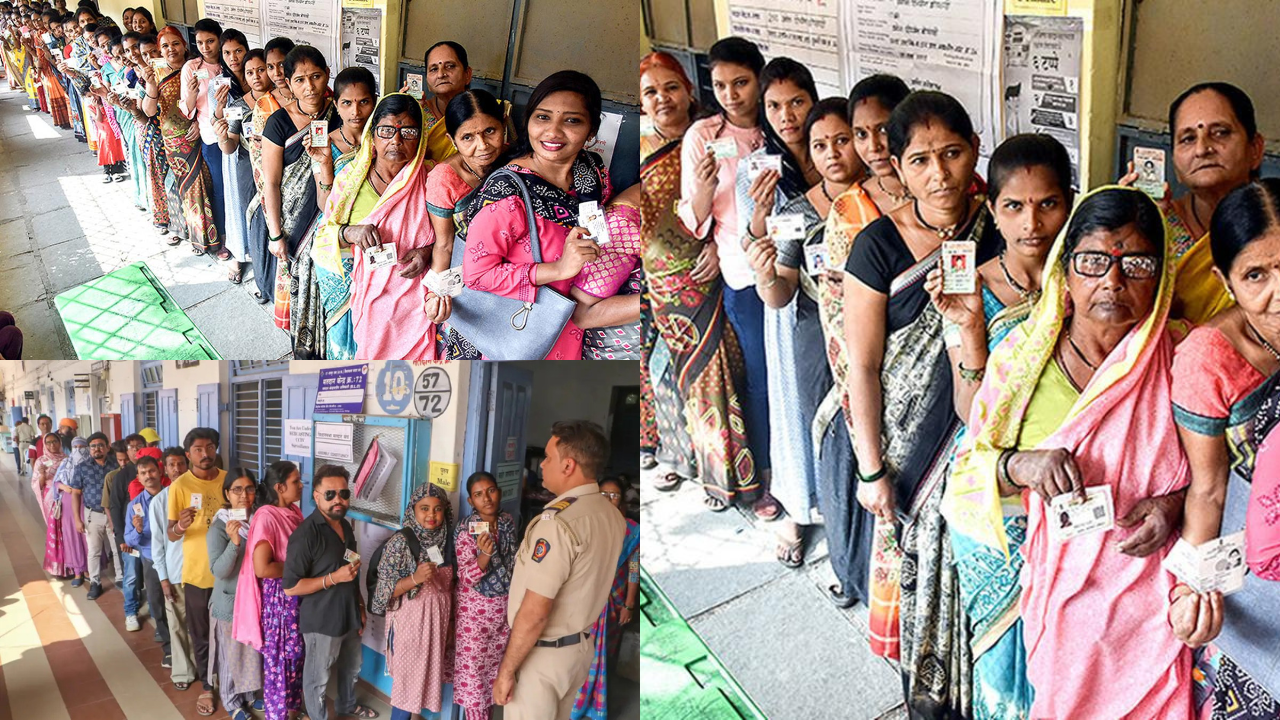
With over 3.5 crore registered voters, officials are expecting a higher voter turnout compared to previous municipal elections. The State Election Commission has deployed strict protocols to ensure smooth and transparent polling. Each polling booth will have adequate security arrangements, voter assistance desks, and digital tracking systems to prevent malpractices.
Special drives are also being organized in collaboration with NGOs to encourage first-time voters and women voters to participate in large numbers. The Election Commission has emphasized the importance of urban voter turnout in strengthening local self-governance.
Electoral Significance and Political Implications
The outcome of the 2026 Municipal Elections in Maharashtra is expected to set the tone for the upcoming Assembly elections in the state. Urban governance performance, local infrastructure work, and public satisfaction with civic amenities like water supply, roads, waste management, and housing will likely influence voter decisions.
Political analysts believe that success in these civic polls will provide either alliance significant momentum for state-level contests scheduled later in the year. A victory in Mumbai or Pune could also become a psychological boost for the winning camp and shape public perception across Maharashtra.
Key Dates and Updates
- Polling Date: January 15, 2026
- Counting and Results: January 16, 2026
- Total Municipal Corporations: 29
- Total Seats: 2,869
- Total Registered Voters: Approx. 3.5 crore
Citizens can follow ward-wise updates, candidate lists, live counting, and result trends through official election commission portals and credible news platforms like HappenRecently.com.
Final Word
As Maharashtra prepares for the Municipal Corporation Elections 2026, political pulse across cities is rising swiftly. With both Mahayuti and MVA eyeing dominance and independent candidates adding competitive flavor, voters will play a decisive role in shaping the future of urban governance.
Every vote will matter — not just for mayors and corporators, but for the political trajectory of Maharashtra in the years ahead.