

Cold wave grips central India as Indore witnesses voter list controversy and Advocate General officers get one-year extension.
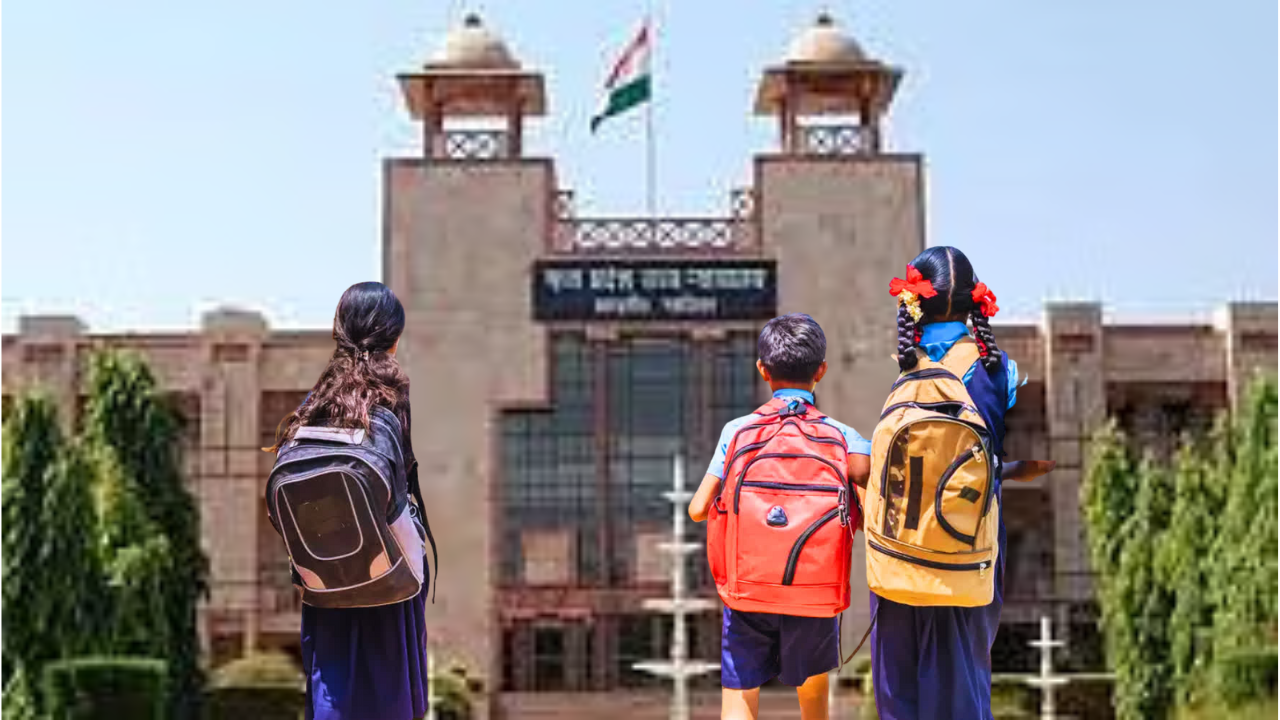
The Madhya Pradesh government has officially announced Winter Vacation for all government and private schools across the state from December 31, 2025, to January 4, 2026, considering the prevailing cold wave conditions. Meanwhile, electoral developments from Indore have caught significant attention as voter list corrections and the influence of the Systematic Identification and Removal (SIR) process have reportedly altered the electoral equations in five key constituencies. In another notable administrative update, the tenure of officials in the Madhya Pradesh Advocate General’s Office has been extended for another year, ensuring continued legal support and stability in governance.
Winter Break Declared in Schools Across Madhya Pradesh
With temperatures dipping sharply across the state, the School Education Department of Madhya Pradesh has declared a five-day winter vacation starting on December 31. The decision follows recommendations from local district education officers and weather reports indicating further drop in minimum temperatures.
Schools will remain closed for both teaching and administrative staff during this period. The classes are expected to resume from January 5, 2026. The decision aims to safeguard students and teachers from the severe cold, especially in northern and central parts of the state, including Bhopal, Indore, Gwalior, Ujjain, and Rewa regions.
Several parents and teachers welcomed the move, noting that such timely decisions prioritize student safety. The Education Department has clarified that the learning schedule will be covered later through extended classes and activity sessions in January to ensure academic continuity.
Indore’s Voter List Revisions Stir Political Discussion
In Indore, Madhya Pradesh’s economic and political hub, voter list revisions have sparked a new debate as the SIR (Systematic Identification and Removal) campaign has led to significant changes in the number of registered voters. According to preliminary data, in five key assembly constituencies of Indore district, a substantial number of voter names have been removed or updated under this process.
Officials state that these corrections are part of the routine cleanup exercise before the upcoming municipal and legislative elections. However, analysts point out that the number of removed voters in certain constituencies exceeds the victory margin of winning candidates in the last election, leading to political speculation across party lines.
The Election Office emphasizes that the goal of the SIR system is to maintain accuracy and eliminate duplicate or inactive voter entries. Each deletion or correction, officials said, is verified through strict procedural checks, including door-to-door verification and cross-database matching.
Local political observers believe these changes could influence electoral dynamics, especially in constituencies with closely contested outcomes. Opposition leaders have demanded more transparency and urged the Election Commission to release detailed reports constituency-wise.
Administrative Stability: One-Year Extension for AG Office Officials
In a move aimed at maintaining administrative and legal continuity, the Government of Madhya Pradesh has extended the tenure of senior officers in the Advocate General’s Office by one year. The Advocate General’s Office plays a crucial role in representing the state in legal matters, policy decisions, and judicial proceedings across various courts.
According to an official release, this extension applies to several key positions in the AG Office, including deputy and assistant advocates general, ensuring seamless functioning of the state’s legal machinery.
Legal experts view this as a strategic decision to sustain the momentum in pending government litigations and continuity in handling high-profile legal matters. The decision reflects the state government’s trust in the existing legal team’s experience and their role in defending state interests at both the High Court and Supreme Court levels.
Broader Governance Context
The three announcements—the winter vacation, the voter list revision, and the tenure extension—collectively demonstrate the state’s focus on both governance efficiency and public welfare. While the education department’s move addresses immediate public comfort during the cold spell, the administrative and electoral measures highlight the state’s ongoing efforts to build robust institutional frameworks.
Political commentators note that Indore’s voter list update comes at a critical time when parties are preparing for upcoming local body elections and strategizing their voter outreach campaigns. Analysts believe that maintaining accurate electoral rolls is essential to ensure credibility and fairness in the democratic process.
Similarly, the decision to extend the tenure of AG Office officers aligns with Chief Minister Dr. Mohan Yadav’s emphasis on administrative stability and institutional continuity. By retaining experienced legal officers, the government aims to strengthen its legal defense and prevent disruptions in ongoing cases involving state policies and schemes.
Public Reactions and Way Forward
Public response to the winter vacation announcement has been largely positive. Many parents across Madhya Pradesh expressed relief that schools will remain closed during the coldest period of the season. Social media platforms saw widespread sharing of the announcement, reflecting the measure’s popularity among students.
Meanwhile, civic groups and local political representatives in Indore have called for transparency in the voter list cleanup process to prevent wrongful deletions. Election officials have assured that any genuine grievances can be raised through official channels and that rectification processes remain open until the final publication of updated rolls.
On the administrative front, the AG Office extension adds to the list of governance moves undertaken recently by the Yadav government to streamline bureaucratic and legal processes as the state prepares for economic development projects and upcoming policy sessions.
Conclusion
The series of updates from Madhya Pradesh this week—from the education department’s winter vacation notice to voter list corrections and administrative extensions—capture the state’s multifaceted approach to governance as 2025 draws to a close. With the onset of the new year, citizens can expect continued focus on transparency, institutional strength, and public comfort in government functioning.