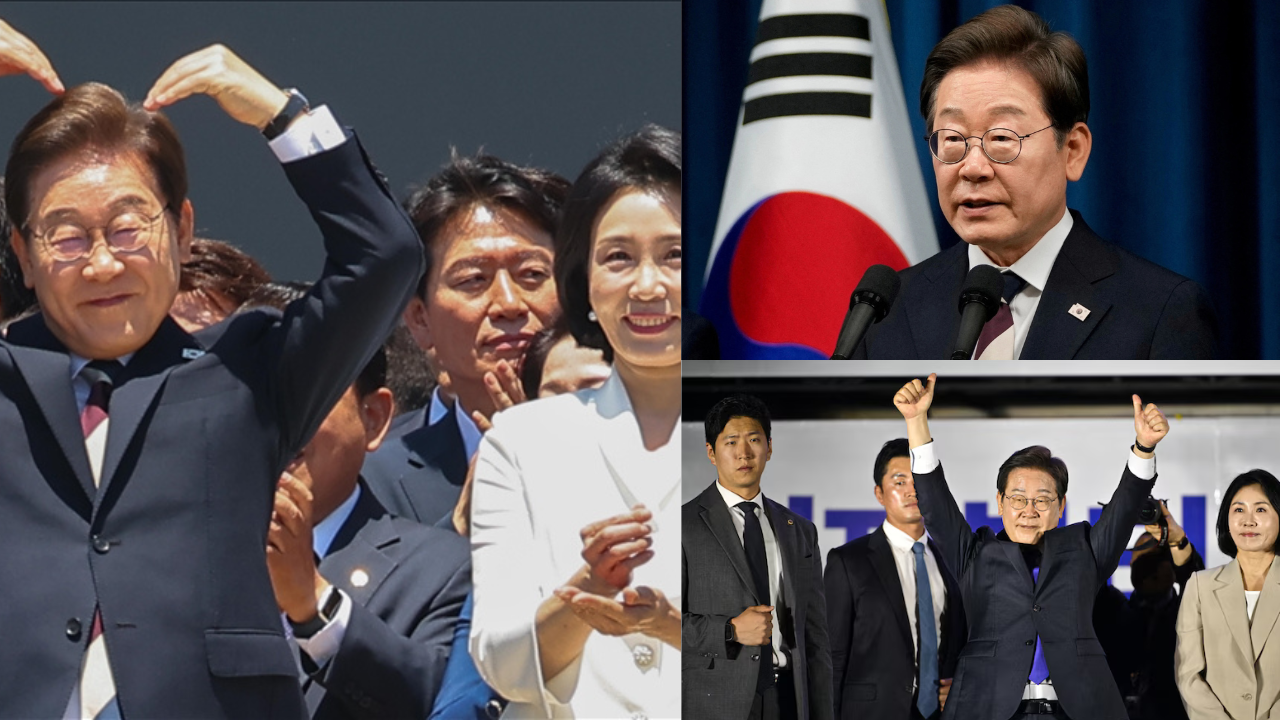
In a historic election that marks a new chapter for South Korea’s democracy, opposition candidate Lee Jae-myung of the Democratic Party has emerged victorious, becoming the country’s next President. Lee’s win follows months of political upheaval after the impeachment of former President Yoon Suk Yeol, in an election that has been widely regarded as a referendum on stability, governance, and public trust.
Lee’s rival, Kim Moon-soo of the People Power Party, conceded defeat in the early hours of Wednesday, addressing supporters and media in a brief but gracious speech. “The people have spoken decisively,” Kim said. “I congratulate President-elect Lee Jae-myung and wish him wisdom in leading our nation out of these turbulent times.”
Millions of South Koreans cast their votes on Tuesday in a snap presidential election necessitated by Yoon Suk Yeol’s impeachment, following his controversial attempt to invoke martial law during a national security drill gone awry in December. The scandal not only dismantled Yoon’s presidency but also left the nation grappling with mass protests, a crisis of political confidence, and deep societal divisions.
A Nation’s Choice for Stability and Reform
Lee Jae-myung’s victory is seen as a clear mandate for change. A seasoned politician known for his progressive stance on economic equity, social welfare, and transparency, Lee campaigned on a platform of “restoring public trust in democracy” and “healing the wounds of impeachment politics.” His campaign resonated particularly with younger voters and urban populations disillusioned by the recent chaos.
“This election was not just about choosing a new president,” Lee said in his victory speech to a sea of supporters gathered in Seoul’s Gwanghwamun Square. “It was about defending our democracy, reaffirming the power of the people, and turning the page on a painful chapter. I stand before you not as a victor, but as a servant of the people’s will.”
Lee emphasized his priorities of economic revitalization, judicial reforms, and reunifying a polarized society. His campaign promised swift action to rebuild institutional integrity, especially in the military and executive branches, which were tainted by Yoon’s failed bid to concentrate power.
Impeachment Fallout Shapes the Ballot
The election was overshadowed by the aftermath of Yoon Suk Yeol’s impeachment, which unfolded over a series of dramatic weeks earlier this year. Yoon’s administration collapsed following revelations that he had attempted to impose emergency rule under the guise of a military exercise, a move that many saw as an unconstitutional power grab.
Public outrage sparked mass demonstrations across South Korea, echoing the historic Candlelight Protests of 2016 that led to the ouster of President Park Geun-hye. This political turbulence necessitated an expedited election, compressing a typically year-long campaign into mere months.
Voter turnout was notably high, with over 78% participation, reflecting the public’s determination to assert democratic norms amid political instability.
Regional and Global Implications
Lee Jae-myung’s ascent to the presidency is expected to bring shifts in South Korea’s foreign policy, especially concerning inter-Korean relations and ties with the United States and China. During his campaign, Lee advocated for a “balanced diplomacy” approach, emphasizing dialogue with North Korea while maintaining strong defense alliances.
Global leaders extended their congratulations, with the U.S. State Department releasing a statement commending South Korea’s “resilient democratic process”. Japanese Prime Minister Fumio Kishida expressed hope for “renewed collaboration on regional security and economic challenges.”
A Pivotal Moment in South Korea’s Democratic Journey
Political analysts are calling Lee’s victory a “turning point in South Korean democracy”, emphasizing that the peaceful transfer of power after such a contentious impeachment is a testament to the country’s institutional resilience.
“South Korea has once again demonstrated that its democratic institutions, while tested, are robust and capable of self-correction,” said Dr. Han Min-soo, a political science professor at Seoul National University. “Lee Jae-myung’s administration faces daunting challenges, but the people have shown they are ready for a new era of accountable governance.”
Moving Forward: President-elect Lee’s Immediate Challenges
As Lee prepares for his official inauguration next month, his administration will confront immediate challenges, including:
- Restoring public faith in political institutions
- Addressing economic disparities exacerbated by political instability
- Overseeing reforms in military oversight and civil governance
- Managing delicate diplomatic engagements amidst shifting geopolitical tensions
Lee concluded his speech with a message of unity: “Let us heal, let us rebuild, and let us move forward together. The power of South Korea lies not in its leaders, but in the collective will of its people.”
The nation now awaits the dawn of a new political chapter under Lee Jae-myung’s leadership, with hopes of stability, reform, and a restored democratic spirit.