Tuesday, September 29, 2026
Home Blog Page 81

South Korea Mourns After Deadly Jeju Air Runway Accident

Jeju Air Runway

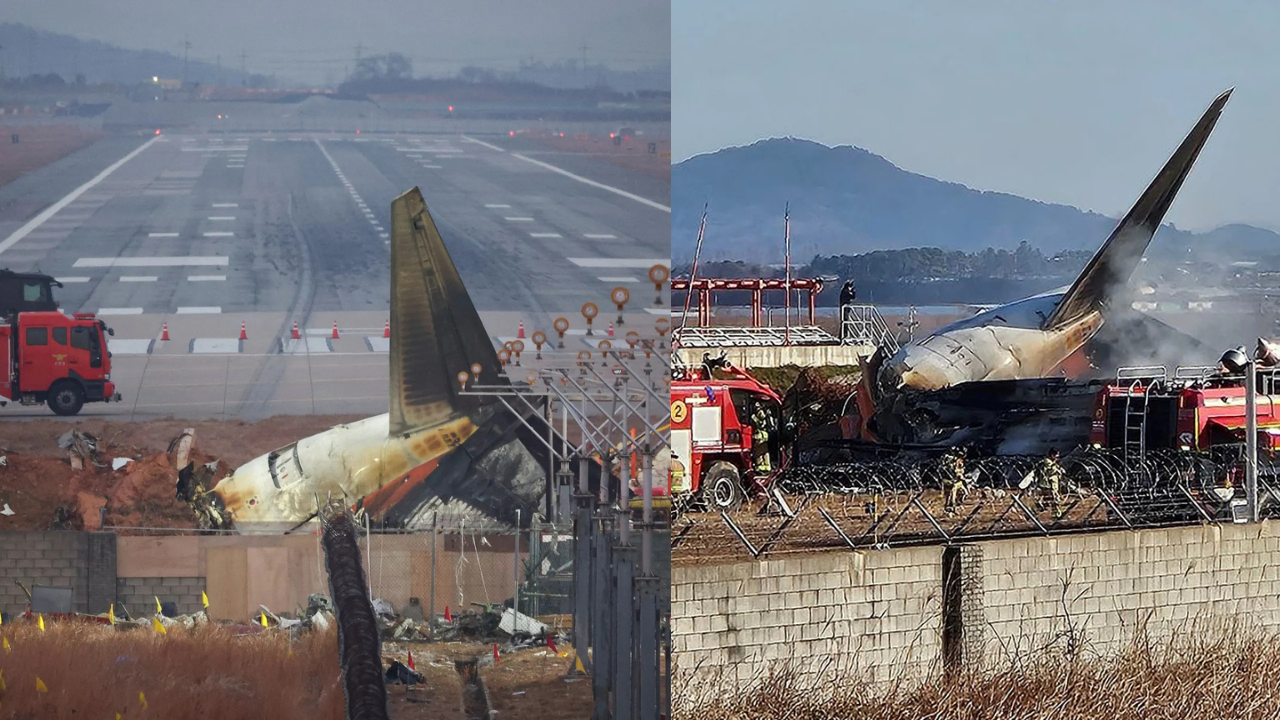
A Jeju Air passenger aircraft, Flight 7C2216, met with a tragic accident on Sunday morning after veering off the runway during landing at Muan International Airport, resulting in multiple fatalities and injuries. The devastating incident has sent shockwaves across South Korea and the international community, prompting immediate investigations into its cause.

According to local media reports, including South Korea’s Yonhap News Agency, more than a dozen people have lost their lives in the crash, with at least 28 confirmed dead as of the latest updates. Several others remain in critical condition, and the number of casualties may rise as rescue operations and medical evaluations continue.

The aircraft, a Boeing 737, was carrying 175 passengers and six crew members on board. Flight 7C2216 had departed from Bangkok, Thailand, and was scheduled to land in Muan around 9:00 AM local time. Upon touchdown, the aircraft reportedly veered off the runway under still-unclear circumstances and collided with a concrete wall bordering the airfield.

Immediate Emergency Response
Emergency services at Muan International Airport responded within minutes of the crash, initiating full-scale evacuation and rescue operations. Firefighters worked swiftly to contain the situation, while paramedics and medical personnel rushed to transport the injured to nearby hospitals. The airport’s disaster response protocol was activated, with additional support from national emergency units and military rescue teams.

Witnesses at the scene described a chaotic and harrowing situation, with smoke and debris visible from the terminal building. “The plane made a loud screeching sound before it left the runway,” said one passenger who survived the crash with minor injuries. “We felt a violent shake, and then everything went dark for a moment.”

Airline Statement and Support for Victims
Jeju Air has expressed deep sorrow over the tragedy and pledged its full cooperation with authorities to determine the cause of the accident. In a brief statement, the airline said:

“We are heartbroken by the loss of life in today’s accident involving Flight 7C2216. Our thoughts and prayers are with the families and loved ones of those who perished, as well as with the survivors who are recovering from their injuries. Jeju Air is working closely with South Korean aviation authorities to ensure a thorough investigation. We are providing immediate assistance and counseling services to the victims’ families.”

The airline has also established a dedicated hotline for family members seeking information and has deployed a crisis management team to Muan International Airport to support survivors and coordinate relief measures.

Investigation Underway
South Korea’s Ministry of Land, Infrastructure, and Transport (MOLIT) has launched an official investigation into the incident. Preliminary reports indicate that weather conditions at the time of landing were stable, suggesting that other factors — including potential technical malfunctions, runway conditions, or pilot error — will be closely examined.

Officials from Boeing and the U.S. National Transportation Safety Board (NTSB) are expected to participate in the inquiry, in accordance with international aviation accident protocols. Black box recorders from the aircraft will be retrieved and analyzed to shed light on the final moments before the crash.

Airport Operations Temporarily Suspended
Following the accident, Muan International Airport has suspended all flight operations until further notice to allow rescue and investigation teams unrestricted access to the crash site. Passengers scheduled to travel via Muan are being re-routed to other regional airports, including Gwangju and Incheon.

National Mourning and Global Condolences
The South Korean government has expressed deep condolences to the victims and their families. President Yoon Suk-yeol issued a statement, saying:

“This is a tragic day for our nation. We mourn the loss of innocent lives and stand united in grief. The government will do everything possible to support the victims’ families and ensure that the cause of this terrible accident is swiftly determined.”

Messages of sympathy have also poured in from leaders worldwide, including from Thailand, where the flight originated, as well as from neighboring Asian nations.

Safety Record and Broader Implications
While South Korea has maintained a strong aviation safety record in recent years, this incident marks one of the deadliest air disasters in the country in more than a decade. The tragedy is expected to reignite discussions on runway safety, pilot training, and emergency preparedness protocols at regional airports.

Aviation analysts note that runway excursions — where an aircraft departs from the runway during landing or takeoff — can occur for a variety of reasons, and determining the exact cause will require a detailed review of flight data and maintenance records.

Commitment to Transparency and Safety
Both Jeju Air and South Korean aviation authorities have pledged transparency throughout the investigation process. Regular updates will be provided to the public as new information emerges. In the meantime, counseling centers have been set up in Muan and other major cities to assist grieving families and traumatized survivors.

26 Nations Demand Gaza Ceasefire Amid Worsening Humanitarian Crisis

Gaza Ceasefire

In a coordinated diplomatic appeal, twenty-six countries, including the United Kingdom, France, and Canada, have issued a joint statement calling for an immediate end to the ongoing war in Gaza. The statement condemns the “horrifying” killing of hundreds of Gazan civilians who were attempting to access aid under Israel’s current delivery model, which the signatories describe as “dangerous, destabilizing, and degrading to human dignity.”

The countries’ joint declaration marks one of the most unified international calls for a ceasefire since the conflict began, highlighting urgent humanitarian concerns and warning of catastrophic consequences if immediate action is not taken.

“The Israeli government’s aid delivery model is dangerous, fuels instability and deprives Gazans of human dignity,” the statement read, underscoring the collective alarm over the rising civilian death toll and worsening living conditions in the enclave.

ISRAEL RESPONDS, REJECTING STATEMENT
The Israeli government has firmly rejected the criticism. Oren Marmorstein, spokesperson for Israel’s foreign ministry, responded that the statement was “disconnected from reality” and reiterated that the government “rejects” its assertions. Israel maintains that its military operations are aimed at dismantling Hamas’ military capabilities and securing the release of Israeli hostages believed to be held in Gaza.

ESCALATING HUMANITARIAN CRISIS
The joint statement comes as international food security experts warn that Gaza is on the brink of a famine-like disaster. According to the Integrated Food Security Phase Classification (IPC), a global body specializing in food security analysis, more than 1.5 million people in Gaza—approximately two-thirds of the territory’s pre-war population—are at risk of severe malnutrition or starvation until at least October.

The IPC report states that “goods indispensable for people’s survival are either depleted or expected to run out in the coming weeks.” Nearly 500,000 people are already classified as facing “catastrophe” (IPC Phase 5), the most severe level of food insecurity, while an additional 1.1 million are in the “emergency” category (IPC Phase 4), the second highest on the scale.

Aid agencies have repeatedly stressed that restricted access to essential supplies, combined with the destruction of infrastructure and mass displacement, is accelerating the crisis. Medical experts also warn of an imminent public health emergency due to shortages of clean water, medicines, and sanitation facilities.

GROUND ASSAULT IN CENTRAL GAZA
Tensions escalated further on Monday as Israel launched its first ground assault on Deir al-Balah in central Gaza. The area, now overcrowded with thousands of displaced civilians from southern Gaza, is also believed to be a location where some Israeli hostages are being held.

Eyewitness accounts describe chaotic scenes as families fled bombardments, seeking shelter in already overcrowded facilities, including schools and makeshift camps. Humanitarian organizations on the ground have warned that the military action in such a densely populated area risks significant civilian casualties and could worsen the already dire humanitarian conditions.

INTERNATIONAL DIPLOMATIC PRESSURE BUILDS
The signatory countries of the joint statement have urged all parties to respect international humanitarian law, ensure the unimpeded delivery of aid, and prioritize civilian safety. While their message stops short of outlining specific sanctions or punitive measures, diplomatic insiders suggest that further coordinated action could follow if the conflict continues unabated.

This appeal reflects growing frustration among international actors over the prolonged hostilities, which have now entered a new phase with Israel’s intensified ground operations. The ongoing violence has already displaced the majority of Gaza’s population, with no clear pathway toward a ceasefire or peace negotiations.

HUMAN RIGHTS AND AID ORGANIZATIONS REACT
Global humanitarian and human rights organizations have welcomed the statement as a long-overdue acknowledgment of the severity of the crisis.

“This level of coordinated diplomatic condemnation is significant,” said one spokesperson for a leading humanitarian agency. “However, words must be followed by concrete action to stop the bloodshed and ensure lifesaving aid reaches those who need it most.”

Several aid agencies have reiterated calls for the establishment of secure humanitarian corridors, increased funding for relief efforts, and an immediate suspension of hostilities to allow critical supplies to enter Gaza without obstruction.

NEXT STEPS
While the joint statement represents a notable diplomatic push, its practical impact remains uncertain. Israel has shown no indication of halting its military operations, and political divisions within the broader international community continue to complicate efforts toward a negotiated peace.

Nonetheless, the united front displayed by these 26 countries could signal a turning point in international engagement, especially if followed by more assertive measures in global forums such as the United Nations.

As the conflict continues, the situation in Gaza remains volatile, with mounting civilian casualties, deteriorating humanitarian conditions, and a growing risk of famine. Without swift and coordinated intervention, experts warn that the territory could face one of the worst humanitarian crises in recent history.

After Mumbai Debut, Tesla Opens Flagship Delhi Outlet at Aerocity

Tesla

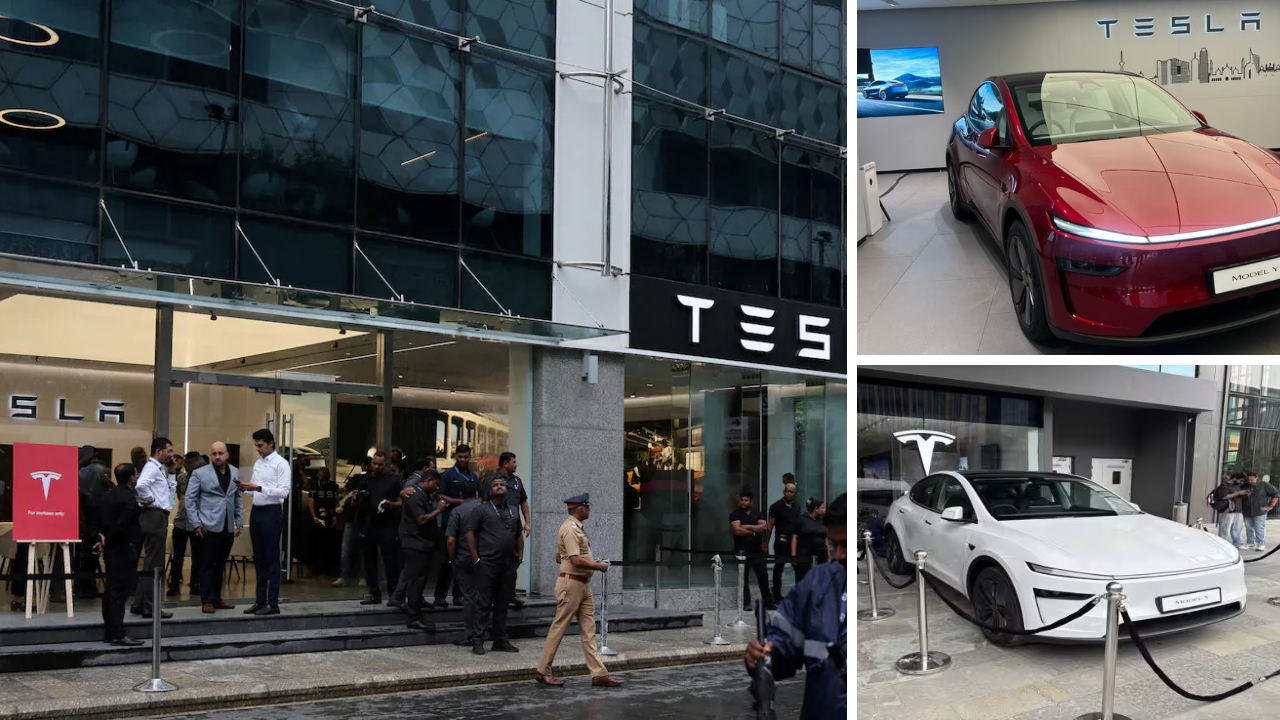
Weeks after making its long-anticipated retail debut in India with a flagship store in Mumbai, Tesla, the global leader in electric vehicles (EVs), has announced the opening of its second showroom in the country, strategically located in Delhi’s bustling Aerocity district.

Situated at Worldmark 3, near the Indira Gandhi International Airport, the 8,200-square-foot retail space marks another significant step in Tesla’s India expansion strategy. The store will showcase and retail the brand’s highly popular Model Y crossover SUV, which will be imported as a completely built unit (CBU) from China.

The Aerocity outlet’s prime location offers unparalleled accessibility for both domestic and international customers, being just minutes away from Delhi’s major transport hubs. The company aims to capitalize on the region’s growing interest in sustainable mobility and premium automotive experiences.

Premium Space with Long-Term Commitment

According to real estate intelligence firm CRE Matrix, Tesla has secured the Delhi space on a nine-year lease agreement, with the initial monthly rent set at ₹17.22 lakh (₹210 per sq. ft.). The terms include a 15% escalation every three years, reflecting both the location’s premium status and Tesla’s long-term commitment to the Indian market.

The lease was officially registered on July 30, 2025, underscoring the brand’s rapid operational rollout in the country.

Delhi Store Complements Nationwide Growth

The Aerocity launch comes on the heels of Tesla’s recent 33,000-square-foot lease in Gurugram’s Orchid Business Park, which will serve as a combined service center and sales outlet. The Gurugram facility, leased at a monthly rent of ₹40 lakh, is expected to be a key after-sales hub for customers in North India.

Tesla’s decision to establish both sales and service infrastructure in close succession signals a robust go-to-market approach, ensuring customers receive a seamless ownership experience from purchase to maintenance.

Charging Infrastructure Push

The Delhi store opening follows another milestone for Tesla in India — the launch of its first Supercharger station in the country. Located at Mumbai’s Bandra Kurla Complex (BKC), the station went live on August 4, 2025, providing fast-charging capabilities for Tesla owners and setting the stage for a larger charging network rollout across major Indian cities.

The company’s emphasis on charging infrastructure aims to address one of the most significant barriers to EV adoption in India — range anxiety. By strategically placing fast-charging stations in high-traffic areas, Tesla plans to encourage more consumers to consider EV ownership.

Model Y: Tesla’s Flagship for India

The Model Y is expected to be the centerpiece of Tesla’s India strategy, offering a blend of performance, efficiency, and practicality. The crossover design caters to Indian preferences for higher ground clearance and spacious interiors, while Tesla’s cutting-edge EV technology promises low operating costs and zero tailpipe emissions.

As a CBU import, the Model Y will initially cater to premium customers who value innovation, design, and sustainability. Industry analysts believe that Tesla’s early positioning in India will help create a strong aspirational brand image before the company considers local assembly or manufacturing.

Strategic Importance of Aerocity

Aerocity has emerged as one of Delhi NCR’s most prestigious commercial and lifestyle districts, housing luxury hotels, premium retail outlets, and corporate offices. Tesla’s choice of Worldmark 3 aligns with its global strategy of placing stores in high-footfall, high-visibility areas that match the brand’s premium positioning.

The proximity to Indira Gandhi International Airport also ensures the store will attract affluent travelers, business executives, and potential international buyers, while serving as a convenient point for Delhi NCR residents.

Tesla’s India Vision

Tesla’s rapid store launches, major lease agreements, and the debut of its charging infrastructure point to a long-term India vision. While the company has yet to announce official timelines for local manufacturing, its investments in sales, service, and charging indicate that it sees India as a significant growth market for EVs.

Industry experts note that the timing is favorable — with government incentives for electric mobility, rising fuel costs, and growing environmental awareness among urban consumers, India’s EV market is projected to expand exponentially over the next decade.

Executive Comment

Commenting on the new store launch, a Tesla India spokesperson said:

“The opening of our second store in Delhi marks another step in making Tesla’s products and services accessible to customers across India. Aerocity’s central location and world-class infrastructure make it an ideal destination for introducing our vehicles to a diverse and discerning audience. Combined with our upcoming Gurugram service center and expanding charging network, we are committed to delivering a premium, sustainable mobility experience to Indian customers.”

Looking Ahead

With its dual presence in Mumbai and Delhi NCR, Tesla has established a strong entry into India’s largest and most influential metropolitan markets. The next phase of the company’s rollout is expected to focus on expanding its charging network, opening additional service centers, and potentially introducing more models suited to Indian roads and price points.

As India moves toward its clean energy and mobility goals, Tesla’s entry and rapid expansion could serve as a catalyst for greater EV adoption, inspiring both customers and competitors to accelerate the transition to sustainable transportation.

Tesla is an American electric vehicle and clean energy company established in 2003, committed to accelerating the world’s transition to sustainable energy. With a lineup that includes the Model S, Model 3, Model X, Model Y, Cybertruck, and Semi, Tesla designs, manufactures, and sells electric vehicles, battery energy storage, and solar products worldwide.

Public-Private Partnership to Power Digital India BSNL and Global Leaders to Upskill Youth in Emerging Technologies

BSNL

In a landmark move aimed at boosting India’s digital talent pool, state-owned Bharat Sanchar Nigam Limited (BSNL) has signed a Memorandum of Understanding (MoU) with leading global technology companies—Ericsson, Qualcomm, Cisco, and Nokia—to introduce advanced digital skilling programmes at the Bharat Ratna Bhim Rao Ambedkar Institute of Telecom Training (BRBRAITT) in Jabalpur, Madhya Pradesh.

The strategic partnership, officially announced in the presence of Union Minister for Communications, Electronics & Information Technology, and Railways, Shri Jyotiraditya Scindia, is set to train over 2,000 students annually in emerging technologies such as 5G, Artificial Intelligence (AI), Machine Learning (ML), Networking, and Cybersecurity.

At the event, Shri Jyotiraditya Scindia said,

“The future of India’s digital economy rests on our ability to equip the youth with cutting-edge skills. This collaboration between BSNL and global technology leaders will create a strong foundation for innovation, industry readiness, and global competitiveness. By bringing the world’s best technology companies into our skilling ecosystem, we are paving the way for transformative opportunities for our young talent.”

Programme Highlights

The initiative will leverage BRBRAITT’s established training infrastructure, combining it with the technical expertise and industry experience of the partner companies. Under the MoU:

  • Ericsson will provide training modules and hands-on workshops in 5G technology, network optimization, and telecom infrastructure.
  • Qualcomm will focus on AI, ML, and next-generation mobile technologies, empowering students to develop solutions for real-world challenges.
  • Cisco will deliver advanced courses on networking, cloud technologies, and cybersecurity, preparing participants for certifications that are globally recognized.
  • Nokia will train students on 5G networks, IoT, and digital transformation tools relevant to India’s growing digital economy.

All programmes will be designed to align with industry requirements, ensuring that graduates are job-ready from day one. The curriculum will include practical lab sessions, industry projects, and mentorship from experienced professionals.

Employment Opportunities and Industry Linkages

In addition to skill development, the four partner companies have committed to offering employment opportunities to outstanding graduates from the programme. By establishing a direct link between training and employment, the initiative aims to bridge the skill-to-job gap that often limits the career prospects of young professionals.

Minister Scindia also revealed that the partnership model is attracting the attention of other industry leaders. Tata Consultancy Services (TCS) and Tejas Networks are expected to join the initiative in the near future, further broadening the scope and scale of the training ecosystem.

“We are creating a collaborative platform where government, academia, and industry work hand-in-hand to nurture talent. This is not just about skill development—it’s about nation-building,” Scindia added.

Empowering Jabalpur as a Digital Learning Hub

The selection of BRBRAITT in Jabalpur as the central hub for this initiative underscores the government’s commitment to regional skill development. Located in the heart of India, BRBRAITT has a long-standing reputation as one of the country’s premier telecom training institutes. This new partnership is expected to position the institute as a national centre of excellence for digital technologies.

“BRBRAITT has always been at the forefront of telecom training. With the support of BSNL and our industry partners, we are now stepping into a new era—one where our students will be prepared to lead India’s digital revolution,” said a BSNL spokesperson.

Driving India’s Digital Ambitions

This initiative aligns with the Digital India vision, which emphasizes the creation of a digitally empowered society and knowledge economy. By focusing on advanced technologies such as 5G, AI, and cybersecurity, the programme will help India strengthen its position in the global digital landscape.

The move comes at a time when demand for professionals skilled in next-generation technologies is soaring, both domestically and internationally. According to industry estimates, India will require millions of skilled tech professionals in the coming decade to meet the needs of its rapidly expanding digital infrastructure.

A Model for Public-Private Collaboration

The BSNL-led programme is being hailed as a model for public-private collaboration in skill development. By pooling the resources of a government-owned telecom giant with the expertise of global tech leaders, the initiative promises to deliver world-class training at scale.

Participants in the programme will benefit from:

  • Industry-relevant curriculum jointly developed by BSNL and partner companies.
  • Access to cutting-edge labs and simulation environments.
  • Mentorship from global technology experts.
  • Certification pathways recognized by the industry.
  • Job placement support with top technology firms.

Looking Ahead

The inaugural batch under this initiative is expected to commence training later this year, with enrolment open to students from across the country. BSNL has indicated that special provisions will be made to encourage participation from women and students from underrepresented regions, ensuring inclusive growth in the digital workforce.

With the inclusion of additional partners like TCS and Tejas Networks in the future, the programme is poised to expand its reach, potentially doubling its annual training capacity and adding new modules on software development, cloud computing, and optical networking.

About Bharat Sanchar Nigam Limited (BSNL)
Bharat Sanchar Nigam Limited (BSNL) is a 100% government-owned telecommunications company providing a wide range of services across India. Established in 2000, BSNL has been a key player in connecting India’s towns, cities, and rural areas through cutting-edge telecom infrastructure.

About Bharat Ratna Bhim Rao Ambedkar Institute of Telecom Training (BRBRAITT)
The Bharat Ratna Bhim Rao Ambedkar Institute of Telecom Training (BRBRAITT) in Jabalpur is one of India’s premier telecom training institutes. It specializes in providing advanced technical training to telecom engineers, professionals, and students from across the country.

Jaguar’s Leap into Tomorrow Iconic British Brand to Go All Electric by 2025

Jaguar

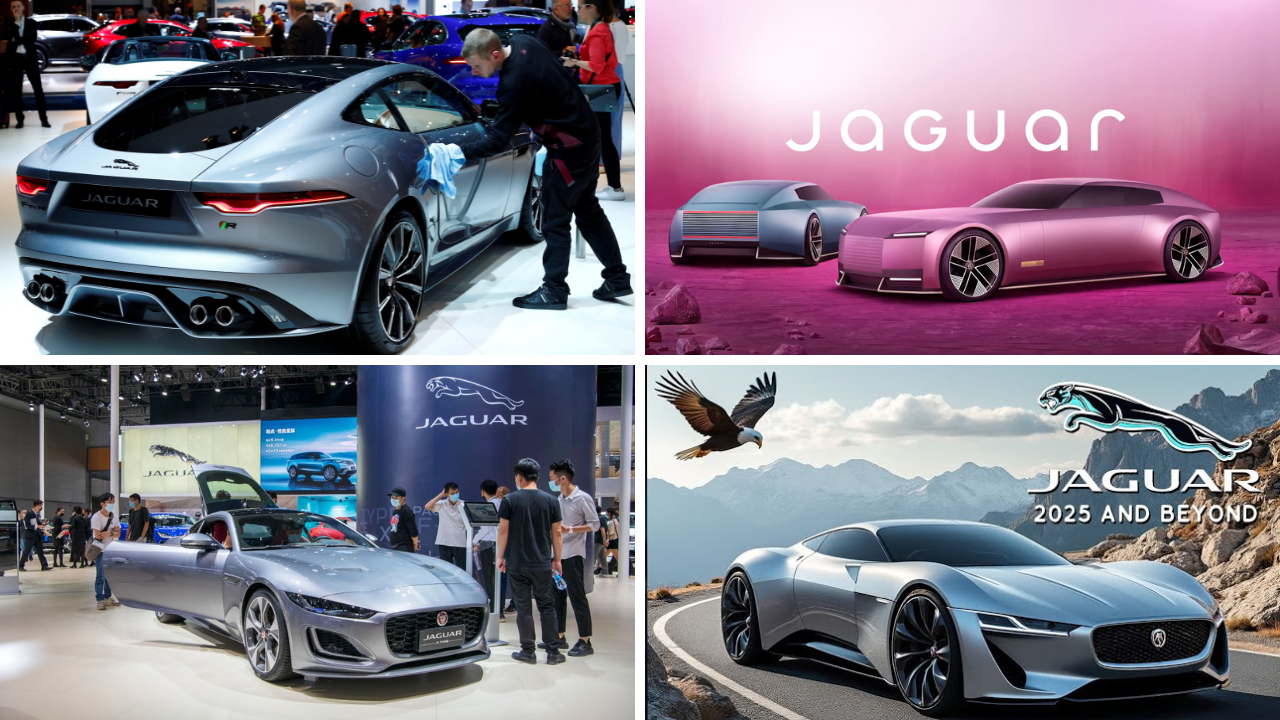
“Jaguar” has long been synonymous with elegance, performance, and innovation. But the journey of this iconic British marque is as remarkable as the vehicles it has produced. From humble beginnings in the early 20th century to its bold leap into an all-electric future, Jaguar’s story is a testament to resilience, reinvention, and a relentless pursuit of excellence.

A Legacy Born in Blackpool
The roots of Jaguar trace back to 1922, when two motorcycle enthusiasts – William Lyons and William Walmsley established the Swallow Sidecar Company in Blackpool, England. Initially, the enterprise specialized in crafting stylish sidecars for motorcycles, quickly gaining a reputation for quality and design flair. This growing success inspired Lyons to expand into automobile body manufacturing, working with notable brands like Austin and Fiat during the late 1920s.

By the early 1930s, Lyons had set his sights on a bigger vision: creating complete automobiles. This ambition culminated in 1935 with the launch of the SS Jaguar – the first vehicle to bear the Jaguar name. With its sleek styling and powerful performance, it set the tone for what would become the brand’s hallmark: the fusion of luxury, style, and speed.

A New Name for a New Era
In the aftermath of World War II, the “SS” initials carried unwanted associations with Nazi Germany’s SS forces. Determined to preserve the brand’s identity while distancing it from any negative connotation, Lyons rebranded the company as Jaguar Cars Limited in 1945. This period marked the dawn of Jaguar’s golden era.

Models like the XK120, the elegant Mark 2 saloon, and the revolutionary E-Type sports car catapulted Jaguar to international fame. The E-Type, in particular, earned a place in automotive history as one of the most beautiful cars ever made – even Enzo Ferrari called it “the most beautiful car in the world.” Jaguar had successfully established itself as a symbol of British motoring excellence.

Mergers, Challenges, and a Fight for Independence
In 1968, Jaguar merged with the British Motor Corporation (BMC) to form part of the British Leyland conglomerate – a government-backed effort to consolidate the UK’s struggling auto industry. However, the move brought challenges. Quality control issues and financial instability plagued the brand, threatening its hard-earned reputation.

The 1980s brought a turning point. Under Prime Minister Margaret Thatcher’s privatization program, Jaguar regained independence in 1984. Freed from the bureaucracy of British Leyland, Jaguar sought to reclaim its position at the top of the luxury market, focusing on craftsmanship and performance.

A Global Journey Through Ownership
In 1989, the Ford Motor Company acquired Jaguar, aiming to bolster its luxury portfolio. Ford invested heavily in modernizing production and expanding Jaguar’s lineup. Yet, despite technological improvements, profitability remained elusive.

A major chapter in Jaguar’s story began in 2008, when Tata Motors – part of India’s Tata Group – acquired both Jaguar and Land Rover from Ford, forming Jaguar Land Rover (JLR). Tata’s approach was patient and strategic, providing long-term investment in design, engineering, and advanced technology. Under this stewardship, Jaguar experienced a resurgence, introducing critically acclaimed models such as the XE, XF, the high-performance F-Type, and the all-electric I-PACE – which won the prestigious 2019 World Car of the Year award.

Embracing the Future: All-Electric by 2025
Today, Jaguar stands at the forefront of a transformative era in the automotive industry. As part of JLR’s “Reimagine” strategy, the brand has committed to becoming an all-electric luxury marque by 2025. This bold move aligns with global sustainability goals and reflects changing consumer priorities toward environmentally responsible mobility.

The transition to electric power will not come at the cost of Jaguar’s identity. True to its heritage, future Jaguar vehicles will continue to deliver exhilarating performance, uncompromising luxury, and avant-garde design. With cutting-edge battery technology, advanced connectivity, and autonomous-ready systems, Jaguar is poised to redefine the meaning of luxury driving for the 21st century.

A Century of Excellence – And Beyond
From a small sidecar workshop in Blackpool to a globally recognized symbol of British engineering, Jaguar’s story is one of adaptation and vision. Each era has brought challenges – from post-war rebranding to the trials of corporate mergers – but Jaguar has consistently emerged stronger, driven by innovation and a commitment to its core values.

As Jaguar approaches its all-electric future, it carries forward a century’s worth of design brilliance, motorsport success, and luxury craftsmanship. Whether it’s the timeless beauty of the E-Type or the futuristic performance of the I-PACE, Jaguar remains an emblem of aspiration and prestige.

“Jaguar has always stood for innovation, performance, and elegance,” said [Executive Name], [Executive Title] at JLR. “Our shift to an all-electric lineup is not just a response to environmental imperatives – it’s a natural evolution of our brand. We are shaping the next generation of luxury vehicles that will inspire, excite, and endure.”

With its eyes firmly set on a sustainable and electrified horizon, Jaguar continues to blend heritage with innovation, proving that even after more than 100 years, the leaping cat is still ready to pounce.

Jaguar
Jaguar is a British luxury automotive brand known for its distinctive blend of performance, style, and craftsmanship. Founded in 1922, the company has produced some of the most iconic vehicles in history, including the XK120, Mark 2, E-Type, and I-PACE. Today, as part of Jaguar Land Rover, Jaguar is committed to reimagining the future of luxury mobility through electrification and cutting-edge technology.

Oppo Returns to the Flagship Stage with the Power Packed Find X8 Pro

Oppo

After a noticeable pause in the ultra-premium smartphone race, Oppo is back — and it’s aiming straight for the top. With the Oppo Find X8 Pro, the brand has poured innovation, craftsmanship, and cutting-edge technology into a device that redefines what users can expect from a flagship smartphone in 2025.

The Find X8 Pro is not just a phone; it’s a statement of intent from Oppo — designed for those who demand exceptional performance, striking visuals, pro-level photography, and a battery that keeps up with their dynamic lifestyle.

A Display That Redefines Immersion

At the heart of the Find X8 Pro lies a 6.78-inch AMOLED display, delivering crisp, vibrant, and true-to-life visuals. With a 120Hz maximum refresh rate, scrolling, gaming, and video playback feel incredibly fluid and responsive. HDR capabilities ensure brilliant contrast and color accuracy, making every image pop whether you’re editing photos, watching movies, or navigating apps.

The display is tuned for eye comfort, with adaptive refresh rates to conserve battery life when high performance isn’t required, and advanced dimming technology for low-light usage.

Powering the Future: Android 15 and MediaTek Dimensity 9400

Running on Android 15, the Find X8 Pro offers the latest advancements in security, AI integration, and personalization. From enhanced multitasking to refined privacy controls, the operating system is tailored for modern user demands.

Driving this powerhouse is the MediaTek Dimensity 9400 SoC, one of the most advanced chipsets on the market. Built on cutting-edge architecture, it offers lightning-fast processing speeds, intelligent power efficiency, and superior thermal management. Whether it’s console-quality mobile gaming, 4K video recording, or AI-powered productivity apps, the Find X8 Pro handles it all effortlessly.

Photography Elevated: The Hasselblad Partnership

Oppo continues its collaboration with legendary camera maker Hasselblad, bringing professional-grade imaging to your pocket. The Find X8 Pro boasts a triple 50MP camera system:

  • 50MP Primary Sensor – Delivers stunning detail, clarity, and dynamic range, even in challenging lighting conditions.
  • 50MP Ultra-Wide Angle Sensor – Perfect for landscapes, architecture, and creative perspectives, with minimal distortion and edge-to-edge sharpness.
  • 50MP Telephoto Sensor – Enables lossless zoom with precision, capturing subjects from afar without sacrificing image quality.

Hasselblad’s expertise is evident in the natural color calibration, nuanced skin tones, and cinematic depth offered by the Find X8 Pro. Advanced computational photography features, including AI scene optimization, night mode enhancements, and pro-level manual controls, put creative control firmly in the user’s hands.

On the front, a high-resolution selfie camera ensures crystal-clear video calls and stunning self-portraits — all supported by powerful AI beauty algorithms for natural results.

Battery and Charging: Built for the Non-Stop Lifestyle

Battery anxiety becomes a thing of the past with the Find X8 Pro’s massive 5910mAh battery. It’s engineered to keep you connected, productive, and entertained all day — and then some.

When it’s time to recharge, Oppo’s industry-leading fast-charging technology takes over. The 80W SuperVOOC wired charging gets you from low battery to ready-to-go in minutes, while 50W AirVOOC wireless charging offers the ultimate in convenience. Reverse wireless charging is also supported, turning your device into a power source for accessories and other phones.

Design Excellence

The Find X8 Pro combines sleek, modern aesthetics with ergonomic comfort. Premium materials, precise machining, and meticulous detailing make it as much a work of art as a piece of technology. The seamless curves, ultra-thin bezels, and balanced weight distribution ensure it feels as good as it looks.

Oppo’s attention to durability is evident, with improved scratch resistance, water and dust protection, and long-term performance optimization to ensure the device stays in peak condition for years.

Connectivity and Smart Features

Supporting 5G, Wi-Fi 7, Bluetooth 5.4, and NFC, the Find X8 Pro ensures you’re always connected at the fastest speeds possible. AI-powered network optimization keeps calls clear, streaming smooth, and downloads lightning-fast.

Smart features such as advanced face recognition, ultrasonic fingerprint unlocking, and AI voice commands make daily tasks effortless. Integration with Oppo’s ecosystem of devices ensures a seamless transition between phone, tablet, earbuds, and smartwatches.

A Flagship That Means Business

With the Find X8 Pro, Oppo isn’t just re-entering the flagship category — it’s reshaping it. This device brings together top-tier performance, exceptional battery life, premium design, and a camera system co-engineered with Hasselblad that rivals professional gear.

Availability & Pricing

The Oppo Find X8 Pro will be available in select markets starting, in a range of stunning colors and finishes. Pricing and specific availability will be announced closer to launch.

Oppo is a leading global smart device brand, dedicated to creating innovative products that inspire and empower people worldwide. With a focus on premium design, cutting-edge technology, and seamless user experiences, Oppo continues to push boundaries in the mobile industry.

PigeonBot II Blends Biology and Engineering for the Most Lifelike Robotic Flight Yet

PigeonBot II

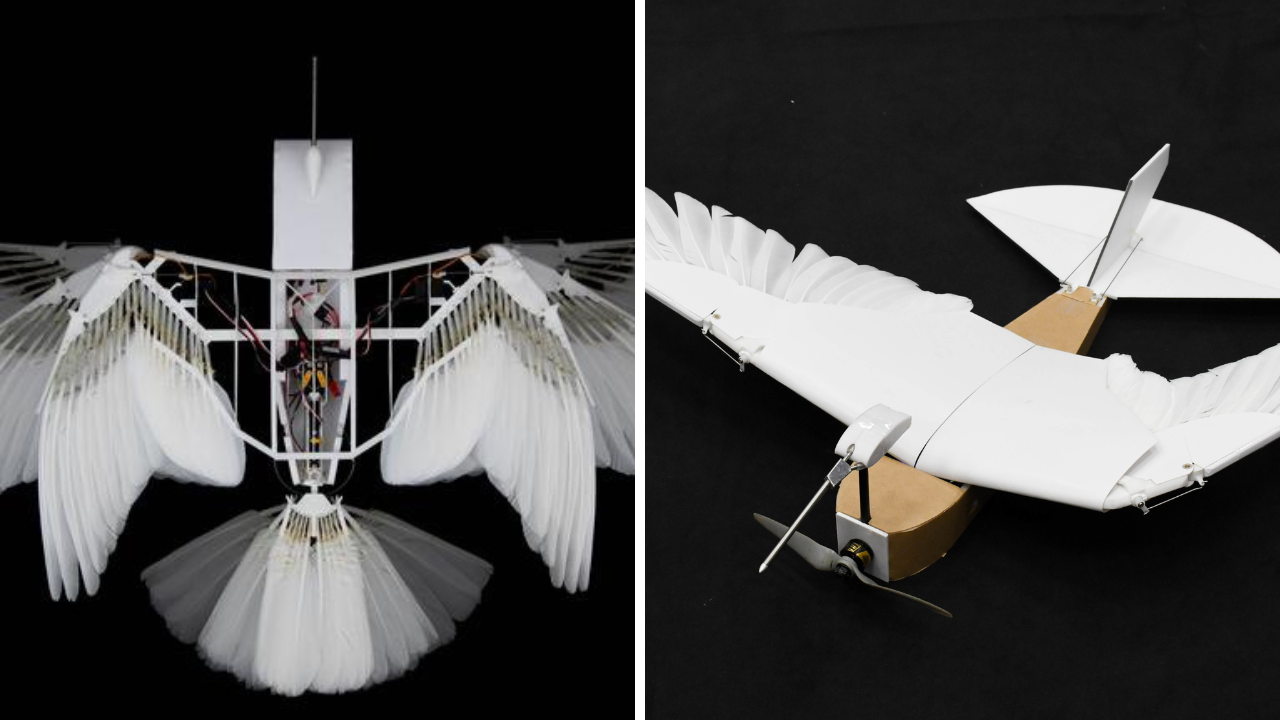
The skies over Groningen just gained a new and remarkable flier. The University of Groningen’s Professor of Biomimetics, David Lentink, along with his research team, has unveiled PigeonBot II — an advanced robotic bird that doesn’t just take inspiration from nature but literally wears it. Outfitted with authentic pigeon feathers and engineered to reproduce the subtle, mid-flight wing and tail adjustments of real birds, PigeonBot II marks a major breakthrough in the field of bio-inspired robotics.

In an era where drone and aerial robotics innovation is often defined by propellers and rigid wings, PigeonBot II dares to ask a different question: What if we could fly like nature intended?

A Flight Born from Biomimicry

Professor David Lentink, renowned for his pioneering work in biomimetics — the science of imitating biological systems to solve engineering challenges — set out to study one of the most refined flight systems in existence: that of birds. His research has shown that avian wings are not static surfaces, but dynamic, shape-shifting tools capable of fine control, stability, and maneuverability that modern drones can only dream of.

PigeonBot II is the culmination of years of study into avian aerodynamics and feather mechanics. Unlike its predecessor, which was already a marvel of design, the second-generation model incorporates not only the flexibility of bird wings but also the functionality of tail feathers for enhanced stability and steering. This addition allows the robotic bird to replicate the intricate flight patterns seen in nature, from tight turns to graceful glides.

Why Real Feathers Matter

While synthetic materials can be shaped to mimic bird feathers, nothing matches the aerodynamic precision of the real thing. The team carefully integrated pigeon feathers into PigeonBot II’s wings and tail, ensuring that their natural alignment and overlapping structure could work in harmony with the robot’s mechanical actuation system.

Birds use feather overlap and subtle adjustments to control airflow, reduce turbulence, and improve efficiency mid-flight. By harnessing this natural engineering, PigeonBot II achieves smoother flight performance and an unprecedented level of maneuverability in comparison to conventional drones.

Transforming the Future of Aerial Robotics

The implications of PigeonBot II’s development go far beyond academic curiosity. The potential applications span multiple industries:

  • Aerospace Research: Offering new insights into wing design for next-generation aircraft that could be more energy-efficient and adaptable.
  • Search & Rescue: Capable of navigating complex, obstacle-filled environments where traditional drones struggle.
  • Wildlife Monitoring: Providing a non-disruptive way to study bird behavior in natural habitats by blending in more effectively with the environment.
  • Education & Public Outreach: Inspiring a new generation of engineers, scientists, and environmentalists through live demonstrations and museum exhibits.

A Collaborative Effort

While Professor Lentink’s leadership was key, the success of PigeonBot II was the result of multidisciplinary collaboration between mechanical engineers, biologists, aerodynamicists, and material scientists. Each discipline contributed vital expertise — from creating precision-actuated joints to studying the microstructure of feathers under high-resolution imaging.

“The magic of PigeonBot II lies in the fusion of biology and engineering,” Professor David Lentink said Lentink. “We’re not simply copying nature’s designs; we’re working with them, letting natural principles guide our technology toward solutions that are both elegant and efficient.”

From Lab to Sky

PigeonBot II’s unveiling included a live demonstration, where the robotic bird showcased its smooth takeoffs, agile turns, and controlled landings. Observers were struck by its lifelike motion — a product of precise feather integration and carefully programmed wing mechanics.

One of the most impressive moments came when PigeonBot II executed a tight banking maneuver, adjusting its tail feathers mid-turn to maintain balance and speed. This behavior, common in birds but rare in man-made flying devices, demonstrated the true power of biomimetic design.

The team plans to continue refining PigeonBot II, with research aimed at improving autonomous navigation, endurance, and environmental adaptability. Future versions may include sensors capable of collecting real-time environmental data, making the robotic bird a valuable tool for climate research and ecosystem monitoring.

PigeonBot II also raises intriguing questions about sustainability in robotics. By relying on naturally sourced and biodegradable components such as real feathers, there is potential for developing aerial devices that leave a smaller environmental footprint.

University of Groningen’s Biomimetics Program

The University of Groningen has emerged as a leader in biomimetic research, fostering innovation at the intersection of biology, physics, and engineering. Under the guidance of Professor David Lentink, the Biomimetics Lab is dedicated to exploring the mechanics of animal motion, translating those findings into cutting-edge robotic technologies with real-world applications.

Messi’s Dream Complete: Argentina Win Third World Cup After Thrilling Shootout

Messi

In a match destined to be remembered as one of the greatest finals in FIFA World Cup history, Argentina emerged victorious over defending champions France after an electrifying 3-3 draw and a dramatic penalty shootout. The win secured Argentina’s third World Cup title and their first since 1986, cementing Lionel Messi’s legacy as one of the greatest footballers of all time.

The Lusail Iconic Stadium provided the perfect stage for a football spectacle filled with skill, drama, and raw emotion. Argentina twice took the lead during the game, only to see Kylian Mbappé’s brilliance drag France level on both occasions. The final concluded with a tense penalty shootout, in which Argentina’s goalkeeper Emiliano Martínez delivered crucial saves to guide his nation to glory.

Messi’s Moment of Destiny

For Lionel Messi, widely regarded as the best player of his generation, this triumph was the culmination of a glittering career. Already a multiple Ballon d’Or winner and Champions League hero, Messi had one trophy missing from his cabinet — the FIFA World Cup.

The 35-year-old captain was instrumental throughout the tournament, scoring in the final and leading by example both on and off the pitch. His composed finish in the first half set the tone for Argentina’s dominance in the opening stages. Later, he added another goal in extra time to put his side 3-2 ahead, sparking wild celebrations among Argentine fans.

Messi’s performances earned him the prestigious Golden Ball award as the tournament’s best player — making him the first footballer to win it twice, having also claimed the honor in 2014. With 793 career goals for club and country, the goals in the Lusail final may well be remembered as the most significant of his storied career.

Mbappé’s Historic Hat-Trick

While the night belonged to Argentina, France’s Kylian Mbappé delivered an extraordinary individual performance. The 23-year-old Paris Saint-Germain forward became only the second player in history to score a hat-trick in a World Cup final, following England’s Sir Geoff Hurst in 1966.

France, trailing 2-0 with just 10 minutes of normal time remaining, roared back into contention thanks to Mbappé’s composure under pressure. He scored twice in quick succession — a penalty followed by a stunning volley — to force extra time.

When Messi restored Argentina’s lead in the 109th minute, Mbappé responded yet again, converting another penalty to complete his hat-trick and take the match to a shootout. His goals ensured he claimed the tournament’s Golden Boot with eight goals in total.

A Final for the Ages

From the very first whistle, the match showcased the very best of world football. Argentina’s intense pressing and clinical finishing put them firmly in control during the first hour. Ángel Di María, restored to the starting lineup, played a pivotal role — winning the first penalty and scoring Argentina’s second goal with a sweeping counterattack.

However, France refused to bow out quietly. Manager Didier Deschamps’ substitutions injected fresh energy into the side, with Randal Kolo Muani and Marcus Thuram playing key roles in the comeback.

Extra time saw both teams pour everything into finding a winner, with end-to-end attacks and desperate defending keeping fans on the edge of their seats.

Penalty Shootout Glory

In the decisive penalty shootout, Lionel Messi and Kylian Mbappé each converted their opening kicks. From there, Argentina held their nerve, with Paulo Dybala and Leandro Paredes adding to the tally.

Goalkeeper Emiliano Martínez, already celebrated for his penalty-saving heroics in the semi-final, once again rose to the occasion. He denied Kingsley Coman and forced Aurélien Tchouaméni to shoot wide, giving Argentina the advantage. Gonzalo Montiel stepped up to score the decisive penalty, sparking jubilant celebrations among players and fans alike.

Argentina’s Third Star

This triumph adds a third star to Argentina’s jersey, joining the 1978 and 1986 victories. The win is also seen as a symbolic passing of the torch — from the late Diego Maradona, who inspired the nation nearly four decades ago, to Lionel Messi, who has now achieved football’s ultimate prize.

In Buenos Aires and across Argentina, millions of fans flooded the streets in celebration, waving flags, singing songs, and paying tribute to their heroes. The scenes echoed the unity and passion that football brings to the South American nation.

IMF Chief: World Faces Rare Triple Slowdown in Major Economies

IMF Chief

The global economy is bracing for a challenging year in 2023 as the world’s three largest economic engines — the United States, Europe, and China — experience a rare, simultaneous slowdown, according to the International Monetary Fund (IMF).

IMF Managing Director Kristalina Georgieva delivered the sobering forecast during an appearance on CBS’s Face the Nation on Sunday, cautioning that the slowdown will affect billions worldwide and that even nations avoiding outright recession will face recession-like conditions for their citizens.

“The new year is going to be tougher than the year we leave behind,” Georgieva stated. “Why? Because the three big economies – the US, EU, and China – are all slowing down simultaneously.”

Global Recession Risks at Historic Highs

The IMF projects that one-third of the global economy will enter a recession in 2023, marking one of the most synchronized global slowdowns in decades. This downturn, the IMF warns, will not be confined to a handful of nations — its ripple effects will be felt worldwide.

Even countries that technically avoid recession — defined as two consecutive quarters of negative growth — are likely to face stagnating wages, rising unemployment, and reduced consumer confidence. “For hundreds of millions of people, it will feel like a recession,” Georgieva emphasized.

Drivers of the Global Slowdown

  1. United States:
    The U.S. economy, which accounts for nearly a quarter of global GDP, faces a cooling labor market and reduced consumer spending power. Rising interest rates — part of the Federal Reserve’s aggressive monetary tightening to curb inflation — have slowed borrowing and investment. While the U.S. may avoid a deep recession, growth is expected to remain sluggish, limiting its role as a driver of global demand.
  2. Europe:
    The European Union is contending with the twin challenges of high inflation and energy supply disruptions caused by the ongoing geopolitical crisis in Ukraine. The resulting cost-of-living crisis has weakened household purchasing power, while higher borrowing costs have dampened business investment. Several key economies, including Germany and Italy, are already teetering on the brink of contraction.
  3. China:
    Once the fastest-growing major economy, China is grappling with the lingering economic fallout from its prolonged COVID-19 restrictions, a cooling property market, and weaker export demand. While recent policy adjustments have been aimed at reviving growth, the IMF anticipates that China’s slowdown will contribute significantly to the broader global downturn.

Impact on Emerging and Developing Economies

The IMF cautions that emerging markets and developing economies will face disproportionate hardships. Weaker demand from advanced economies will reduce export revenues, while higher global interest rates will make debt servicing more expensive for nations with significant foreign borrowing.

Furthermore, the combination of strong U.S. dollar performance and tighter global financial conditions will increase capital outflow pressures on vulnerable economies, potentially leading to currency depreciation and inflationary spikes.

Policy Recommendations from the IMF

Georgieva underscored the importance of coordinated policy action to mitigate the severity of the downturn. The IMF’s recommendations include:

  • Monetary Policy Discipline: Central banks should continue efforts to bring inflation under control, but remain cautious to avoid overtightening that could deepen the slowdown.
  • Targeted Fiscal Support: Governments should focus on protecting the most vulnerable households while avoiding blanket stimulus measures that could fuel inflation.
  • Structural Reforms: Long-term measures to improve productivity, diversify economies, and strengthen energy security will be critical to building resilience.
  • International Cooperation: Given the interconnected nature of the slowdown, countries should work together to maintain open trade flows and avoid protectionist measures.

A Call for Resilience and Preparedness

While the outlook is challenging, Georgieva stressed that the situation is not without hope. Countries that act decisively to stabilize their economies and support vulnerable populations can weather the storm and emerge stronger.

“We have been through global crises before — from the financial collapse of 2008 to the COVID-19 pandemic — and each time, coordinated global action made recovery possible,” she said. “The same spirit of resilience and cooperation will be needed again.”

Looking Beyond 2023

The IMF anticipates that global growth could begin to recover in 2024, provided inflation is brought under control and geopolitical tensions do not escalate further. Structural shifts, such as the acceleration of green energy investments and digital transformation, could also provide new growth opportunities if governments act strategically.

However, Georgieva warned that the current slowdown serves as a stark reminder of the global economy’s vulnerabilities. “We must not only manage this downturn but also take the necessary steps to build a more shock-resistant global economy for the future,” she said.

Historic Rakhi Celebration: Thousands Honour Khan Sir as Teacher and Brother

Khan Sir

In an extraordinary celebration of respect, tradition, and affection, Patna became the heart of a historic Rakshabandhan gathering this year, led by one of India’s most admired educators, Khan Sir. Over 15,000 girls — a record-breaking number compared to previous years — came together to tie rakhis to their beloved teacher, marking the festival with unprecedented enthusiasm and unity.

The event, which has become a cherished annual tradition for Khan Sir’s students, saw such an overwhelming response that, for the first time, it was moved from his coaching institute to the Sri Krishna Memorial Hall. This spacious and iconic venue allowed thousands more to participate in the occasion, turning it into one of the most talked-about Rakshabandhan celebrations in the city’s recent history.

From Classroom to Cultural Stage

Khan Sir, known across the country for his unique teaching style, down-to-earth personality, and dedication to empowering students, has long held a special place in the hearts of his pupils. While his classroom sessions are famous for making complex concepts easy and relatable, it is his personal rapport, empathy, and unwavering support for students that have made him a figure of deep emotional respect.

For many, tying a rakhi to Khan Sir is not just a symbolic gesture of brotherhood, but a way to express gratitude for his role in shaping their lives. The festival, traditionally celebrating the bond between brothers and sisters, took on a profound dimension as thousands of young women honoured their teacher as a brother figure who has protected, guided, and inspired them through their educational journeys.

An Event of Unprecedented Scale

The Sri Krishna Memorial Hall, decorated with vibrant flowers, traditional motifs, and festive lights, became a sea of colors and smiles as students from different districts of Bihar and even neighbouring states gathered early in the morning to take part. The sight of long queues stretching outside the venue underscored just how deeply this event resonates with students.

Organizers reported that the scale of the celebration had grown significantly compared to previous years. “Last year, the number was big — but nothing like this,” said an event coordinator. “This time, we crossed 15,000 girls tying rakhis, and that’s not counting the well-wishers and supporters who came to witness the moment.”

The event was meticulously planned to ensure smooth movement and safety for all attendees. Volunteers from Khan Sir’s educational community assisted with crowd management, while local authorities ensured traffic arrangements to handle the influx of participants.

A Blend of Tradition and Modern Inspiration

What made this Rakshabandhan particularly special was how it seamlessly merged age-old traditions with modern values. Khan Sir, speaking to the crowd, reminded everyone that festivals are not just about rituals, but about the emotions and relationships they represent.

“This is more than just Rakshabandhan,” Khan Sir said in his address. “It is about mutual respect, care, and the bond of trust between a teacher and students. Education is not just about books and exams — it’s about building strong, compassionate individuals who will contribute to society.”

His words were met with thunderous applause, as many students emotionally expressed how his guidance had given them confidence, courage, and a sense of direction in life.

Voices from the Celebration

Among the thousands present was Ritu Kumari, a student who had traveled over 200 km to attend the event. “I have been following Khan Sir’s classes for two years now” . “For me, this rakhi is a way of saying ‘thank you’ for all the knowledge, motivation, and positivity he has given us.”

Another attendee, Pooja Singh, emphasized that this was more than just a festive ritual. “In a world where teachers are often distant figures, Khan Sir is like a brother who truly cares for his sisters. This celebration is our way of telling him how much he means to us.”

Impact Beyond the Classroom

Khan Sir’s influence extends far beyond the walls of his coaching centre. Through his popular online videos and lectures, he has reached millions of students across India, many of whom cannot afford expensive coaching. His philanthropic approach, emphasis on affordable education, and ability to simplify even the toughest subjects have earned him a following that transcends geographical boundaries.

The Rakshabandhan celebration, therefore, was not merely a local event — it symbolized the growing recognition of teachers as guiding forces and protectors in a student’s life. By honoring Khan Sir in such large numbers, students reaffirmed the cultural value of the teacher-student relationship, which is deeply embedded in Indian tradition.

A Festival to Remember

As the day progressed, the hall echoed with laughter, blessings, and heartfelt exchanges. Girls tied rakhis, offered sweets, and took photographs with Khan Sir, creating memories they would cherish for years. Many left with tears of joy, feeling that they had been part of something historic.

The celebration concluded with a group photograph featuring thousands of students and Khan Sir at the centre, holding up rakhis and smiling — a visual representation of unity, respect, and the enduring power of education to build lasting bonds.