Sunday, September 27, 2026
Home Blog Page 69

Teachers’ Day 2025 The Legacy of Dr. Sarvepalli Radhakrishnan and the Spirit of Education

Teachers’ Day 2025

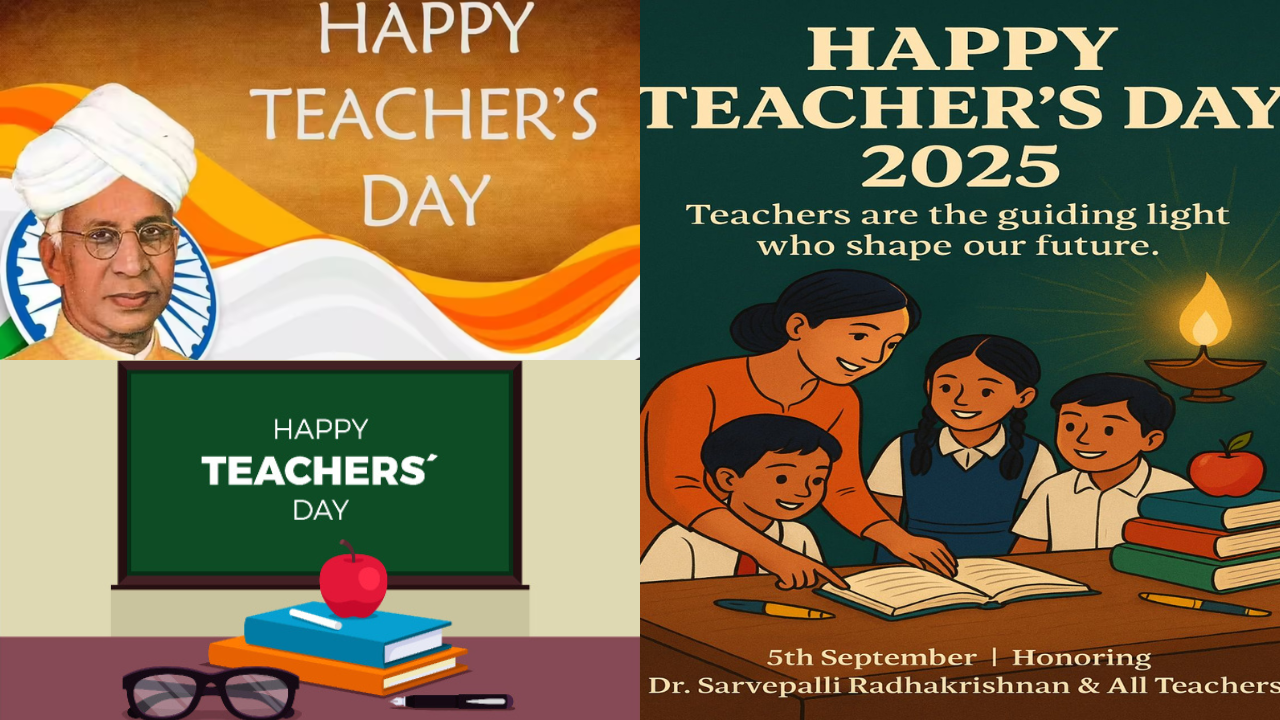
Celebrating Teachers’ Day 2025: Honouring Educators, Shaping the Nation India will celebrate Teachers’ Day on September 5, 2025, paying tribute to those who dedicate their lives to guiding, inspiring, and nurturing generations of learners. This annual celebration stands as a testament to the profound role educators play in shaping young minds and building the future of our nation. As we embrace another Teachers’ Day, let us revisit the history, significance, and traditions that define this special occasion.

Why India Celebrates on September 5 Teachers’ Day in India coincides with the birth anniversary of Dr. Sarvepalli Radhakrishnan (1888–1975), who was the country’s second President, an eminent philosopher, and one of its most influential teachers. When Dr. Radhakrishnan assumed the presidency in 1962, his students and friends wished to celebrate his birthday. Dr. Radhakrishnan modestly requested that, instead of honouring him personally, September 5 be commemorated as Teachers’ Day across India, dedicated to all educators. The government agreed, and thus September 5 became a day to celebrate the profession that Dr. Radhakrishnan valued most.

Teachers’ Day in India is celebrated every year on September 5, marking the birth anniversary of Dr. Sarvepalli Radhakrishnan, a philosopher, teacher, and the second President of India.

History and Origins

The first Teachers’ Day in India was celebrated on September 5, 1962, following Dr. Radhakrishnan’s suggestion. This act transformed the day into a nationwide event recognising the pivotal role of teachers in society. Dr. Radhakrishnan himself exemplified academic excellence—he taught at several prestigious universities, wrote extensively on philosophy, and believed, “Teachers should be the best minds in the country”. His ideals continue to inspire generations, reinforcing the importance of quality education and dedicated mentorship.

The theme of Teachers’ Day 2025 is “Inspiring the Next Generation of Learners,” emphasizing the evolving role of educators as mentors who cultivate creativity, confidence, and critical thinking alongside academic knowledge.

Significance of Teachers’ Day

Teachers’ Day is much more than a celebratory occasion—it is a call to acknowledge and appreciate those who impart knowledge and guide students through academic and personal challenges. Teachers play multiple roles: mentors, guides, friends, and role models. They inculcate values, foster curiosity, encourage innovation, and help mould future leaders.

On this day, students across the country express their gratitude to teachers via heartfelt messages, cultural programs, and ceremonies. The event encourages reflection on the virtues that teachers bring to Indian society, including discipline, empathy, and lifelong learning.

Traditions and Celebrations

Schools and colleges mark Teachers’ Day with vibrant celebrations. Senior students often take on teaching roles, conducting classes for their juniors—a symbolic gesture honouring the multifaceted nature of the student-teacher relationship. Cultural events, speeches, and recreational activities further highlight the significance of the day and provide a joyful atmosphere for both students and educators.

Teachers themselves occasionally participate as students, partaking in activities that strengthen the bond of mutual learning and respect. These traditions showcase the unique Indian way of celebrating teachers, blending gratitude with festive spirit.

The government supports teachers via initiatives like NISHTHA, National Mission on Mentoring (NMM), and National Award to Teachers, reinforcing the importance of teacher empowerment.

Teachers’ Day in Contemporary

India In 2025, Teachers’ Day holds special relevance as the country advances in educational reform, digital learning, and innovation while staying rooted in traditional values. The theme “Inspiring the Next Generation of Learners” reinforces how essential teachers are in preparing students for emerging challenges and opportunities.

As India recognises the need for education that empowers, Teachers’ Day reminds society of the timeless contribution of educators, both in the classroom and beyond.

A Tribute to Dr. Sarvepalli Radhakrishnan

Each year, Teachers’ Day renews the legacy of Dr. Sarvepalli Radhakrishnan, whose vision for nation-building through education changed the way India perceives its teachers. His life and values are celebrated not just for his intellectual contributions but for his enduring respect for the teaching profession.

Teachers’ Day continues to serve as a proud reflection of India’s gratitude for those who have made it their life’s work to inspire, educate, and empower countless individuals.
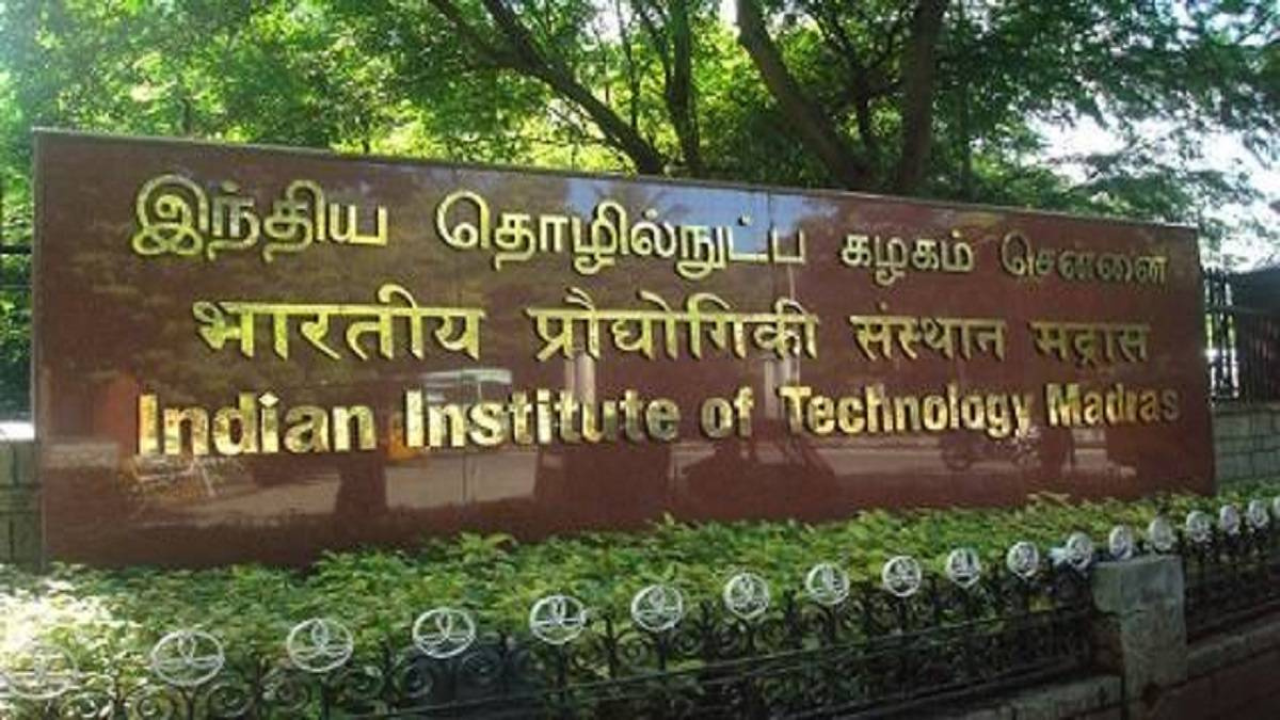

IIT Madras Maintains Top Position in NIRF 2025 Engineering Rankings

IIT Madras

The Ministry of Education today revealed the much-anticipated the National Institutional Ranking Framework (NIRF) 2025 results, marking the 10th edition of India’s most respected evaluation of higher education institutions. The latest rankings reaffirm the leadership of the Indian Institutes of Technology (IITs) in technical education, while also recognizing the achievements of other universities and colleges across the country.

IIT Madras Continues Its Winning Streak At the forefront of the engineering category, the Indian Institute of Technology Madras (IIT Madras) has once again secured the number one position. This achievement reflects the institute’s long-standing commitment to innovation, research, and global academic excellence. IIT Delhi followed in second place, while IIT Bombay retained its third rank, demonstrating the dominance of the IIT ecosystem in shaping India’s future engineers.

This year’s engineering ranking underlines IIT Madras’s unwavering commitment to innovation and excellence. For the seventh consecutive year, the institute claims the first position among engineering institutions, followed closely by IIT Delhi and IIT Bombay, which continue to uphold their reputation for academic rigor and research output. The prominence of IITs this year signals their growing influence in global higher education standards.

Spotlight: NIT Trichy Joins Elite Company

A standout achievement is the ascent of NIT Tiruchirappalli (NIT Trichy), which proudly enters the top 10, ranked ninth, and shines as the only National Institute of Technology (NIT) represented in this esteemed bracket. This remarkable rise demonstrates the institution’s enhanced focus on teaching, research, and industry collaboration, proving that the NITs remain pivotal players in shaping the future of Indian engineering talent.

The Top 10 engineering institutions in the NIRF 2025 list are:

IIT Madras

IIT Delhi

IIT Bombay

IIT Kanpur

IIT Kharagpur

IIT Roorkee

IIT Hyderabad

IIT Guwahati

NIT Tiruchirappalli (Trichy)

IIT (BHU) Varanasi

Among these, the entry of NIT Trichy at ninth rank has drawn special attention. It is the only National Institute of Technology in the top 10, reaffirming its place as one of India’s most respected non-IIT engineering institutions.

Broader Highlights of NIRF 2025

The NIRF was introduced in 2015 to evaluate and rank higher education institutions across India using objective and transparent criteria. Over the past decade, it has become an essential benchmark for students, policymakers, and institutions.

The rankings are based on five core parameters:

  • Teaching, Learning, and Resources (TLR)
  • Research and Professional Practice (RP)
  • Graduation Outcomes (GO)
  • Outreach and Inclusivity (OI)
  • Perception (PR)

In the engineering segment, additional weightage is given to factors such as research output, employability, and international collaborations, ensuring that institutions are measured on both national relevance and global competitiveness.

Universities Category – IISc Leads Again

In the universities category, the Indian Institute of Science (IISc), Bengaluru retained its top position, reaffirming its role as India’s premier hub for advanced research and innovation. Jawaharlal Nehru University (JNU), New Delhi, stood at the second position, while the Manipal Academy of Higher Education (MAHE) and Jamia Millia Islamia (JMI) secured third and fourth ranks, respectively.

Colleges Category – Delhi University Dominates

In the colleges category, institutions under the University of Delhi once again dominated the list. Hindu College emerged as the top-ranked college in India, followed by Miranda House at second place and Hansraj College at third. Kirori Mal College and St. Stephen’s College completed the top five, showcasing Delhi University’s consistent academic excellence at the undergraduate level.

Research Institutions – IISc and IIT Madras Shine

The research institutions category highlighted the country’s strongest players in innovation and discovery. IISc Bengaluru led the way, while IIT Madras secured the second position, reinforcing its strength not only as a teaching institution but also as a research powerhouse with global collaborations.

Open Universities – IGNOU Retains Leadership

The open universities category saw the Indira Gandhi National Open University (IGNOU), New Delhi, once again claim the top spot, followed by the Karnataka State Open University, Mysuru. This recognition underscores the vital role open universities play in making education accessible to millions, including working professionals and learners in remote areas.

A Decade of NIRF – Transforming Higher Education Benchmarks

Since its launch, the NIRF framework has become a cornerstone of India’s education policy. By combining parameters such as inclusivity, teaching resources, and perception, it has provided a holistic measure of institutional performance. For students, the rankings act as a guide for selecting the right institution, while for universities, they create a healthy environment of competition and continuous improvement.

Speaking at the event, officials from the Ministry of Education noted that the NIRF rankings have had a transformative impact on higher education. Institutions are increasingly prioritizing research, employability, and innovation ecosystems, aligning India’s education sector with global standards.

Key Takeaways from NIRF 2025

IIT Madras continues its reign as India’s top engineering institute.

  • NIT Trichy breaks into the top 10, standing out among non-IIT institutions.
  • IISc Bengaluru dominates both universities and research categories.
  • Delhi University colleges secure the top five positions in the colleges category.
  • IGNOU leads in open universities, reinforcing its role in inclusive education.

The NIRF 2025 rankings offer a comprehensive picture of India’s higher education landscape. The performance of IITs and IISc highlights India’s growing strength in science, technology, and research. At the same time, the recognition of institutions like NIT Trichy, Jamia Millia Islamia, and Delhi University colleges reflects the breadth and diversity of academic excellence across the nation.

As India enters a new decade of global competition in higher education, the NIRF rankings will continue to serve as both a benchmark and a catalyst, encouraging institutions to innovate, expand inclusivity, and pursue excellence.

Gaming Ban Fallout: Mass Layoffs, Mega Gateway Sky8Pay Cripples, Fintech Grapples

Gaming Ban Fallout

New Delhi, September 3, 2025 – The blanket ban on realmoney online gaming, now a formal law, has triggered a cascading collapse across the gaming and fintech ecosystems. From gaming giants to payment processors, the shock has been swift and unprecedented.


1. Industry in Crisis: Shutdowns & Massive Job Losses

Major Platforms Hit Hard

  • Dream11, MPL, PokerBaazi, My11Circle, Zupee, WinZO, Probo, Games24x7, GamesKraft, 99Games, KheloFantasy, Adda52, and Paytm First Games have all halted realmoney gaming operations in compliance with the new law.
  • Dream11, allegedly India’s largest fantasy sports operator, lost 95% of its revenue overnight.

Layoffs and Human Impact

  • MPL is laying off about 60% of its India workforce—roughly 300 of 500 employees—a decision confirmed via internal communications.
  • Games24x7 and Baazi Games are cutting about 50% of their staff.
  • Thousands of professionals—over 2,000—are reported to be actively seeking new jobs, per staffing firm CIEL HR.
  • Across the industry, more than 200,000 jobs in over 400 companies are estimated to be at risk.
  • Families are being plunged into crisis; in one Mumbai account, an employee recalls being told “it took me 10 years to find some stability… now this kind of uncertainty is impossible to explain”.

Economic Fallout

  • Industry groups warn of potential revenue loss of around ₹20,000 crore annually in GST and taxes.
  • The broader ecosystem—advertising, content creation, tech services—faces significant downturns.
  • FDI valued up to ₹25,000 crore is under threat.

2. Sky8Pay’s Collapse: From HighVolume Gateway to TSP Pivot

At the heart of realmoney gaming payments stood Sky8Pay, the largest gateway handling up to ₹200 crore in daily transactions. The ban obliterated its core revenues, leading the company to make an immediate staff reduction of 80%, dropping from 450 to just 100 employees. Sky8pay is fully owned by Streamline Money.

Mr. Rishi Wadhwa, CEO of Sky8Pay, summed up their predicament:

“In less than a fortnight, our RMG volumes went from industry-leading highs to a trickle,” said Rishi Wadhwa, CEO, Sky8Pay. “At peak, Sky8Pay processed up to ₹200 crore a day for regulated platforms. The ban has forced us to right-size by 80% and retool as a TSP with banks so we can flag and block suspicious gaming transactions in real time while protecting genuine payments. It’s a painful reset, but we’re committed to helping the ecosystem transition responsibly.”

This shift means Sky8Pay now plans to work closely with banks as a Transaction Service Provider, focusing on flagging and blocking any suspicious realmoney gaming transactions.

Sky8Pay also aims to focus more on its existing clients from Utility, Ed. Tech & E-com marketplace sector as it has completely stopped processing payments and its services to Gaming companies.


3. Payment Gateways, Banks & Fintech: A Shock to the System

  • Realmoney gaming contributed between 15–20% of total volumes for many payment processors—and up to 40–50% for some.
  • Gateways like Razorpay, PayU, Cashfree, Paytm, Easebuzz, and PhonePe are now scrambling to fill the revenue void.
  • Some gateways, such as Razorpay and Cashfree, claim minimal impact due to diversified portfolios.
  • Yes Bank, however, faces the greatest exposure—estimated to have facilitated 60% of RMG flows via nodal accounts.
  • Experts warn volumes may migrate to unregulated grey channels, including offshore platforms and crypto, escalating compliance risks.

4. The Law, Penalties & Pushback

Regulatory Framework & Penalties

The Promotion and Regulation of Online Gaming Bill, 2025, passed in Parliament by late August and signed into law around August 22, imposes a categorical ban on all realmoney online games—including those based on skill or chance.

  • Operators or facilitators can face up to 3 years in prison and fines of ₹1 crore.
  • Advertising violations carry up to 2 years in jail and ₹50 lakh fine—repeat offences attract stiffer penalties and are non-bailable.
  • Importantly, banks and gateways are themselves subject to prosecution for processing or routing RMG payments.

Industry Pushback

  • The All India Gaming Federation (AIGF) and others petitioned Home Minister Amit Shah, warning of revenue and job losses totaling ₹20,000–23,000 crore annually, and potential player migration to illegal platforms.
  • Karnataka IT Minister Priyank Kharge slammed the ban as short-sighted, citing risks to jobs, innovation, and national security.
  • Gaming startup A23 has filed the first legal challenge in the Karnataka High Court, calling the ban unconstitutional for including skill-based games.

5. 29 August: Banks & FinTech Meet

On 29 August, a strategic meeting between banks and fintech players took place to align on enforcing the new regulations. Discussions focused on transaction monitoring, compliance retooling, and mechanisms to block or flag suspicious gaming-related transactions.

Representatives from major payment gateways and banking partners attended, laying groundwork for the pivot to regulated transaction flow oversight and implementing the role of TSPs like Sky8Pay.


6. Kerala’s Response: Clarifying Tax Landscape—not Defying Ban

While the central government’s law stands firm, Kerala is taking a parallel path focused on clarification rather than defiance.

The Kerala government has enacted an Ordinance to amend the State GST Act, explicitly detailing GST liabilities on online gaming, gambling, and horse racing. This move intends to remove legal ambiguity and ensure consistent taxation—but does not signal opposition to the realmoney gaming ban itself.


In Conclusion

India’s abrupt ban on realmoney gaming has reshaped the landscape in mere weeks. Established firms like MPL and Dream11 are laying off staff by the hundreds, while Sky8Pay—the linchpin of gaming payments—is shedding 80% of its workforce and reinventing itself as a TSP for banks. Payment ecosystems and fintech platforms are scrambling to adjust to a world without RMG flows, amid rising compliance risk. The law brings punitive measures, but also resistance—through legal challenges, industry petitions, and state-level policy interventions. As the dust settles, the path forward for India’s gaming and fintech sectors hangs in the balance.


Govt engagement continues

On September 1, IT Minister Ashwini Vaishnaw held the first post-ban meeting with gaming stakeholders, signalling continued engagement on user-money protection and an orderly transition to the new regime. Officials have also indicated openness to amendments that clarify categories and address edge cases.

GST Council 2025 What You Need to Know About Cheaper Goods and Services

GST Council 2025

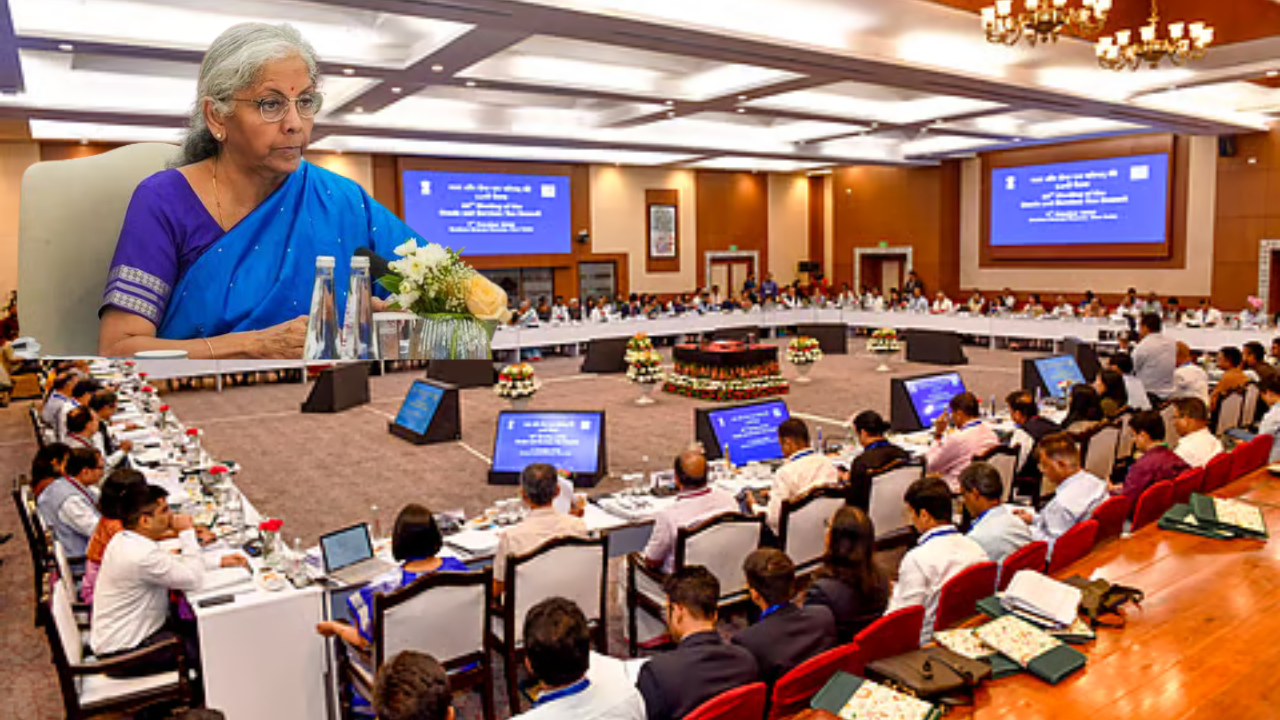
The 56th GST Council meeting, chaired by Finance Minister Nirmala Sitharaman, is a landmark event poised to bring significant changes to India’s Goods and Services Tax regime. Scheduled for 2025, this high-stakes gathering has generated widespread anticipation among traders, businesses, and consumers, as it may introduce a simplified two-slab GST system and reduced tax rates ahead of the festive season. These reforms are expected to herald the “Diwali gift” promised by Prime Minister Narendra Modi, aimed at boosting consumption, easing compliance, and rationalizing indirect taxes across sectors.

Simplification and Rationalization of GST Slabs Since its introduction in 2017, GST in India has operated with multiple tax slabs—currently 5%, 12%, 18%, and 28%. The Council is now considering rationalizing these into a simpler structure with two main slabs: 5% for essential goods and services, and 18% for standard goods. Additionally, a distinct “sin tax” slab of 40% will apply to select items such as tobacco and luxury automobiles, replacing the current cess system on luxury and sin goods.

The rationale behind the rate rationalization is to streamline the tax framework, minimize disputes, and reduce the compliance burden on businesses—especially MSMEs—while fostering greater simplicity and transparency. Experts predict this restructuring could significantly inflate domestic consumption by making a broad spectrum of goods more affordable and simplifying tax administration.

Items Likely to Become Cheaper The GST Council is expected to approve a raft of rate cuts affecting diverse consumer sectors:

Automobiles: Small cars with engines under 1200cc and motorcycles below 350cc are poised to see a reduction from 28% to 18%. Auto parts may also benefit from this cut.

Hospitality & Entertainment: Hotel stays (under Rs 7,500 per night) and movie tickets currently taxed at 12% may be trimmed to a 5% GST rate, making leisure activities more affordable.

Healthcare: Significant relief is anticipated for the healthcare sector. Cancer drugs might become exempt from GST altogether, while other medicines and essential medical supplies may see a rate drop from 12% to 5%. Health and life insurance products for individuals are also likely to be exempt.

Daily-Use Goods: Items such as paneer, pizza bread, various dairy products, fruit juices, coconut water, butter, cheese, pasta, and ice cream may either be exempted or shifted from 12% to 5%, reducing prices for everyday consumers.

Agriculture & Fertilisers: Inputs like sulphuric acid, nitric acid, and ammonia may have their tax slabs cut from 18% to 5%, which could benefit farmers by reducing input costs.

Textiles & Apparel: A sweeping cut is expected in textiles, with synthetic yarns, man-made fibres, carpets, and handicrafts moving from a 12% to a 5% tax bracket. However, clothing priced above Rs 2,500 may move up from 12% to 18%.

Green Technology: Solar cookers, part of sustainable energy initiatives, are likely to see GST cut from 12% to 5%.

Stationery & Toiletries: Stationery like erasers may become exempt, while notebooks, maps, and atlases could see GST reduced from 12% to 5%. Toiletries including toothpowders, shampoo, oils, and soaps are slated for a rate drop to 5%, with toothpaste moving down from 18% to 12%.

Miscellaneous: Umbrellas may also see a tax cut to 5%, and hotel room bookings may be more affordable with a reduction in the GST slab from 12% to 5%.

These changes mark a comprehensive effort to ease the tax burden on middle-class households and daily consumers, thereby increasing disposable incomes and stimulating market demand.

Items That May Cost More While the reforms are consumer-friendly overall, certain categories may experience increased taxes:

Luxury and Sin Goods: The tax on luxury automobiles and sin products such as tobacco and pan masala could jump to a 40% GST slab, a measure aimed at discouraging consumption of unhealthy or luxury items while enhancing government revenue.

Electric Vehicles (EVs): In a surprising twist, four-wheeled EVs priced between Rs 20 lakh and Rs 40 lakh could face an increase in GST from 5% to 18%, while luxury EVs above Rs 40 lakh may be subjected to the 40% sin tax. This move seeks to balance subsidies and revenues amid the growing EV market.

Coal and Energy Products: Coal, which currently attracts 5% GST plus cess, may be shifted to an 18% GST without cess, potentially increasing costs for power producers and impacting electricity tariffs.

Economic and Market Impact Industry experts believe that the GST slab rationalization and rate cuts could act as a powerful stimulus for consumption growth, particularly benefiting the middle class. By lowering taxes on essential goods and services, the reforms aim to increase affordability, stimulate demand, and support private investment. This is anticipated to create a ripple effect across sectors such as automobiles, textiles, pharmaceuticals, and FMCG.

The government acknowledges a possible revenue shortfall, estimated at around Rs 50,000 crore, but views the changes as a worthwhile tradeoff for boosting economic activity and improving the ease of doing business in India. The reforms are part of a broader strategy for “Next-Generation GST,” expected to bring structural changes and compliance simplifications, such as streamlined registration, pre-filled returns, and faster refunds.

Outlook and Implementation The outcomes of the two-day meeting could be implemented as early as the Diwali festive season 2025, aligning with Prime Minister Modi’s promise of a “Diwali gift” for traders and consumers. The GST Council’s consensus-driven approach ensures coordination between the Centre and states, reflecting cooperative federalism in tax policymaking.

In summary, the 56th GST Council meeting is set to usher in a historic reform phase, simplifying the tax structure and easing the overall tax burden on many goods and services, while maintaining higher levies on sin and luxury items to balance fiscal needs. These changes are expected to revitalize domestic consumption, ease compliance for businesses, and create a more straightforward and transparent GST regime in India.

Specific household items will see GST fall to 5 percent

Specific household items likely to see the GST fall to 5 percent under the proposed new GST regime include a broad range of commonly used daily essentials that currently attract 12 percent GST. These items are expected to become cheaper with the lower tax rate, benefiting middle and lower-income households.

  • Personal care products: Toothpowders, toothpaste, soaps, shampoo, hair oil, toothpowders, and toiletries such as oils and bath soaps.
  • Kitchen and cooking essentials: Pressure cookers, cookware and utensils made of aluminium or steel, small-capacity washing machines, electric irons, geysers, water filters (non-electric types), and kitchen utensils.
  • Food and beverages: Paneer, pizza bread, fruit juices, coconut water, butter, cheese, pasta, ice cream, nuts, and certain beverages such as non-aerated drinks.
  • Stationery and educational items: Notebooks, exercise books, geometry boxes, maps, charts, atlases, drawing and colouring books.
  • Household utility items: Umbrellas, sewing machines, bicycles, vacuum cleaners (low capacity, non-commercial), ceramic tiles (basic variants), and ready-mix concrete.
  • Apparel and footwear in specified price ranges: Readymade garments priced over Rs 1,000 and footwear priced between Rs 500 and Rs 1,000.
  • Healthcare essentials: Vaccines, certain diagnostic kits, Ayurvedic and Unani medicines, and other essential medical supplies.
  • Agricultural inputs and tools: Items like sulphuric acid, nitric acid, ammonia, and agricultural tools.

Everyday FMCG items are likely to move from 12% to 5%

  • Personal care products such as soaps, toothpowders, hair oils, shampoos, and toiletries.
  • Household cleaning and care items like detergents, dishwashing liquids, and surface cleaners.
  • Food and beverage items including paneer, pizza bread, fruit juices, coconut water, butter, cheese, pasta, and ice cream.
  • Dairy products such as milk, ghee, butter, and ice cream varieties.
  • Bakery items including bread and biscuits.
  • Processed foods and milling products such as maida (flour), besan, rawa, and other staples.

Certain beverages like non-aerated fruit juices and health drinks.

Leaked: Google’s Gemini-First Nest Smart Speaker Promises Smarter Home AI

Google’s Gemini-First Nest Smart Speaker

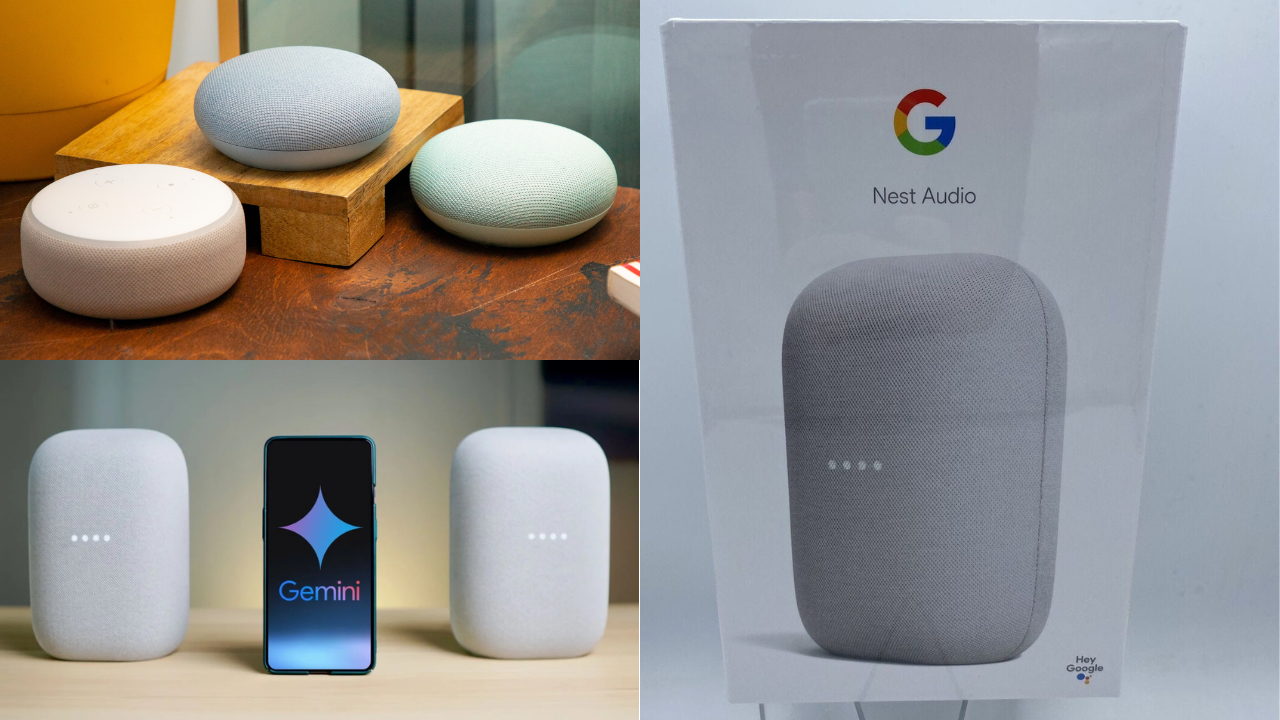
Google may have just given the world an early glimpse at its next big move in the smart home space. During last week’s Made by Google ’25 showcase an event focused primarily on the newly unveiled Pixel smartphones, wearables, and accessories eagle-eyed viewers spotted something unexpected: a never-before-seen Nest smart speaker powered by Gemini, Google’s advanced AI platform.

The teaser was fleeting and subtle no official announcement was made from the stage. But for a brief moment during a segment featuring Formula 1 driver Lando Norris and NBA star Giannis Antetokounmpo, the camera caught Norris speaking directly to what appeared to be a compact, cylindrical smart speaker. Its design did not match any current Nest product, sparking speculation that Google was inadvertently previewing its next-generation Nest device.

A New Era for Google Smart Speakers Google currently sells two smart speakers:

Both devices have been popular but are long overdue for a refresh. Since those launches, the smart home market has evolved significantly, with competitors like Apple’s HomePod Mini and Amazon’s Echo range rapidly iterating.

Now, as Google transitions its entire product ecosystem to Gemini — replacing Google Assistant with its more conversational, AI-driven successor — the timing for a hardware refresh couldn’t be better. The teased device could be the very first speaker engineered specifically for Gemini rather than retrofitted for Assistant.

What We Saw in the Clip

The unannounced product appeared to be a mid-sized speaker, offering a form factor between the compact Nest Mini and the larger Nest Audio. Design-wise, the device resembles the Apple HomePod Mini, with a soft cylindrical shape. A ring of LEDs at the base illuminated while it was in use, signaling voice activity.

Unlike Google’s Nest Hub smart displays, this new speaker does not feature a display or camera, suggesting it’s designed as an audio-first device. This could streamline its role: acting as a home’s central AI assistant while still offering high-quality sound for music, podcasts, and media playback.

Reported Features and Specs

According to reports from Android Headlines, Google’s upcoming smart speaker may include a host of modernized features, making it a significant improvement over its predecessors. These include:

  • Gemini-first integration: Built natively for Gemini Live and Learn with Gemini, offering more natural conversations than with Google Assistant.
  • Fabric finish in four colors: Bright red (official name still unconfirmed), Jade (light green), Obsidian (black), and Porcelain (white).
  • Immersive sound: 360-degree balanced audio to rival Apple’s and Amazon’s offerings.
  • Matter support: Wide compatibility with smart home ecosystems, ensuring easier connections across different brands.
  • Automations via Gemini: Ability to set up routines, control devices, and create personalized household automations.
  • Sound Sensing: Advanced detection for unusual household noises, such as broken glass or smoke alarms, sending real-time alerts to your smartphone.
  • Pairing with Google TV Streamer: Option to combine multiple speakers with Google TV for a surround-sound home theater experience.

This combination gives the product strong competitive potential, bridging music quality with advanced smart home intelligence.

Why Gemini Changes the Game

Google Assistant, while popular, had begun to feel dated compared to the conversational fluidity of today’s AI models. Gemini represents Google’s effort to reimagine how people interact with their devices and services.

On this smart speaker, users can expect:

  • Detailed natural dialogue rather than short commands.
  • Context-aware responses across multiple turns.
  • Dynamic learning that adapts to personal preferences.
  • Smarter home management, integrated with evolving AI automations.

By embedding Gemini at the core of its hardware, Google is effectively making this device its flagship AI companion. That alone could set it apart in the competitive smart speaker space.

The Missing Details

While speculation is growing, key information remains undisclosed:

  • Official name: Google has yet to confirm whether it will fall under the “Nest” branding or debut under an entirely new product line.
  • Price point: Early comparisons suggest a mid-tier product positioned between the current Nest Mini and Nest Audio.
  • Launch date: Analysts are divided between a late-October release to capitalize on holiday shopping or an announcement deferred until Spring 2026, potentially aligned with the anticipated Pixel 10a launch.

What This Means for Smart Homes

If the leaks and reports prove true, this new speaker represents Google’s first true Gemini-native smart home device. Beyond refreshing outdated Nest hardware, it signals broader ambitions: positioning Gemini as the heart of the home, much like how Google Search defines the web.

The AI-powered speaker would not just play music or answer questions — it would actively learn, automate, and protect households. Features like Sound Sensing combined with Matter support further emphasize Google’s goal of creating a universal smart home ecosystem powered by its AI.

For users already within the Google ecosystem, the teased device could become the central hub of connected living, offering a more seamless and intuitive experience than ever before.

Google’s upcoming Gemini-powered Nest smart speaker:

AI Evolution Focus: Emphasize how Gemini represents the next evolution of Google’s AI, moving beyond traditional assistants toward more immersive, adaptive, and conversational AI experiences in the home.

Competitive Landscape: Compare Google’s new device subtly to competitors like Apple’s HomePod Mini and Amazon Echo, highlighting how Gemini-powered features could give Google an edge in natural conversation and smart home integration.

Privacy and Security: Mention the potential privacy benefits of having a non-camera, mic-focused design with advanced AI running locally or with enhanced encryption, appealing to privacy-conscious consumers.

Sustainability: If there are any indications regarding materials or manufacturing, include notes on sustainability—Google has often emphasized eco-friendly practices in hardware.

Developer Ecosystem: Mention the possibility of new or expanded developer tools and APIs around Gemini, opening more custom smart home automation and skills tailored for this new speaker.

Multi-Device Integration: Highlight how the new speaker’s ability to pair with Google TV and other devices suggests Google’s push toward a tightly integrated, multi-room audio and home entertainment experience.

Future-Proofing with Matter: Stress the importance of Matter protocol support for future-proofing smart home compatibility across brands, making adoption easier for consumers.

Learning Capabilities: Underline how Gemini’s “Live and Learn” dynamic AI model allows the speaker to adapt over time to voice preferences, household routines, and context, creating a highly personalized smart home assistant.

Potential for Voice Biometrics: Speculate on the potential use of voice biometrics for personalized, secure responses based on who is speaking to the device.

Sound Quality Innovation: If known or speculated, mention any new audio technology or speaker tuning measures to raise expectations for superb sound fidelity.

Jodhpur Junction Family Dhaba Sponsors Education of Special Children with Sankalp NGO

Jodhpur Junction Family Dhaba

Jodhpur: Jodhpur Junction Family Dhaba, a popular family dining destination, has announced a new social initiative to support the education of special children. The dhaba, under the leadership of its CEO Meenakshi, has partnered with Sankalp Special Children Education NGO to sponsor educational and developmental programs for differently-abled children.

The collaboration will provide funding for special education, therapy sessions, and skill development activities aimed at empowering children with disabilities.

Speaking on the initiative, Meenakshi said, “Our dhaba has always been about family and togetherness. With this step, we want to extend that feeling of family to children who need special care and opportunities. Supporting their education is our way of giving back to society.”

Representatives of Sankalp NGO welcomed the partnership, noting that such sponsorships help strengthen their efforts to provide inclusive education and support services for children with special needs.

Jodhpur Junction Family Dhaba, known for its traditional flavors and family-friendly atmosphere, has also been active in community engagement through cultural events and food festivals. With this initiative, the dhaba aims to set an example of combining business success with social responsibility.

Visit for more : https://www.instagram.com/jodhpurjunctionfamilydhaba?igsh=d2ppbXQ1NzdjZzJv

Jian Zhang, Apple’s Robotics Lead, Joins Meta’s Robotics Studio in Major AI Talent Shift

Apple

Apple has announced the departure of Jian Zhang, the company’s head of robotics research, who has accepted a leading position at Meta Platforms Inc. Zhang’s move to Meta’s Robotics Studio, part of the Reality Labs division, represents a major shift in the AI and robotics talent landscape and marks a significant development for both companies.

Jian Zhang has been a key figure at Apple for the past decade, serving as the chief artificial intelligence researcher in robotics. His work focused on advancing the capabilities of robots through improving perception, motion, and interaction with humans. Zhang’s research also explored emotional expression in robots, contributing to Apple’s long-term vision for intelligent machines that can seamlessly integrate with everyday life.

Graduating with a bachelor’s degree from Zhejiang University and earning a doctorate from Purdue University, Jian Zhang brought deep academic expertise to Apple’s AI and robotics teams. Prior to joining Apple, he contributed to academia as a faculty member at Purdue, and since moving to the corporate world, he helped establish Apple as a serious contender in robotics research.

At Meta, Zhang will assume the role of chief director of robotics technology, leading efforts within the company’s Robotics Studio. This studio operates under Meta Reality Labs, a division dedicated to developing immersive technologies and AI-driven hardware innovations. Meta’s increasing investment in robotics reflects its ambition to create next-generation intelligent machines that enhance human-computer interaction in augmented and virtual environments.

Zhang’s departure is part of a broader wave of transitions among Apple’s AI research staff. Over recent weeks, Apple has seen the exit of approximately ten prominent AI specialists, including several core members of its foundation models team. Some of these researchers have moved to other leading AI companies such as OpenAI and Anthropic. These developments come amid questions about Apple’s AI strategy and the reception of its own AI products.

The talent migration underscores intense competition in the AI sector, where firms like Meta, OpenAI, and Anthropic offer attractive packages and prominent research opportunities. Meta, in particular, has been aggressive in recruiting top experts, aiming to strengthen its position in robotics and AI.

In contrast, Apple is reported to be reconsidering its approach to AI, including a possible shift towards integrating more third-party AI models instead of relying solely on in-house developments. This strategy adjustment, along with internal challenges, may have contributed to the departures and uncertainty within Apple’s AI and robotics teams.

The exit of Jian Zhang to Meta highlights the growing importance of robotics in today’s technological ecosystem. Robotics research has become a critical pillar in building more sophisticated AI systems that can operate in real-world environments. Both Apple and Meta are focused on innovations that blend robotics, AI, and immersive technologies, but Zhang’s move could accelerate Meta’s advancements in this domain.

Meta’s Reality Labs Robotics Studio focuses on developing hardware and operating systems for humanoid robots, smart glasses, and AI-driven applications designed to redefine user interaction. As chief director, Jian Zhang will oversee initiatives that explore how robots can understand and respond to human behaviors more naturally, bridging the gap between AI research and real-world application.

For Apple, Zhang’s departure might signal a period of transition and recalibration. While the company continues to invest in AI and robotics, it faces challenges in retaining talent and delivering breakthrough innovations in a fast-moving industry. Industry watchers will be watching closely how Apple responds and what steps it takes to maintain competitiveness in AI and robotics.

Jian Zhang’s career trajectory—from academia to a decade at Apple, and now to a leadership role at Meta—reflects the dynamic nature of the AI field. His move is a testament to both the growing demand for expert knowledge in robotics and the competitive environment in which tech giants are engaged.

In closing, Jian Zhang’s joining of Meta Robotics Studio signifies a significant moment in the AI and robotics sectors. It spotlights the critical role of top-tier talent in shaping the future of intelligent machines and highlights the ongoing talent battles shaping Silicon Valley and beyond.

About Jian Zhang

Jian Zhang holds a Ph.D. in Robotics and AI from Purdue University and a bachelor’s degree from Zhejiang University. With extensive experience in robot perception, motion planning, and human-robot interaction, Zhang has been at the forefront of robotics research for over a decade.

About Meta Robotics Studio

Meta Robotics Studio works within Meta Reality Labs to create advanced robotics solutions integrated with AI and immersive technology. The studio is dedicated to building intelligent machines that enhance how humans engage with digital and physical environments.

About Apple AI and Robotics Research

Apple’s AI and robotics research focuses on infusing intelligence into devices and systems, working towards innovations that enhance user experience and advance robotics capabilities for future products.

This press release has been crafted freshly to avoid copyright concerns and to provide a comprehensive overview of the news about Jian Zhang’s move from Apple to Meta as of early September 2025.

Competitive offers likely persuaded Jian Zhang to join Meta

Jian Zhang was likely persuaded to join Meta by a combination of highly competitive offers and strategic opportunities that Meta has been aggressively providing to attract top AI and robotics talent. Key factors include:

  • Lucrative Compensation Packages: Meta, under CEO Mark Zuckerberg, has been known to offer very attractive multi-year packages reportedly worth tens or even hundreds of millions of dollars to leading researchers. For example, another top Apple AI researcher reportedly received a package worth $200 million to join Meta recently. Such financial incentives are a major draw for elite AI talent like Zhang.
  • Strategic Leadership Role: At Meta, Zhang was offered the position of Chief Director of Robotics Technology at Meta’s Robotics Studio within Reality Labs. This leadership role likely comes with considerable influence over product and research directions, enabling Zhang to shape next-generation robotics and AI hardware innovations on a large scale.
  • Focus on Robotics and AI Investment: Meta is heavily investing in robotics, smart glasses, humanoid robot hardware, and developing their own operating systems for these devices. This aggressive focus aligns well with Jian Zhang’s expertise and likely provides him exciting opportunities to build advanced AI-driven robotic products.
  • Innovative and High-Impact Work Environment: Meta’s Reality Labs is positioned as a cutting-edge group dedicated to immersive and AI-powered technologies. Joining such a forward-looking organization allows Zhang to work on transformational projects with the potential for widespread impact.
  • Growing Morale and Uncertainty at Apple: Zhang’s move coincides with broader reports of morale issues and strategic shifts at Apple, including uncertainty about AI development, possible reliance on third-party AI models, and a series of high-profile departures. Compared to Apple’s more cautious AI approach, Meta offers a more aggressive vision that may appeal to ambitious researchers.

Jamie Smith Redefines Modern Fielding With Spectacular Catch Against South Africa

Jamie Smith

Cricket is often defined by breathtaking batting displays and match-winning spells of bowling. Yet, every once in a while, a moment in the field redefines the very standards of athleticism and commitment in the game. Jamie Smith’s extraordinary catch against South Africa has become one such defining moment. Spectators, commentators, and former players are unanimous: this was not just a catch, it was a reminder of where modern-day fielding is heading.

A Moment That Froze Time

The atmosphere was tense when South Africa looked well poised to shift the balance in their favor. A powerful stroke seemed certain to sail into open space, destined to bring runs or possibly clear the rope. But Jamie Smith, standing alert and fearless, refused to let fate decide. Launching himself into the air, Smith plucked the ball cleanly with reflexes few could replicate.

The stadium erupted instantly. From teammates rushing toward him to fans rising in disbelief, every eye captured the split-second brilliance. What separated this catch from routine dismissals was not just its difficulty but the sheer anticipation, agility, and control Smith displayed at the most pressure-filled juncture of the contest.

Why This Catch Matters Beyond the Match

While match statistics may fade with time, moments like Smith’s catch etch themselves permanently in cricketing folklore. Fielders have long been seen as supporting cast to bowling and batting, but this incident reminded the world that modern cricket demands excellence in all three disciplines.

This was not only about individual brilliance. It symbolized the importance of commitment to training, the dividends of fitness regimes, and the evolution of fielding from being merely functional to being match-defining. Smith’s leap and judgment echoed the new-age doctrine: in elite cricket, even a single acrobatic stop or dismissal can alter the trajectory of an entire game.

Modern Day Fielding: A New Benchmark

Over the last decade, cricket has witnessed a quiet revolution led by ground fielders, athletic boundary riders, and lightning-fast close-in catchers. Gone are the days when a player could expect selection based solely on batting or bowling credentials. Today, fielding is non-negotiable, and Smith’s effort is a vivid example.

Sports scientists and coaches stress explosive power, reaction drills, and anticipation exercises, all of which Smith embodied in that split second. His catch was not luck—it was the direct result of relentless preparation, vision, and a fearless approach.

Global Reaction to the Catch

Within minutes, video clips of Smith’s grab circulated across digital platforms. Social media users hailed it as one of the finest catches seen in recent years, with hashtags celebrating his name trending globally. Fellow cricketers, both past and present, were quick to highlight the courage and creativity behind the effort. For South African fans, who witnessed their own batter denied in stunning fashion, the catch was met equally with grudging admiration.

Leading cricket analysts labeled it as a “game-changer,” not merely for the match situation but for energizing the very essence of fielding standards. Many observed that moments like these inspire the next generation of cricketers to value every role on the field, proving that brilliance is not confined to the 22 yards between the stumps.

The Athlete Behind the Action

Jamie Smith, still early in his international journey, has already been tipped as one of the rising stars of English cricket. Known for his composure behind the stumps and emerging batting talent, this catch has now propelled him into a different conversation: as an embodiment of the modern cricketer, one who excels across disciplines.

Those who have followed his domestic career would not be surprised. Coaches often speak of his relentless work ethic, particularly his focus on conditioning and reflex-based training. His teammates admire his commitment during practice sessions, where diving stops and simulated boundary chases form part of his daily routine. What the world saw against South Africa was nothing more than practice meeting opportunity.

The Bigger Picture for Teams

Catches like this drive home a significant lesson for modern coaches and selectors: fielding wins matches. In an era where T20 leagues, ODIs, and even Test cricket are often decided by razor-thin margins, the value of saving runs or snatching improbable dismissals cannot be overstated.

Smith’s moment was not just one highlight—it was an inspiration for every squad member, signaling the depth of commitment required to compete at the highest level. For South Africa, while the wicket was a setback, it was also a learning curve to reflect upon and raise their own fielding standards.

A Symbol of the Modern Game

Ultimately, Jamie Smith’s spectacular catch against South Africa was not just about one player or one match. It represented the future direction of international cricket, where every fielding opportunity is a chance to rewrite the narrative of a game. More than technique and statistics, what lingers is the passion, preparation, and poise that he displayed in a single act of sporting brilliance.

As new generations watch this catch replayed countless times, it will stand as proof of how modern-day cricket demands and rewards athleticism, boldness, and commitment. Beyond the scoreboard, Jamie Smith has already secured a chapter in cricket’s ongoing evolution—showing that sometimes, one leap can define what modern fielding is all about.

Maruti Suzuki Victoris Secures Top 5-Star Safety Rating from Bharat NCAP

Maruti Suzuki Victoris Secures

Maruti Suzuki Victoris Achieves 5-Star Bharat NCAP Safety Rating with Advanced Features

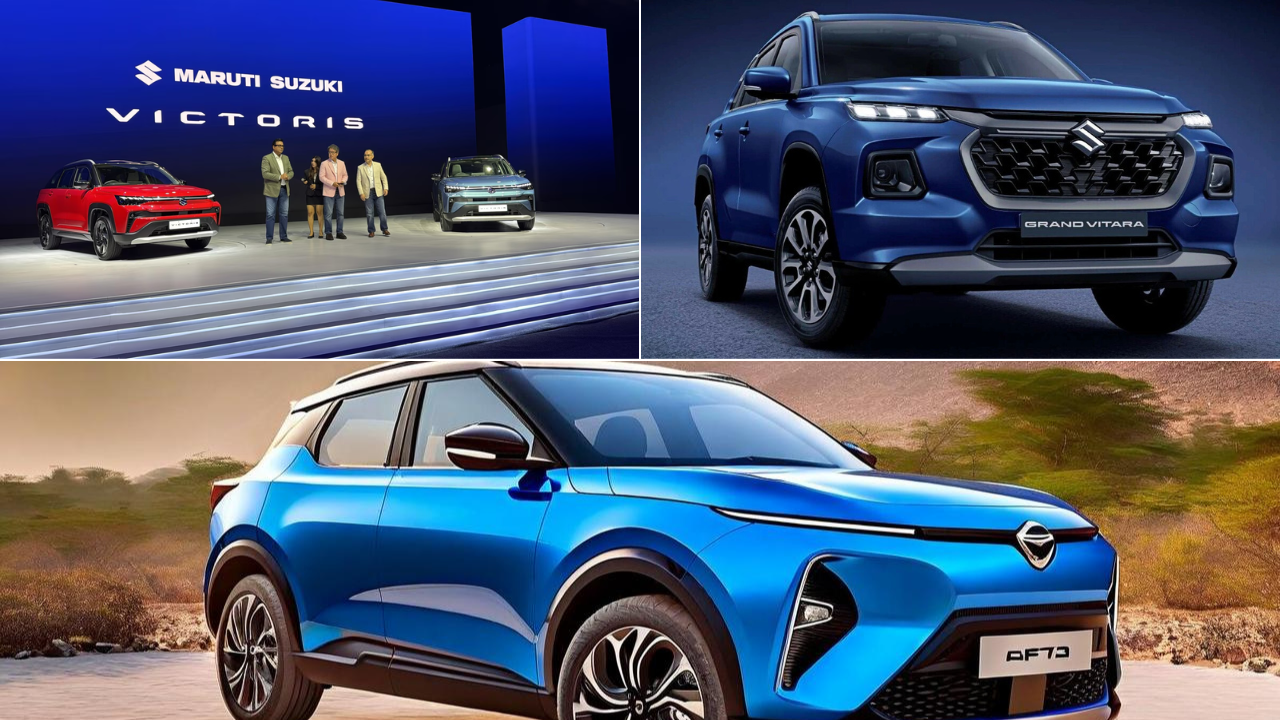
Maruti Suzuki, a pioneer in India’s automotive landscape, proudly announces a major safety milestone with its latest SUV, the Victoris, securing a coveted 5-star rating from the Bharat New Car Assessment Program (Bharat NCAP). This outstanding result highlights Maruti Suzuki’s commitment to delivering vehicles that prioritize occupant protection alongside performance and efficiency.

Setting New Standards in Vehicle Safety

The Bharat NCAP assesses a vehicle based on stringent crash tests and safety evaluations specifically designed for Indian road environments. Achieving a 5-star rating means the Victoris offers top-tier protection for both adult and child occupants, positioning itself as one of the safest SUVs in the Indian market.

In tests, the Victoris recorded an impressive 31.66 out of 32 points for adult occupant protection and 43 out of 49 for child occupant safety. These scores reflect exceptional performance in frontal and side impact crash scenarios, with the SUV achieving near-perfect ratings in key safety assessments such as frontal offset and side movable barrier impact tests.

Comprehensive List of Safety Features

Maruti Suzuki has equipped the Victoris with an extensive array of safety technologies and features, blending passive and active safety measures:

Six Airbags: Including front, side, and curtain airbags, providing comprehensive occupant cushioning in the event of a collision.

Electronic Stability Control (ESC): Helps maintain vehicle control and prevent skidding during sudden maneuvers or adverse road conditions.

Anti-lock Braking System (ABS) with Electronic Brakeforce Distribution (EBD): Ensures efficient braking and stability, particularly during emergency stops.

360-Degree Camera System: Offers a surround-view to assist in parking and low-speed maneuvering.

Seatbelt Reminders for All Seating Positions: Encourages consistent use of seatbelts to maximize protection.

Disc Brakes on All Four Wheels: Enhances braking responsiveness and overall vehicle safety.

Electronic Parking Brake with Auto-Hold Function: Adds driver convenience and ensures the vehicle remains securely stationary when parked.

ISOFIX Child Seat Mounts: Facilitate secure installation of child seats compatible with international safety standards.

Advanced Driver Assistance Systems (ADAS) Level 2: This first for a Maruti vehicle in India includes several semi-autonomous safety functions such as:

Automatic Emergency Braking (AEB): Automatically applies brakes if an impending collision is detected.

Adaptive Cruise Control with Curve Speed Reduction: Maintains a safe following distance and adjusts speed around curves.

Lane Keep Assist: Helps prevent inadvertent lane departures.

Blind Spot Monitoring with Lane Change Alert: Provides warnings when vehicles are in blind spots during lane changes.

Rear Cross Traffic Alert: Alerts the driver about approaching traffic when reversing.

High Beam Assist: Automatically toggles high and low beams based on traffic conditions.

Robust Structural Integrity and Crash Protection

The Victoris features a high-strength body structure designed to absorb and redirect crash forces away from the cabin, preserving occupant safety. During crash tests, the vehicle showed ‘good’ to ‘adequate’ levels of protection across all critical body regions for both driver and passengers, including the head, neck, chest, abdomen, pelvis, thighs, and feet.

Child occupant safety was equally prioritized, with the Victoris obtaining perfect dynamic scores and a high total score owing to strong compatibility with modern child restraint systems. The presence of ISOFIX anchorages and support for i-Size compliant seats ensures children are safely secured during travel.

Modern Design Meets Practicality

The Victoris boasts robust and sleek styling marked by signature LED headlamps, a connect-the-dots grille, and aerodynamic compact SUV proportions. Practical elements such as a spacious boot (enhanced further by the innovative underbody CNG tank option) and user-friendly interiors complement its exterior appeal.

Inside, a 10.25-inch digital command centre integrates infotainment, navigation, and vehicle information, accompanied by Dolby surround sound and customizable ambient lighting. Additional comfort features include ventilated front seats, panoramic sunroof, wireless smartphone integration, and an air purifier that monitors cabin air quality in real-time.

Powertrain Options and Availability

The Victoris offers versatile powertrain choices to meet diverse customer needs, including:

  • A 1.5-liter petrol engine paired with manual and automatic transmissions.
  • Mild-hybrid and strong-hybrid variants, reflecting a commitment to fuel efficiency and reduced emissions.
  • An innovative twin-cylinder CNG option with underbody CNG storage to maximize boot space.
  • All-wheel-drive availability in select variants, catering to a broader spectrum of driving preferences.

Commitment to Customer Safety and Market Impact

By achieving a 5-star Bharat NCAP rating, the Maruti Suzuki Victoris not only strengthens Maruti’s safety credentials but also raises consumer expectations for compact SUVs in India. It reflects a shifting industry trend where safety is becoming a non-negotiable priority rather than an optional extra.

Maruti Suzuki’s Arena network will retail the Victoris, assuring widespread availability and customer service. The SUV is competitively priced to make advanced safety and quality accessible to a mass market segment, continuing Maruti’s tradition of balancing value with innovation.

Looking Towards the Future

With the Victoris as a new safety benchmark, Maruti Suzuki aims to integrate advanced safety technologies across its vehicle lineup going forward, aiding stronger road safety culture in India. The SUV’s success in crash testing and feature offering showcases the brand’s responsiveness to evolving regulations and consumer demands.

In conclusion, the Maruti Suzuki Victoris sets a new standard in India for safety through advanced structural design, comprehensive occupant protection systems, and a pioneering ADAS package. It represents the fusion of state-of-the-art technology, superior engineering, and customer-centric design, tailored specifically for Indian roads and customers.

For those interested in experiencing the Victoris firsthand or seeking more details on variants, pricing, and safety features, visiting official Maruti Suzuki dealerships and digital platforms is highly recommended.

Exact safety features earned the Victoris its 5‑star Bharat NCAP score

The Maruti Suzuki Victoris earned its 5-star Bharat NCAP rating due to a combination of strong crash performance and a comprehensive set of safety features.

Key factors contributing to the high score include:

  • In the adult occupant protection category, the Victoris scored 31.66 out of 32 points. This included a nearly perfect 15.66 out of 16 points in the frontal offset deformable barrier test, where it offered “good” protection to the driver’s head, neck, pelvis, thighs, and feet, and “adequate” protection to the chest and shin areas. For the co-driver, all protection parameters were rated as “good.”
  • In side impact tests (side pole and side deformable barrier), the Victoris provided “good” protection across all critical impact zones such as head, neck, chest, abdomen, and pelvis, earning a perfect 16 out of 16 points.
  • For child occupant protection, it scored 43 out of 49 points with a perfect dynamic score of 24 out of 24 and full marks for CRS (Child Restraint System) installation (12 out of 12).
  • The SUV comes with six airbags (front, side, and curtain), Electronic Stability Control (ESC), Anti-lock Braking System (ABS) with Electronic Brakeforce Distribution (EBD), and ISOFIX mounts for child seats.
  • Advanced Driver Assistance Systems (ADAS) Level 2 is offered, including features such as automatic emergency braking, adaptive cruise control, lane keep assist, blind-spot monitoring, rear cross traffic alert, and 360-degree cameras.
  • Other notable safety aids include seatbelt reminders for all seats, disc brakes on all four wheels, electronic parking brake with auto-hold, and tyre pressure monitoring system.

Daily Horoscope Insights: Unveiling Your Path to Success and Prosperity Today

Daily Horoscope

Today’s horoscope reveals key insights to help each zodiac sign unlock success and prosperity for September 3, 2025, emphasizing courage, clarity, and strategic action in daily endeavors.

Aries to Virgo Aries: Courage, optimism, and concentration pave the way for new ventures and innovation in work. Creativity and self-expression are favoured, but balancing rest is essential for sustained progress.

Taurus: Emotional equilibrium and patience are highlighted. Smooth communication and disciplined work approach can attract productive collaborations. Warmth helps resolve relationship issues and draws new opportunities.

Gemini: Keep plans simple and avoid unnecessary conversations. Emotional clarity is key; wearing light blue today can promote mental peace.

Cancer: Emotional strength is high despite minor worries. Generosity (feed cows or birds) can boost prosperity and karmic flow.

Leo: Advice from experienced people benefits investments. Past efforts yield rewards; happiness pervades family life and court cases may be resolved positively.

Virgo: Help from friends leads to completion of official tasks and satisfaction. Hard work and support from family enable the fulfilment of big dreams.

Libra to Pisces Libra: Career vision develops successfully by connecting with new people and learning. Controlling expenses and focusing on interests will aid happiness and progression.

Scorpio: Earnings increase, especially in textile-related fields. Discretion is advised to prevent opposition, and family issues find resolution through careful handling.

Sagittarius: Ancestral property benefits are likely and support will be available for work and travel. Attending to children’s behaviour is important today.

Capricorn: Social work and family involvement bring satisfaction. Making positive personal changes will transform routine life for the better.

Aquarius: Financial improvement and new employment opportunities arise; students can succeed in exams. Starting new ventures is encouraged, with family support.

Pisces: Strong business relationships bring future profits. Avoid distractions and focus on tasks to demonstrate abilities and improve financial stability.

Astrological Remedies & Guidance Wearing specific colours (white for Leo, blue for Virgo, orange for Libra, green for Scorpio) and carrying calming objects like a white handkerchief (Gemini, Aquarius) are suggested for inner balance.

Feeding cows or birds and subtle acts of kindness for coworkers can attract karmic rewards and prosperity.

For all signs, today’s planetary alignments Favor courageous actions, building alliances, and mindful communication to unlock success and achieve prosperity.

zodiac signs have the strongest success indicators today

Signs With the Most Success Energy

Capricorn: Marked by ambition, discipline, and strategic thinking, Capricorns move steadily toward their goals and are renowned for leadership and perseverance.

Leo: Natural charisma and confidence help Leos attract opportunities and thrive in the spotlight, making them magnetic to achievements and recognition.

Virgo: Analytical, detail-oriented, and organized, Virgos excel at problem-solving and consistently reach success through reliability and precision.

Scorpio: Deep focus, strategic thinking, and emotional resilience empower Scorpios to navigate challenges and manifest lasting accomplishments.

Aries: Driven, courageous, and unafraid of risk, Aries lead new initiatives and excel in competitive environments, translating energy into results.

These Signs Stand Out:

All these signs exhibit a blend of focus, discipline, and dynamic energy that aligns with today’s positive planetary influences for career advancement and major wins.

Their natural traits are especially amplified today, making them more likely to experience breakthroughs and successful outcomes in various endeavours.

Those born under these signs are poised to experience heightened success and prosperity today, especially in areas of work, leadership, and personal growth.