Sunday, September 27, 2026
Home Blog Page 68

TVS NTORQ 150 Review India’s First Hyper Sport Scooter for Gen Z

TVS NTORQ 150

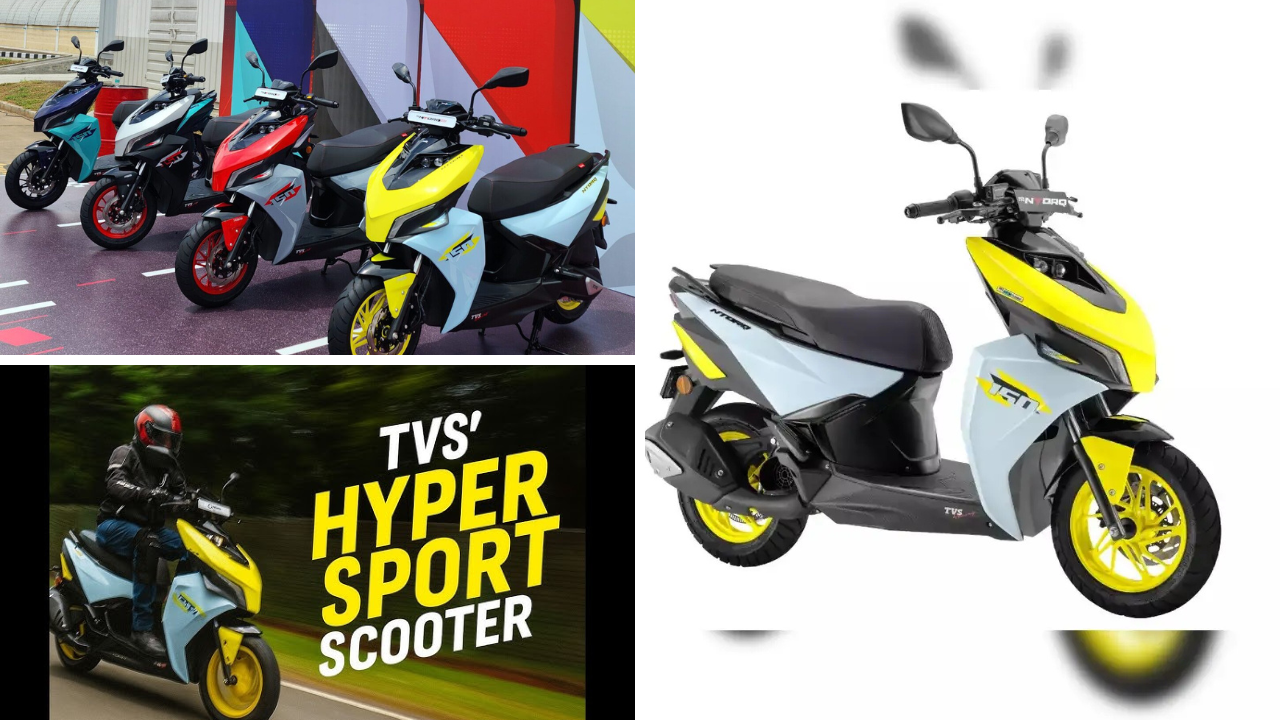
The TVS Ntorq 150 is India’s first hyper sport scooter specially designed for Gen Z riders, launched by TVS Motor Company. This scooter features a sharp and aggressive design with dual-projector LED headlights and sporty body panels that give it a bold presence. Powered by a 149.7cc air-cooled single-cylinder engine, it delivers 13.2 PS of power and 14.2 Nm of torque, promising a top speed of around 104 km/h and quick acceleration. The Ntorq 150 is packed with advanced features including a hybrid LCD + TFT or full TFT digital display with smartphone connectivity, ride modes (Street and Race), Bluetooth integration for call and music control, traction control, and OTA updates on the top variant. Practical aspects like 22 liters of under-seat storage, adjustable brake levers, and a comfortable riding stance make it suitable for daily commutes and sporty rides alike. It competes with scooters like the Yamaha Aerox 155 and Hero Xoom 160 in the performance scooter segment, making it a feature-rich and performance-focused choice for young riders.

Key specs make the NTORQ 150 a “hyper sport” scooter

The key specs that make the TVS NTORQ 150 a “hyper sport” scooter include:

A powerful 149.7cc, air-cooled, 3-valve engine producing 13.2 PS of power and 14.2 Nm of torque, enabling quick acceleration with 0-60 km/h in 6.3 seconds and a top speed of 104 km/h.

Two riding modes: Street and Race, allowing riders to customize throttle response and power output.

Advanced tech features like the TVS SmartXonnect system with over 50 connected features including Alexa and smartwatch integration, turn-by-turn navigation, live vehicle tracking, and OTA updates.

Safety systems including single-channel ABS and a segment-first traction control system for better control on varying road conditions.

Sporty and aerodynamic design inspired by stealth aircraft, with quad-projector headlamps, aerodynamic winglets, and colored alloy wheels.

A high-resolution 5-inch full-color TFT instrument cluster (on the top variant) providing detailed ride information and connectivity.

These performance, technology, and design elements combine to deliver a hyper sport experience tailored for enthusiastic, tech-savvy riders seeking both sporty performance and modern connectivity.

The NTORQ 150 differ from the NTORQ 125 in design:

The TVS NTORQ 150 differs from the NTORQ 125 in design through several key updates while retaining the overall design ethos of the smaller model. The NTORQ 150 features a more aggressive and edgy look with a naked handlebar, four horizontally-stacked projector LED headlights, and small aerodynamic winglets on the front apron that also aid performance. The LED tail lamp is redesigned as a sporty split unit with a distinctive “T” shape, differentiating it from the 125’s rear light design.

The NTORQ 150 carries larger, more muscular plastic panels giving it a robust stance, and it offers new color options including bold hues like Nitro Green. Despite these changes, it is not significantly bigger in terms of overall proportions compared to the NTORQ 125. The build quality is premium with well-finished plastics and switchgear.

Additionally, the NTORQ 150 comes with more sporty design elements like colored alloy wheels and a sportier stubby muffler, highlighting its hyper sport character. Some design details are inspired by stealth aircraft aesthetics, enhancing its aggressive appeal.

Overall, while the NTORQ 150 builds on the foundation of the NTORQ 125, it comes with a distinctly sportier, sharper, and more premium design.

Specific exterior parts differ between the NTORQ 150 and NTORQ 125

The specific exterior parts that differ between the TVS NTORQ 150 and NTORQ 125 include:

Headlights: The NTORQ 150 features a distinctive quad LED projector headlamp setup, whereas the NTORQ 125 has a single LED headlight.

Front apron: The NTORQ 150 has small aerodynamic winglets on the front apron that add a functional aero aid, which are absent on the NTORQ 125.

Handlebar: The NTORQ 150 sports an exposed motorcycle-style handlebar for a sportier look, compared to the covered handlebar on the NTORQ 125.

Tail lamp: The NTORQ 150 has a split-type LED tail lamp with a signature “T” shape design, whereas the NTORQ 125 has a simpler LED tail lamp.

Wheels: The NTORQ 150 comes with coloured alloy wheels highlighting its sporty character, unlike the plain silver alloys on the NTORQ 125.

Muffler: The NTORQ 150 has a sportier, stubby muffler design compared to the longer exhaust on the NTORQ 125.

Body panels: The NTORQ 150 has sharper lines, more cuts, creases, and muscular body panels compared to the NTORQ 125’s smoother design.

Colours: The NTORQ 150 offers more vibrant and bold colour options, including Nitro Green, which are not available for the NTORQ 125.

These changes create a more aggressive, hyper sport scooter aesthetic for the NTORQ 150, while the NTORQ 125 has a more standard sporty scooter look.

TVS add winglets and exposed handlebar on the NTORQ 150

TVS added aerodynamic winglets on the NTORQ 150 not just for style but for practical reasons. The winglets generate downforce at the front, which helps improve high-speed stability and overall ride confidence, especially since many scooters tend to have a rearward weight bias. This addition enhances the sporty and aggressive appearance while contributing to better handling dynamics.

The exposed handlebar was introduced to give the NTORQ 150 a more motorcycle-inspired and streetfighter-like look. This wide, exposed handlebar offers improved leverage, making it easier to control the scooter and reducing steering effort, especially during cornering or quick maneuvers. It also visually distinguishes the NTORQ 150 from the 125 variant by adding to its aggressive and premium styling.

Price of TVS NTORQ 150

The TVS NTORQ 150 is priced between ₹1,19,000 and ₹1,29,000 (ex-showroom price in India, Delhi). It comes in two variants: a standard version priced at ₹1,19,000 and a top-spec TFT variant priced at ₹1,29,000. The scooter offers competitive pricing considering its 150cc engine, sporty design, and advanced features.

Conclusion:

The TVS NTORQ 150 is a strong contender in the 150cc performance scooter segment, successfully building on the legacy of the popular NTORQ 125. It offers a blend of sporty design, advanced technology, and enhanced performance features that appeal especially to young, tech-savvy riders. With its powerful 149.7cc engine, dual riding modes, traction control, and connected TFT display, it delivers a modern, engaging riding experience. The design improvements, including aerodynamic winglets and an exposed handlebar, further set it apart with a hyper sport appeal. While it retains the manageable ergonomics and handling traits of its predecessor, the NTORQ 150 adds more refinement and features that justify its premium positioning. Priced competitively in its segment, it offers excellent value for riders seeking a feature-packed and performance-focused scooter with a youthful edge. Overall, the NTORQ 150 makes a compelling choice for those wanting an exciting and versatile ride in the 150cc category.

iPhone 17 Series Preview: Ultra-Thin Air Model and Price Hikes Explained

iPhone 17 Series

The iPhone 17 Air represents Apple’s boldest design shift in recent years, featuring an ultra-thin chassis measuring just about 5.5mm thick, making it the thinnest iPhone ever produced. Despite this slim profile, the iPhone 17 Air sports a relatively large 6.6-inch OLED display with 120Hz ProMotion support for smooth visuals. The device combines a lightweight form factor of approximately 145 grams with a premium titanium-aluminium alloy frame for durability and elegance.

To achieve this sleekness, Apple has had to make certain compromises, most notably in battery capacity, which is expected to be around 2,800 to 2,900 mAh—significantly smaller than the iPhone 16 Plus’s 4,674 mAh battery. The battery design uses advanced silicon-carbon anode technology to maximize energy density and compensate somewhat for the reduced size. The camera setup is also simplified, featuring a single 48MP rear camera and a 24MP front camera.

The iPhone 17 Air is expected to appeal to users prioritizing portability, style, and innovation, even if it means some trade-offs in battery life and camera complexity. Its ultra-thin design and lighter weight position it as a standout model in Apple’s 2025 iPhone lineup, possibly replacing the Plus model in the market.

How will the iPhone 17 Air’s ultra-thin design affect battery life compare to iPhone 16

The iPhone 17 Air’s ultra-thin design, reportedly around 5.5mm thick, significantly reduces available space for the battery compared to the iPhone 16 Plus, which has a much larger battery capacity. The iPhone 17 Air is expected to have a 2,800mAh battery, which is over 1,600mAh smaller than the iPhone 16 Plus’s 4,674mAh battery. This reduction could lead to noticeably shorter battery life for the iPhone 17 Air, potentially allowing only 60-70% of users to get a full day’s use without recharging, compared to 80-90% for other models. However, Apple might mitigate this with a new high-density silicon-anode battery technology that could improve effective capacity by 15-20%, along with iOS 26’s Adaptive Power feature to optimize usage. Additionally, Apple is rumored to plan a battery case accessory for the iPhone 17 Air to address battery life concerns further. Overall, the iPhone 17 Air offers a sleeker and lighter design but at the cost of reduced battery life compared to the iPhone 16 Plus.

The iPhone 17 Air battery capacity smaller than the iPhone 16’s

The iPhone 17 Air’s battery capacity is expected to be around 2,800 to just under 3,000 mAh, while the iPhone 16 has a battery capacity of approximately 3,561 mAh. This means the iPhone 17 Air’s battery is roughly 561 to 761 mAh smaller than the iPhone 16’s battery. Compared specifically to the iPhone 16 Plus, which has a larger battery of about 4,674 mAh, the iPhone 17 Air’s battery is over 1,600 mAh smaller. The reduction in battery capacity is a trade-off for the ultra-thin design of the iPhone 17 Air.

The iPhone 17 Air’s smaller battery capacity will likely affect its charging cycles and battery longevity in a few ways. A smaller battery means that it will generally go through charge-discharge cycles more frequently over the same usage period compared to a larger battery. Frequent deep discharges (draining close to 0%) and high charge levels (near 100%) tend to accelerate battery degradation by causing stress to the lithium-ion battery chemistry. This leads to faster capacity loss and shorter overall battery lifespan. However, lighter daily discharge cycles and partial charges (keeping the battery between 20% and 80%) help prolong battery health.

With the reduced battery size in the iPhone 17 Air, users may experience the need for more frequent recharging, increasing the number of partial charge cycles. While partial cycles are less stressful than full cycles, the overall increase in cycle count could still contribute to faster battery wear than a larger battery like in the iPhone 16. Apple’s adoption of new battery technologies and software optimizations could help mitigate some of these effects, but the trade-off for thinness is likely a somewhat shorter effective battery longevity and faster capacity decline compared to larger batteries.

iPhone 17 Pro price:

The expected prices for the iPhone 17 series according to recent leaks and analyst projections are:

iPhone 17: $799 (same as iPhone 16 base model)

iPhone 17 Air: $899 to $949 (possibly $50 higher than the iPhone 16 Plus)

iPhone 17 Pro: $1,099 (around $100 higher than iPhone 16 Pro, likely due to increased base storage)

iPhone 17 Pro Max: $1,199 (similar to the iPhone 16 Pro Max price)

These prices suggest relatively stable pricing for most models, with the Pro model seeing a notable increase mostly due to storage changes. The iPhone 17 Air, with its ultra-thin design, may come at a premium compared to the previous Plus model.

Conclusion:

The iPhone 17 Air marks a significant evolution in Apple’s smartphone lineup with its ultra-thin design at just about 5.5mm thickness, making it the slimmest iPhone to date. This lightweight device features a large 6.6-inch OLED display with 120Hz ProMotion, a single 48MP rear camera, and advanced silicon-anode battery technology to compensate for its smaller battery size. Despite the trade-offs in battery capacity and speaker configuration due to the thin form factor, the Air model prioritizes portability and style without sacrificing essential performance, powered by Apple’s latest A19 Pro chip and 5G capabilities. The introduction of the iPhone 17 Air brings fresh innovation and reshapes the lineup by replacing the Plus model, appealing to users who value sleek design and cutting-edge features in 2025. This launch also reflects Apple’s strategic shift towards lighter, thinner devices while balancing performance and user experience.

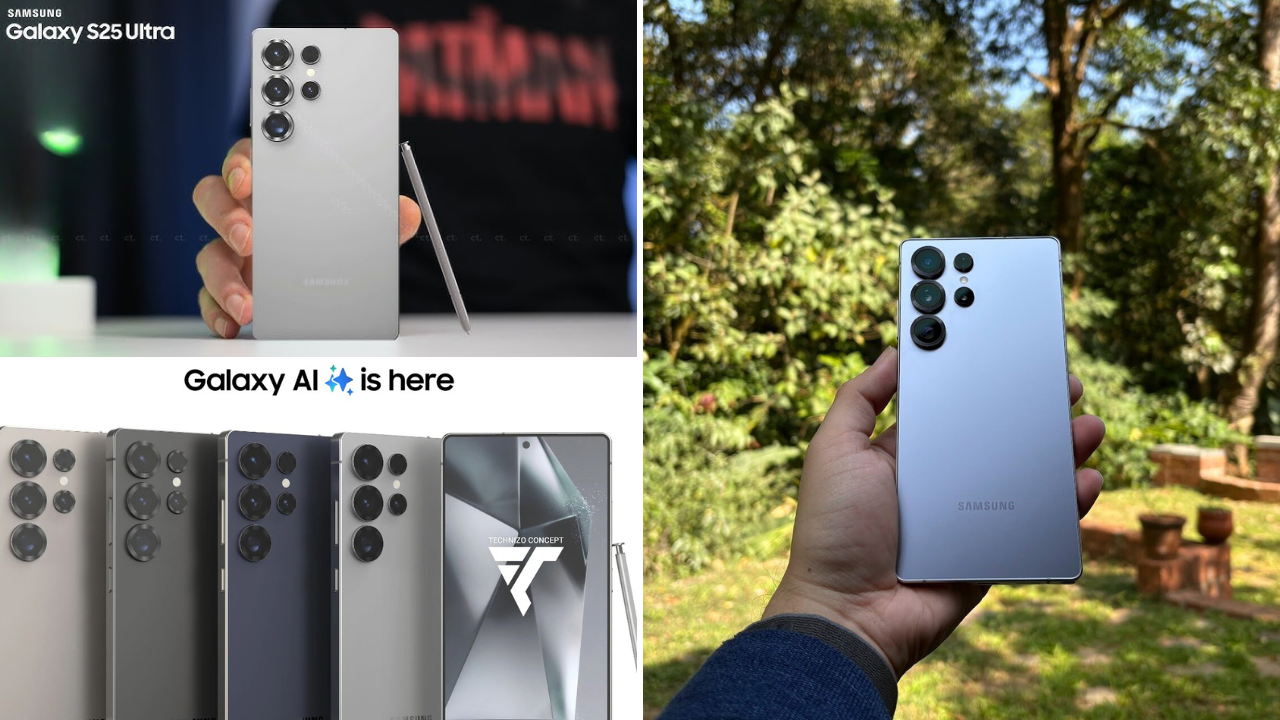
Samsung Galaxy S25 Ultra Hits All-Time Low Price on Flipkart: How to Grab the Deal

Samsung Galaxy S25 Ultra

The Samsung Galaxy S25 Ultra is a flagship smartphone launched on January 22, 2025, featuring high-end specifications and premium build quality. It boasts a 6.90-inch Dynamic AMOLED 2X touchscreen display with a QHD+ resolution of 1400×3120 pixels and a 120 Hz refresh rate, protected by Gorilla Glass Armor. The device runs on the powerful octa-core Snapdragon 8 Elite processor paired with 12GB of RAM, and offers three storage variants: 256GB, 512GB, and 1TB, though it does not support expandable storage.

In terms of photography, the Galaxy S25 Ultra features a versatile quad-camera setup on the rear, including a 200-megapixel primary sensor with an f/1.7 aperture, a 50-megapixel ultra-wide camera, a 50-megapixel telephoto lens, and a 10-megapixel telephoto camera. The front camera for selfies is a 12-megapixel sensor with autofocus. The phone supports video recording in up to 8K at 30fps on the rear and 4K at 60fps on the front.

The device operates on Android 15 with Samsung’s One UI 7 skin and offers an IP68 rating for dust and water resistance. It houses a 5000mAh non-removable battery with support for 45W fast charging and wireless charging capabilities. Connectivity includes Wi-Fi 7, Bluetooth 5.3, NFC, USB Type-C, dual Nano-SIM slots with 5G support on both, along with various sensors including an in-display fingerprint reader.

Built with a titanium frame and Corning Gorilla Armor on both front and rear panels, the Galaxy S25 Ultra balances durability with premium aesthetics. The starting price in India is around ₹106,600, making it a high-end choice for users seeking advanced technology and premium features in a smartphone.

S25 Ultra’s standout hardware upgrades over the S24 Ultra

The Samsung Galaxy S25 Ultra offers several standout hardware upgrades over the S24 Ultra:

Processor: The S25 Ultra is powered by the Qualcomm Snapdragon 8 Elite, an overclocked 3nm chip offering about a 40% boost in performance compared to the Snapdragon 8 Gen 3 in the S24 Ultra (4nm). This results in notably better CPU, GPU, and ray tracing performance. Octa-core Qualcomm Snapdragon 8 Elite chipset with advanced 3nm fabrication for improved performance and efficiency.

Cooling: It features a 40% larger vapor cooling chamber that supports sustained high performance and improves thermal management.

Display: The S25 Ultra has a slightly larger 6.9-inch Dynamic AMOLED 2X screen with thinner bezels (compared to 6.8 inches on the S24 Ultra). Its screen uses Gorilla Glass Armor 2, which is more resistant to scratches and cracks.

Camera: The ultra-wide camera has been upgraded from 12MP on the S24 Ultra to 50MP on the S25 Ultra, improving image resolution and quality. Other cameras remain largely the same.Features autofocus and 8K video recording at 30fps.

Design: The S25 Ultra has a softer, more rounded design and is thinner (8.2mm vs. 8.6mm) and lighter (218g vs. 233g) than the S24 Ultra, both with titanium frames.

Charging: Wired charging remains at 45W, but the wireless charging on the S25 Ultra supports faster 15W Qi2 compared to 15W Qi on the S24 Ultra.

RAM & Storage: 12GB RAM with internal storage options of 256GB, 512GB, and 1TB; no expandable storage.

Front Camera: 12MP sensor with autofocus, supporting 4K video recording at 60fps.

Battery: 5000mAh non-removable with 45W fast charging and wireless charging support.

Operating System: Android 15 with Samsung’s One UI 7 skin.

Build & Durability: Titanium frame with Corning Gorilla Armor on front and rear, IP68 water and dust resistance.

Connectivity: Wi-Fi 7, Bluetooth 5.3, NFC, USB Type-C, dual Nano-SIM with active 5G on both.

Other Features: In-display fingerprint sensor, multiple sensors (accelerometer, gyroscope, compass, barometer), stereo speakers.

Dimensions & Weight: 162.8 x 77.6 x 8.2 mm, 218 grams.

This combination delivers a premium flagship experience focusing on high-end performance, advanced photography, durability, and display quality.

New Galaxy AI features are included and how You can use them

The Samsung Galaxy S25 Ultra includes a suite of new AI features under the Galaxy AI umbrella, enhancing user experience, productivity, and creativity:

Personal Data Engine: An on-device AI that analyzes personal data to provide tailored experiences, including natural language search for photos in the Gallery.

Now Brief: Displays relevant personalized information (weather, health, reminders) on the lock screen, like curated headlines just for the user.

ProScaler: AI-powered display image scaling technology providing 40% better image quality using the Snapdragon 8 Elite processor’s Digital Natural Image engine.

Circle to Search: Gesture-based search that lets users circle any text, image, URL, or audio to get detailed information or actions like identifying songs or URLs directly.

Updated Gemini AI: Accessed via side button, it allows conversational interactions with AI integrated with images, files, and videos for complex tasks and personalized help.

AI Select: Provides AI-powered suggestions based on screen content, such as writing assistance or creative tools for images.

Audio Eraser: AI-powered tool to remove unwanted sounds or noise from videos like background music, voices, wind, and crowd noise.

Writing Assist: AI-powered writing aid for better content creation with features like summarization and text formatting.

Drawing Assist: Helps users improve drawings with AI guidance using text, sketches, or image prompts.

Call Transcripts: Transcribes calls live with real-time translation and organizes conversation notes automatically.

Users can access these AI features directly through relevant apps like Camera, Gallery, Phone, Keyboard, Notes, and the side button shortcut. The Galaxy AI system leverages contextual awareness and Google’s Gemini AI to provide highly personalized, proactive assistance across apps and everyday tasks, making Samsung Galaxy S25 Ultra a fully AI-enhanced smartphone experience.

The current price of the Samsung Galaxy S25 Ultra in India after the latest Flipkart discount?

The current price of the Samsung Galaxy S25 Ultra in India after the latest Flipkart discount is ₹1,10,999 for the base 12GB RAM and 256GB storage variant. Additionally, using the Flipkart Axis Bank credit card provides an extra ₹4,000 discount, bringing the effective price down to under ₹1,07,000.

This price represents the lowest-ever recorded price on Flipkart for this flagship model, offering a significant saving from the original launch price of ₹1,29,999. There are also trade-in options, EMI plans starting around ₹3,903/month, and extended warranty or protection plans available to make purchasing more convenient.

This combination of price cuts, bank offers, trade-in options, and EMI schemes makes this the best opportunity so far to purchase the Galaxy S25 Ultra on Flipkart.

Bank Holiday Update September 5, 2025, No Bank Closures as Eid-e-Milad and Onam Holidays Rescheduled

Bank Holiday

September 5, 2025 (Friday) was initially designated by the Reserve Bank of India (RBI) as a bank holiday in observance of Eid-e-Milad (Milad-un-Nabi) and the festival of Onam. These important religious and cultural occasions commonly lead to closures of banking institutions in various parts of India, impacting public-sector banks, private banks, and regional branches alike.

However, following feedback and requests from several state governments and industry participants, the RBI has revised this schedule to better accommodate continuity in banking operations nationwide. As such, the earlier directive for a bank holiday on September 5 has been officially cancelled, and banks across the country will remain operational on this day.

To maintain the sanctity of Eid-e-Milad and Onam celebrations while minimizing disruption to banking services, the RBI has rescheduled the official bank holiday to Monday, September 8, 2025. On this rescheduled day, certain banking operations such as settlements and transactions in government securities, foreign exchange markets, money markets, and rupee interest rate derivatives will be paused, reflecting the holiday’s observance in financial markets.

Despite this national-level decision, some states had already issued notifications declaring September 5 as a holiday on account of Eid-e-Milad or Onam. States including Gujarat, Karnataka, Tamil Nadu, Uttar Pradesh, Telangana, Kerala, Jammu & Kashmir, and Delhi may observe localized bank branch closures on September 5 itself. This means that in these regions, bank customers should verify the status of their specific bank branches to plan their banking affairs accordingly.

The decision by the RBI to cancel the nationwide holiday on September 5 and shift it to September 8 aims to reduce inconvenience caused by bank closures, particularly in the context of payment cycles, cheque clearances, and retail banking needs. Many routine banking services, essential for customers’ day-to-day financial management, benefit from this continuity.

Significance of Eid-e-Milad and Onam:

Eid-e-Milad, also known as Milad-un-Nabi, commemorates the birth of Prophet Muhammad and is widely observed across India by the Muslim community with religious prayers, processions, and community gatherings. Traditionally, this occasion is marked by public holidays in several states, leading banks and other establishments to close as part of the observance.

Onam, a major harvest festival celebrated predominantly in Kerala, honors the legendary King Mahabali and features vibrant cultural events like boat races, folk dances, and a grand feast known as Onasadya. Bank holidays on Onam ensure that communities and families can fully partake in festivities without workday interruptions.

Bank Holidays in September 2025:

The month of September generally includes a considerable number of bank holidays across India, reflecting diverse regional festivals and national observances. In 2025, September accounts for approximately 15 bank holidays as per the RBI’s official calendar, catering to the country’s multicultural fabric.

Given their variable nature, these holidays depend heavily on regional traditions and government notifications. While some holidays like the second and fourth Saturdays and Sundays are uniform nationwide, festivals such as Eid-e-Milad and Onam bring an important regional dimension to banking schedules.

Advisory for Bank Customers:

Customers planning to visit bank branches on September 5, 2025, are advised to check the holiday status specific to their city or state. While most banks will remain open in observance of the revised RBI directive, localized closures may occur in some states observing Eid-e-Milad or Onam on the original holiday date.

It is also important to note that while digital banking services remain accessible at all times, certain banking transactions requiring physical presence—such as large cash deposits or withdrawals, locker access, issuing demand drafts, or updating KYC documents—may be affected during state-specific branch closures.

Conclusion:

The RBI’s proactive decision to shift the bank holiday linked to Eid-e-Milad and Onam from September 5 to September 8, 2025, balances the need for observing important cultural and religious festivals with the imperative of uninterrupted banking services. Bank customers and businesses alike can plan their financial activities with the assurance that banking functions will be largely uninterrupted on September 5, with localized exceptions.

For the latest updates on bank holidays and banking schedules, customers should regularly consult their bank’s official communications, the RBI’s announcements, and local government notifications.

GMDC Stock Jumps 11% to Hit ₹503.25 Amid Strong Investor Demand

GMDC

Gujarat Mineral Development Corporation Ltd. (GMDC), one of the country’s leading state-owned mineral and lignite mining companies, witnessed a remarkable rally in its stock price during Friday’s intra-day trade. The company’s shares soared by 11 percent, touching a level of ₹503.25 on the Bombay Stock Exchange (BSE), supported by strong trading volumes even as the broader market remained largely subdued.

The rally in GMDC comes as a reflection of rising investor optimism toward the prospects of the mining sector, the company’s diversified operations, and its improving financial performance. Market observers noted that the heightened trading activity highlights confidence among institutional as well as retail investors in the company’s long-term value creation.

Surge in Stock Price Defies Market Trend

While key benchmark indices traded flat and displayed lackluster momentum during the session, GMDC emerged as a significant outperformer. The sudden demand pushed the company’s stock up sharply to an intra-day high of ₹503.25 as compared to its previous closing levels. This translated into a double-digit gain—an exceptional move in a relatively calm market environment.

Analysts pointed out that such momentum indicates sector-specific strength, particularly in companies tied to resource-driven growth. With India’s rising demand for energy and raw materials, firms like GMDC are expected to play an increasingly pivotal role, thereby attracting market attention.

Heavy Volumes Highlight Investor Participation

One of the striking aspects of Friday’s trading session was the surge in volumes. GMDC’s stock witnessed unusually high trading turnover, pointing toward active participation from both institutional investors and traders. Typically, heavy turnover during an uptrend is considered a sign of genuine buying interest rather than speculative spikes.

Market watchers also highlighted that the stock has been gradually building strength over recent weeks, and the latest rally may be part of a broader re-rating of the company’s future potential in the market.

Driving Factors Behind the Rally

A combination of macroeconomic drivers, sectoral tailwinds, and company-specific factors is believed to be behind the strong performance of GMDC’s shares today:

  • Government Push for Resource Security: India’s focus on reducing import dependency for energy and strategic minerals is expected to benefit public sector mining companies. GMDC, with its established presence in lignite, bauxite, and upcoming mineral projects, stands to gain.
  • Operational Strength: The company has been expanding its mining capacities and diversifying into critical minerals. Recent corporate announcements on sustainable mining practices and operational efficiency have further improved investor sentiment.
  • Sector Performance: Commodity and mining-related companies have generally attracted interest due to firm global prices for key minerals and rising industrial consumption within India.
  • Financial Health: GMDC has maintained a stable balance sheet and reported resilient earnings despite challenges in the global economy. Its strong cash reserves and dividend-paying record add another layer of attractiveness for investors.

Broader Implications for the Market

GMDC’s soaring stock price not only reflects confidence in the company but also highlights investor recognition of the critical role mining enterprises play in the country’s industrial growth. With the Indian economy targeting rapid infrastructure expansion and clean energy transitions, mining firms remain integral to supplying essential raw materials.

Furthermore, the sharp rise in GMDC’s stock could influence the performance of related sectoral indices and boost investor sentiment in similar state-owned enterprises engaged in natural resource development.

Expert Perspectives

Market experts believe that GMDC’s latest rally is grounded in improved fundamentals, though they also caution that short-term volatility could arise.

“Resource-focused companies like GMDC are aligning well with India’s long-term growth story. Their value proposition remains strong due to increasing demand for energy security and raw material availability,” noted an equity research analyst based in Mumbai.

At the same time, analysts highlight the importance of policy clarity, environmental compliance, and global commodity price movements in shaping the trajectory of mining companies’ stock performance.

GMDC’s Forward-Looking Outlook

As Gujarat’s premier mining enterprise, GMDC has consistently aligned its operations with both state and national growth agendas. Looking ahead, the company is focusing on expanding its resource base, adopting advanced mining technologies, and contributing to the clean energy transition by exploring critical minerals required in battery manufacturing and renewable energy sectors.

Additionally, GMDC has reiterated its commitment to sustainability and community development, ensuring that its growth is inclusive and environmentally responsible. This deliberate strategy not only adds to its credibility as a government-backed mining organization but also increases its attractiveness for responsible investors.

Investor Confidence and Long-Term Prospects

Friday’s performance on the BSE clearly underscores investor confidence in GMDC’s growth trajectory. The leap to ₹503.25, representing an 11 percent gain in a single session, adds momentum to the stock’s medium-term strength.

As market conditions evolve and India continues to rely on self-reliance in raw materials, GMDC appears well-positioned to deliver value for shareholders while contributing meaningfully to national development priorities.

About Gujarat Mineral Development Corporation (GMDC) Established in 1963, Gujarat Mineral Development Corporation Limited is a leading government-owned enterprise engaged in the exploration and development of mineral resources in Gujarat. The company operates in sectors including lignite mining, bauxite, fluorspar, manganese, and power generation. With a strong commitment to innovation, sustainability, and stakeholder engagement, GMDC continues to play a critical role in India’s resource security and industrial development.

England’s Poor Mindset and Preparation Cost Them Heavily in ODI Defeat to South Africa

ODI

In a stunning display of collapse, England’s men’s cricket team was bowled out for a mere 131 runs in just 24.3 overs during the first ODI at Headingly, Leeds, against South Africa. Despite a promising start with Jamie Smith’s resilient half-century, England’s innings unraveled dramatically as they lost eight wickets for just 49 runs, highlighting severe challenges in their batting stability and mindset. The team faced criticism for their lack of preparation and inability to transition effectively from the shorter formats of the game, notably coming fresh from The Hundred competition with limited time to adjust to the demands of the 50-over format.

South African bowlers Keshav Maharaj and Wiaan Mulder exploited the frailties in the English line-up, spearheading a clinical bowling assault that dismantled the hosts on a pitch that offered no obvious difficulties. The Proteas chased down the modest target within 20.5 overs, underscoring England’s inability to build partnerships and maintain control under pressure.

Esteemed commentators and former players have stressed that the primary issue lies in England’s “mindset not being in the right place,” reflecting a broader concern about the team’s preparedness and focus in ODI cricket. This heavy defeat serves as a wake-up call for England as they seek to regroup and improve their approach in the upcoming matches of the series.

The core problem:

The “mindset” and “capitulation,” which are central to the headline

The core problem behind England’s capitulation and “mindset not in the right place” issue is multi-faceted but centers primarily on their lack of preparation and familiarity with the 50-over format. Since the introduction of The Hundred and a general decline in domestic 50-over cricket, England’s players have had limited exposure to one-day cricket, impacting their ability to adapt to the tempo and demands of the format. Former players like Michael Atherton and Shaun Pollock have pointed out that England’s cricketers appear to be “caught cold,” transitioning straight from other formats like T20 or Test series into ODIs without proper adjustment. This leads to poor concentration and performance, exemplified by the heavy collapse against South Africa at Leeds. Additionally, the mindset problem is compounded by a broader issue where the one-day format has become less prioritized in the national setup, with ODI caps sometimes seen as a box-ticking exercise rather than a coveted achievement. This combination of lack of preparation, overburdened players, and a diminished focus on ODI cricket has manifested in England’s recurrent struggles and poor performances in this format.

Analysis of the performance:

England’s collapse in the Leeds ODI versus South Africa can be analyzed through the lens of their inadequate preparation and the distinct demands of the different cricket formats. England entered the match after a grueling period of playing The Hundred, a 100-ball format, with the final stages concluded just two days before the ODI, leaving little time to transition mentally and tactically to 50-over cricket. The players struggled to recalibrate to the different tempo required in ODIs, where the balance between aggression and patience is crucial.

Despite a solid start with the top order reaching 82 runs for 2 wickets, England suffered a sudden and severe batting collapse, losing their last eight wickets for just 49 runs. This collapse was unsettling because the pitch conditions were good with no extreme assistance to bowlers, suggesting that the problem was more about a lack of structural innings-building. England’s batting lacked an “absorption gear” needed in ODI cricket to soak up pressure and build partnerships steadily. The team was unable to consolidate after the initial momentum, and poor shot selection led to their downfall.

On the bowling front, England lacked a full-time fifth bowler option, which reduced their effectiveness in control and wicket-taking, allowing South Africa to chase down the modest target comfortably. The combination of inadequate ODI-specific preparation, mental lapse in focus, and a failure to adapt their game plan caused the rapid collapse and ultimately handed South Africa a convincing victory.

Celebrating Eid Worldwide: Shared Faith, Unique Traditions

Celebrating Eid Worldwide

Eid is an international Islamic festival celebrated by Muslims around the world. It follows the Islamic calendar, so its date changes every year. Despite this, the core aspects of the festival—such as prayers, festive meals, and gatherings with family—remain the same across different cultures. Each country, however, adds its own unique customs and traditions, making the celebrations richly diverse while maintaining a shared spirit of faith and togetherness.

Some unique wishes for Eid-e-Milad-Un-Nabi 2025 to share with family and friends on WhatsApp:

Eid-e-Milad-Un-Nabi 2025 to share on WhatsApp are heartfelt messages that blend the spirit of devotion, love, and gratitude in celebrating the Prophet Muhammad’s birth anniversary. These wishes often focus on peace, spiritual growth, and the teachings of the Prophet, making them perfect for sharing with family and friends to express blessings and harmony on this sacred occasion.

Eid-e-Milad-Un-Nabi 2025 is a meaningful Islamic festival that commemorates the birthday of Prophet Muhammad. On this day, people share unique wishes and WhatsApp messages with loved ones, emphasizing themes like kindness, peace, devotion, and the Prophet’s wisdom. These messages inspire recipients to embrace compassion and gratitude while celebrating togetherness and faith.

The significance of Eid-e-Milad-Un-Nabi in Islam:

Eid-e-Milad-Un-Nabi, also known as Mawlid, holds deep significance for Muslims as it commemorates the birth of Prophet Muhammad, regarded as the final messenger of God in Islam. This day is observed on the 12th day of Rabi’ al-Awwal by most traditions, marked by gatherings, prayers, and the sharing of the Prophet’s teachings and life events.

Eid-e-Milad-Un-Nabi is important because it is a time for Muslims to remember and honour the moral and spiritual values taught by Prophet Muhammad. The celebration fosters a sense of unity, reverence, and gratitude among believers, who partake in religious activities, communal gatherings, feeding the needy, and learning about the Prophet’s compassion, wisdom, and guidance. While its observance varies among different Islamic sects, its role in reinforcing faith and community is universally acknowledged.

The messages for Eid-e-Milad-Un-Nabi differ for family, friends, and loved ones:

The messages often emphasize prayers for unity, blessings, and spiritual guidance, reflecting a deeper sense of togetherness and warmth. They may mention peace, prosperity, and the Prophet’s teachings as a guiding light for the whole family.

For friends, the messages are typically more cheerful and social, expressing affection while wishing joy, personal success, and encouragement to follow the Prophet’s teachings in everyday life. Such wishes often highlight camaraderie, kindness, and happiness.

For loved ones (including partners and close relations), the wishes combine personal affection with spiritual sentiments, invoking heartfelt prayers for happiness, love, and blessings, while also celebrating the occasion’s significance and the bond shared between sender and recipient.

Eid is a symbol of joy

Symbol of joy: Eid is a time of happiness, unity, and forgiveness:

Eid is a symbol of joy that brings people together in a spirit of happiness, unity, and forgiveness. It marks a time when families, friends, and communities gather to celebrate faith, share love, and renew bonds through compassion and mutual respect. The essence of Eid lies in expressing gratitude, extending forgiveness, and fostering harmony—values that strengthen social ties and inspire a peaceful, inclusive society.

International celebrations:

Eid ul-Fitr and Eid ul-Adha are celebrated worldwide and are major religious festivals for Muslims.

Eid ul-Fitr and Eid ul-Adha are two of the most important religious festivals celebrated by Muslims worldwide, symbolizing deep faith, community spirit, and cultural diversity.

Eid ul-Fitr marks the end of Ramadan, the holy month of fasting, and is celebrated with special prayers, family gatherings, festive meals, and the giving of charity to the needy. It is a joyous occasion that emphasizes gratitude, forgiveness, and renewed spiritual commitment.

Eid ul-Adha, also known as the Festival of Sacrifice, commemorates the willingness of Prophet Ibrahim to sacrifice his son as an act of obedience to God. This festival is marked by the ritual sacrifice of animals, distribution of meat to family and the less fortunate, prayers, and community feasts. It also coincides with the final rites of Hajj, the pilgrimage to Mecca.

While the core religious practices remain consistent, the way Eid is celebrated varies culturally across regions—from traditional foods and special attire to community events and family customs—reflecting the rich tapestry of Muslim cultures around the globe.

Together, these international celebrations reinforce values of charity, unity, and faith, bringing Muslims around the world together in shared devotion and joy.

From Seoul to Global Phenomenon: The Rise of PUBG Studio and Its Battle Royale Masterpiece

PUBG Studio

The global gaming community is abuzz today as PUBG Mobile 4.0 officially rolls out across international markets. Touted as one of the most awaited updates in the mobile gaming industry, version 4.0 introduces a suite of fresh features, advanced gameplay mechanics, visually striking maps, and improved performance enhancements designed to elevate the battle royale experience to a whole new level.

The excitement doesn’t end here, particularly for Indian gamers. With Battlegrounds Mobile India (BGMI) being handled separately due to region-specific regulations, fans can expect Krafton to roll out the much-anticipated BGMI update shortly after the global PUBG Mobile 4.0 release. This dual wave of updates underlines the publisher’s commitment to giving players an equally exciting and progressive experience, irrespective of their region.

A Landmark Update in Mobile Gaming PUBG Mobile has consistently pushed boundaries with every seasonal update, and version 4.0 continues this legacy. The latest patch brings immersive gameplay innovations and technology-driven improvements that cater to both casual and competitive players. With over a billion downloads globally, this update further cements PUBG Mobile’s reputation as the frontrunner of mobile esports and battle royale gaming.

Some of the highlight categories in PUBG Mobile 4.0 include:

New Gameplay Modes: Engaging missions and fresh challenges to keep the battle royale experience dynamic.

Map Enhancements: Refined environments and brand-new map locations, which encourage tactical diversity.

Optimized Controls and UI: A cleaner, more responsive interface that allows smoother navigation and faster reaction times in intense battles.

Customizable Loadouts & Progression: Progression-based systems allowing players to personalize weapons, skins, and abilities.

Performance Boosts: Reduced lag, enhanced frame rates, and compatibility improvements for mid-range devices.

According to Krafton and Tencent Games, the company behind PUBG Mobile’s global operations, version 4.0 was developed with direct community feedback in mind, blending technological evolution with a listening-first approach to player expectations.

What Indian Gamers Can Expect from BGMI For Indian users, Battlegrounds Mobile India remains the officially available battle royale experience. Since the game was relaunched in 2021 to comply with government requirements, BGMI has seen steady growth, localized events, and esports tournaments that attracted both amateur and professional gamers.

While PUBG Mobile 4.0 goes live globally, Krafton has already confirmed that BGMI will receive a comparable update soon, tailored specifically for the Indian market. The BGMI patch is expected to mirror most of the innovations introduced in PUBG Mobile 4.0, while carrying India-first features such as localized in-game events, region-centric collaborations, and parental control systems in compliance with Indian regulations.

Industry insiders believe that the BGMI 4.0 rollout could follow just days or weeks after the PUBG Mobile update, ensuring Indian gamers are not left behind in the global wave of excitement.

Elevating the Esports Scene One of the critical aspects of this update is its focus on esports. PUBG Mobile has long been a dominant title in competitive gaming, hosting massive global championships with prize pools worth millions. The 4.0 update introduces optimized spectator modes, fair play mechanics, and anti-cheat improvements aimed at providing a level playing field for competitive events.

In India, BGMI esports has already carved out a strong presence, with tournaments broadcast to millions of viewers and brands increasingly joining the ecosystem. The forthcoming update is expected to further strengthen India’s esports scene by giving professional players enhanced tools for training, practicing, and competing.

A Community-Driven Game Another key factor driving excitement is PUBG Mobile’s vibrant community. Over the past years, in-game collaborations, themed events, and crossovers with major entertainment brands have kept the game fresh and culturally relevant. Version 4.0 continues this trend with special events tied to the update launch, offering limited-time rewards, exclusive skins, and celebratory missions.

Krafton has also teased new partnerships for BGMI in India, hinting at promotional drives and collaborations aligned with Indian culture, festivals, and local brands.

The Road Ahead

The journey of PUBG Mobile has been nothing short of remarkable. From being one of the first global hits of mobile battle royale gaming to becoming a cultural phenomenon, the game has redefined what mobile entertainment means for millions. With version 4.0, the company aims to not only retain its loyal fan base but also attract newcomers looking for high-quality, free-to-play gaming experiences.

For Indian gamers, the BGMI update is expected to open the door to even greater opportunities, including expanded esports leagues, new community-driven content, and enhanced player safety measures. With PUBG Mobile and BGMI running parallel, Krafton appears committed to ensuring that players around the world, regardless of geography, receive an equally thrilling experience.

Quotes from Company Spokespersons Commenting on the release, a Krafton spokesperson said, “PUBG Mobile 4.0 is not just another update—it’s a milestone in our mission to reinvent mobile gaming. We are thrilled to introduce new innovations that reward skill, strategy, and teamwork. For our Indian community, rest assured that BGMI players will enjoy the same breakthroughs very soon.”

Conclusion

As PUBG Mobile 4.0 officially launches today, the anticipation among fans is at an all-time high. From gameplay upgrades to technical refinements, this update reaffirms the game’s place at the top of the mobile battle royale genre. For Indian gamers, BGMI’s forthcoming update promises to keep pace with global trends, ensuring no one misses out on the excitement.

With esports on the rise, communities thriving, and content evolving at an unprecedented pace, the PUBG Mobile 4.0 and BGMI updates mark the beginning of a new era for mobile gaming worldwide.

PUBG Established:

PUBG, short for PlayerUnknown’s Battlegrounds, was created by Brendan Greene, an Irish game developer known by the online handle “PlayerUnknown.” Brendan Greene conceptualized and designed the game inspired by his previous work on battle royale mods for games like ARMA 2 and H1Z1, as well as the Japanese movie Battle Royale (2000). The development of PUBG began around early 2016 when Greene joined a small team of about 30 people under South Korean company Bluehole (now Krafton). The official game was first released as early access on Microsoft Windows in March 2017.

PUBG Studio, previously known as PUBG Corporation, was originally established in Seoul, South Korea. It was originally founded as Ginno Games by Kim Chang-han and later acquired by Bluehole Studio in 2015. After the acquisition, Ginno Games was renamed Bluehole Ginno Games, and subsequently in 2017, it became PUBG Corporation to focus on the development and global publishing of Player Unknown’s Battlegrounds (PUBG). In December 2020, PUBG Corporation was merged into Krafton’s internal studio system and rebranded as PUBG Studio. The company and its headquarters have consistently been based in Seoul, South Korea.

PUBG REVENUE

PUBG Mobile has achieved a significant milestone by hitting over $9 billion in lifetime revenue by 2025, marking its place as one of the highest-grossing mobile games of all time. The game, launched in 2018, continues to thrive with peak monthly earnings reaching hundreds of millions, driven by its massive player base, continual updates, esports events, and in-game monetization strategies such as skins, battle passes, and special collaborations. This financial success highlights PUBG Mobile’s dominance and enduring popularity in the mobile gaming world as of 2025.

Auger-Aliassime Stages Stunning Comeback to Reach 2025 US Open Semifinals

Auger-Aliassime

Felix Auger-Aliassime staged a remarkable comeback victory against Alex de Minaur to reach the semifinals of the 2025 US Open. After dropping the first set and trailing by a break in the second, Auger-Aliassime rallied to win 4-6, 7-6(7), 7-5, 7-6(4) in a grueling four-hour and ten-minute match at Arthur Ashe Stadium. This hard-fought win marks Auger-Aliassime’s second US Open semifinal appearance, his first since 2021, and highlights his resurgence following a challenging period marked by injuries and inconsistent form.

The Canadian player, seeded 25th, showcased resilience and mental toughness to overcome de Minaur, who was seeking his first Grand Slam semifinal berth on his sixth attempt but fell short yet again in the quarterfinal stage. Despite De Minaur’s strong start—including a set and a break lead—he struggled with his serve overall, making just 42% of his first serves, which gave Auger-Aliassime crucial openings to claw back into the match. Auger-Aliassime hit an impressive 22 aces and finished with 51 winners, outmatching de Minaur’s 29 winners over the marathon match.

Auger-Aliassime’s performance was highlighted by key moments such as saving a set point in the second-set tiebreak with a powerful 120 mph serve and immediately gaining momentum thereafter. His ability to stay composed under pressure was evident throughout, particularly in the two tight tiebreak sets he won to close out the match. “It wasn’t pretty at all times,” Auger-Aliassime admitted in his post-match interview, “but I was willing to dig really deep and do everything I can to stand here right now.”

This victory also adds to Auger-Aliassime’s impressive run at this tournament, where he has now defeated three seeded players in succession, including third seed Alexander Zverev and 15th seed Andrey Rublev. His next challenge will be against either top seed Jannik Sinner or the 10th seed Lorenzo Musetti in the semifinals, with the opportunity to vie for a place in the championship match.

Reflecting on his journey and progress, Auger-Aliassime stated, “Four years ago – it feels like more. It was a tough couple of years but it feels even better now to be back in the semi-finals. The biggest challenges are yet to come but that’s what I live for, that’s what I train for.” His determination and skill have firmly reinstated him among tennis’s elite, thrilling fans with his powerful serve, athleticism, and fighting spirit.

Meanwhile, de Minaur expressed his disappointment, calling it a “wasted opportunity” and lamenting that he wasn’t at the level required to seize this big chance. Despite his frustration, de Minaur remains one of the sport’s hardest workers and a formidable defensive player who pushed Auger-Aliassime to the limit.

The stage is now set for an exciting last four showdown at the US Open, with Felix Auger-Aliassime aiming to capitalize on his momentum and strive for his first Grand Slam final appearance.

This gripping quarterfinal match was one of the highlights of the 2025 US Open, demonstrating the high level of competition and intensity that defines this prestigious tennis tournament. Fans eagerly await Friday’s semifinals to see who will emerge victorious and advance to contend for the title at the Billie Jean King National Tennis Center in New York City.

The US Open continues to deliver enthralling tennis and unforgettable moments, showcasing the resilience, skill, and passion that make it one of the sport’s grandest stages.

“It wasn’t pretty at all times, but I was willing to dig really deep and do everything I can to stand here right now.”

“Four years ago – it feels like more. It was a tough couple of years but it feels even better now to be back in the semi-finals.”

“The biggest challenges are yet to come but that’s what I live for, that’s what I train for.”

“Sometimes it is hard to love tennis. It is a kind of a love-hate relationship because the sport challenges me to push myself and accept losses. But it also teaches perseverance, acceptance, and resilience.”

“You learn a lot about yourself and improve as a person through tennis.”

Match Statistics

Match duration: 4 hours 10 minutes — emphasizes the epic, grueling nature of the contest.

Scoreline: 4-6, 7-6(7), 7-5, 7-6(4) — showcases the comeback from a set down and two tiebreak wins.

Aces: 22 by Auger-Aliassime — highlights his powerful serving as a weapon.

Winners: 51 winners by Auger-Aliassime vs. 29 by De Minaur — underscores his aggressive, effective play.

First serve percentage for De Minaur: only 42% — reveals a key weakness Auger-Aliassime exploited.

Key moment: Saving a set point in the second-set tiebreak with a 120 mph serve — dramatic turning point illustrating mental toughness.

Arun Gawli Released From Nagpur Jail After 17 Years Supreme Court Bail in Murder Case

Arun Gawli

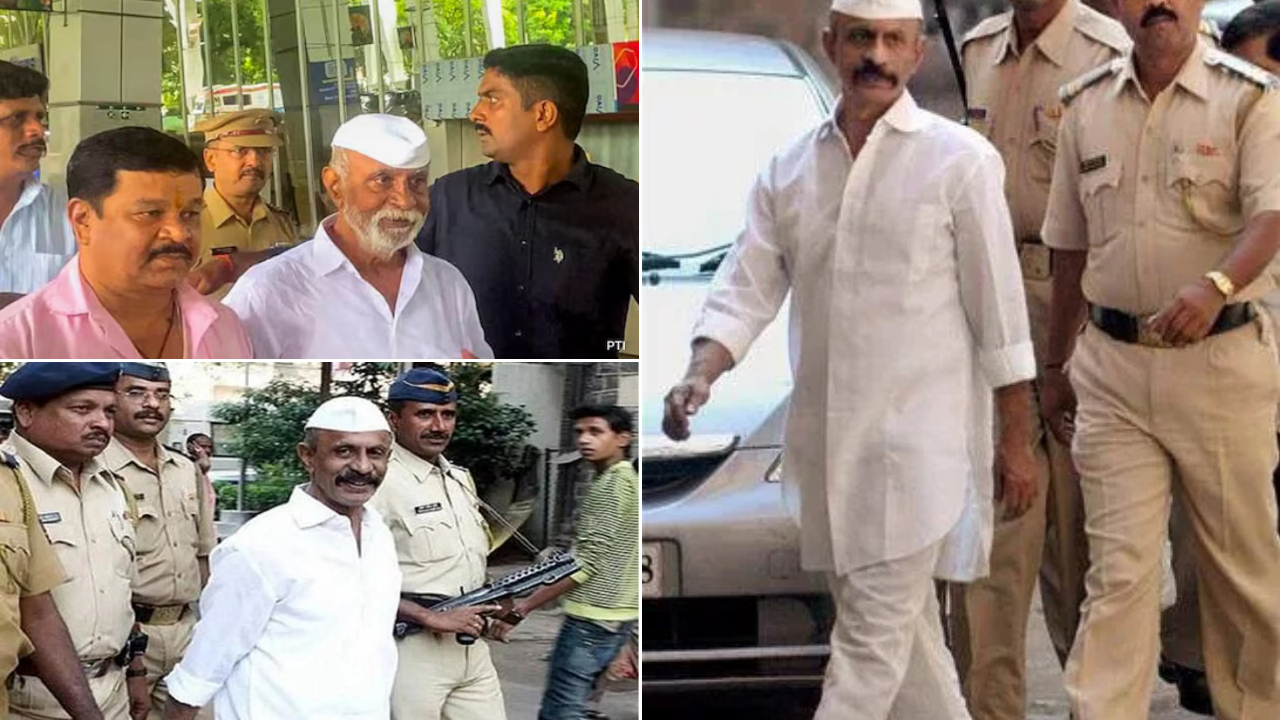
Mumbai, In a development that marks the end of one of the longest periods of incarceration for a political figure associated with Mumbai’s underworld legacy, Arun Gawli—once a feared gangster, later turned politician—was released from Nagpur Central Jail on Wednesday. The 76-year-old leader of the Akhil Bharatiya Sena stepped out a free man after having spent more than 17 years behind prison walls.

The release follows a recent order of the Supreme Court of India, which granted bail to Gawli in connection with the 2007 murder of Shiv Sena corporator Kamlakar Jamsandekar. The bail was awarded after the apex court considered the significant period he had already served in custody while his legal appeal remained pending.

The Supreme Court’s Order and Grounds for Bail

The bench of Justices M.M. Sundresh and N. Kotiswar Singh, while reviewing the plea, noted that Gawli had undergone 17 years of imprisonment. The court emphasized that when appeals remain undecided for such an extended period, prolonged incarceration should not deny an individual the right to bail, provided conditions of law are satisfied.

The Supreme Court, therefore, granted him bail with certain terms and conditions, including compliance with restrictions and directives issued previously by the trial court.

It is important to recall that Gawli had challenged a December 9, 2019 ruling of the Bombay High Court, which had upheld the trial court’s conviction and life sentence in the Jamsandekar murder case. The appeal continues to remain before the Supreme Court, and his release on bail does not amount to an acquittal but serves as an interim relief until the matter is finally adjudicated.

A Long Journey from Dagdi Chawl to Jail Arun Gawli’s life story is deeply intertwined with the socio-political fabric of Mumbai. Rising from Dagdi Chawl in Byculla, once a modest neighbourhood that became a nerve center of underworld activity, Gawli’s ascent in the 1980s and 1990s made him a formidable figure. While many of his contemporaries fled the country or were eliminated in gang wars, Gawli stayed rooted in Mumbai, building both his influence and his political identity.

In 1997, he formally announced his entry into politics by launching the Akhil Bharatiya Sena (ABS), claiming to distance himself from violent ways and focusing on public service. His influence was such that he went on to contest and successfully win a seat in the Maharashtra Legislative Assembly in 2004, representing the Chinchpokli constituency. He served as an MLA until 2009.

Despite this political career, Gawli’s past continued to overshadow his new identity. Numerous criminal cases, including those under the stringent Maharashtra Control of Organised Crime Act (MCOCA), were pursued against him. The 2007 murder of Shiv Sena corporator Kamlakar Jamsandekar eventually led to his conviction and life sentence, a judgment that kept him behind bars until now.

The Outside Nagpur Central Jail On Wednesday afternoon, around 12:30 pm, Arun Gawli walked out of Nagpur Central Jail after completing required formalities of the prison administration. Waiting for him outside were his family members, legal team, and loyal supporters from his party and old bastions of influence.

For many present, the moment was emotional. Supporters raised slogans and welcomed him with garlands, while family members expressed relief at his homecoming after over a decade and a half apart. His advocates reiterated that Gawli’s case is an example of how prolonged hearings can extend punishment well beyond what justice demands, especially when appeals remain pending for years.

Political and Social Reactions News of Gawli’s release has created ripples within political and social circles in Mumbai and Maharashtra. While some view his freedom as the rightful outcome of a flawed, drawn-out judicial process, others still associate him with the turbulent era of Mumbai’s underworld politics.

Supporters of Gawli’s Akhil Bharatiya Sena have expressed optimism that his return will strengthen the party’s prospects at the grassroots. However, mainstream political observers remain cautious about whether the 76-year-old would re-enter active politics or choose a more private role after years away from public life.

Law enforcement and policy experts meanwhile note that the decision highlights larger questions about the duration of trials and appeals in India’s judicial system, and whether long incarceration without final adjudication is fair to convicts.

What Lies Ahead

While Arun Gawli is now out on bail, the legal battle continues. His appeal against the life sentence is yet to be decided by the Supreme Court, and the outcome will ultimately determine whether he is acquitted, convicted, or subjected to further legal consequences.

For the moment, his release is being seen by many as both a personal reprieve for a 76-year-old man who has spent much of the past two decades behind bars, and as a symbolic return of one of Mumbai’s most talked-about figures.

Arun Gawli’s release after 17 years in prison is more than just a legal development; it is a reminder of Mumbai’s complex history where crime, politics, and public life often intersect. From Dagdi Chawl to the floor of the Maharashtra Assembly, and then to Nagpur Central Jail, Gawli has lived through multiple identities—each leaving a mark on the city’s consciousness.

As he begins a new chapter outside prison walls, questions will remain about his political future, his personal journey, and the enduring legacy of underworld figures who transitioned into the mainstream. For now, the Supreme Court’s bail order marks a turning point in a saga that has gripped Mumbai for nearly two decades.

Supreme Court Bail Order: The Supreme Court granted bail to Arun Gawli in the 2007 murder case of Shiv Sena corporator Kamlakar Jamsandekar.

Reason for Bail: Gawli has already spent over 17 years in prison, and his appeal is still pending before the Supreme Court. The court said prolonged incarceration during an undecided appeal justified bail.

Age Factor: Gawli is now 76 years old, which the court considered while granting bail.

Previous Verdicts: Bombay High Court (2019) had upheld his life sentence under MCOCA. Gawli challenged this verdict in the Supreme Court.

Conditions of Bail: He was released under certain terms and conditions set by the trial court, including compliance with all future summons and restrictions.

Release from Prison: Gawli walked free from Nagpur Central Jail around 12:30 pm on Wednesday, greeted by family, lawyers, and supporters.

Political Background: Founder of the Akhil Bharatiya Sena (ABS), he served as an MLA from 2004 to 2009 representing the Chinchpokli constituency.

Rise from Dagdi Chawl: Once a feared gangster in Byculla’s Dagdi Chawl, Gawli transformed into a political figure, often referred to as “Daddy” by his supporters.

Supporters’ Reactions: His return was met with slogans, garlands, and emotional reunions. ABS loyalists hinted at a possible revival of his influence.

Future Uncertain: While he is out on bail, his appeal is still pending, meaning the final judicial outcome is yet to be decided. His role in politics going forward remains unclear.

Legal Significance: The case underscores the issue of delayed appeals in India’s judicial system and questions whether long imprisonment before appeal decisions amounts to undue punishment.