Saturday, July 4, 2026
Home Blog Page 265

How was mRNA vaccine exploration used to fight COVID?   

mRNA vaccine exploration used to fight COVID?   

At long last Katalin Karikó and Drew Weissman d churing a press conference at the University of Pennsylvania on October 2. Getty Images  Why is the work of the Medicine Nobel laureates  pivotal for development of vaccines? What were the challenges to use mRNA technology for  mortal  operations? How did the two scientists overcome them? 

  A major advantage of mRNA vaccines is that because they only need the  inheritable  law, it’s possible to  snappily  modernize vaccines to arising variants.   The story so far  On October 2, Nobel Prize week began with the 2023 Prize in Physiology or Medicine being awarded to Katalin Karikó and Drew Weissman. They were awarded the prize for their “ discoveries concerning nucleoside base  variations that enabled the development of effective mRNA vaccines against COVID- 19 ”.

   What are mRNA vaccines?   mRNA, which stands for  runner RNA, is a form of nucleic acid which carries  inheritable information. Like other vaccines, the mRNA vaccine also attempts to  spark the vulnerable system to produce antibodies that help  fight an infection from a live contagion. still, while  utmost vaccines use weakened or dead bacteria or contagions to  elicit a response from the vulnerable system, mRNA vaccines only introduce a piece of the  inheritable material that corresponds to a viral protein.

 This is  generally a protein  set up on the membrane of the contagion called shaft protein. thus, the mRNA vaccine doesn’t expose  individualities to the contagion itself.   According to an composition by Thomas Schlake et al, in RNA Biology, RNA as a  remedial was first promoted in 1989 after the development of a astronomically applicable in vitro transfection  fashion. A couple of times  latterly, mRNA was  supported as a vaccine platform. He says, “ mRNA offers strong safety advantages. 

As the  minimum  inheritable construct, it harbours only the  rudiments directly  needed for expression of the decoded protein. ” A common approach by vaccine makers during the epidemic was to introduce a portion of the shaft protein, the  crucial part of the coronavirus, as part of a vaccine. Some makers wrapped the gene that codes for the shaft protein into an inactivated contagion that affects chimpanzees, called the chimpanzee adenovirus. 

The  end is to have the body use its own  ministry to make shaft proteins from the given  inheritable  law. The vulnerable system, when it registers the shaft protein, will  produce antibodies against it.   How are these vaccines different?   A piece of DNA must be converted into RNA for a cell to be  suitable to manufacture the shaft protein. While an mRNA vaccine might look like a more direct approach to getting the cell to produce the necessary proteins, mRNA is  veritably fragile and will be shred  piecemeal at room temperature or by the body’s enzymes when  fitted . To  save its integrity, the mRNA needs to be wrapped in a subcaste of  unctuous lipids, or fat cells. 

One way to  suppose of this is that an mRNA- lipid unit most  nearly mimics how a contagion presents itself to the body, except that it can not replicate like one. DNA is much more stable and can be more flexibly integrated into a vaccine- vector. In terms of performance, both are anticipated to be as effective.   A challenge with mRNA vaccines is that they need to be  firmed  from-90 degree Celsius to-50 degree Celsius. They can be stored for over to two weeks in  marketable freezers and need to be  fused at 2 degrees Celsius to 8 degrees Celsius at which they can remain for a month.

 But a major advantage of mRNA and DNA vaccines is that because they only need the  inheritable  law, it’s possible to  modernize vaccines to arising variants and use them for a variety of  conditions.   Viral vector vaccines, like Covishield, carry DNA wrapped in another contagion, but mRNA are only a  distance of instructions to make shaft proteins wrapped in a lipid( or a fat  patch) to keep it stable. In the case of COVID- 19, mRNA vaccines developed by Moderna, Pfizer and Pune- grounded Gennova Biopharmaceuticals, these instructions alone are able of producing the shaft protein, which the vulnerable system  also uses to prepare a defence.   Why is it significant?

   After the Nobel Prize was  blazoned,Dr. Soumya Swaminathan, formerly  principal scientist of the WHO, posted on X, formerly Twitter, that  meticulous  exploration over decades and a belief that mRNA technology would have  mortal  operations one day have earned the Nobel Prize forDr. Karikó andDr. Weissman. “ We’ll see  further mRNA products in the near future, ” she said. In its release, the Nobel Assembly refocused out that enthusiasm for developing mRNA technology for clinical purposes was  originally limited because of hurdles. “ Ideas of using mRNA technologies for vaccine and  remedial purposes took off, but roadblocks lay ahead. In vitro transcribed mRNA was considered unstable and  grueling  to deliver,  taking the development of sophisticated carrier lipid systems to  synopsize the mRNA. also, in vitro- produced mRNA gave rise to  seditious  responses. ”

Source: www.indianexpress.com

   What were the challengesDr. Karikó faced?   Karikó’s struggles are of special note among this time’s winners. “ Ten timesago.I was demurred out, from Penn( Pennsylvania University) and forced to retire, ” she told Adam Smith during her interview withnobelprize.org after the winners were  blazoned.Dr. Karikó spent a large part of her career on the  fringe of academic circles, always in the pursuit of  subventions to fund her  exploration.Dr. Karikó spent  utmost of the 1990s writing  entitlement  operations to fund her mRNA  exploration. She believed that mRNA was  crucial to treating  conditions that  demanded the right kind of protein to fix the problem.  

Together withDr. Weissman, she published a paper in 2005 that  stressed advance  exploration in the field. In 2015, they figured how to deliver mRNA into mice using a adipose coating called “ lipid nanoparticles ” that  defended the mRNA from  declination. Both her  inventions were  crucial to the development of COVID- 19 vaccines developed b

 (  y Pfizer and its German  mate BioNTech.

(With inputs from agencies)

For more information visit at https://happenrecently.com/zepto/?amp=1

How plastics affect our  diurnal life   Recall what grandparents did 

Before the age of plastics. They would bring their own bags,  typically of cotton or jute, bring home the purchase, and  latterly,  marshland and dry the bags, ready for the coming use. They also used glass and  sword vessels and bottles. 

But now, in the age of plastics, when we go to the grocer, vegetable  seller and  requests to buy stuff, we all use plastic bags. Dealers use plastic bags and bottles for their products and indeed water. When did the age of plastics start? It was in 1907 that the Belgian scientist Leo Baekeland synthesised the first plastic using formaldehyde and phenol, called it Bakelite, mass produced it and  retailed it. 

This was the dawn of the plastics age. Some of the early products that came 20th century icons were the camera, telephone and radio. moment, just about everything is made of plastics- water bottles, straws, plastic chopstick, polythene bags, baby products, laptops, cell phones, drones and aircrafts. Indeed Chandrayan used accoutrements  made of a combination of essence, glass and plastic in its  passage.   The  strike   still, there’s a  strike to the plastic age.

 The UN Environment Programme( UNEP) points out that every day, the  fellow of 2,000  scrap  exchanges full of plastic are  ditched into the world’s  abysses, gutters, and lakes.

 Plastic pollutionis a globalproblem.Every time, 19- 23 million tonnes of plastic waste leaks into submarine ecosystems,  contaminating lakes, gutters and swell. Plastic pollution can alter  territories and natural processes, reducing ecosystems ’ capability to  acclimatize to climate change, directly affecting millions of people’s livelihoods, food  product capabilities and social well-being.The UNEP points out that the environmental, social,  profitable and health  pitfalls of plastics need to be assessed alongside other environmental stressors, like climate change. veritably little of plastics we discard every day is reclaimed or incinerated in waste- to- energy  installations. important of it ends in the soil and the  ocean. 

The  hothouse  feasts emitted by plastics affect the global temperature,  going  over 300 billion bone annually.  What citizens should do   O Bhongade and R Bhargava from the IIST Indore, write in the journalInternational Journal of Research and Applied Sceinces, Engineering and Technology( 2019) that since disposal of postconsumer plastics is decreasingly being constrained by legislation and  raising costs, we need  druthers  to disposal or land  stuffing. Recycling of plastics is a  system for  product of the vital resource of liquid and  gassy energies. 

Source: www.indianexpress.com

Thermal and catalytic  declination, and gasification are indispensable  styles for recycling of plastic waste to produce energy having  parcels  analogous to  marketable energies. These processes can be done in order to overcome the  deficit of  marketable energy and the problem of plastic waste. 

  Given that we can not but use plastic material every day, what are the  colorful  preventives and positive  way that we can take in our everyday lives? One isn’t to discard plastic bottles and bags after use, but exercise them. The alternate is to use  further and  further glass and  swordproducts.Follow what our ancestors were doing.

For more information visit at https://happenrecently.com/zepto/?amp=1

Feminist without  concession Ambai The 79- time-old  pen,

  Ambai The 79- time-old  pen, who won the Tata Literature Live! Continuance Achievement Award, is seen as the first feminist  pen of Tamil, who  constantly challenged the gender order   In ‘ A Love Story with a Sad Ending ’, the  initial story of Ambai’s A Night with a Black Spider Stories( 2017), the demon Mahishan is smitten with Devi, who’ll kill him. 

He sends his ministers to her, with  preludes of love, hoping to win her over, and she responds “ Since she was  manful, she said she was a man, and since Mahishan was speaking of love, he was  womanlike. ” And  also, the  pen chimes in, with the precise  kind of comment that faithful  compendiums  have come to anticipate of her “ In speaking  therefore, she spoke within the being parameters of  womanlike andmasculine.

However, why could he too not be a combination of the  mannish and  womanlike? ”  If she was a combination of  womanlike and  mannish  rates.  Lakshmi, the pseudonymous Ambai, who has been writing since she was 16, and is 79 this time, has a body of feminist jotting in Tamil that rivals no other. Last week, she was named the philanthropist of the Tata Literature Live! 

Continuance Achievement Award that recognises and salutes sustained and outstanding  donation to jotting and literature in India. On Saturday, she also was recognised with the Shakthi Bhatt Body of Work prize. The Sahitya Akademi award came in 2021.

   The Tamil publishing world believes Ambai to be the language’s first( and abiding) feminist  pen, constantly  grueling  social gender normatives and  occasionally, rewriting them. Kannan Sundaram, publisher of Kalachuvadu Publications, recalls his decades-long association with Ambai, and her work over 63 times. “ I ’d consider Ambai( whom I’ve known since I was 7 or 8 times old) the first feminist  pen of Tamil. There are other  pens who had feminist  rudiments in their jotting, but I  suppose Ambai was a positivist through and through — in her life and work and activism, ” he says. As the  pen herself puts it “ I lived as a positivist without  concession. ”  

 Ambai was born in Tamil Nadu in 1944, and secured a Ph D from Jawaharlal Nehru University, Delhi. She started writing in the 1960s and through the 1970s and the 1980s as the only feminist  pen in Tamil. She had to face the flak from the  erudite world,  also  generally upper class and  joker.

 “ She bore the heat over two long decades, there was so  important trash talk and belittling,  commentary. nonetheless, she carried on, steadfastly, until the 90s  perhaps, when she had some company among feminist  pens, ”Mr. Sundaram explains.  

 Wider  followership   The incomparable Lakshmi Holmstrom  restated her  workshop for the world outside the Tamil  lingo. In fact,Mr. Sundaram points out, other than Perumal Murugan, Ambai is  maybe the only other Tamil  pen to have their entire corpus  restated into English. Thanks to the  restatements, a larger world came to be introduced to her jottings, the world of her characters, the spaces they inhabit, their lingo, their peculiar situations in life, the quotidian, always enlightened with perspective, and  occasionally, an always sharp  lingo.  

Source: www.indianexpress.com

 She had a range of characters, well  dilate  out within the short confines of the format she loved, knew well, and cherished — the short story. Be it the love- lorn demon Mahishan or Thangam Athai who  noway  ‘  bloomed ’ as a woman, the son- in- law Minakshi who seeks an extension of the kitchen, indeed the  fearless investigator Sudha Gupta, her characters are meat and blood; the women may have agency or not, but there’s an underpinning of quiet rebellion, understanding of social structure, a  wordless agreement with feminist  study, and  constantly, they question the gender order. 

  Ambai’s SPARROW is another achievement. In 1988, she  innovated the Sound and Picture Libraries for exploration on Women, to document and library the  workshop of women  pens and artists, a rare and niche collection that has several calligraphies.  As for her jotting, one can only hope she’ll keep the  pledge she made in the  prolusion to A Night with a Black Spider “ my stories aren’t done. There will be another collection that comes out soon holding onto the tail of this bone . also another bone  holding to the tail of that bone.

For more information visit at https://happenrecently.com/zepto/?amp=1

Mary Kom: Government weighs  memorial officer post for boxing great Mary Kom in Territorial Army  

Mary Kom in Territorial Army  

Presently, Kapil Dev, Mahendra Singh Dhoni and Abhinav Bindra hold the rank of  memorial  assistant colonels in the Territorial Army.  October 8, 2023 by Mayank Singh  NEW DELHI The Indian Army is  meaning  installing India’s Olympian and former world champion  prizefighter Mary Kom as an officer. 

Once  verified, Mary Kom will join the Territorial Army( TA) as an  memorial officer. Sources said the offer to confer  memorial rank to Mary Kom was in the deliberation stage.  The TA has conferred  memorial  species upon  prestigious citizens, which include people from different fields. presently, Kapil Dev, Mahendra Singh Dhoni and Abhinav Bindra hold the rank of  memorial  assistant colonels in the Territorial Army. Sachin Tendulkar is  memorial group captain with the IAF.

  Politicians Anurag Thakur and Sachin Pilot are serving as  memorial captain and  assistant, independently. Subir Raha from the commercial world too has served with TA. Sources said that  similar celebrities help in “ projecting the image of the Territorial Army ” and are requested to advance “ support to a particular cause for the country. ”

 The motivational factor works when they visit their units and interact with  colors, a source said. The TA is following in the  steps of the Indian Army as a gender-neutral force.  “ The citizens force TA has a aggregate of 60 units and has  instated 14 women officers since 2019. Each Unit of the TA comprises a many regular officers and men from the Indian Army and the rest are  instated as the TA skeleton. 

Each Unit has generally two- three officers, which include the commanding officer, the alternate- in- command( 2IC) and the Adjunct. The unit has a Junior Commissioned Officer( JCO) and 15 Other species( OR) from the Indian Army. A TA unit is made of six companies of 100 dogfaces each, ” sources said.  The Territorial Army is entering its 75th time of service and has  shared in wars including the 1965 India- Pakistan  battle. The Territorial Army Act was passed in 1948. 

The first Indian Governor General C Rajagopalachari inaugurated the Territorial Army on October 9, 1949. 

 NEW DELHI The Indian Army is  meaning  installing India’s Olympian and former world champion  prizefighter Mary Kom as an officer. Once  verified, Mary Kom will join the Territorial Army( TA) as an  memorial officer. Sources said the offer to confer  memorial rank to Mary Kom was in the deliberation stage. The TA has conferred  memorial  species upon  prestigious citizens, which include people from different fields. presently, Kapil Dev, Mahendra Singh Dhoni and Abhinav Bindra hold the rank of  memorial  assistant colonels in the Territorial Army. 

Sachin Tendulkar is  memorial group captain with the IAF. Politicians Anurag Thakur and Sachin Pilot are serving as  memorial captain and  assistant, independently. Subir Raha from the commercial world too has served with TA. Sources said that  similar celebrities help in “ projecting the image of the Territorial Army ” and are requested to advance “ support to a particular cause for the country. ” 

The motivational factor works when they visit their units and interact with  colors, a source said. The TA is following in the  steps of the Indian Army as a gender-neutralforce.

The citizens force TA has a aggregate of 60 units and has  instated 14 women officers since 2019. Each Unit of the TA comprises a many regular officers and men from the Indian Army and the rest are  instated as the TA skeleton.

 Each Unit has generally two- three officers, which include the commanding officer, the alternate- in- command( 2IC) and the Adjunct. The unit has a Junior Commissioned Officer( JCO) and 15 Other species( OR) from the Indian Army. A TA unit is made of six companies of 100 dogfaces each, ” sources said. FROM OUR Libraries| Puri, pasta and hunger for Olympic gold Mary Kom’s lockdown mantra The TA is serving the nation from Ladakh to Manipur and Rann of Kutch to Manipur. 

Source: www.indianexpress.com

During the Manipur violence, other than the security of the sensitive areas, the TA established  recuperation camps and assured essential services. The force is entering its 75th time of service and has  shared in wars with the 1965 India- Pakistan  battle. 

TA ENTERING ITS 75TH YEAR OF SERVICE The Territorial Army is entering its 75th time of service and has  shared in wars including the 1965 India- Pakistan  battle. The Territorial Army Act was passed in 1948. The first Indian Governor General C Rajagopalachari inaugurated the Territorial Army on October 9, 1949.

For more information visit at https://happenrecently.com/zepto/?amp=1

Not a single  hotel  erected for SC girls in Gujarat in 3 times  

This is despite the fact that there isn’t a single government  hotel or an ‘ Adarsh Nivashi Kanya School ’ for SC girls in 10  sections in Gujarat.  October 7, 2023 by Dilip Singh Kshatriya  AHMEDABAD The Gujarat government has been saying the government is working hard to educate poor and  slated  estate girls, but the state has not  erected indeed a single  hotel or domestic  academy for slated estate( SC) girls in the last three times.

  The Gujarat government has stated in the Legislative Assembly that not a single ‘ New Government  hotel ’ or ‘ Adarsh Nivashi Kanya School ’( Ideal Residential School for Girls) for SC girls has been  erected in Gujarat in the last three times.  This is despite the fact that there isn’t a single government  hotel or an ‘ Adarsh Nivashi Kanya School ’ for SC girls in 10  sections in Gujarat. 

According to the Gujarat government, there are 32 government  caravansaries  for SC girls running in 33  sections, whereas there are only 12 ‘ Ideal Residential Schools ’. ‘ Adarsh domestic  seminaries ’  help children to pursuepost-primary education.  These  seminaries offer completely free education and lodging to  scholars. On September 14, in response to a question from Congress MLA Vimal Chudasma, the Department of Social Justice and commission stated “ 

The state has  erected no new girls government  caravansaries  or Ideal Residential Schools for Scheduled Caste Girls ” in the three times.  Gujarat Congress  listed  estate( SC) Dept Chairman Hitendra Pithadiya  contended that “ In the budget allocated to the Department of Social Justice and commission, negligible budget is used for education. All other  effects are done in the name of the budget for SC education. As the ‘ Samaras  hotel ’ was  erected in Gujarat, it was  erected from the budget allocated to Dalits. ”

  “ The government most  probably doesn’t know or doesn’t want to reveal how  numerous Dalits are studying in the ‘ Samaras  hotel ’  erected with Dalit  finances, ” he added Pithadiya asked a question and stated “ The government doesn’t give a  devoted budget to Dalits and the budget it gives is used in other ways like they use for ‘ Samaras  hotel ’, so how can the government  make ideal domestic  seminaries or government  caravansaries  for Dalit girls in three times?

 On March 2023 31, 1,554  listed  estate girls were in government  caravansaries , while 1,170 girls were studying in ideal girls ’  seminaries.  AHMEDABAD The Gujarat government has been saying the government is working hard to educate poor and  slated  estate girls, but the state has not  erected indeed a single  hotel or domestic  academy for slated estate( SC) girls in the last three times.

 The Gujarat government has stated in the Legislative Assembly that not a single ‘ New Government  hotel ’ or ‘ Adarsh Nivashi Kanya School ’( Ideal Residential School for Girls) for SC girls has been  erected in Gujarat in the last three times. This is despite the fact that there isn’t a single government  hotel or an ‘ Adarsh Nivashi Kanya School ’ for SC girls in 10  sections in Gujarat.

 According to the Gujarat government, there are 32 government  caravansaries  for SC girls running in 33  sections, whereas there are only 12 ‘ Ideal Residential Schools ’. ‘ Adarsh domestic  seminaries ’  help children to pursuepost-primaryeducation. 

These  seminaries offer completely free education and lodging to  scholars. On September 14, in response to a question from Congress MLA Vimal Chudasma, the Department of Social Justice and commission stated “

 The state has  erected no new girls government  caravansaries  or Ideal Residential Schools for Scheduled Caste Girls ” in the three times. According to government data, there isn’t a single government SC girl’s  hotel or SC girls ’ ideal domestic  academy in Gujarat  sections  similar as Bharuch, Dang, Navsari, Valsad, Tapi, Chhota Udepur, Narmada, Dwarka, Morbi, and SabarKantha. Gujarat Congress  listed  estate( SC) Dept Chairman Hitendra Pithadiya  contended that “ In the budget allocated to the Department of Social Justice and commission, negligible budget is used for education. All other  effects are done in the name of the budget for SC education. As the ‘ Samaras  hotel ’ was  erected in Gujarat, it was  erected from the budget allocated to Dalits. ”

Source: www.indianexpress.com

 “ The government most  probably doesn’t know or doesn’t want to reveal how  numerous Dalits are studying in the ‘ Samaras  hotel ’  erected with Dalit  finances, ” he added Pithadiya asked a question and stated “ The government doesn’t give a  devoted budget to Dalits and the budget it gives is used in other ways like they use for ‘ Samaras  hotel ’, so how can the government  make ideal domestic  seminaries or government  caravansaries  for Dalit girls in three times?

 On March 2023 31, 1,554  listed  estate girls were in government  caravansaries , while 1,170 girls were studying in ideal girls ’  seminaries.

For more information visit at https://happenrecently.com/zepto/?amp=1
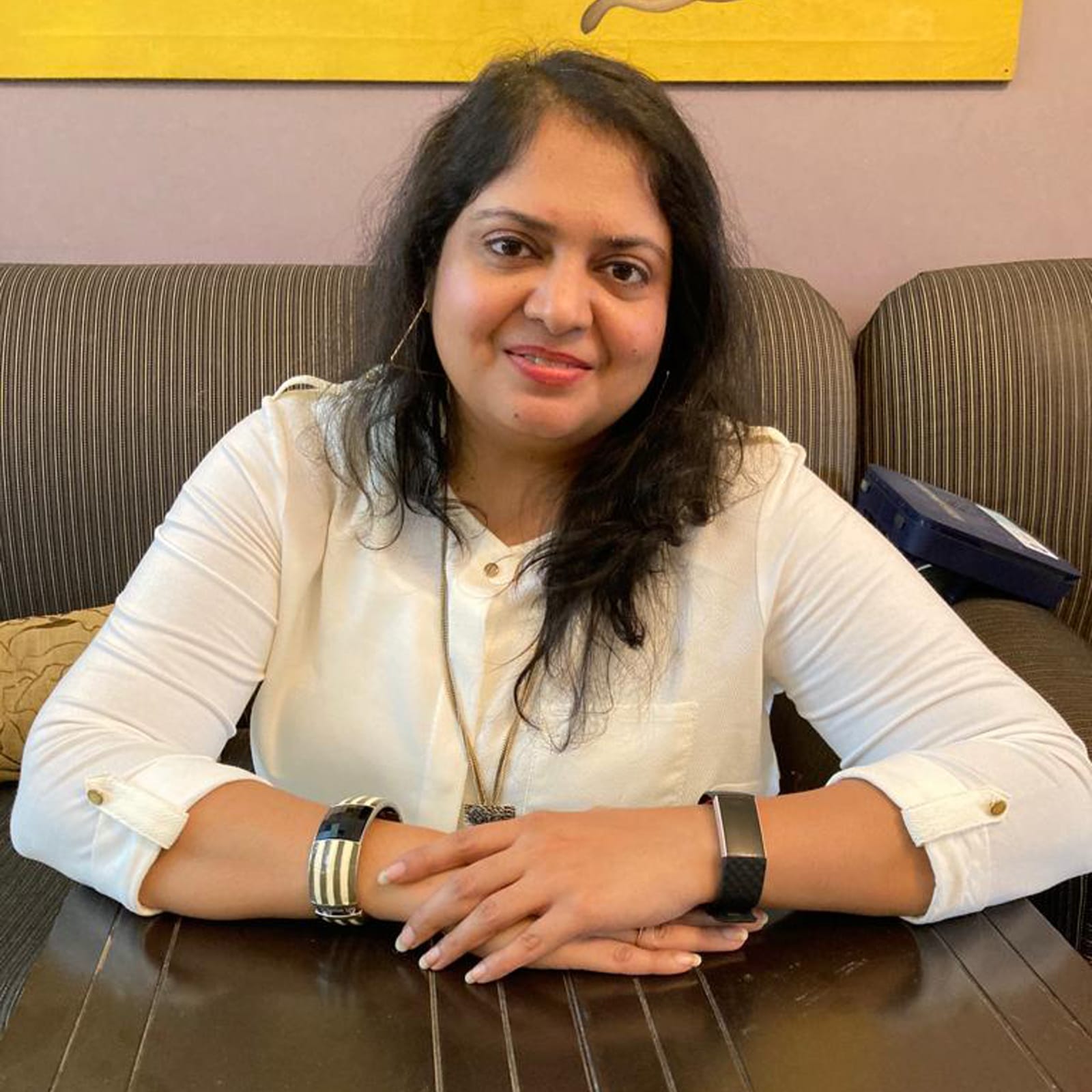
Nobel Peace Prize 2023 goes to  jugged Iranian activist Narges Mohammadi   

locked Iranian activist Narges Mohammadi won the Nobel Peace Prize on Friday in recognition of her  inexhaustible campaigning for women’s rights and republic, and against the death penalty.   Mohammadi, 51, has kept up her activism despite  multitudinous apprehensions by Iranian authorities and spending times behind bars. She has remained a leading light for civil, women- led  demurrers, sparked by the death last time of a 22- time-old woman in police  guardianship.  “ 

This prize is first and foremost a recognition of the  veritably important work of a whole movement in Iran with its undisputed leader, Narges Mohammadi, ” said Berit Reiss- Andersen, the  president of the Norwegian Nobel Committee who  blazoned the prize in Oslo. 

 She said the commission hopes the prize “ is an  stimulant to continue the work in whichever form this movement finds to be  befitting. ” She also  prompted Iran to releaseMs. Mohammadi in time for the prize  form on December 10.   In a statement to The New York Times,Ms. Mohammadi said the “ global support and recognition of my  mortal rights advocacy makes me more resolved,  further responsible, more passionate and more hopeful ”   ‘ Palm is near ’   “ I also hope this recognition makes Iranians protesting for change stronger and  further  systematized, ” she added. 

Source: www.indianexpress.com

“ Palm is near. ”   Mohammadi, an  mastermind by training, has been  locked  13 times and condemned five times, according toMs. Reiss- Andersen. In total, she has been  doomed to 31 times in captivity. Her most recent incarceration began when she was detained in 2021 after attending a  keepsake for a person killed in  demurrers sparked by an increase in gasoline prices. She has been held at Tehran’s Evin Prison. Her family, Hamidreza Mohammadi, said he has not been in touch with his family but that the prize “ means a lot to her ”.

  Mohammadi is the 19th woman to win the Nobel Peace Prize, and the alternate Iranian woman, after  mortal rights activist Shirin Ebadi won the award in 2003.

For more information visit at https://happenrecently.com/zepto/?amp=1
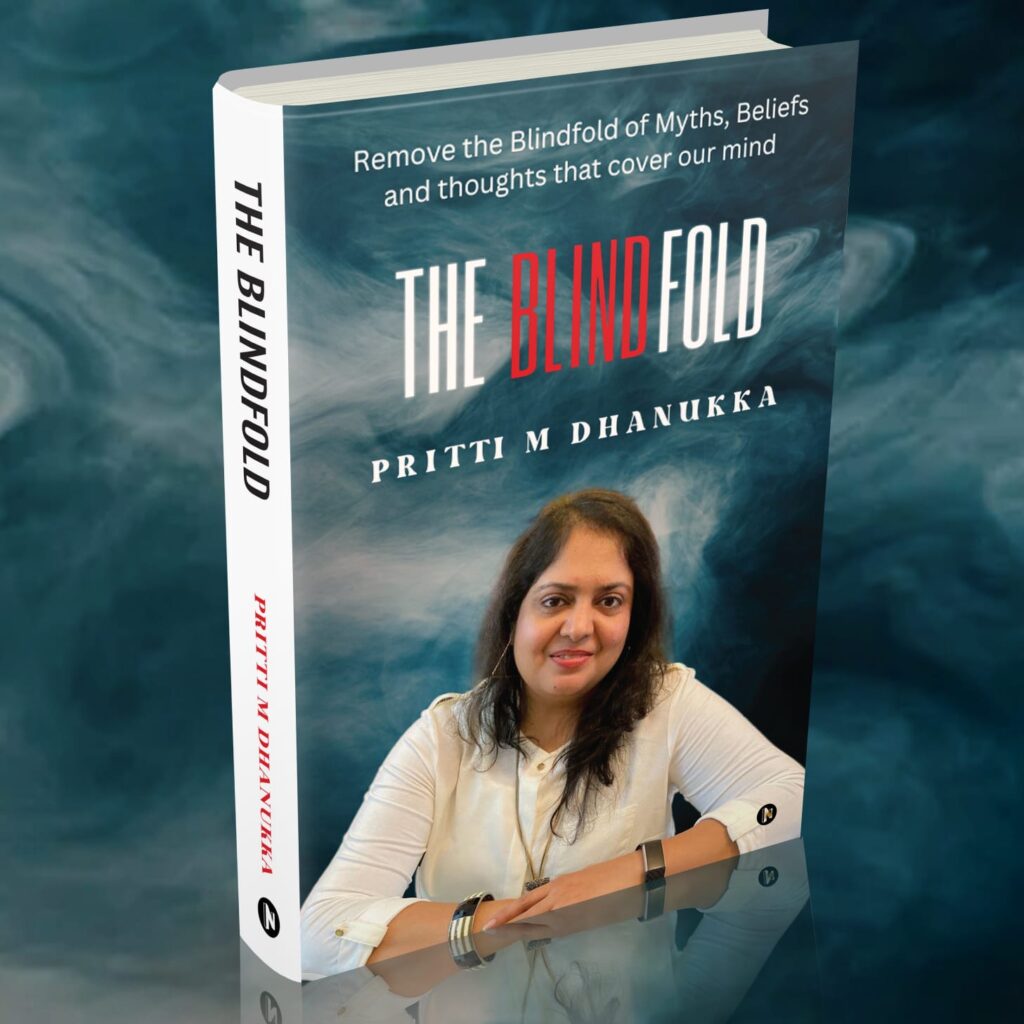
M S Swaminathan was a true  growers ’ scientist

The Father of the Indian Green Revolution guided our nation towards  tone-  adequacy and  tone- confidence. He did everything with the  planter at heart — as a true Kisan Vaigyanik   A many days ago we lost Professor M S Swaminathan. 

Our nation lost a visionary who revolutionised agrarian  wisdom, a stalwart whose  donation to India will always be etched in golden letters. Professor Swaminathan loved India and wanted our nation and our  growers, in particular — to lead a life of substance.   Academically brilliant, he could have chosen any career but he was so impacted by the Bengal  shortage of 1943 that he was clear that, if there was one thing he’d do, it would be to study  husbandry.  At a  fairly  youthful age, he came in contact with Dr Norman Borlaug and followed his work in great detail.

 In the 1950s, he was offered a faculty position in the US but he rejected it because he wanted to work in India and for India.   I want you all to  suppose about the  grueling  circumstances in which he stood as a  giant, guiding our nation towards the path of  tone-  adequacy and  tone- confidence. In the first two decades after Independence, we were dealing with immense challenges — one of them was food  dearths. In the early 1960s, India was  scuffling with the  portentous  murk of  shortage and it was  also that Professor Swaminathan’s unyielding commitment and foresight  steered a new  period of agrarian substance.  

 His pioneering work in  husbandry and specific sectors like wheat  parentage led to a significant increase in  product, turning India from a food-deficient country into a  tone- sufficient nation. This tremendous achievement earned him the  well-conditioned  justified title of the ‘ Father of the Indian Green Revolution ’.   My  particular  relations with Professor Swaminathan were  expansive. They began after I took over as Chief Minister of Gujarat in 2001. 

During those days, Gujarat wasn’t known for its agrarian prowess. consecutive  famines, a super cyclone and an earthquake had impacted the growth line of the state. Among the  numerous  enterprise we launched was the Soil Health Card, which enabled us to understand the soil more and address problems if they arose.   It was in the  environment of this scheme that I met Professor Swaminathan. He appreciated the scheme and also participated his  precious inputs for it. 

His countersign was enough to  move those who were sceptical about the scheme which would  ultimately set the stage for Gujarat’s agrarian success.   The Kural describes  growers as the leg that holds the world together, because it’s the  growers who sustain everyone. Professor Swaminathan understood this principle  veritably well. A lot of people call him a “ Krishi Vaigyanik ” — an Agrarian Scientist. But I’ve always believed that he was indeed more. He was a true “ Kisan Vaigyanik ” — a Farmers ’ Scientist. In his heart there was a  planter. 

The success of his  workshop isn’t  confined to their academic excellence; it lies in the impact they’ve had outside the laboratories, in the  granges and the fields.   His work narrowed the gap between scientific knowledge and its practical  operation. He  constantly  supported for sustainable  husbandry, emphasising the delicate balance between  mortal advancement and ecological sustainability. Then, I must also note Professor Swaminathan’s special emphasis on  perfecting the lives of small  growers and  icing they also enjoy the fruits of  invention. He was particularly passionate about  perfecting the lives of women  growers.  

 There’s another aspect about Professor Swaminathan which is remarkable he stands altitudinous as a  eidolon of  invention and mentorship. When he won the World Food Prize in 1987, the first philanthropist of this prestigious honour, he used the prize  plutocrat to establish a not- for- profit  exploration foundation.   Till date, it undertakes  expansive work across  colorful sectors. He has nurtured  innumerous minds, breeding in them a passion for  literacy and  invention. In a  fleetly changing world, his life reminds us of the enduring power of knowledge, mentorship, and  invention. He was an institution builder as well, having to his credit  numerous centres where vibrant  exploration takes place. One of his stints was as Director, International Rice Research Institute, Manila.  

 The South Asia Regional Centre of the International Rice Research Institute was opened in Varanasi in 2018.  I’ll again cite the Kural to pay  paeans to Dr Swaminathan. It’s written there, “ If those who have planned have firmness, they will attain what they’ve asked  the way they’ve asked . ” Then was a stalwart who decided beforehand on in his life that he wanted to strengthen  husbandry and serve  growers. And, he did it exceptionally innovatively and passionately.   Dr Swaminathan’s  benefactions continue to inspire and guide us as we navigate the path of agrarian  invention and sustainability. We must also keep reaffirming our commitment to the principles he held dear —  backing the cause of  growers and  icing that the fruits of scientific  invention reach the roots of our agrarian breadth, fostering growth, sustainability, and substance for generations to come. 

  A many days ago we lost Professor M S Swaminathan. Our nation lost a visionary who revolutionised agrarian  wisdom, a stalwart whose  donation to India will always be etched in golden letters. Professor Swaminathan loved India and wanted our nation and our  growers, in particular — to lead a life of substance. Academically brilliant, he could have chosen any career but he was so impacted by the Bengal  shortage of 1943 that he was clear that, if there was one thing he’d do, it would be to study  husbandry. At a  fairly  youthful age, he came in contact with Dr Norman Borlaug and followed his work in great detail.

   In the 1950s, he was offered a faculty position in the US but he rejected it because he wanted to work in India and for India. I want you all to  suppose about the  grueling  circumstances in which he stood as a  giant, guiding our nation towards the path of  tone-  adequacy and  tone- confidence. In the first two decades after Independence, we were dealing with immense challenges — one of them was food  dearths. In the early 1960s, India was  scuffling with the  portentous  murk of  shortage and it was  also that Professor Swaminathan’s unyielding commitment and foresight  steered a new  period of agrarian substance. 

  His pioneering work in  husbandry and specific sectors like wheat  parentage led to a significant increase in  product, turning India from a food-deficient country into a  tone- sufficient nation. This tremendous achievement earned him the  well-conditioned  justified title of the ‘ Father of the Indian Green Revolution ’. The Green Revolution offered a  regard of India’s ‘ Can do spirit ’ — that if we’ve a billion challenges, we also have a billion minds with the  honey of  invention to overcome those challenges. Five decades after the Green Revolution began, Indian  husbandry has come far more  ultramodern and progressive.

   But the very foundations laid by Professor Swaminathan can  noway  be forgotten. Over the times, he  shouldered  introducing  exploration in combating  spongers affecting the potato crop. His  exploration also enabled potato crops to  repel cold rainfall. moment, the world is talking about millets or ‘ Shree Anna ’ as superfoods, but Professor Swaminathan had encouraged a  converse around millets since the 1990s. My  particular  relations with Professor Swaminathan were  expansive.   They began after I took over as Chief Minister of Gujarat in 2001. During those days, Gujarat wasn’t known for its agrarian prowess. consecutive  famines, a super cyclone and an earthquake had impacted the growth line of the state. 

Among the  numerous  enterprise we launched was the Soil Health Card, which enabled us to understand the soil more and address problems if they arose. It was in the  environment of this scheme that I met Professor Swaminathan. He appreciated the scheme and also participated his  precious inputs for it. His countersign was enough to  move those who were sceptical about the scheme which would  ultimately set the stage for Gujarat’s agrarian success. Our  relations continued during my  principal clerical  term and also when I took over as Prime Minister. 

I met him at the International Agrobiodiversity Congress in 2016 and the coming time, in 2017, I launched a two- part book series written by him. 

The Kural describes  growers as the leg that holds the world together, because it’s the  growers who sustain everyone. Professor Swaminathan understood this principle  veritably well. A lot of people call him a “ Krishi Vaigyanik ” — an Agrarian Scientist. But I’ve always believed that he was indeed more. He was a true “ Kisan Vaigyanik ” — a Farmers ’ Scientist.   In his heart there was a  planter. The success of his  workshop isn’t  confined to their academic excellence; it lies in the impact they’ve had outside the laboratories, in the  granges and the fields.

 His work narrowed the gap between scientific knowledge and its practical  operation. He  constantly  supported for sustainable  husbandry, emphasising the delicate balance between  mortal advancement and ecological sustainability. Then, I must also note Professor Swaminathan’s special emphasis on  perfecting the lives of small  growers and  icing they also enjoy the fruits of  invention.

 He was particularly passionate about  perfecting the lives of women  growers. There’s another aspect about Professor Swaminathan which is remarkable he stands altitudinous as a  eidolon of  invention and mentorship. When he won the World Food Prize in 1987, the first philanthropist of this prestigious honour, he used the prize  plutocrat to establish a not- for- profit  exploration foundation.   Till date, it undertakes  expansive work across  colorful sectors. He has nurtured  innumerous minds, breeding in them a passion for  literacy and  invention. In a  fleetly changing world, his life reminds us of the enduring power of knowledge, mentorship, and  invention. He was an institution builder as well, having to his credit  numerous centres where vibrant  exploration takes place. One of his stints was as Director, International Rice Research Institute, Manila.

Source: www.indianexpress.com

 The South Asia Regional Centre of the International Rice Research Institute was opened in Varanasi in 2018. I’ll again cite the Kural to pay  paeans to Dr Swaminathan. It’s written there, “ If those who have planned have firmness, they will attain what they’ve asked  the way they’ve asked . ”   Then was a stalwart who decided beforehand on in his life that he wanted to strengthen  husbandry and serve  growers. And, he did it exceptionally innovatively and passionately.

 Dr Swaminathan’s  benefactions continue to inspire and guide us as we navigate the path of agrarian  invention and sustainability. We must also keep reaffirming our commitment to the principles he held dear —  backing the cause of  growers and  icing that the fruits of scientific  invention reach the roots of our agrarian breadth, fostering growth, sustainability, and substance for generations to come.

For more information visit at https://happenrecently.com/zepto/?amp=1

No vested right’ Court asks AAP MP Raghav Chadha to vacate Type 7 govt bungalow 

  Emphasizing that Chadha has” no vested right in the accommodation and his status is akin to that of a designee”, the court said it” can be abandoned by the competent authority at any time.”   October 6, 2023 by Jaison Wilson  NEW DELHI A Delhi court has ordered that Aam Aadmi Party MP Raghav Chadha has no vested right to continue to  enthrall  his government bungalow after the cancellation of its allotment.

   Fresh District Judge Sudhanshu Kaushik vacated an earlier order that stopped the Rajya Sabha Secretariat from evicting Chadha from his government accommodation.  ” Plaintiff( Chadha) can not claim that he has an absolute right to continue to  enthrall  the accommodation during his entire  term as a Member of Rajya Sabha.

 The allotment of Government accommodation is only an honor given to the complainant and he has no vested right to continue to  enthrall  the same indeed after the cancellation of allotment,” said the order. “. the argument that the accommodation  formerly made to a Member of Parliament can not be canceled under any circumstances during the entire  term of Member of Parliament deserves rejection,” the court clarified in the order. 

  Chadha had moved the court, stating the cancellation of the allotment of his Type VII bungalow on Pandara Road, New Delhi, didn’t follow due process of law, was arbitrary, and that no reasons were  given for it.   

 A Delhi court has ordered that Aam Aadmi Party MP Raghav Chadha has no vested right to continue to  enthrall  his government bungalow after the cancellation of its allotment. fresh District Judge Sudhanshu Kaushik vacated an earlier order that stopped the Rajya Sabha Secretariat from evicting Chadha from his government accommodation.” Complainant( Chadha) can not claim that he has an absolute right to continue to  enthrall  the accommodation during his entire  term as a Member of Rajya Sabha.

 The allotment of Government accommodation is only a  honor given to the complainant and he has no vested right to continue to  enthrall  the same indeed after the cancellation of allotment,” said the order. 

Source: www.indianexpress.com

  before in June, the Rajya Sabha secretariat was directed by the court not to evict him from a Type- 7 bungalow in Lutyens ’ Delhi, which is  generally  distributed to lawgivers who are former ministers,  principal ministers or governors, till the pendency of his  operation and without following the due process of law.”. the argument that the accommodation  formerly made to a Member of Parliament can not be canceled under any circumstances during the entire  term of Member of Parliament deserves rejection,” the court clarified in the order.   

Emphasizing that Chadha has” no vested right in the accommodation and his status is akin to that of a designee”, the court said it” can be abandoned by the competent authority at any time.”   before, Chadha had moved the court, stating the cancellation of the allotment of his Type VII bungalow on Pandara Road, New Delhi, didn’t follow due process of law, was arbitrary, and that no reasons were  handed for it.

 It was claimed by the AAP leader that for removing an MP from the bungalow, reasons must be  handed in the letter of allotment. While appealing against the eviction, Chadhar had  supplicated that he was abiding with his parents.   Parineeti Chopra and Raghav Chadha share first  prints from their  marriage.

For more information visit at www.cdaglobalnews.com

Mukesh Sharma: A Legacy of Astrological Mastery

Mukesh Sharma:

Hailing from the enchanting state of Rajasthan, India, Mukesh Sharma’s journey into the mystical realm of astrology is deeply intertwined with his family’s rich heritage. He embarked on his astrological voyage under the expert guidance of his father and grandfather, revered astrologers in their own right. This invaluable ancestral wisdom laid the foundation for Mukesh Sharma’s illustrious career in astrology.
Seeking to augment his knowledge, Mukesh Sharma pursued formal education in Vedic Hindu Astrology at a prestigious college in the sacred city of Haridwar. Armed with this potent blend of ancestral insights and academic brilliance, he emerged as a celebrated figure in the field of astrology in India.

Our Multifaceted Services

“Astrologer Mukesh Sharma”– leaves no stone unturned in its mission to serve humanity through astrology. Our offerings span a wide spectrum, tailored to address the diverse challenges that life presents. Here is a glimpse of the services we provide:

  1. Love Problem Solutions:
    Love’s journey is often marked by complexities and heartaches. Mukesh Sharma’s expertise in Vedic Hindu Astrology allows him to navigate the intricate labyrinth of love and relationships. Whether you seek guidance for a new love, long to rekindle lost passion, or need help navigating a breakup, our customized solutions are designed to ease your heart’s burden.
  2. Health Solutions:
    Health is the foundation of a fulfilling life. Through astrology, we can identify potential health risks, decode astrological factors influencing your well-being, and offer guidance to maintain or enhance your overall health.
  3. Career Solutions:
    Finding the right career path can be a daunting task. Our astrological insights help illuminate your innate talents, strengths, and potential career avenues. Armed with this knowledge, you can make informed choices and discover greater job satisfaction.
  4. Relationship Solutions:
    Strong and harmonious relationships are essential for a fulfilling life. Whether it’s family dynamics, friendships, or romantic partnerships, our astrological insights shed light on the dynamics at play, offering guidance for improved communication and conflict resolution.
  5. Education Solutions:
    Education is the gateway to personal and professional growth. We provide insights into the best educational paths, potential areas of expertise, and strategies for success in your academic journey.
  6. Astrology & Vaastu Services:
    Our offerings extend beyond personal guidance. We also specialize in astrology & Vaastu services, ensuring that your living and working spaces are harmonized with cosmic energies, promoting positivity and prosperity.

A Record of Success
Our expertise in Vedic Hindu Astrology has led to the successful resolution of over 7500+ cases. We have tackled issues ranging from love problems and marriage conflicts to complex matters like court cases, divorce, and the removal of Vashikaran and Black Magic.

Global Reach, Swift Solutions- Life’s challenges know no boundaries, and neither do we. Mukesh Sharma extends his services internationally, catering to clients in countries such as India, America, Canada, Australia, the UK, the USA, and beyond through online consultations. Our commitment to providing solutions within a swift 48-hour timeframe ensures that we offer a helping hand to anyone seeking guidance and resolution for life’s challenges.

Consult Mukesh Sharma Today-As you navigate life’s intricate twists and turns, we invite you to consult Mukesh Sharma without hesitation. Through the profound wisdom of Vedic Hindu Astrology, he strives to bring solutions to all your problems, lighting up your path with the brilliance of the stars. Your destiny is within reach, and Mukesh Sharma is here to help you shape it.

Conclusion
For over 18 years, “Astrologer Mukesh Sharma” has been dedicated to guiding lives, fulfilling dreams, and offering solutions to life’s myriad problems through the wisdom of astrology. Our commitment to excellence, precision, and effectiveness has earned us the trust and appreciation of our valued clients. Allow us to be your guiding light as you navigate the intricate tapestry of life, with the assurance that your dreams can indeed become a reality. Mukesh Sharma’s legacy of astrological mastery continues to inspire and transform lives across the globe.

Website : www.astromukeshsharma.com
Facebook : facebook.com/astromukeshsharmaji
Instagram : instagram.com/Astrologer_mukesh_sharma

PREPKEYZ’s FOUNDER MOBIN KHAN LAUNCHED LEARNING ANALYSIS SOLUTION THROUGH ARTIFICIAL INTELLIGENCE TECHNOLOGY FOR ALL EXAMS

MOBIN KHAN

Breakthrough in Education Technology for Students:


PREPKEYZ’s FOUNDER MOBIN KHAN LAUNCHED LEARNING ANALYSIS SOLUTION THROUGH ARTIFICIAL INTELLIGENCE TECHNOLOGY FOR ALL EXAMS

It took students some time to embrace learning analysis technology. But it was only a matter of time before a large section of India’s students adopted technology, making the country a pioneer in the use of technology for learning needs. From learning to doubt solving, the ed-tech sector has been open to innovative tools. Continuing the innovation trend in the education sector, Ed-Tech startup PREPKEYZ has launched a breakthrough learning analysis solution that analyze for exams related

The Journey:
A passion for technology led Mobin Khan, a seasoned entrepreneur, to launch PREPKEYZ in 2022. The ed-tech startup revolutionizes onboarding processes through its student-friendly DIY learning analysis. PREPKEYZ has introduced Mock Test, with three distinct categories: Home Exams, Board Exams, and Entrance/Competitive Exams. These offerings are tailored to meet the specific needs of the students respectively.

Mobin Khan described this innovation as more than just a visual upgrade.

Here is how LEARNING ANALYSIS will revolutionize the exams experience for students:

Accuracy Analysis
Aptitude Analysis
Percentile Analysis
Time-Management Analysis
Ranking Analysis

A Glimpse into the Education Future:
PREPKEYZ is committed to further enhancing and refining the existing learning analysis technology for exams.

“We want to continually push the boundaries of what’s possible in terms of student engagement, learning and personalization. We plan to introduce new features with technology, such as AI-driven learning analysis within the technology environment, to provide students with even more valuable analysis and assistance in analyzing their learning and parents can download the analysis report with two minutes after test submission,” Mobin said.

Website: http://www.prepkeyz.com

LinkedIn: https://www.linkedin.com/in/mobin-khann/