Friday, June 5, 2026
Home Blog Page 235

Social justice and sexual education the need of our time!

In the contemporary landscape, the intertwining issues of social justice and sexual education stand out as crucial components of societal progress. Recognizing and addressing these needs is essential for fostering a more equitable and informed world.

Social justice encompasses the fair and just treatment of all individuals, irrespective of their background or identity. It is imperative to acknowledge that marginalized groups often face disparities in various aspects of life, including access to education, healthcare, and opportunities. By promoting social justice, we aim to dismantle systemic barriers and create an inclusive environment that values diversity.

Sexual education is an integral aspect of personal development and well-being. In the rapidly evolving social fabric, a comprehensive understanding of one’s sexuality is vital. A robust sexual education curriculum goes beyond the biological aspects of reproduction; it embraces discussions on consent, healthy relationships, and diverse sexual orientations. In doing so, it equips individuals with the knowledge and skills needed to make informed decisions, fostering a culture of respect and understanding.

The intersectionality of social justice and sexual education is particularly evident when considering marginalized communities. Access to inclusive sexual education is a matter of justice, ensuring that individuals from all backgrounds receive the information and support they need to navigate their sexual lives safely. This includes addressing the unique challenges faced by LGBTQ+ individuals, people of color, and those with disabilities.

Moreover, breaking the stigma surrounding sexuality through education is a step towards dismantling harmful stereotypes and fostering empathy. A society that embraces sexual diversity contributes to the overall well-being of its members, promoting mental health and reducing the prevalence of discrimination.

In educational settings, incorporating social justice principles into sexual education programs creates an environment that values diversity, challenges stereotypes, and promotes equality. It encourages open dialogue, allowing students to explore and understand different perspectives on sexuality, fostering empathy and breaking down prejudices.

In conclusion, the confluence of social justice and sexual education is undeniably the need of our time. It is a commitment to building a society where everyone, regardless of their background, can access comprehensive information about their bodies, relationships, and identities. By intertwining these essential elements, we pave the way for a more equitable and informed future, where individuals are empowered to navigate the complexities of their lives with respect, empathy, and understanding.

For more information visit at https://happenrecently.com/zepto/?amp=1
India’s Q2FY24 GDP data  moment Economists anticipate growth in range of 6.8- 7 in July- Sept quarter   

Economists anticipate the Indian frugality to hold up well in Q2FY24 with GDP growth print in the range of 6.8- 7 per cent during the July- September quarter. The National Statistical Office( NSO), Ministry of Statistics and Programme perpetration will release the GDP  figures on November 30.   

The Indian frugality is anticipated to hold up well in Q2FY24 with GDP growth print in the range of 6.8- 7 per cent during the July- September quarter, said economists. India had recorded Q1 GDP data at7.8 per cent, which was followed by 6.1 percent in the  former January- March quarter of FY23. Deepak Jasani, Head Retail Research at HDFC Securities, said, “ India’s GDP for Q2FY24 will  probably be in the 6.8- 7 per cent band( vs7.8 per cent in Q1FY24) due to normalising base, erratic thunderstorm( though having benevolent impact on some sectors like mining),  pastoral  profitable challenges, detainments in  gleeful conditioning and a  retardation in government capital expenditure. still, this number will still be advanced than the RBI MPC  cast of 6.5 per cent. ” 

Before, the RBI had projected a growth rate of 6.5 per cent during Q2FY24.  

 The National Statistical Office( NSO), Ministry of Statistics and Programme perpetration will release the GDP  figures on November 30. According to a Reuters  check, India is anticipated to expand by6.8 per cent in the July- September quarter compared to the same period last time.  

 Meanwhile, Suman Chowdhury, Chief Economist and Head of Research, Acuité Conditions & Research Limited, said, “ The adaptability in civic demand is  easily one of the primary  motorists of the current  instigation in the Indian frugality. Civic demand has reportedly been strong as reflected by a step up in passenger vehicle deals, online food deliveries, airline business and  hostel  residencies which has particularly  restated into a stronger than anticipated  instigation in the services sector. While India did n’t win the ICC Justice World Cup, the event surely did its bit to also push up consumption demand in the months of Oct- Nov ’23 along with the regular  fests. ” 

Nonetheless, he maintained that the  pastoral machine is running on a slightly different track. “ There are  suggestions of a weaker  pastoral demand due to the El Nino  miracle, the estimated space in the kharif crop and the  pitfalls to the current rabi crop, ” said Suman Chowdhury.   

Frugality is anticipated to hold up well in Q2FY24 with affair expanding by6.5 per cent. Strength in civic demand is anticipated to support growth as reflected in high-  frequence data  similar as GST collections and credit growth  figures. Still, a shaft in consumer affectation in Q2 to6.4 per cent and delayed  gleeful season this time could weigh on private consumption growth. Further,  donation of net exports to growth could turn positive due to a significant narrowing of trade  deficiency compared to a time ago. On the  force side, the services sector will continue to power growth while construction and manufacturing are also anticipated to put up a good show.  

 The underpinning  instigation continues to remain strong amid sustained  sanguinity in the services sector, expedients of strong capital expenditure by the government, and of pick up in consumption expenditure. In H2, India will have to deal with uneven  downfall, narrowing differentials with time- ago commodity prices, weak external demand and the accretive impact of  financial tightening.  

 Rumki Majumdar, Economist, Deloitte India   A many high  frequence  figures  similar as credit growth, breakouts taken, suggest that the services sector remains buoyed as consumer spending picks up. A  make up to  gleeful season bodes well for the  profitable  exertion. We’re also  awaiting the assiduity sector to do well as seen in the answer in  bus deals, IIP manufacturing  figures, and strong commercial  gains in sectors  similar as capital goods, cement and electronics. Overall, we anticipate GDP to be around 6.4-6.7 per cent YoY in the July- September quarter.   

Suman Chowdhury, Chief Economist and Head of Research, Acuité Conditions & Research Limited   

The Indian frugality has delivered a strong performance in the first half of FY24 with the GDP growth print in Q1FY24 high at7.8 per cent YoY. This is set to be followed by another solid 6.8 per cent YoY growth in the alternate quarter, going by the data on high  frequence  pointers. Both the consumption and the investment  motorists were in action in HIFY24; while  profitable  exertion has continued to be  commanded by public investments in the  structure sector, India’s consumption  geography has also stood like an oasis of comfort.  

 The adaptability in civic demand is  easily one of the primary  motorists of the current  instigation in the Indian frugality. Civic demand has reportedly been strong as reflected by a step up in passenger vehicle deals, on- line food deliveries, airline business and  hostel  residencies which has particularly  restated into a stronger than anticipated  instigation in the services sector. While India did n’t win the ICC Justice World Cup, the event surely did its bit to also push up consumption demand in the months of Oct- Nov ’23 along with the regular  fests. 

  Nonetheless, the  pastoral machine is running on a slightly different track. There are  suggestions of a weaker  pastoral demand due to the El Nino  miracle, the estimated space in the kharif crop and the  pitfalls to the current rabi crop. Having been on a path of mend over the last three  diggings,  pastoral consumption recovery was  still punctured in Q2 FY24 owing to a  convergence of adverse macroeconomic and seasonal factors including high affectation in Q2 and the irregular thunderstorm. Some of the high-  frequence data points have validated the Q2 FY24  retardation in  pastoral demand.   Aditi Nayar, Chief Economist, Head- Research & Outreach, ICRA Ltd   A normalising base and an erratic thunderstorm are anticipated to affect in a  successional  temperance in the GDP growth to 7.0 per cent in Q2FY24 from 7.8 per cent in Q1FY24. Anyhow, we anticipate that the GDP expansion in this quarter will exceed the Monetary Policy Committee’s( MPC’s) October 2023  protuberance of 6.5 per cent. Looking ahead, uneven  downfall, narrowing differentials with time- ago commodity prices, the possible  retardation in  instigation of Government capex as we approach the Administrative choices, weak external demand and the accretive impact of  financial tightening are likely to  restate into lower GDP growth in H2 FY2024. As a result, we maintain our FY2024 GDP growth estimate at6.0 per cent, lower than the MPC’s  protuberance of 6.5 per cent for the  financial. 

  For  further information visit at https://happenrecently.com/zepto/?amp=1
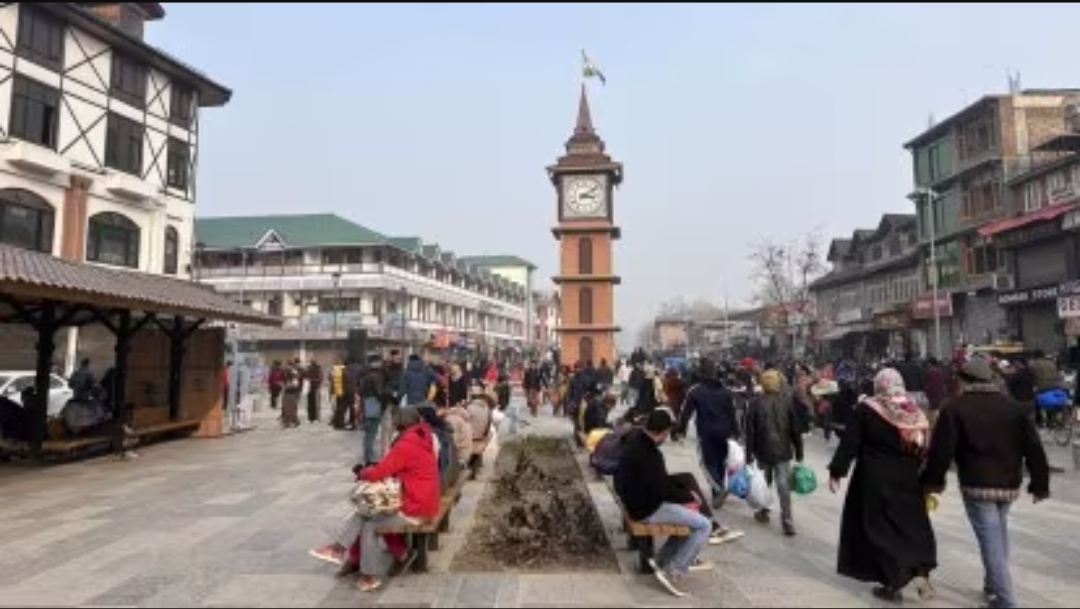
No progress  in  WTO  agriculture negotiations; question about stocks escaping  consensus 

To counter  this, India along with the  G-33,  a coalition of developing  and African  countries,  is  looking for  a  long-term  solution for  national  food security that would give them  flexibility to  grant aid.  higher  agricultural  support. 

  Negotiations  at  this month’s  World Trade  Organization (WHO) ministerial  meeting on agriculture  failed to make expected progress  due to  politically sensitive issues such as public  stocks. to ensure  food security and domestic support for farmers  continues  to  drive a wedge between  developed and developing  countries like  India.  

 This  is of particular importance  for New  Delhi,  as its  Public Share Scheme  (PSH)  has been  challenged by  major  grain exporters such as the  United States  and  Canada,  on the grounds that  the scheme  is  Subsidies abound,  especially for rice, and  this  distorts policy.  global  food grain  market. India is the  world’s  largest rice  exporter.  

  To counter  this, India along with the  G-33,  a coalition of developing  and African  countries,  is  looking for  a  long-term  solution for  national  food security that would give them  flexibility to  grant aid.  higher  agricultural  support. As per WTO norms, agri subsidy should not exceed 10 per cent of the value of agricultural production for developing countries.  

 However, India’s subsidy on rice has exceeded the threshold on multiple occasions forcing it to invoke the ‘peace clause’ agreed during the Bali ministerial in 2013 which allows developing countries to breach the 10 per cent ceiling without invoking legal action by members. Developing nations have questioned the subsidy calculation. 

  Earlier this year, Finance Minister Nirmala Sitharaman at the Asian Development Bank’s annual general meeting said that WTO must revisit the prickly issue of food and fertilizer subsidies as both have become critical to developing economies which are not taken into account while deciding tariff and pricing rules.

 As per a statement on Wednesday, WTO Director-General, Ngozi Okonjo-Iweala said “Senior Officials Meeting held at the WTO on 23-24 October clearly recognised that the ongoing agriculture negotiations have failed to achieve the progress members have called for.” 

 To break the ongoing logjam the United Arab Emirates, the host of the upcoming 13th Ministerial Conference (MC13) scheduled in February 2024 “urged ministers to provide political guidance to agriculture negotiators” in the run-up to the ministerial conference.  Furthermore, the President of the WTO  General  Council,  Ambassador Athaliah Lesiba  Molokomme,  emphasized that  “higher-level political guidance is  required  to  give  decisive  impetus to the  [agriculture] negotiations and  defuse tensions . 

  The thorniest issues,  especially the construction of  public  stockpiles  for food security  and domestic  support purposes, in  the  context of  high  levels  of political  tension.  

  sensitive  around  them.  

  Underlining  the importance of  agricultural  negotiations ahead of MC13,  UAE Minister of Foreign Trade  Thani bin Ahmed Al Zeyoudi said  the  agricultural  sector faces  many  challenges, including growing food  insecurity. increased  due to adverse weather  conditions, pandemics  and conflicts  caused by Covid-19.  are  at a “crossroads”  

 “The food security  agenda  achieved at MC12  is an important  emergency response, but  much work  remains to be done to structurally address the expected devastating impacts of  transformation  climate  and  to  sustainably and equitably  feed  a growing  global population,  estimated  at  10 billion  people from here.  2050. The sector  must  also  adapt as it is a significant source of greenhouse gas emissions,” Zeyoudi said in the official statement.  

For more information visit at https://happenrecently.com/zepto/?amp=1
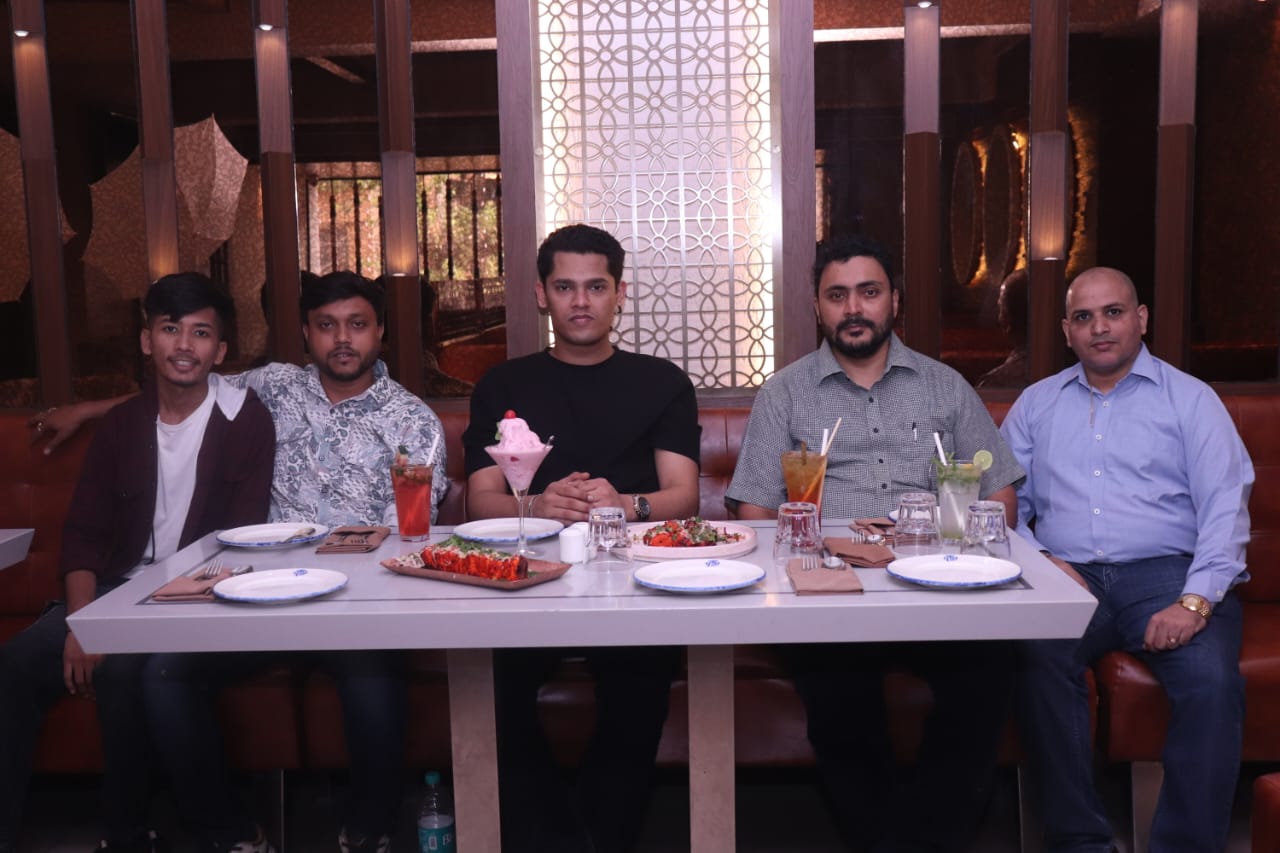
CricAdda Unveils Bollywood Icon Sanjay Dutt as Brand Ambassador, Amplifying Gaming Experience

CricAdda

CricAdda Unveils Bollywood Icon Sanjay Dutt as Brand Ambassador, Amplifying Gaming Experience
In a strategic move to elevate its standing and capture a wider audience, CricAdda, the dynamic online sports and fantasy gaming platform, proudly announces the iconic Bollywood figure, Sanjay Dutt, as its esteemed brand ambassador. This exciting partnership reflects CricAdda’s commitment to redefining the gaming landscape and enhancing the overall experience for its users.

Sanjay Dutt, a celebrated Indian film actor and avid gaming enthusiast, expressed his excitement about the collaboration, stating, “I am thrilled to join forces with CricAdda as their brand ambassador. As a passionate sports lover and gaming aficionado, I am enthusiastic about being part of a platform that offers an extensive array of sports and an immersive gaming journey for players.”

In his role as the face of CricAdda, Sanjay Dutt will take centre stage in various marketing initiatives, participating in multifaceted campaigns, promotions, and events. Beyond his visible presence, Dutt aims to champion the brand’s ethos of delivering a dynamic and enjoyable gaming ambiance to the gaming community.

CricAdda, renowned for its comprehensive range of gaming experiences, offers real-time updates on live scores, upcoming matches, player auctions, and trending sports news. The platform caters to diverse gaming preferences, featuring an extensive assortment encompassing football, cricket, tennis, kabaddi, and a variety of other sports.

Additionally, CricAdda indulges players with an exclusive selection of Indian games, including Andar Bahar, 20-20 Cricket, Bollywood Casino, and a variety of entertainment-driven games, ensuring a diversified user experience.

Navigating the CricAdda website is a seamless and intuitive experience, fostering user convenience across both mobile and desktop platforms. The user-friendly interface ensures easy access to diverse sports with ‘Quick Links’ showcasing key events and a dedicated ‘Live’ symbol for in-play matches, offering users an opportunity to immerse themselves in the thrill of live gaming action.

CricAdda emphasizes its commitment to user satisfaction through an adept customer support team readily available to address any queries or concerns via the website’s contact form or email correspondence.

With Sanjay Dutt joining the CricAdda family, the platform is set for an era of enhanced engagement and elevated gaming experiences, solidifying its position as a frontrunner in the dynamic realm of online sports and fantasy gaming.

India ahead of rest of Asia: India’s merchandise exports up 6.2% YoY in Oct 2023, likely to enable narrower CAD in FY24

Prasenjit Basu and Laavanya Sisaudia, analysts and economists at ICICI Securities, said, “Given the broad based cyclical rebound in engineering goods, textile and pharmaceutical exports, we expect merchandise exports of India to accelerate further through the rest of FY24 and into FY25.”

India’s merchandise exports were up 6.2 per cent YoY in October 2023 and 2.4 per cent on YoY basis in Aug-Oct’23 period, recovering slightly ahead of the rest of Asia’s exports, said a report by ICICI Securities. South Korea’s exports grew by 5.1 per cent on-year in October 2023 after 13 consecutive months of contraction, while Taiwan’s exports declined only 2.8 per cent YoY in Aug-Oct’23, although they were down 12.8 per cent YoY in Jan-Oct’23. China, however, was a slight exception with its goods exports declining 8.2 per cent YoY in Aug-Oct’23, worse than its Jan-Oct’23 contraction of 5.2 per cent YoY, similar to India’s 4.9 per cent YoY decline for Jan-Oct’23. 

Prasenjit Basu and Laavanya Sisaudia, analysts and economists at ICICI Securities, said, “Given the broad based cyclical rebound in engineering goods, textile and pharmaceutical exports, we expect India’s merchandise exports to accelerate further through the rest of FY24 and into FY25.”

Even as US import demand in Jan-Sep’23 weakened, it is now rebounding from its troughs even with the broad US economy weakening now, and this recovery in US and OECD demand will benefit Asia’s exports (including India’s). 

CAD to shrink to 0.4 per cent of GDP in FY24E

With services exports continuing to strongly outpace services imports, India’s services trade surplus expanded 21.7 per cent YoY in Apr-Oct’23. Further, since the merchandise deficit also declined by 12 per cent YoY, the current account deficit (CAD) is likely to have narrowed to about 0.7 per cent of GDP for the period, said ICICI Securities. “The final quarter of the fiscal year is usually the strongest for the current account balance, so we expect the CAD to shrink to 0.4 per cent of GDP for FY24 – assuming that Brent crude oil averages $90/bbl in the Dec’23-Mar’24 period. Should Brent settle near its current levels (USD 80.5/bbl), a current account surplus will be the likely outcome in FY24,” the analysis report stated. 

Exports, imports likely to strengthen in FY25

With Asia’s economies strengthening and the US Fed beginning to ease monetary policy by mid-CY24, the merchandise export recovery is likely to gather pace, said ICICI Securities. Nonetheless, it added, a cyclical recovery in the global economy (other than China) will still result in mildly higher commodity prices. Given the likely strengthening of Indian import demand next year, the CAD is likely to remain slightly below 1 per cent of GDP in FY25 despite the expected rebound in exports.

Services exports grow at a modest pace

Based on the RBI data, India’s services exports grew 9.1 per cent YoY in Jul-Sep’23 (Q2FY24), while services imports declined 3.5 per cent YoY – compared with 6.2 per cent YoY and -1.2 per cent YoY respectively in Q1FY24. Including the Oct’23 estimates, the services trade surplus in Apr-Oct’23 widened by 21.7 per cent YoY, thus continuing to contribute to a YoY reduction of the current account deficit (CAD).

Cotton textile exports accelerate sharply, synthetics resume growing

Cotton textiles began rebounding in Jul’23, and have accelerated notably in Aug-Sep’23 (+26.7 per cent YoY) and Oct’23 (+36.5 per cent YoY). Synthetic textiles also resumed growing in Oct’23 (+10.2 per cent YoY), but garment exports were still contracting. 

Pharma exports strengthen; refinery, jewellery past their cyclical trough

The pharmaceutical sector has seen steady export growth over the past eight years, and accelerated to 29.3 per cent YoY growth in Oct’23 – taking their growth for Apr-Oct’23 to 8.1 per cent YoY. Petroleum product exports, however, still declined 4.65 per cent YoY in Oct’23 (and -16.2 per cent% YoY in Apr-Oct’23), while jewellery exports declined 9.8 per cent YoY in Oct’23, and 22.3 per cent YoY in Apr-Oct’23. Yet both are well past their cyclical trough and close to resuming at least modest growth, the ICICI Securities analysis stated. 

 For more information visit at https://happenrecently.com/zepto/?amp=1

$293 billion needed  to triple renewable energy in India  by 2030:  report  

 If the  IEA’s  global  net-zero emissions target is  to be  achieved,  India  will need  an additional  $101 billion in funding, on top  of  the  amount needed to triple it,  the  Ember  report  said.  

 An agreement  to triple installed  renewable energy  capacity is expected to be one of the main  discussion  points  at the upcoming COP28 climate meeting in Dubai.  However,  highlighting the challenges in  achieving  such a transition, a new report  shows  that India  will  need an investment of about $293 billion to triple its  installed  renewable energy  capacity by  2019.  

  This  translates to  around  Rs 24 lakh crore. But  tripling  India’s  renewable capacity  may  not be an adequate contribution if the world  wants  to  move towards  a  carbon neutral path.  The International Energy Agency (IEA) net zero scenarios are contingent on India being able to do much more than just tripling its renewable capacity.  

 $293 billion needed for India’s tripling of renewables by 2030: Report 

 If the IEA global net zero pathways are to be met, India would require an additional financing of $101 billion, over and above the money required for tripling, as per the report by Ember.  

 Renewable energy 

 The tripling of global renewable energy installed capacity is one of the key targets being pushed for adoption at COP28. 

 An agreement on tripling of renewable energy installed capacity is expected to be one of the main points of discussion at the upcoming COP28 climate meeting in Dubai. But highlighting the challenges in effecting such a transition, a new report has found that India would need an investment of about $293 billion to triple its renewable energy installed capacity by 2030.  This  translates to  around  Rs 24 lakh crore. But  tripling  India’s  renewable capacity  may  not be an adequate contribution if the world  wants  to  move towards  a  carbon neutral path.  The International Energy  Agency’s  (IEA) net zero  emissions  scenarios  depend  on  India’s ability  to do  more than  simply triple  its renewable capacity.  

 A new report by Ember, a UK-based independent think tank  focusing  on climate  issues,  notes that India  has  set  a target of  tripling its renewable energy capacity  by  2030,  long  before  that target is recognized  as a mandatory global  target  to ensure that there is still  an opportunity. limit the increase in  global temperature  to below  1.5 degrees Celsius  compared to  pre-industrial times. India has announced  plans to reach 450 GW of  installed  renewable  energy  capacity by 2030, more than three times  its  current capacity of about 135 GW.  But if  it wants to meet  the  IEA’s  global  net-zero emissions targets,  India  will  need to  increase  its  installed  renewable  capacity to about 570 GW by 2030, Ember said.  This  would require an additional  $101 billion in funding, on top  of  the  amount needed to triple it.  

 “This  includes additional investments  of approximately $68 billion  in  solar, $8 billion  in  wind, $14 billion  in storage  and $11 billion  in additional  transmission  capacity.  This  takes  the total investment in this scenario to  about  $394 billion (about 32 lakh crore),” the report said. 

  Tripling installed  renewable energy  capacity  globally  is one of the key targets  proposed  for  COP28. The proposal was included in the  outcome of the  G20 summit  in New Delhi in September and  was later  endorsed by about 60  countries.  

 According to IEA estimates, this  single  measure  could  avoid about 7 billion  tons  of carbon dioxide emissions  by  2030. Installation of new renewable energy capacity  increases by 9 to 10% each year,  but  will  need to  nearly  doubled to reach  that goal. The goal is to triple it  by 2030.  

For more information visit at https://happenrecently.com/zepto/?amp=1

What are the various International organizations involved towards Climate Change?

Numerous international organizations play pivotal roles in addressing climate change, reflecting the global recognition of the urgent need to combat this existential threat. These organizations operate at various levels, from overarching bodies coordinating international efforts to specialized agencies focusing on specific aspects of climate change mitigation and adaptation. Here’s an overview of some key international organizations actively involved in the fight against climate change.

### United Nations Framework Convention on Climate Change (UNFCCC):

Established in 1992, the UNFCCC serves as the overarching framework for international cooperation on climate change. The annual Conference of the Parties (COP) meetings bring together countries to discuss and negotiate climate-related agreements. The Kyoto Protocol and the Paris Agreement are crucial outcomes of these gatherings, outlining emission reduction commitments and global climate action goals.

### Intergovernmental Panel on Climate Change (IPCC):

The IPCC, established in 1988, operates under the UNFCCC and assesses scientific information related to climate change. It provides policymakers with comprehensive reviews of the current state of knowledge, facilitating informed decision-making. The IPCC’s reports are instrumental in shaping international climate policies.

### Green Climate Fund (GCF):

The GCF, established in 2010, is designed to assist developing countries in adapting to and mitigating the impacts of climate change. It channels financial resources to projects and programs that promote sustainable development, resilience, and emission reductions. The fund plays a crucial role in supporting climate-related initiatives in vulnerable regions.

### World Meteorological Organization (WMO):

The WMO, a specialized agency of the United Nations, focuses on meteorology, climatology, and related fields. It plays a critical role in monitoring and assessing climate change through its Global Atmosphere Watch program. The organization’s data and research contribute to the scientific understanding of climate patterns and trends.

### World Bank:

The World Bank supports climate change-related projects worldwide, emphasizing sustainable development and resilience-building. It provides financial assistance and technical expertise to help countries integrate climate considerations into their policies and strategies.

### International Renewable Energy Agency (IRENA):

IRENA, established in 2009, promotes the widespread adoption of renewable energy globally. By facilitating cooperation among countries, the agency aims to accelerate the transition to a sustainable energy future, reducing reliance on fossil fuels and mitigating climate change.

### United Nations Environment Programme (UNEP):

UNEP, established in 1972, plays a crucial role in coordinating international environmental efforts. It addresses various environmental issues, including climate change, through research, capacity building, and advocacy. UNEP fosters collaboration among nations to achieve environmentally sustainable development.

### Global Environment Facility (GEF):

The GEF provides financial support for projects that address global environmental issues, including climate change. It collaborates with various organizations, including the UNDP and the World Bank, to fund initiatives that promote biodiversity, climate resilience, and sustainable land management.

### International Energy Agency (IEA):

The IEA, an autonomous agency within the framework of the Organization for Economic Co-operation and Development (OECD), focuses on energy policy and analysis. It promotes energy security, economic growth, and environmental sustainability, addressing the interconnected challenges of energy and climate change.

In conclusion, these international organizations form a complex web of collaboration, each contributing its unique expertise and resources to the collective effort against climate change. Their collective impact extends beyond individual countries, emphasizing the interconnectedness of the global community in addressing this urgent and complex challenge.

For more information visit at https://happenrecently.com/zepto/?amp=1
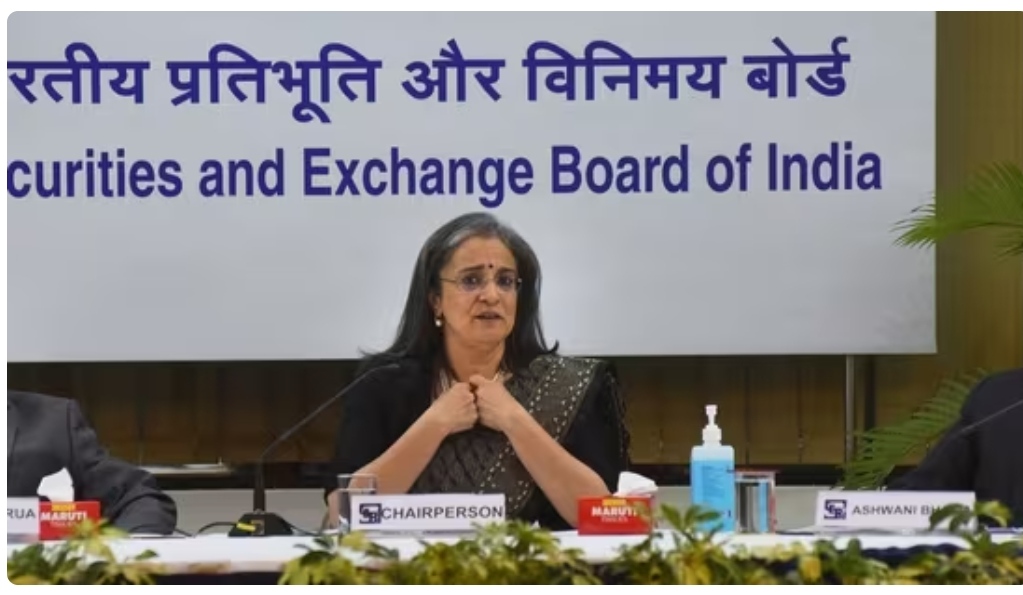
Women in Policing in India !

Women in policing in India have made significant strides in recent years, breaking traditional gender barriers to contribute to law enforcement and societal well-being. Historically, law enforcement has been a male-dominated field in India, with limited opportunities for women. However, with changing societal norms and a recognition of the importance of gender diversity in policing, there has been a notable increase in the participation of women in this crucial profession.

One key milestone was the formation of the first all-women police station in Kozhikode, Kerala, in 1973. This marked a turning point, signaling the beginning of a more inclusive approach to policing. Subsequently, the number of women joining the police force has been steadily increasing, albeit at a slower pace than in some other countries.

Despite the progress, challenges persist. Gender stereotypes and societal expectations often create hurdles for women aspiring to join the police force. There is a prevailing perception that policing is a physically demanding and male-centric profession, discouraging many women from pursuing careers in law enforcement. To address this, initiatives promoting awareness about the role of women in policing and breaking down stereotypes are crucial.

In recent years, efforts have been made to enhance the recruitment of women into the police force. Special recruitment drives, gender-sensitive policies, and reserved quotas for women in certain states have been implemented to ensure a more balanced representation. These measures aim not only to provide equal opportunities but also to bring diverse perspectives to the forefront, enhancing the effectiveness of law enforcement.

The role of women in policing goes beyond traditional law enforcement tasks. Women officers often play a crucial role in handling cases related to crimes against women and children. Their presence provides a sense of comfort and approachability to victims, encouraging them to come forward and report crimes. This shift towards a more empathetic and understanding approach is reshaping the image of the police force in the eyes of the public.

Furthermore, women in policing contribute significantly to community policing initiatives. Their ability to build rapport and connect with different segments of society helps in fostering trust between law enforcement and the community. This is particularly important in a diverse country like India, where community cooperation is essential for effective crime prevention and resolution.

However, there is still work to be done to address the gender gap in leadership roles within the police force. While the number of women entering the force is increasing, they are often underrepresented in higher-ranking positions. Encouraging career progression through mentorship programs, leadership training, and addressing any systemic biases is vital to ensuring equal opportunities for women in all facets of policing.

In conclusion, the role of women in policing in India has evolved positively over the years, with increased representation and a broader recognition of their contributions. Efforts to break down gender stereotypes, improve recruitment strategies, and promote women in leadership positions are essential for fostering a more inclusive and effective police force. As India continues to progress, embracing diversity in law enforcement will be crucial for building a safer and more equitable society.

For more information visit at https://happenrecently.com/zepto/?amp=1
Pradeep Tyson: The Humanitarian Magician Spreading Magic and Happiness

Pradeep Tyson:

In the world of magic, where illusions captivate and mysteries unfold, one name stands out as a beacon of joy and wonder – Pradeep Tyson, also known as The Humanitarian Magician. With a passion for magic that ignited at a young age, Tyson has transformed his childhood hobby into a remarkable profession, leaving a lasting impression on audiences nationwide.

Boasting a decade of experience and over 2000 shows to his credit, Pradeep Tyson has emerged as one of the country’s most distinctive magicians. What sets him apart is not just his magical prowess, but his unique performance style and offbeat approach to the art of illusion. His stage shows are more than just entertainment; they are highly interactive experiences that engage dozens of audience members, creating memories that linger long after the final curtain falls.

Companies across the country turn to Tyson to leave a lasting impact on high-profile clients, dazzle employees, and entertain senior management. His ability to blend laughter with astonishment, leaving the audience questioning reality, makes him the perfect fit for awards meetings, conferences, gala dinners, and other formal events involving a seated audience.

However, Tyson’s magic extends beyond the stage and into the hearts of those less privileged. With a heartwarming project titled “Magic for Happiness,” Tyson has undertaken a mission to spread joy to children in orphanages and government schools. Over 300 charity events later, he has become a beacon of hope and happiness for these kids.

Through “Magic for Happiness,” Tyson showcases the true essence of magic – the power to bring happiness and change lives. His dedication to this cause is evident as he travels from one place to another, bringing mesmerizing magic performances to those who need it the most. Tyson’s legacy is one of love and compassion, as his magic spreads like ripples in a pond, touching the hearts of countless children.

Beyond the realm of charity, Pradeep Tyson has solidified his reputation as the go-to magician and mentalist for businesses aiming to create unforgettable experiences. With a wealth of experience performing for corporate giants and industry-leading conferences, Tyson inspires, engages, and ignites the imagination of all who witness his magical prowess.

In conclusion, Pradeep Tyson, The Humanitarian Magician, is not just a master of tricks; he is a purveyor of happiness, love, and dreams coming true. His journey from a self-taught magician to a beloved figure making a positive impact on society is a testament to the transformative power of magic. As he continues to weave his spells, Tyson’s legacy as a magician with a mission will undoubtedly endure, creating a world where every child can witness the magic of happiness.

IIPS: Finalist in Zayed Sustainability Prize for Global Impact.

IIPS:

In a significant achievement for sustainability initiatives, India International Public School (IIPS) in Dabra has emerged as the sole finalist from India among 18 global high schools chosen for the prestigious Zayed Sustainability Prize. The announcement of winners is eagerly anticipated on December 1, 2023, as part of the COP28 event in the United Arab Emirates. Established in 2008, the Zayed Sustainability Prize honors the lasting legacy of Sheikh Zayed bin Sultan Al Nahyan, recognizing the efforts of Small and Medium Enterprises (SMEs), Non-Profit Organizations (NPOs), and Global High Schools committed to implementing sustainable solutions.

Over the course of 15 years, the Zayed Sustainability Prize has left a lasting impact on 378 million people worldwide in critical areas such as Health, Food, Energy, Water, Climate Action, and Global High Schools. The 106 previous winners have played a pivotal role in contributing to this remarkable global impact.

The sustainability project undertaken by IIPS is multifaceted, involving the establishment of a healthcare facility, rainwater storage infrastructure, and an organic farming greenhouse. At its core, the project introduces the innovative ‘Time Bank for Sustainability’ program, requiring 30 annual hours from teachers, students, and parents. The initiative sets ambitious targets, aiming to serve 12,000 people through the healthcare facility, store 40,000 liters of rainwater annually, and produce 20 tonnes of grains and 10 tonnes of fruits.

Addressing various challenges, IIPS has outlined strategic plans to overcome obstacles in the realms of healthcare, water scarcity, and farming land utilization. In the healthcare sector, the school envisions a sustainable healthcare center run by students’ parents and medical students, focusing on basic health check-ups and awareness. To combat groundwater scarcity, IIPS plans to implement rainwater harvesting, contributing to water storage and the recharge of groundwater levels. Additionally, the school is committed to building a greenhouse for organic farming on existing school land, promoting sustainable and eco-friendly agricultural practices.

Looking at the broader vision and action plan, IIPS integrates health education into its curriculum, organizes regular health check-ups for students, staff, and the local community, and initiates immunization drives and community outreach programs to enhance health education. In response to water scarcity, the school identifies extensive water usage and the lack of rainwater harvesting, planning to implement rainwater harvesting systems and conduct water conservation initiatives. The promotion of organic farming is actively pursued through education, bio toilets, zero-waste practices, and the construction of a greenhouse, engaging the community through training programs for farmers and emphasizing eco-friendly pest control methods.

As the world anticipates the outcomes of the Zayed Sustainability Prize on December 1, IIPS stands as a beacon of inspiration, showcasing the transformative potential of educational institutions in addressing global challenges. The recognition underscores the importance of such initiatives in shaping a sustainable future for generations to come.

Website: https://www.iipsdabra.com/

Facebook: https://www.facebook.com/iipsd?mibextid=ZbWKwL

YouTube: https://youtube.com/@iipsdabra680?si=5jBPYHiwCElLNfe5