Saturday, June 6, 2026
Home Blog Page 225

Two  cheetahs, Agni and Vayu,  were  released into  the  safari area of  ​​Kuno  National Park 

 According to  authorities,  the cheetahs were released  into  the Ahera  tourist area,  a  designated  location  for tourists to  observe  them during  their safaris.  

 Madhya Pradesh wildlife officials have released two male cheetahs, named Agni and Vayu, into the  wildlife sanctuary of  Kuno National Park, a  move that coincided  with the  opening ceremony  of the  festival.  Kuno Forest  Association. 

 According to  authorities,  the cheetahs were released  into  the Ahera  tourist area,  a  designated  location  for tourists to  observe  them during  their safaris. 

 During the Kuno Forest  Festival,  scheduled  to take place  from December 17 to 21, a forest  resort  (tent city) has been  established  to attract wildlife enthusiasts and  tourists . This  event aims to  showcase Kuno’s  diverse flora and  fauna,  while also  supporting  cheetah conservation.  The festival will include local  arts, crafts,  folk music, dance  forms  and adventure  sports. The  main attractions  of the event  include adventure games, jungle  safaris,  hot air ballooning, parasailing, paragliding, cave  tours,  folk  music  and  sightseeing, officials said. country.  

 Officials said the steering committee  has agreed in principle to gradually  release  all  leopards kept  in  cages. 

 The decision to release the cheetahs  follows  careful monitoring of 15 cheetahs  –  seven males, seven females and  one  cub  – kept  in  Kuno National Park  areas  since August. 

  They  are  under such  scrutiny because,  during the monsoons, three cheetahs  died  from an infection  that some officials and experts  believe could  have been caused by  radio collars  scratched  during  rainy.  However, the Ministry of Environment,  Forests  and Climate Change denies this. 

  As part of  Project Cheetah, a total of 20 cheetahs were  transferred  from Namibia and South Africa to Kuno National Park in two batches – the first in September last year and the second in February this year. 

  Six adult  leopards  – all  transferred  from Namibia and South Africa – and three cubs born in  India  have died since March this year. 

  For more  information,  visit at https://happenrecently.com/zepto/?amp=1
End of  2023: As NEP completes three years  of operation,  what  changes  has  the education system  undergone  

The  NEP  emphasizes the promotion of  Indian languages,  calling on  schools to  prioritize  teaching in mother tongue or regional languages  ​​in  early  childhood  education.  

 As the year  comes  to  an end,  we reflect  on  the journey  the Indian  education system has embarked  on,  post the  implementation  of the National Education Policy  (NEP) 2020.  

In the corridors of learning,  NEP has  stood after many efforts to change, reshape  the  context in which  students  acquire  knowledge and teachers impart wisdom. One of the  key  changes  is to adopt  a multidisciplinary approach,  encouraging  students to delve into  different  subjects and cultivate a comprehensive  understanding  of knowledge,  Academy School CEO  Maithili  Tambe said.  told FE Education.

 “This  policy  emphasizes  the importance of  continuing education  and professional  development for teachers,  ensuring that educators  have  the essential skills to  effectively  implement  new approaches,” she said ”. 

Experts believe  that  the NEP  has emphasized  the importance of  integrating  arts, sports and vocational education into the curriculum. After  adopting the NEP,  schools  expanded  their extracurricular  activities, including  activities such as music, dance, painting and sports.  “Furthermore, NEP recognizes  the  importance  of  promoting  Indian languages, advocating for schools to  prioritize  teaching in  mother tongue or regional languages  ​​during  the initial  stages  of education. In  areas  where Hindi is  dominant,  students may  be taught  subjects  such as math, science  and  social studies  in Hindi. This approach  fosters  cultural pride and promotes linguistic diversity,”  said  Rashmi Mittal,  Professional Principal,  Lovely Professional  University.

 Experts further suggest that another notable  aspect  of the NEP is its  emphasis  on early childhood education. The policy integrates  preschool  education into the  general education  framework,  integrating technology  and  game-based learning.  This approach has established a strong foundation for academic success, effectively  closing  learning gaps and ensuring equitable opportunities for students from  diverse  backgrounds. “As we  shape  the  education  landscape of 2023, NEP  serves  as a catalyst for change,  driving  Indian education towards  inclusiveness,  dynamism and effectiveness. Despite  the  challenges, NEP remains a beacon,  lighting the way towards  a brighter future for education in India,”  said  Nirvaan Birla,  CEO,  Birla Open  Minds. After  the era of rote  learning,  the  focus is  now  on  critical thinking,  problem solving,  and  practical application of knowledge. This evolution  is happening  through  an intentional  emphasis on experiential learning, hands-on  activities,  and  seamless integration of technology  in  the classroom.  NEP  in particular  takes  center  stage in  driving  this paradigm shift. 

 Lalit Sachan, co-founder, Edvancer said, “Further,  NEP  also  brings relief by  reducing  the number of board exams and  providing  multiple exit options in higher education,  giving  students  greater autonomy  in your learning journey  and  a reduced burden  of  stress.” 

 For more  information,  visit at https://happenrecently.com/zepto/?amp=1

Decline in FDI temporary, India’s long term growth story strong: DPIIT Secretary 

 Tweaking of PLI tenure on the table; Incentives for white goods PLI will start flowing in the last quarter of FY24: Secretar 

 The recent drop in foreign direct investment (FDI) in India was triggered by a combination of geo-politocal challenges and monetary tightening in the developed countries that are the key investors across the globe but does not pose a long term challenge, DPIIT Secretary Rajesh Kumar Singh said in the interview.

  FDI into India registered a sharp slip by 24 per cent to $20.48 billion in April-September 2023-24 largely led by decline in the inflows in sectors such as computer hardware and software, telecom, auto and pharma. 

Concerned by the decline, the government had invited fund managers and start-up founders among other stakeholders for a crucial meeting to find out ways to weed out operational challenges impeding investments.  

 “The combination of strong growth, improving infrastructure will certainly ensure that long term investment flows into India will not get affected by these blips that may happen in a particular year due to a combination of geopolitical issues and economic setbacks in some of the developed countries. Those factors may lead to a dip, but we don’t see this as a long term challenge at all. India remains one of the  most preferred investment  destinations in the world,”  Singh said  in an  interview  on  the sidelines of  the  WAIPA World Investment Conference (WIC). 

  On  India’s  ability to attract investments  from  global companies looking  for  alternatives to  China, Singh said  India’s capital  inflows  have  not  declined  as much as  China’s  and  capital inflows  from China  is  much higher than  capital flows  from India.  

 “China has built up significant  production capacity. A significant  portion of the global supply chain,  up to  30%,  is  concentrated there. This happened  for  decades,  starting in  the  1990s. This  is not something that  will  disappear overnight,  nor will it disappear  overnight  in  India.  But  you can  get  the ball rolling. We can see changes in certain sectors, mobile  being a specific  example,” Singh said.

  The  minister  said  there  will  not  be  a complete replacement,  but  in the future, suppliers  of large American and European companies will  move  to India, not only in the mobile  sector but  also in  other  sectors. other areas  such as  footwear.  

 “We are  incorporating  PLI schemes to  encourage production capacity at the local level,  including  manufacturing, ensuring  that  some  component manufacturing under  the  PLI  scheme is  supported. And combined with more aggressive approaches  to signing  new  FTAs,  we  are sure to gain  significant  momentum,”  he said.  

 Responding to former RBI governor Raghuram  Rajan’s  comments on  low value addition under  the production-linked  incentive scheme, the  Minister  said  value addition in  some  sectors under the PLI scheme has crossed the  50 per cent  threshold.  

 “Rajan  is talking  specifically  about mobile  device  manufacturing. In other  sectors, such as  the  auto industry,  PLI  has  imposed  a  value-added threshold of 50%. Therefore, you do not benefit from any incentives until  50%  of national added  value  is reached. On mobile it’s a little different, this  threshold  is  linked  to incremental sales.  But  even their  national  value  added  has  reached  nearly  20%  in three years. China  accounted for  about 38% in 20 odd years. So  that’s pretty  good progress. In the next  two or three years, this number  will  increase even more.  Some PLI schemes already have  strict  domestic value addition  provisions,”  the  Minister  said.  

 Singh said  the government is not considering any new PLI  scheme.  and  strive  to ensure that  existing PLIs are fully  registered  and that many  PLIs  are still in  the  gestation  stage.  

 “We want to see them  in action.  We want to see  results.  Currently,  no new PLI  system is planned. It is always possible to modify these systems  to increase  registrations.  And  it’s  an ongoing process,” he said. 

  Singh said  investments  in white goods  are  coming  and  incentives will start flowing  in  from the last quarter of this financial year. This comes after the  Union  government in October  amended  the PLI for white goods,  especially  air conditioners and light-emitting  diodes, to “simplify  the  operation  of  the  scheme”  and  promote Make business operations easier.  

 For more  information,  visit at https://happenrecently.com/zepto/?amp=1
“The symbol  of  new  India, its  strength”: Prime Minister  Modi  at the  inauguration of Surat Diamond Bourse 

 According to  an article  by Delhi-based  Morphesis,  which designed the  exchange,  it is  larger  than the  world’s largest office,  the  Pentagon in the United States. 

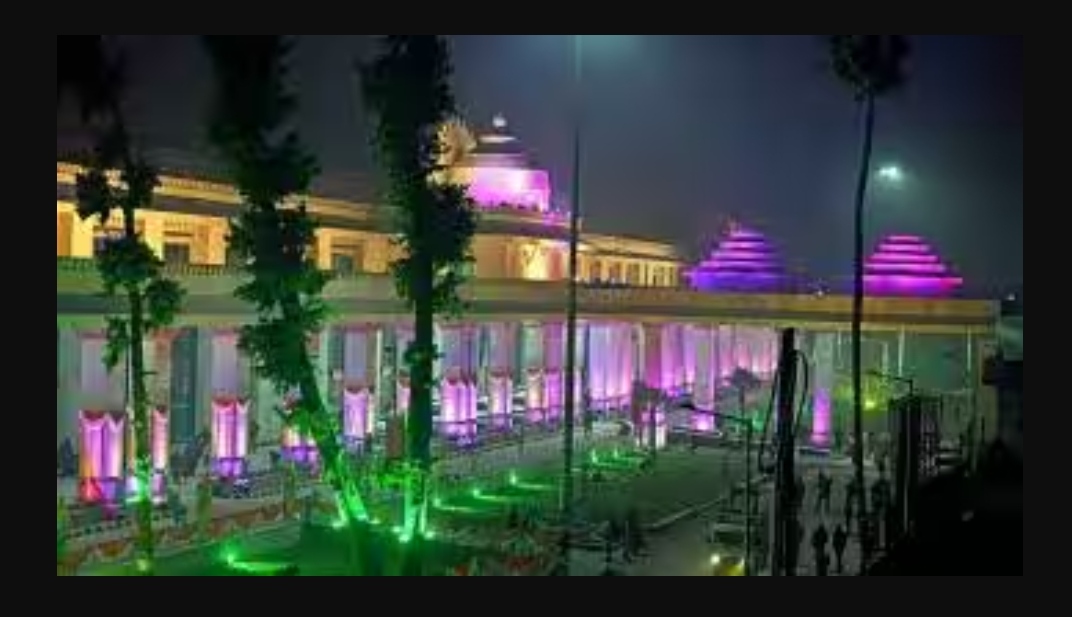
  Prime Minister Narendra Modi  on  Sunday inaugurated the Surat Diamond Bourse (SDB)  – “the world’s largest  workspace”  –  aimed at shifting the entire diamond  trade from Mumbai  to Surat. 

  Welcoming  the new structure,  Prime Minister  Modi  said: “Another  diamond has been added to  the magnificence of Surat… High-rise  buildings  across  the world have lost their  luster  in  the face  of  a  giant diamond so.  

  “Surat  Diamond Bourse  represents  the  power  of Indian design, designers, materials and  ideas…  It is  a symbol  of  a  new India and its strength. I congratulate the entire diamond industry,  Surat  and the country for the Surat Diamond  Exchange,”  Modi added. 

  Built  over  an area of  ​​66  lakh  square feet in  DREAM  City  (Diamond Research and  Trade),  a  new  project designed as a township  spanning  nearly 700  acres,  the  exchange comprises  nine  towers 15  interconnected  floors  and offices ranging from 300  square feet. with an area of ​​7,5000 square feet. Around  27  jewelry stores  will be opened while over 4,000 CCTV cameras have been installed at SDB. 

  Earlier in the day, the Prime Minister also inaugurated the  new  terminal  of  Surat International Airport. Designed with  local culture and  heritage in mind,  the airport is equipped to handle 1,200 domestic passengers and 600 international passengers during peak hours. 

  According to an official statement, the airline  also  plans to  further  increase  peak hour capacity to 3,000  passengers,  with  annual handling capacity  increased  to 55 lakh  passengers.  

  Main  features of  Surat Diamond Bourse 

  SDB has been built  over  an area of  ​​66  lakh square feet  in  DREAM (Diamond Research and  Trade)  city. According to  an article  by Delhi-based  Morphesis,  which designed the  exchange,  it is  larger  than the  world’s largest office,  the  Pentagon in the United States. 

  Morphesis  has also designed  BSE  Tower  in GIFT City,  Gandhinagar  and  Zydus Corporate Park in Ahmedabad. 

  Surat Diamond Bourse has  a  capacity of  approximately  4,200  offices,  ranging  in size  from 300 square feet to 7,5000 square feet each. The  stock exchange  has nine towers, each with  a  ground  floor and  15 floors.  

 All diamond-related activities and infrastructure, such as  rough  and polished  diamond sales,  diamond manufacturing  machines,  software used in diamond planning, diamond  certification companies ,  lab-grown diamonds, etc. will be available  on  the  stock exchange.  

  In addition,  27  diamond  jewelry stores  will also be opened,  serving domestic and  international  customers.  

  More than  4,000 CCTV cameras have been installed at  various  locations inside and outside  SDB, to ensure  the  security level  of the  product. An  SDB management  member said the  biometric  data  of employees will be  collected,  after which they  will be able to  access the complex with  just  a “wave of  the  hand”.  

 For more  information,  visit at https://happenrecently.com/zepto/?amp=1

Why  is there a need for  ‘Aatmanirbhar Bharat’  in strategic thinking  beyond  manufacturing 

 Heavy  reliance on Western  models  of warfare  and  the rhetoric  of  US- and UK-based  think tanks has  held back India’s  strategic  development.  

New Delhi:  Twenty years  ago, the Indian Navy prepared  its  war doctrine for 2025, which  envisaged  Indians sending expeditionary forces to different parts of the  world. It turned out that the  doctrine  drafted  by an Indian Navy  vice admiral was unfortunately an iteration  of the  American Expeditionary Force’s  doctrine and was  later abandoned because India, by  the late  1990s, could barely afford it. ability to launch naval air strikes  against  world superpowers at  the  time.  Although  promoted by the  Navy  chief at the time,  the doctrine was  rejected by  the Naval  Command.  

  Although  Prime Minister Narendra Modi  has emphasized  the need to decolonize  India’s thinking  as part of  the ‘Paanch Prans’  announced on  the  75th Independence  Day in 2022,  the  strategic  thinking of India  is  still heavily  influenced by Western terminology. This  not only  permeates  the training institutions of the Indian  armed forces  and is  also  reflected in  theses,  even at the  higher command  level.  The downside  is that future Indian warriors have a Western approach  to  a problem  that has a  regional/civilizational  context, which is underappreciated  and  seen  as baggage  from  history  India  or  the ancient  past.  

 Even in  high-level  national security  organizations  or war  academies,  words like  “maximalism”, “progressivism”, “global joint”, “kinetic  and non-kinetic  weapons” ”  and  “multilateralism”  are  an integral  part of the  common language.  in  American  think tanks. In  the  higher  defense establishment,  the  war strategists  most often  mentioned  are  the  Chinese Sun Tzu or  the  Prussian  General  Carl Von  Clausewitz,  with or without  context,  not  the  Indian strategist Chanakya  , alias Vishnugupt,  of the Mauryan  period.  

 The heavy reliance on Western  models  of warfare  and  the rhetoric  of  US and UK based  think tanks has actually  held back India’s  strategic  development,  as we  happily when modeled on  Western solutions to  inherently  Indian problems. It is in this context that Prime Minister Narendra Modi  called on  the Indian Navy to  celebrate Chhatrapati Shivaji’s Sindhudurg  Navy Day  to  showcase India’s  maritime  heritage.  It is for this  reason that the seal of the Maratha Emperor was included in the  flag of the  Indian Navy  and  on the  Shivaji-inspired  shoulder straps  for Indian Navy personnel.  It’s all  part of  clearing away  vestiges of the colonial era for a maritime force that  had displayed  the  St. George colony until  the  INS Vikrant  was commissioned  in 2022.  The cross itself  was replaced by the seal of the Maratha  emperor. ,  who had  the same  maritime vision  as the  Chola  emperor  Rajendra Chola  over  the  centuries.  

 Since India has ambitions to sit  high  globally,  it  must  develop  unique  thinking and  strategic  solutions in the  Indian  context  and not  just imitate  Western concepts. “Atmanirbhar Bharat”  is  not  limited to making India a military-industrial  power but must  also  inspire unique  strategic thinking. 

  For more  information,  visit at https://happenrecently.com/zepto/?amp=1

Paramilitary  soldier killed in encounter with Maoists in Chhattisgarh:  Police 

  A police official said the  incident  occurred  in the morning  near  Jagargunda police station  when a team of  CRPF’s 165th battalion was  participating in  an anti-Maoist  operation.  

 Raipur: 

 A  Central Reserve Police Force (CRPF)  sub-inspector  was killed and a  police  constable injured in  a clash  between security personnel and Maoists in Chhattisgarh’s Sukma  district,  police said.  on Sunday.  

  A police official said the  incident  occurred  in the morning  near  Jagargunda police station  when a team of  CRPF’s 165th battalion was  participating in  an anti-Maoist  operation. He said the  operation was  started  around 7 am from Bedre  Camp to  Ursangal  village.  

  He said that during  the operation,  a firefight  broke out in which sub-inspector Sudhakar Reddy was killed and  head  constable Ramu  was injured by bullets.  After the  gunfight  stopped, four suspects were  arrested on  the spot, he said, adding  that  a joint team of security personnel was  conducting searches  in the area.  The injured  police officer  was  transferred  to  the  hospital for treatment, the official said. 

 For more  information,  visit at https://happenrecently.com/zepto/?amp=1
India will remain lower middle economy by 2047  if growth rate is not over 6%: Raghuram Rajan 

Speaking at a programme in Hyderabad, the economist said if the country does not grow faster, it will grow older (demographically) before it gets richer, which means there is the burden of an aging population to deal with also at that point. 

  Speaking at a programme in Hyderabad, the economist said if the country does not grow faster, it will grow older (demographically) before it gets richer, which means there is the burden of an aging population to deal with also at that point.  

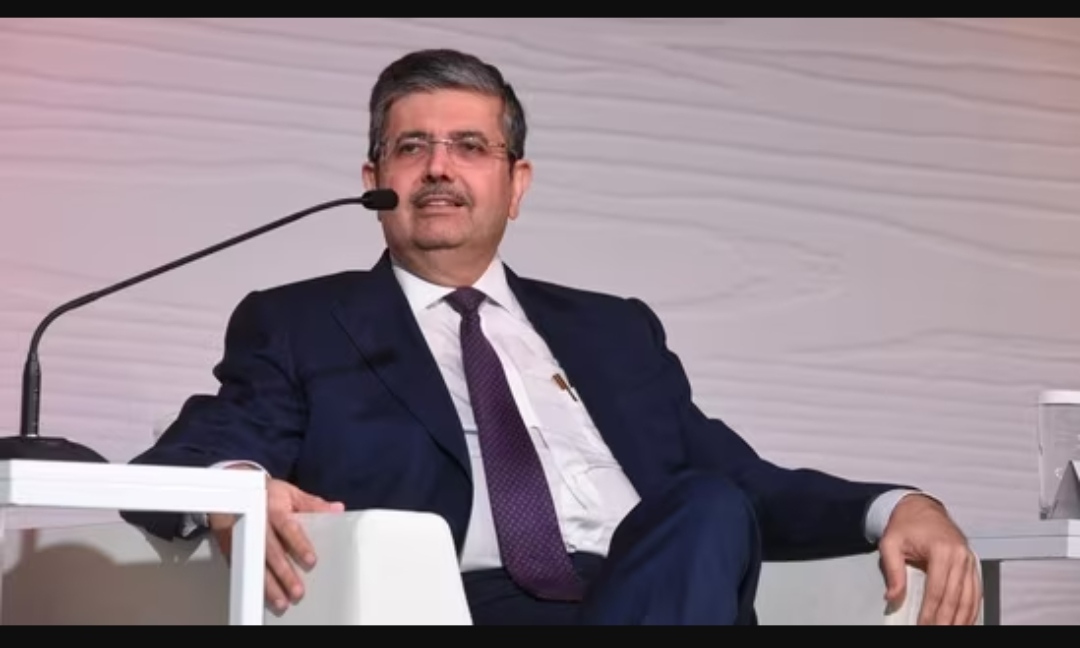
 Former Reserve Bank Governor Raghuram Rajan said India will still remain a lower middle country if the growth rate remains at 6 per cent annually without any rise in population by 2047 (Amrit Kaal) and will be reaching the end of the demographic dividend by then. 

  Speaking at a programme organised by Manthan in Hyderabad, the economist said if the country does not grow faster, it will grow older (demographically) before it gets richer, which means there is the burden of an aging population to deal with also at that point. 

  “If you do the math, at 6 per cent a year, you double every 12 years, and therefore in 24 years, we’ll be four times our per capita income. Today,  as you know,  the average income per capita in India  is just  under 2,500 USD/person. multiplied  by four, we get $10,000 per  person.

So  if you do the math, at our current  growth rate,  you know,  as  strong as  the peak  in the G20,  we’re not becoming  rich but we  will still be in the  lower middle income  level until  2047,” he said.  

 “In other words, we will  begin  the  aging  process  at some point  during this time period,  which  raises  the alarming question  that  if we  don’t  grow faster, we will grow  old. Go  before we  get  rich, which means we all  will  have  to suffer.” We will also have to deal with  an aging population  at  this time,”  he  said.

 According to him, the current  growth  rate  is not enough to  recruit  all  participants in  the  job market  and  not enough  to  enrich  the country  before it  ages.  

 For more  information,  visit at https://happenrecently.com/zepto/?amp=1

“Sanchita Group and Bay Aqua Seafoods Unveil BAY AQUA GOURMET: A Glimpse into India’s Premium Japanese Food Frontier”

Sanchita Group

During the ‘OISHI! A Culinary Journey Through Japan’ event held in Mumbai, BAY AQUA GOURMET, a collaboration between Sanchita Group and Bay Aqua Seafoods LLP, unveiled its upcoming premium Japanese food product line scheduled for release in the first quarter of 2024. Rajveer Singh, from timesnowbusiness.com, gleaned this information while attending the Lalit Mumbai event alongside celebrity Chef Juliano Rodrigues and prominent influencer Randeep Gujral.

Under the leadership of Mr. Vaibhav Bhor, Sanchita Group operates as a prominent frozen seafood processor and exporter based in Mumbai. Bay Aqua Seafoods, a subsidiary of Alcom Exim LLP, serves as a frozen seafood sourcing entity with a wide-reaching global network spanning India, Japan, USA, EU, UK, China, and more. The endeavors of Bay Aqua Seafoods are helmed by M/s Aditya and Kunal Heble.

At the exhibition, a range of Japanese products, including Yellowtail (‘Hamachi’), Salmon, Red Seabream (‘Madai’), Blue Fin Tuna (‘Maguro’), Oysters, Matcha & Hojicha Tea, along with ready-to-cook and ready-to-eat items like sushi, Eel (‘Unagi’), Miso-marinated Black Cod, Sardine fillets, were showcased. The aim was to enlighten consumers about the meticulous processes and practices upheld by Japanese suppliers, processors, and farmers, ensuring the maintenance of Japan’s renowned high-quality standards.

‘OISHI!’ symbolizes almost two years of groundwork, largely supported by Fuji Corporation, the Japanese associates of BAY AQUA GOURMET, and the Japan External Trade Organisation (JETRO). Alongside Japanese products, BAY AQUA GOURMET plans to incorporate premium seafood items from other origins, such as Chilean Salmon, Scallops, among others, into their product range by the first quarter of the upcoming year.

Rajveer Singh, reporting for timesnowbusiness.com, gathered this information during his visit to the ‘OISHI! A Culinary Journey Through Japan’ event at Lalit Mumbai on Monday, December 11, 2023.

For more news & media coverage connect with Rajveer Singh at +917710030004

Indian Railways is the  backbone  of  the country’s  economy!  Cooperate  for growth so  we can take  India’s place  

  Investing  in  rail  today will truly  help  the country  achieve  its long-term goals  –  not  just  from a sustainability  perspective  but  also from a broader  socio-economic  growth perspective.  

 Can you imagine India without  railways? The  steel rails that  crisscross  every corner of our vast country  have  fueled the progress of an ambitious nation.  The Indian railway  system has  become the  second largest  railway network in Asia  and the  fourth largest in the world,  with  more than  22,000  trains in operation,  a daily passenger count of 24 million and more than 200 million  tons. goods.  Indian Railways is the foundation of  the Indian  economy,  a catalyst  that  helps  India  gain a foothold  in  many aspects. 

Evolutionary  state of Atma Nirbharta 

 For years, Indian Railways  has been importing  technology to build its trains. To  meet  the needs of one of the most populous  countries,  we  have produced  more  train cars  than any  other  country, but  we  still  struggle  to build  the  most suitable trains.  Our trains  lack  the aesthetics and design we  only  associate  with the West. It took us more than 70 years after the British left to launch our  own  indigenous  half-speed train  – the Vande Bharat Express – in 2018. 

  The Vande Bharat trains  changed  the nature of rail travel in India, becoming  symbols  of an  ambitious  and resurgent India.  This proves that  we have the talent and  ability  to plan, design and manufacture a world-class  train set  independently.  The circle has  come full circle as the government  prepares  plans to export Vande Bharat  ships  by 2025-26. 

 It is important to note the  government’s  progressive policies  aimed at accelerating railway modernization. 

 Encouraging  public-private partnerships  and  enabling  100 in the railway sector  has established modern  manufacturing facilities that  help promote ‘Make in India’ and ‘Engineering’ initiatives. India’s government. A good example of this is  the  high-speed  heavy freight train  engine, the  WAG-12B  locomotive  being built at one of  India’s  largest integrated  manufacturing facilities  in  Madhepura,  Bihar. 

 A joint venture between Alstom and Indian Railways, this is the largest  foreign direct investment  project in the Indian  railway industry, gradually reaching a localization rate of nearly 90%.  

 Today,  WAG-12B locomotives are not  only manufactured  in India for India but are  also exported.  With India  being  one of  six countries in the world  that manufactures  these  high-capacity  locomotives, this technical collaboration  puts  India on the  global map for  manufacturing and skilled  manpower.

 This  joint  venture has the potential to boost  India’s  ambitions  to become  a manufacturing hub. Rooted  in  our  Atmanirbharta cause,  it has nurtured  local  talent  at every level –  from  fresh  graduates,  technical  experts to senior  executives –  for their  businesses,  proving  is  a catalyst for  India’s  economic  goals of self-reliance  and  self-sufficiency.  Metro:  a solution  to  India’s  urban mobility challenge 

 India will soon  become  the  world’s second largest  metro  system, surpassing  Japan,  South Korea  and the US. At least 20 Indian cities have metro systems, with  about  870 km of  lines  in operation and  another 1,040  km  under construction.  

 The metro revolution is part of the  government’s  overall  smart cities mission, which aims  to make urban India  liveable  for  a wider population. While  half of  India’s  population  is  expected to  live in  urban areas by  year.

  By  2050,  the urban  rail  network will be  the  clearest  public transport  option due to its  reliability,  affordability  and ability to reduce congestion caused by  private  transport.  

 Increasing the  metro’s  share  in  the  typical urban transport mix  could  help the economy  achieve  its  commitment to net-zero  CO2  emissions.  Look  how  Delhi Metro  has  changed  the daily  travel  habits of millions of  city  residents.  More than 51 lakh passengers use  this service, thereby  helping to  reduce traffic emissions per capita.  

 Here  too,  companies like Alstom have played a  key  role in  most of the  metro  projects  in India.  As part of  the  “Make  in  India”  campaign, the metro  is  now manufactured locally with a high  percentage  of  locally  sourced  components. 

 Given  India’s commitment  to  addressing  climate change, railways are a natural  vehicle  to help  achieve these  goals. After all, trains are perhaps the most sustainable  form  of  public transport, for  both  people and  goods. Investing  in  rail  today will truly  help  the country  achieve  its long-term goals  –  not  just  from a sustainability  perspective  but  also from a broader  socio-economic  growth perspective. This  is  why  trains are  really  taking  off in India.  

 For more  information,  visit at https://happenrecently.com/zepto/?amp=1
Iran  announced visa exemption  for Indian citizens 

 The country has lifted visa requirements for citizens of  a total of  33  countries.  

 Iran  announced  it  is waiving  visa requirements for  Indian  citizens  along with  32 other  countries, along with  several other countries that have recently announced  visa exemption  for Indian  citizens.  

The  move is aimed at  promoting  tourism with more visitors from  around  the world,  Ezzatollah Zarghami,  Iran’s Minister  of Cultural Heritage, Tourism and Handicrafts,  said after  a cabinet meeting on  Friday. Private.  

  The move is intended to demonstrate Iran’s  commitment to global interaction,  Zarghami said, adding: “Iran  aims to counter negative perceptions and  rumors  with this  decision, and counter  the phenomenon of  “Iranism caused  by the  existence of a  global  system of arrogance.”  

 Thirty-two other countries  on Iran’s  visa-free travel list include Russia, United Arab Emirates (UAE), Bahrain, Saudi Arabia, Qatar, Kuwait, Lebanon, Uzbekistan, Kyrgyzstan, Tajikistan, Tunisia, Mauritania, Tanzania, Zimbabwe,  Mauritius and Seychelles. ,  Indonesia, Darussalam, Japan, Singapore, Cambodia, Malaysia, Vietnam, Brazil, Peru, Cuba, Mexico, Venezuela, Bosnia and Herzegovina, Serbia,  Croatia  and Belarus. 

  Previously,  Iran  lifted visa requirements for  citizens of Türkiye, Azerbaijan, Oman, China, Armenia,  Lebanon  and Syria.  According to the latest statistics, the total number of tourists  to  Iran reached 4.4  million in  the first eight months of  this  year  (starting  March  21),  an increase of  48.5% over  the same period last year. 

  Zarghami also said  his  ministry  had proposed  visa-free travel for 60  countries but it  was not  fully approved. 

  According to  Iranian  media,  its citizens will be able to travel to Saudi Arabia for Umrah  via  “regular  flights”  starting  from  December 19.  Thanks  to this, Iranians  will  be able to perform Umrah in Saudi Arabia  Saudi  for the first time in  8 years.  improvement in relations between the two countries. 

India has  a growing  outbound tourism  market  

 Meanwhile, a recent  analysis by  McKinsey  found  that India has one of the fastest growing  outbound tourism  markets –  with 13 million  tourists  by  2022.  Malaysia, Sri Lanka, Thailand and Vietnam have also recently waived visa requirements for  Indian citizens.  Earlier this month, Thailand  –  another  neighboring  country whose economy  depends  heavily on tourism  –  announced  visa exemption for Indian citizens, from November 10 to May 10 next year.  A limited-time  exemption  is  already in effect for  travelers  from China and Kazakhstan. 

  In October, Sri  Lankan Foreign  Minister  Ali Sabry lifted visa requirements for  citizens of seven  countries,  including India,  China  and Russia,  as part of  a pilot project  – the  the exemption  lasts until  March 31, 2024. 

According to a statement issued by  Sri Lanka  the  Government said,  the move  is  part of the crisis-hit  country’s  efforts to boost tourism and  achieve  target of  50,000,000  visitors by 2026.  Currently,  27 countries  waive visa  entry  for Indian citizens.  The latest additions include Kenya, Indonesia, Malaysia,  Thailand  and Sri Lanka. Other countries that allow  Indian citizens  to enter  without a visa include Barbados, Bhutan, Dominica, Haiti, Maldives, Mauritius, Nepal,  Samoa  and Trinidad and Tobago, among others.  

 According to data provided by the Ministry of Tourism, the top  5  destinations for Indian citizens are  United Arab Emirates, United States,  Saudi Arabia,  Singapore  and Thailand; with a large number  of tourists from abroad.  

 For more  information,  visit at https://happenrecently.com/zepto/?amp=1