
India’s dependence on imported crude oil has been steadily increasing due to growing demand for fuel and other petroleum products coupled with stagnant domestic crude oil production. In the April-February period of the financial year, the country’s reliance on imported oil stood at nearly 88%, hinting that the oil import dependency for the full financial year 2023-24 could surpass the previous year’s record levels.
Despite government efforts to reduce the reliance on imported crude oil through initiatives like promoting electric mobility and biofuels, the lack of significant increase in domestic oil output remains a challenge. The government’s target of reducing oil imports to 67% by 2022 from FY14 levels has not been met, showcasing the vulnerability of the Indian economy to global oil price fluctuations and its impact on various economic indicators.
While India is a net exporter of petroleum products, the rise in domestic consumption of petroleum products in the April-February period highlights the continued robust demand for fuels like petrol and diesel. Efforts to boost domestic crude oil production through exploration and production contracts have seen limited success, with imports still meeting the majority of the demand for petroleum products.
According to NSDL data, foreign portfolio investors (FPIs) injected Rs 50,471 crore into the Indian stock and debt markets in March, despite market fluctuations. This included Rs 40,710 crore in stock purchases and Rs 10,383 crore in debt market investments.
Despite some fluctuations due to bulk deals, the overall trend shows FPIs as significant buyers this month. FPIs have been adjusting their strategies in response to US bond yield changes.
The market has seen large caps performing more strongly than mid and small caps, influencing FPI behavior. Furthermore, the SEBI has provided exemptions for certain FPIs from additional disclosure requirements.
Develop India Foundation continues to stand as a beacon of hope, dedicated to shaping a brighter future for the nation through its unwavering commitment across education, empowerment, equality, and the environment.
Develop India Foundation (DIF) proudly unveils its 2023 Annual Report, marking significant strides in fostering socio-economic development across the nation. With an unwavering dedication to closing the “Development GAP,” DIF stands as a shining example of hope, igniting transformative change across a spectrum of sectors including education, empowerment, equality, environment, and community engagement. At the heart of DIF’s success lies the tireless efforts of its co founders Deepak kuma,Seema Mishra ,DIF Team and 400 compassionate volunteers, whose collective impact has touched the lives of approximately 110,000 beneficiaries over the past decade through a myriad of community service initiatives. This milestone underscores DIF’s profound commitment to building a brighter future for all, one empowered by unity, compassion, and meaningful action.
Education: DIF recognizes the transformative power of education and is committed to ensuring inclusive and quality education for all. Through the #Vidyanjali project, DIF provides essential educational support to 200 underprivileged children annually impacting over 2000 young lives during this period . These children receive school Kits including books, notebooks, stationery, water bottles, lunch boxes,colours and school bags, empowering them to pursue their educational aspirations. Moreover, Furthermore, DIF’s Beti Padhao Beti Bachao campaign has been instrumental in promoting educational equity, offering scholarships for higher education to ten meritorious underprivileged girls each year. This sustained effort has resulted in supporting over 30 meritorius girls in the last three years alone.By investing in education and prioritizing inclusivity, DIF has made significant strides in breaking the cycle of poverty and fostering a society where lifelong learning opportunities are accessible to all, regardless of background or circumstance.
Empowerment: DIF’s commitment to empowerment is exemplified through its Project Shakti. Dedicated to uplifting marginalized communities and women & youth. DIF supports female entrepreneurs and conducts various networking,pitching and networking sessions in NCR. Financial literacy sessions, career counseling, and self-defense training offered by DIF aim to foster self-sustaining communities and create safer, equitable work environments. Through initiatives like Mahila Bol and Sashakt Nari Sashakt Samaj, DIF advocates for gender equality and empowerment across diverse sectors.
In a groundbreaking move towards fostering Digital Literacy and empowerment, Develop India Foundation is spearheading a transformative initiative by installing smart classes in government schools across the nation. This strategic endeavour is poised to revolutionize the educational landscape, particularly in underserved areas, with far-reaching social impacts. Empowering Youth with Digital Literacy: The installation of smart classes is a giant leap towards providing students with the essential tools to navigate the digital age. Develop India Foundation’s commitment to digital literacy ensures that the youth, regardless of socio-economic backgrounds, are equipped with the skills necessary for success in an increasingly technology-driven world.
Equality: DIF is committed to promoting workplace inclusivity and gender equality. Its initiatives, such as financial literacy sessions and advocacy for safer work environments, aim to eliminate gender disparities and foster diversity within the workforce. By supporting the professional development of women and advocating for gender-sensitive policies, DIF contributes to building a more equitable society.
Environment: Environmental sustainability is central to DIF’s ethos. Through awareness initiatives like Paryavaran Sanrakshan and Swachh Bharat, DIF promotes responsible consumption and production practices. DIF Volunteers follow and raise awareness on principles of recycling, reusing, and reducing consumption. This proactive approach not only addresses the urgent issue of textile waste but also provides vital assistance to those in need, fostering a sense of solidarity within the community. By collecting and distributing over 100 wearable items monthly in Delhi, Ghaziabad, Noida, Patna, Ranchi, Jhansi, and Lucknow, DIF is actively confronting environmental challenges while promoting community engagement in mindful consumption practices. Over the past decade, DIF has distributed more than 15,000 wearable clothes in last 10 years and 1,000 blankets every year during winter seasons, exemplifying its dedication to making a positive impact on both environmental sustainability and community welfare.
Community Initiatives: DIF’s community initiatives, including the monthly FeedThe Needy – Annapurna Sewa feeding 200 + needy patients attendents around AIIMS DELHI and 200 slum Kids in Noida extension on monthly happiness drives, serving free food to over 5000 needy in a year. Additionally, the foundation’s advocacy extends to Gaur Greencity, Indrapuram, where the innovative “Neki Ki Deewar” initiative encourages residents to contribute their unused items. This communal sharing space becomes a valuable resource for individuals facing financial constraints. DIF campaigns and ground activities address critical issues like hunger, poverty, and environmental degradation. These initiatives reflect DIF’s commitment to holistic socio-economic sustainable development Goals and community welfare.
Supporting Develop India Foundation is not merely a philanthropic gesture; it is an investment in India’s future. Through its multifaceted approach to socio-economic development and community initiatives, DIF is paving the way for a more equitable, inclusive, and sustainable society. Together, let us work towards maintaining social harmony and fostering the overall development of India.
The demographic dividend refers to the period in a country’s development where the working-age population (typically between 15 and 64 years old) outnumber dependents (children and elderly). This situation presents a unique opportunity for economic growth, as it can lead to increased productivity, savings, and investment, thereby propelling overall development.
Several factors contribute to the realization of a demographic dividend. Firstly, a larger working-age population means more people contributing to the labor force, which can boost economic output. This influx of workers can lead to a surge in productivity as more individuals engage in various economic activities, from manufacturing to services.
Moreover, a demographic dividend often coincides with improvements in education and healthcare. As countries invest in their young population’s education and health, they become better equipped to contribute meaningfully to the economy. A skilled and healthy workforce is more productive and adaptable, driving innovation and efficiency in industries.
Additionally, during the demographic dividend period, there tends to be a demographic transition, characterized by declining fertility rates. This decline in the birth rate reduces the proportion of dependents relative to the working-age population, further enhancing the dividend effect. With fewer dependents to support, households have more resources available for savings and investment, which can fuel economic growth.
Furthermore, the demographic dividend can stimulate domestic consumption and investment. As individuals enter the workforce and earn income, they have greater purchasing power, driving demand for goods and services. This increase in consumption can spur businesses to expand production, leading to further economic growth. Additionally, with more disposable income, individuals may invest in assets such as housing, further stimulating economic activity.
However, to fully capitalize on the demographic dividend, policymakers must implement supportive policies. Investments in education and skills training are essential to ensure that the workforce is equipped for the demands of a modern economy. Additionally, measures to promote gender equality and workforce participation among marginalized groups can maximize the dividend’s potential.
Furthermore, sound macroeconomic policies, including fiscal discipline and investment in infrastructure, are crucial for creating an enabling environment for economic growth. Policies that encourage entrepreneurship and innovation can also harness the potential of the demographic dividend by fostering a dynamic business environment.
In conclusion, the demographic dividend presents a significant opportunity for countries to achieve rapid economic growth and development. By leveraging their youthful population and implementing supportive policies, nations can capitalize on this window of opportunity to transform their economies and improve the well-being of their citizens. However, realizing the full potential of the demographic dividend requires concerted efforts from policymakers, businesses, and civil society to invest in human capital and create an environment conducive to sustainable economic growth.
The Centre’s advance direct tax receipts for the fourth quarter of the current fiscal increased by 6% compared to the previous quarter, reaching Rs 2.85 trillion by March 15.
This growth in advance tax collections indicates ongoing economic activity. Despite higher refunds during this period, direct tax receipts post-refund reached Rs 18.91 trillion, close to the full-year revised estimate of Rs 19.45 trillion for FY24.
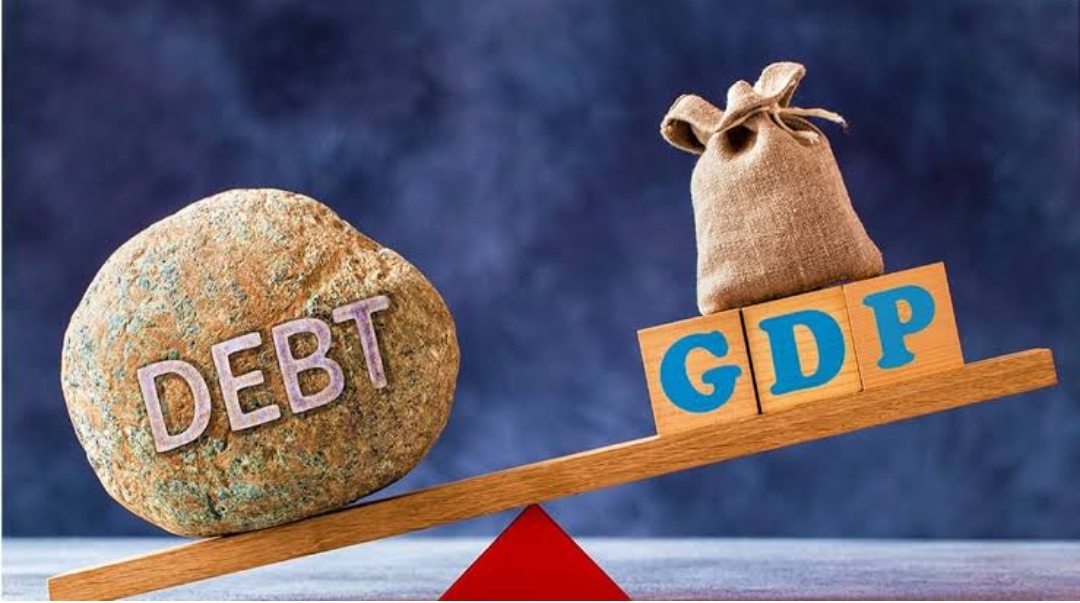
The Centre aims to keep the fiscal deficit within the revised estimate of 5.8% of GDP in FY24 with the help of additional collections after devolution, even though the nominal GDP size is expected to be slightly lower than initially projected. The government raised the direct tax receipts target in the recent budget, mainly due to increased personal income tax receipts.
Refunds processed until March 15 were 9% higher than the previous fiscal year, indicating faster processing. The rise in corporate profitability contributed to the buoyancy in advance tax collections each quarter. Corporation tax collections stood at 99.2% of the full-year revised estimate, while income tax receipts were at 95.4% of the target for FY24.
By March 15, TDS, TCS, securities transaction tax, and equalisation levy receipts for the current fiscal year had reached significant amounts.
After being acquired by the Tata Group in January 2022, Air India, which had been operating at a loss, has been working towards restructuring its business model.
Recent reports suggest that over 180 non-flying staff members have been laid off by the airline, although Air India clarified that these employees were unable to take advantage of voluntary retirement and reskilling opportunities.
The company stated that it has been following a thorough process to evaluate the employees’ suitability based on the organization’s requirements and individual capabilities.
Despite not specifying the exact number of staff affected, Air India has confirmed that less than 1% of its workforce, which consists of approximately 18,000 employees, had to be let go.
The company has provided multiple voluntary retirement schemes and reskilling options to the staff over the past 18 months. The restructuring is part of the ongoing Vihaan.
AI transformation initiative aimed at creating a more efficient organizational structure to support the airline’s growth and objectives.
In a world dominated by stress and unhealthy lifestyles, maintaining men’s sexual health is a paramount concern. Bull Rider Capsule emerges as a beacon of hope, providing a premium Ayurvedic solution to enhance strength, stamina, and immunity with no side effects. Crafted from a unique blend of 13+ premium Ayurvedic herbs, Bull Rider Capsule reflects the ancient wisdom of Ayurveda. This carefully curated formula addresses various aspects of men’s sexual health, offering relief from issues like low testosterone, libido concerns, timing and performance issues, erectile dysfunction, premature ejaculation, and low sex drive. FDCA (food and drugs control administration) shows the company’s commitment to excellence is reinforced by GMP and ISO approvals. Unlike conventional solutions with potential side effects, Bull Rider Capsule prioritizes benefits without compromise. By naturally enhancing physical intimacy, the capsule contributes to overall well-being, fostering a harmonious balance between mind and body. To make this Ayurvedic marvel accessible, Bull Rider Capsule is available on popular platforms like Flipkart and Amazon. Customers can confidently purchase from the official website. In the quest for men’s sexual health enhancement, Bull Rider Capsule stands as a trustworthy ally. Its Ayurvedic formulation, coupled with certifications and approvals, positions it as a compelling choice for those seeking a natural and effective solution. Say goodbye to concerns related to low testosterone, libido, timing, and performance – embrace a healthier, more satisfying intimate life with Bull Rider Capsule.
Interviewer: Dr. Pasricha, thank you for joining us today. Your remarkable journey in the world of nutrition is truly inspiring. Can you share with our audience what led you to advocate the idea that consuming food is a fundamental aspect of self-love? Dr. Harpreet Pasricha: My journey into the world of nutrition began with a deep-seated belief that food is not just fuel for our bodies; it’s an essential expression of self-love. Nourishing ourselves with the right foods is a powerful act of self-care. It’s about making conscious choices that show kindness and respect for our bodies, rather than resorting to oppressive diets or deprivation. The relationship we have with food affects our overall well-being, and I’m passionate about helping individuals cultivate a healthier rapport with what they eat. Interviewer: Your credentials are certainly impressive, with a Master’s degree in Nutrition and Dietetics, an MD & Ph.D. in Alternative Medicine, and certifications in Nutrigenomics, Pediatric Nutrition, and Sport Nutrition. How have these qualifications shaped your approach to nutrition and wellness? Dr. Harpreet Pasricha: Education has been the cornerstone of my career. My academic achievements have not only equipped me with a strong foundation in nutrition but have also allowed me to explore innovative and effective strategies for health and lifestyle management. My diverse qualifications help me take a holistic approach, addressing various aspects of health, from alternative medicine to specialized nutrition fields. It’s crucial to stay informed and adaptable in this ever-evolving field to provide the best guidance to my clients. Interviewer: You’ve accumulated over 23 years of hands-on experience in the wellness domain. Can you tell us more about your holistic approach and the different aspects it encompasses, such as detoxification, rejuvenation, nourishment, and maintenance? Dr. Harpreet Pasricha: My holistic approach revolves around four key principles: detoxification, rejuvenation, nourishment, and maintenance. These aspects form the core of health and wellness. Detoxification is about eliminating toxins from the body, rejuvenation focuses on restoring vitality, nourishment ensures we get the right nutrients, and maintenance is about sustaining a healthy lifestyle. By addressing these aspects comprehensively, I aim to paint a picture of a healthier future for my clients. Interviewer: Your endeavors, including conducting special seminars and workshops for underprivileged sections of society, are commendable. How do you see the role of nutrition in addressing social disparities in health? Dr. Harpreet Pasricha: Nutrition plays a pivotal role in addressing health disparities. Access to proper nutrition is a fundamental human right, and I’m committed to making it accessible to all. By conducting seminars and workshops for underprivileged communities, I hope to empower individuals with the knowledge and tools they need to make healthier choices. It’s about bridging the gap and ensuring that everyone, regardless of their background, has the opportunity to lead a healthier life.
Interviewer: Your book, “Nourish with Food & Flourish with Health,” is a comprehensive guide to healthy eating. Can you share some key takeaways from the book and how it can benefit readers?
Dr. Harpreet Pasricha: “Nourish with Food & Flourish with Health” is a guide that distills the complexities of nutrition into practical, actionable advice. It emphasizes the importance of balanced and mindful eating. Readers will find tips on creating a healthy relationship with food, understanding the role of different nutrients, and making sustainable lifestyle changes. It’s a valuable resource for anyone looking to take charge of their health and well-being.
Interviewer: As the Founder and Managing Director of Diet Dr Clinic, you’ve pioneered a progressive e-clinics chain. Can you tell us more about the clinic’s mission and how it’s impacting the field of nutrition and health management?
Dr. Harpreet Pasricha: Diet Dr Clinic’s mission is to be a guiding light for individuals seeking to transform their lives through nutrition and health management. We’ve assembled a team of specialists who work as architects of life, helping individuals reshape their existence. Our clinics, whether in Goa or Punjab, offer innovative nutritional programs and personalized guidance. We aim to bring the best of nutrition and wellness to people across India and beyond.
Interviewer: In closing, you’ve mentioned that appropriate dietary intake can resolve approximately 80% of health complications. How do you convey this complex dietary information accessibly to your clients, and what motivates you to relentlessly commit to helping them achieve their goals?
Dr. Harpreet Pasricha: I believe in simplifying complex information and creating a strong connection with my clients. It’s not just about telling them what to eat; it’s about guiding them on a journey toward better health. My motivation comes from seeing the positive transformations in the lives of those I’ve worked with. I’m committed to being a partner in their health journey and ensuring they achieve their goals. This relentless commitment is what drives me every day.
Interviewer: Thank you, Dr. Pasricha, for sharing your incredible insights and dedication to the field of nutrition and wellness. Your work is truly inspiring, and we wish you continued success in your mission.
Dr. Harpreet Pasricha: Thank you for having me, and I’m grateful for the opportunity to share my passion for holistic nutrition. My mission is to continue making a positive impact on people’s lives, one healthy choice at a time.
The regulator has given approval for the launch of a Beta version of optional T+0 settlement for 25 specific stocks.
In a positive move for foreign portfolio investors (FPIs), the Securities and Exchange Board of India (SEBI) has exempted certain FPIs from additional disclosure requirements.
FPIs with over 50% of their India equity AUM in a single corporate group are exempt from additional disclosures if their concentrated holdings are in a listed company with no identified promoter, given certain conditions are met.
Furthermore, SEBI has relaxed the timeline for FPIs to disclose material changes, giving them more time and flexibility.
The top five areas where suspected mobile users have been identified are Uttar Pradesh (East), Assam, Uttar Pradesh (West), Tamil Nadu, and Kerala, according to the Department of Telecommunications (DoT).
They have found that Bharti Airtel and Reliance Jio have the highest number of suspected mobile users with connections obtained through forged documents.
Additionally, Vodafone Idea has the most users with SIM cards exceeding the prescribed limit of nine on a single ID.
The government is taking steps to address the issue of fake SIM cards and financial fraud, including requiring telecom operators to register SIM card sellers and conduct proper KYC procedures.
DoT has instructed all telecom operators to re-verify and disconnect connections with invalid documents or exceeding limits.
The top areas with reported cases include Uttar Pradesh (East), Assam, Uttar Pradesh (West), Tamil Nadu, and Kerala.
DoT has also launched a Digital Intelligence Platform for real-time information sharing among stakeholders to combat misuse of telecom resources.