Bank of Japan Governor Kazuo Ueda has suggested ending negative interest rates, potentially leading to Japan’s first interest rate hike in 17 years, while maintaining rates close to zero due to a fragile economic recovery.
This move would conclude a period where policymakers supported growth using unconventional monetary tools.
While the symbolic significance of this hike is significant, the actual impact on the economy is expected to be minimal in terms of funding costs and mortgage rates.
Additionally, the Bank of Japan will decrease the amount of bonds it purchases, particularly reducing the top range for 5-10 year JGBs and 3-5 year bonds, but will continue bond buying operations to sustain its ultra-low rate policy.
Air India Express is planning to significantly expand its operations during the upcoming summer schedule, aiming to offer over 360 daily flights.
This will include a 25% increase in domestic flights and a rise of more than 20% in international services, resulting in an additional 55 domestic and 19 international flights.
The airline, in the process of merging with AIX Connect, is looking to enhance its global connectivity and is set to increase frequencies to various destinations.
Morgan Stanley’s chief Asia economist, Chetan Ahya, stated that India is not expected to achieve the high economic growth rates of 8%-10% that China has seen over the long term. Instead, India’s economy is likely to grow steadily at 6.5%-7%, and it is not poised to replace China as a global manufacturing hub.
This assessment aligns with India’s current challenges of insufficient infrastructure and a workforce with low skills according to Ahya. Despite these constraints,
Morgan Stanley remains hopeful about India’s prospects, comparing the current economic expansion to the boom seen in the mid-2000s. The investment bank cited a report indicating that India’s growth trajectory now resembles that of 2003-07, with rising investments playing a key role in driving growth.
The report highlights a shift towards more capex as a growth driver, noting that public capex has been leading the way due to challenges faced by the corporate sector in recent years.
Since its inception a quarter of a century ago, the National Council for Vocational Education (NCVE) has been at the forefront of transforming the landscape of vocational education in India. As we celebrate this significant milestone, it is an opportune moment to reflect on NCVE’s journey, its accomplishments, and the profound impact it has had on individuals, industries, and the nation as a whole.
Established with a vision to bridge the gap between academic learning and industry requirements, NCVE has played a pivotal role in nurturing a skilled workforce that drives economic growth and innovation. Over the past 25 years, NCVE has continuously evolved, adapting to changing trends and emerging technologies, while remaining steadfast in its commitment to excellence in vocational education.
One of the hallmarks of NCVE’s journey has been its relentless pursuit of quality and relevance in education. Through its diverse range of vocational programs, NCVE has empowered countless individuals with the practical skills and knowledge needed to excel in their chosen fields. From traditional trades to cutting-edge technologies, NCVE has been instrumental in equipping learners with the competencies demanded by a dynamic and competitive job market.
Furthermore, NCVE has been a catalyst for industry-academia collaboration, fostering partnerships between educational institutions and employers to ensure that curriculum aligns with industry needs. By engaging stakeholders from both sectors, NCVE has facilitated the development of industry-relevant training programs and certification standards, thereby enhancing the employability of graduates and meeting the evolving demands of the workforce.
NCVE’s impact extends beyond individual learners to encompass entire industries and sectors. By promoting skill development and certification across various domains, NCVE has contributed to the growth and competitiveness of key sectors such as manufacturing, healthcare, information technology, hospitality, and more. Through its initiatives, NCVE has helped industries overcome skills shortages, improve productivity, and adapt to technological advancements, thereby driving overall economic progress.
Moreover, NCVE has been a champion of inclusivity and accessibility in education, striving to reach marginalized communities and underprivileged individuals who may have been overlooked by traditional educational institutions. Through its outreach programs and initiatives, NCVE has provided pathways for socio-economic empowerment, enabling individuals from diverse backgrounds to acquire valuable skills and secure meaningful employment opportunities.
As we commemorate 25 years of NCVE’s journey, it is essential to recognize the dedication and contributions of all stakeholders involved – from educators and trainers to industry partners and policymakers. Together, they have worked tirelessly to uphold NCVE’s mission of excellence in vocational education and create a brighter future for generations to come.
Looking ahead, NCVE remains committed to its founding principles while embracing innovation and change. As we navigate the challenges and opportunities of the future, NCVE will continue to evolve, ensuring that vocational education remains relevant, accessible, and impactful in addressing the needs of individuals, industries, and society at large.
In conclusion, as we celebrate 25 years of excellence in vocational education with NCVE India, let us reaffirm our commitment to empowering individuals, transforming industries, and building a prosperous and inclusive nation through the power of skill development and education. Here’s to the next 25 years of innovation, growth, and success with NCVE at the helm.
In a world dominated by stress and unhealthy lifestyles, maintaining men’s sexual health is a paramount concern. Bull Rider Capsule emerges as a beacon of hope, providing a premium Ayurvedic solution to enhance strength, stamina, and immunity with no side effects.
Crafted from a unique blend of 13+ premium Ayurvedic herbs, Bull Rider Capsule reflects the ancient wisdom of Ayurveda. This carefully curated formula addresses various aspects of men’s sexual health, offering relief from issues like low testosterone, libido concerns, timing and performance issues, erectile dysfunction, premature ejaculation, and low sex drive.
FDCA (food and drugs control administration) shows the company’s commitment to excellence is reinforced by GMP and ISO approvals.
Unlike conventional solutions with potential side effects, Bull Rider Capsule prioritizes benefits without compromise. By naturally enhancing physical intimacy, the capsule contributes to overall well-being, fostering a harmonious balance between mind and body.
To make this Ayurvedic marvel accessible, Bull Rider Capsule is available on popular platforms like Flipkart and Amazon. Customers can confidently purchase from the official website.
In the quest for men’s sexual health enhancement, Bull Rider Capsule stands as a trustworthy ally. Its Ayurvedic formulation, coupled with certifications and approvals, positions it as a compelling choice for those seeking a natural and effective solution. Say goodbye to concerns related to low testosterone, libido, timing, and performance – embrace a healthier, more satisfying intimate life with Bull Rider Capsule.
According to Morgan Stanley, India’s economic growth is reminiscent of the period from 2003 to 2007, with growth averaging over 8 percent.
They noted that after a period of declining investment to GDP over the past decade, capital expenditure (capex) has become a significant driver of growth in India.
This current expansion closely mirrors the one from 2003-2007, with the investment-to-GDP ratio on the rise. The report also highlights that private capex is now starting to catch up with public capex, leading to an increase in the investment-to-GDP ratio.
Overall, Morgan Stanley predicts that this trend will continue with investment expected to rise further in the coming years.
India’s dependence on imported crude oil has been steadily increasing due to growing demand for fuel and other petroleum products coupled with stagnant domestic crude oil production. In the April-February period of the financial year, the country’s reliance on imported oil stood at nearly 88%, hinting that the oil import dependency for the full financial year 2023-24 could surpass the previous year’s record levels.
Despite government efforts to reduce the reliance on imported crude oil through initiatives like promoting electric mobility and biofuels, the lack of significant increase in domestic oil output remains a challenge. The government’s target of reducing oil imports to 67% by 2022 from FY14 levels has not been met, showcasing the vulnerability of the Indian economy to global oil price fluctuations and its impact on various economic indicators.
While India is a net exporter of petroleum products, the rise in domestic consumption of petroleum products in the April-February period highlights the continued robust demand for fuels like petrol and diesel. Efforts to boost domestic crude oil production through exploration and production contracts have seen limited success, with imports still meeting the majority of the demand for petroleum products.
According to NSDL data, foreign portfolio investors (FPIs) injected Rs 50,471 crore into the Indian stock and debt markets in March, despite market fluctuations. This included Rs 40,710 crore in stock purchases and Rs 10,383 crore in debt market investments.
Despite some fluctuations due to bulk deals, the overall trend shows FPIs as significant buyers this month. FPIs have been adjusting their strategies in response to US bond yield changes.
The market has seen large caps performing more strongly than mid and small caps, influencing FPI behavior. Furthermore, the SEBI has provided exemptions for certain FPIs from additional disclosure requirements.
Develop India Foundation continues to stand as a beacon of hope, dedicated to shaping a brighter future for the nation through its unwavering commitment across education, empowerment, equality, and the environment.
Develop India Foundation (DIF) proudly unveils its 2023 Annual Report, marking significant strides in fostering socio-economic development across the nation. With an unwavering dedication to closing the “Development GAP,” DIF stands as a shining example of hope, igniting transformative change across a spectrum of sectors including education, empowerment, equality, environment, and community engagement. At the heart of DIF’s success lies the tireless efforts of its co founders Deepak kuma,Seema Mishra ,DIF Team and 400 compassionate volunteers, whose collective impact has touched the lives of approximately 110,000 beneficiaries over the past decade through a myriad of community service initiatives. This milestone underscores DIF’s profound commitment to building a brighter future for all, one empowered by unity, compassion, and meaningful action.
Education: DIF recognizes the transformative power of education and is committed to ensuring inclusive and quality education for all. Through the #Vidyanjali project, DIF provides essential educational support to 200 underprivileged children annually impacting over 2000 young lives during this period . These children receive school Kits including books, notebooks, stationery, water bottles, lunch boxes,colours and school bags, empowering them to pursue their educational aspirations. Moreover, Furthermore, DIF’s Beti Padhao Beti Bachao campaign has been instrumental in promoting educational equity, offering scholarships for higher education to ten meritorious underprivileged girls each year. This sustained effort has resulted in supporting over 30 meritorius girls in the last three years alone.By investing in education and prioritizing inclusivity, DIF has made significant strides in breaking the cycle of poverty and fostering a society where lifelong learning opportunities are accessible to all, regardless of background or circumstance.
Empowerment: DIF’s commitment to empowerment is exemplified through its Project Shakti. Dedicated to uplifting marginalized communities and women & youth. DIF supports female entrepreneurs and conducts various networking,pitching and networking sessions in NCR. Financial literacy sessions, career counseling, and self-defense training offered by DIF aim to foster self-sustaining communities and create safer, equitable work environments. Through initiatives like Mahila Bol and Sashakt Nari Sashakt Samaj, DIF advocates for gender equality and empowerment across diverse sectors.
In a groundbreaking move towards fostering Digital Literacy and empowerment, Develop India Foundation is spearheading a transformative initiative by installing smart classes in government schools across the nation. This strategic endeavour is poised to revolutionize the educational landscape, particularly in underserved areas, with far-reaching social impacts. Empowering Youth with Digital Literacy: The installation of smart classes is a giant leap towards providing students with the essential tools to navigate the digital age. Develop India Foundation’s commitment to digital literacy ensures that the youth, regardless of socio-economic backgrounds, are equipped with the skills necessary for success in an increasingly technology-driven world.
Equality: DIF is committed to promoting workplace inclusivity and gender equality. Its initiatives, such as financial literacy sessions and advocacy for safer work environments, aim to eliminate gender disparities and foster diversity within the workforce. By supporting the professional development of women and advocating for gender-sensitive policies, DIF contributes to building a more equitable society.
Environment: Environmental sustainability is central to DIF’s ethos. Through awareness initiatives like Paryavaran Sanrakshan and Swachh Bharat, DIF promotes responsible consumption and production practices. DIF Volunteers follow and raise awareness on principles of recycling, reusing, and reducing consumption. This proactive approach not only addresses the urgent issue of textile waste but also provides vital assistance to those in need, fostering a sense of solidarity within the community. By collecting and distributing over 100 wearable items monthly in Delhi, Ghaziabad, Noida, Patna, Ranchi, Jhansi, and Lucknow, DIF is actively confronting environmental challenges while promoting community engagement in mindful consumption practices. Over the past decade, DIF has distributed more than 15,000 wearable clothes in last 10 years and 1,000 blankets every year during winter seasons, exemplifying its dedication to making a positive impact on both environmental sustainability and community welfare.
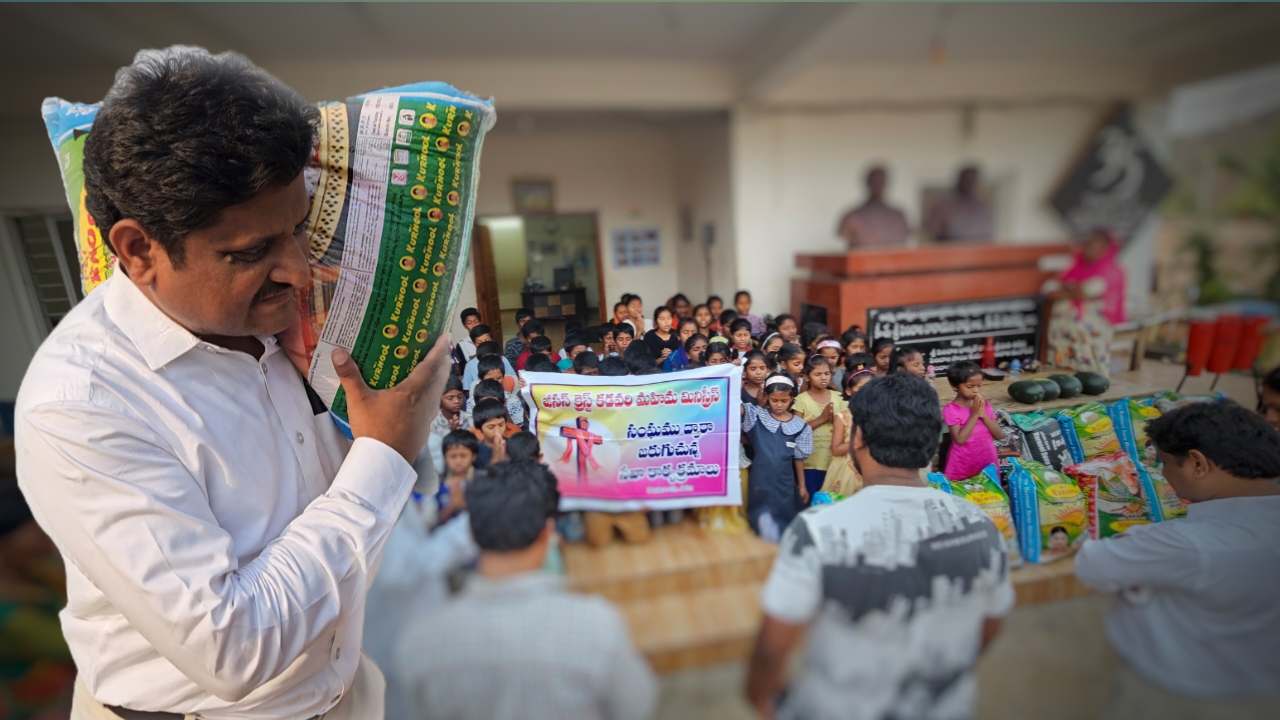
Community Initiatives: DIF’s community initiatives, including the monthly FeedThe Needy – Annapurna Sewa feeding 200 + needy patients attendents around AIIMS DELHI and 200 slum Kids in Noida extension on monthly happiness drives, serving free food to over 5000 needy in a year. Additionally, the foundation’s advocacy extends to Gaur Greencity, Indrapuram, where the innovative “Neki Ki Deewar” initiative encourages residents to contribute their unused items. This communal sharing space becomes a valuable resource for individuals facing financial constraints. DIF campaigns and ground activities address critical issues like hunger, poverty, and environmental degradation. These initiatives reflect DIF’s commitment to holistic socio-economic sustainable development Goals and community welfare.
Supporting Develop India Foundation is not merely a philanthropic gesture; it is an investment in India’s future. Through its multifaceted approach to socio-economic development and community initiatives, DIF is paving the way for a more equitable, inclusive, and sustainable society. Together, let us work towards maintaining social harmony and fostering the overall development of India.
The demographic dividend refers to the period in a country’s development where the working-age population (typically between 15 and 64 years old) outnumber dependents (children and elderly). This situation presents a unique opportunity for economic growth, as it can lead to increased productivity, savings, and investment, thereby propelling overall development.
Several factors contribute to the realization of a demographic dividend. Firstly, a larger working-age population means more people contributing to the labor force, which can boost economic output. This influx of workers can lead to a surge in productivity as more individuals engage in various economic activities, from manufacturing to services.
Moreover, a demographic dividend often coincides with improvements in education and healthcare. As countries invest in their young population’s education and health, they become better equipped to contribute meaningfully to the economy. A skilled and healthy workforce is more productive and adaptable, driving innovation and efficiency in industries.
Additionally, during the demographic dividend period, there tends to be a demographic transition, characterized by declining fertility rates. This decline in the birth rate reduces the proportion of dependents relative to the working-age population, further enhancing the dividend effect. With fewer dependents to support, households have more resources available for savings and investment, which can fuel economic growth.
Furthermore, the demographic dividend can stimulate domestic consumption and investment. As individuals enter the workforce and earn income, they have greater purchasing power, driving demand for goods and services. This increase in consumption can spur businesses to expand production, leading to further economic growth. Additionally, with more disposable income, individuals may invest in assets such as housing, further stimulating economic activity.
However, to fully capitalize on the demographic dividend, policymakers must implement supportive policies. Investments in education and skills training are essential to ensure that the workforce is equipped for the demands of a modern economy. Additionally, measures to promote gender equality and workforce participation among marginalized groups can maximize the dividend’s potential.
Furthermore, sound macroeconomic policies, including fiscal discipline and investment in infrastructure, are crucial for creating an enabling environment for economic growth. Policies that encourage entrepreneurship and innovation can also harness the potential of the demographic dividend by fostering a dynamic business environment.
In conclusion, the demographic dividend presents a significant opportunity for countries to achieve rapid economic growth and development. By leveraging their youthful population and implementing supportive policies, nations can capitalize on this window of opportunity to transform their economies and improve the well-being of their citizens. However, realizing the full potential of the demographic dividend requires concerted efforts from policymakers, businesses, and civil society to invest in human capital and create an environment conducive to sustainable economic growth.