
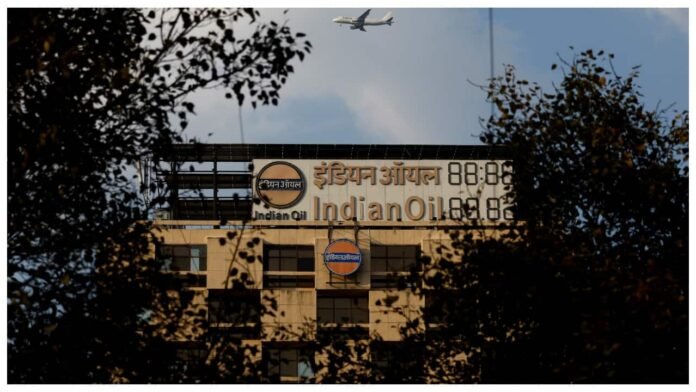
India may have moved past the most difficult phase of the fuel price crisis triggered by geopolitical tensions, provided there is no further escalation in global conflicts, Indian Oil Corporation chairman Arvinder Singh Sahney said on November 27. The assessment comes after months in which state-run fuel retailers held retail petrol and diesel prices largely steady even as international crude prices stayed volatile.
Sahney was speaking at a press conference marking the diamond jubilee celebrations of Indian Oil’s Gujarat refinery in Vadodara. He said oil marketing companies had absorbed considerable financial pressure to prevent a sharp increase in domestic fuel prices, limiting the impact on consumers and businesses. His comments came as Brent crude climbed back towards $100 a barrel after Middle East tensions flared.
What the Indian Oil chairman said
Sahney made clear that his assessment was conditional on the global situation not getting worse. He said the country had come through the worst period with minimum disturbance to consumers.
“If nothing else gets worse, wherever the war is going on in the world, or wherever else if nothing gets much worse, then I feel that perhaps we have passed through the worst period, and we have passed through the worst period with minimum disturbance,” he said.
He noted that several countries had seen sharp increases in retail fuel prices, while Indian oil marketing companies had worked to minimise the impact on domestic consumers.
How oil marketing companies absorbed the pressure
Indian Oil, Bharat Petroleum Corporation and Hindustan Petroleum Corporation have kept retail petrol and diesel prices largely unchanged despite volatility in international crude markets. Holding prices steady while procurement costs rise puts pressure on their marketing margins, and the strain has shown up in their finances.
Rating agency ICRA estimated in September that the three companies were facing combined daily marketing losses of around Rs 530 crore at the time, including estimated losses of Rs 8 per litre on petrol and Rs 9 per litre on diesel. Those estimates reflected market conditions in September.
Sahney acknowledged that the prolonged pressure had strained the finances of the oil marketing companies, with rising borrowings and mounting outstanding dues adding to their burden. The Reserve Bank of India announced a special window in October to meet the daily dollar requirements of the three state-run oil marketing companies, effective October 12.
Why fuel prices were not passed on in full
The chairman cautioned that passing on the full impact of higher international crude prices to domestic consumers could have wider economic consequences. A sharp rise in retail fuel prices would push up production costs for industry and add to inflation.
Sahney said the companies had attempted to balance two competing priorities: protecting consumers and industrial activity on one side, and maintaining their own financial health on the other. The government and the oil marketing companies are examining multiple options to improve India’s energy security and expand strategic petroleum reserves, and details will be announced once decisions are finalised.
Indian Oil keeps its investment plans on track
Despite the financial pressures arising from global uncertainties, Indian Oil plans to sustain annual capital expenditure of Rs 30,000 to 40,000 crore, Sahney said. The company currently has projects worth approximately Rs 1 lakh crore under implementation.
The investments cover:
– Refinery expansion and petrochemicals – Pipelines and fuel retail infrastructure – Depots and LPG bottling facilities
On the clean energy front, Indian Oil is targeting the commissioning of a green hydrogen facility with an annual production capacity of 10,000 tonnes at its Panipat refinery by the end of 2027. The company is also working on green hydrogen projects at other facilities.
Frequently Asked Questions
Has India passed the worst of the fuel price crisis?
Indian Oil chairman Arvinder Singh Sahney said India may have passed the worst phase of the fuel price crisis, provided geopolitical conditions do not deteriorate further. He said the country had come through the worst period with minimum disturbance to consumers.
How much are oil marketing companies losing on fuel sales?
Rating agency ICRA estimated in September 2026 that Indian Oil, BPCL and HPCL were facing combined daily marketing losses of around Rs 530 crore, with estimated losses of Rs 8 per litre on petrol and Rs 9 per litre on diesel at the time.
What is Indian Oil spending on new projects?
Indian Oil plans to maintain annual capital expenditure of Rs 30,000 to 40,000 crore, with projects worth about Rs 1 lakh crore currently under implementation across refining, petrochemicals, pipelines, retail outlets, depots and LPG bottling.