Maharashtra leads regional progress as markets remain steady amid global and holiday trends.
India’s business and economic landscape is entering a crucial phase, with major developments unfolding across technology, manufacturing, textiles, and state-level investment plans. From Google’s fresh push into AI research to the Union Government’s approval of PM MITRA textile parks, and from resilient stock market sessions during the holiday season to Maharashtra’s aggressive investment targets, multiple growth engines are now working together.
These combined moves underline a clear message: India is positioning itself as a global hub for innovation, manufacturing, and long-term capital inflows, even as economic pressures and fiscal challenges remain.
Google backs India’s AI research ambitions
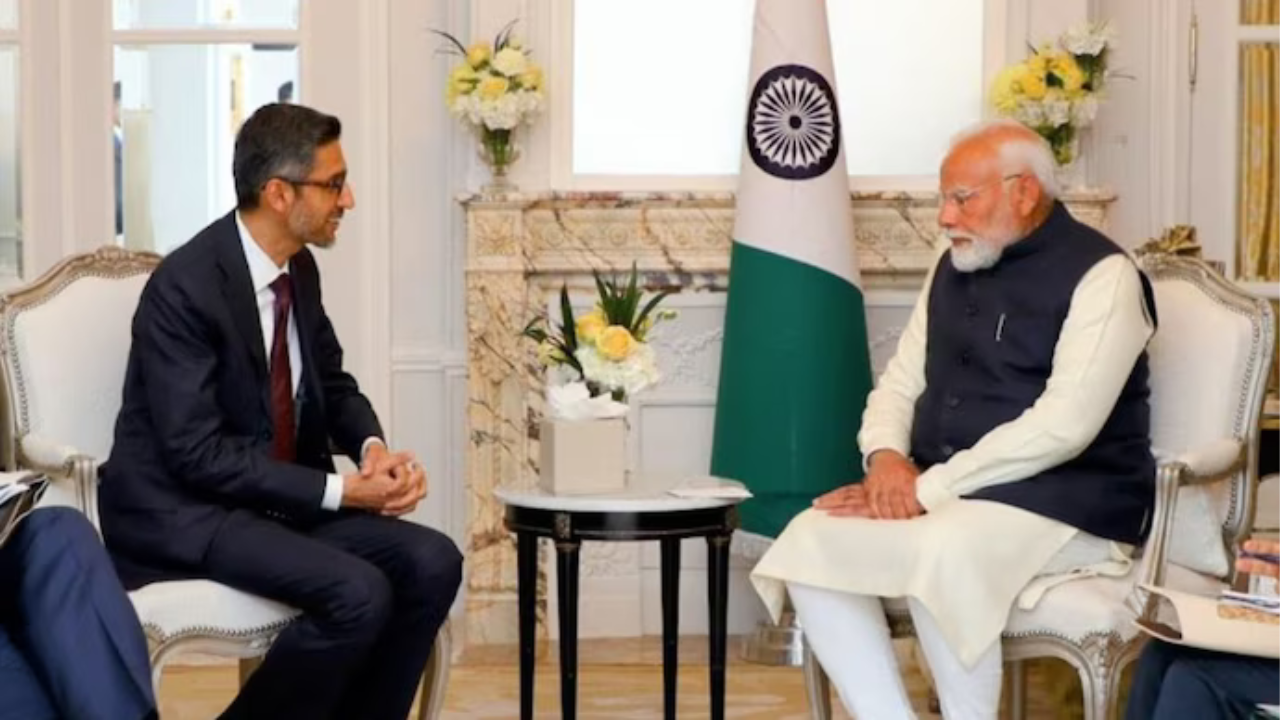
In a significant boost for the country’s digital economy, Google has announced fresh funding support for artificial intelligence (AI) research in India. This move aligns with the government’s broader vision to make India a global AI and digital innovation hub.
The funding is expected to support:
- Advanced AI research labs and academic partnerships
- Startup ecosystems working on AI-driven solutions
- Applied AI projects in areas like healthcare, agriculture, education, and small business productivity
With India already home to one of the world’s largest developer communities and a rapidly growing digital consumer base, Google’s investment signals strong global confidence in the country’s talent and market potential. It also helps Indian researchers and startups access world-class tools, cloud infrastructure, and collaboration opportunities.
For India, this AI push is not just about technology. It is also about job creation, skilling, and building export-ready digital products that can compete globally. Over the next few years, AI-driven solutions are likely to play a key role in improving efficiency across sectors, from public services to private enterprises.
PM MITRA textile parks get green signal
On the manufacturing side, the central government’s approval of PM MITRA (Mega Integrated Textile Region and Apparel) Parks is another big development. The scheme aims to create large integrated textile and apparel hubs across the country, bringing together the entire value chain—from spinning, weaving, and dyeing to printing and garment manufacturing—within a single ecosystem.
The PM MITRA parks are designed to:
- Attract large domestic and foreign investments in textiles
- Generate direct and indirect employment for lakhs of people
- Reduce logistics costs and improve global competitiveness
- Promote exports of high-quality textile and apparel products
By clustering key activities at one location and offering modern infrastructure, these parks are expected to help India compete with major textile exporting countries. They also open new opportunities for MSMEs, ancillary units, and local suppliers connected to the textile value chain.
For states, hosting a PM MITRA park can become a major driver of regional industrial development, especially in districts with strong textile traditions or available land and labor.
Markets trade steady amid holidays
Even as the festival and year-end holiday season leads to shorter trading weeks and lower volumes in some sessions, Indian financial markets have continued to remain active and closely watched. Investors are balancing several factors at once:
- Global cues on interest rates and inflation
- Foreign institutional investor (FII) flows
- Domestic economic data and corporate earnings
- Policy signals from the central and state governments
While there may be muted participation on certain days due to holidays, the broader trend shows continued interest in Indian equities, especially in sectors like banking, capital goods, infrastructure, technology, and consumption.
For retail investors and traders, this period is also a time to review portfolios, rebalance allocations, and prepare for the next calendar year. Market experts are closely tracking how domestic growth stories, government capex, and private sector investments will translate into earnings momentum in the coming quarters.
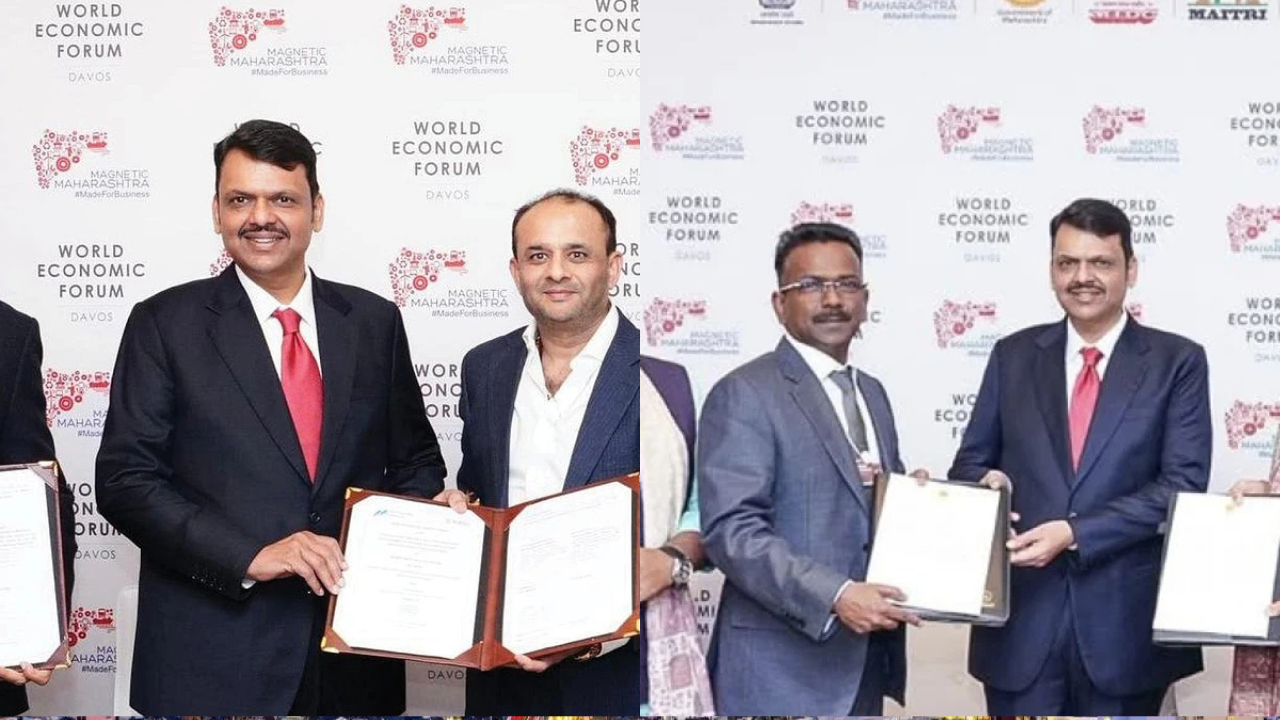
Maharashtra pushes ahead with investment targets
Against this national backdrop, Maharashtra remains one of the most active and ambitious states on the economic front. Despite facing financial pressures and competing priorities, the state government is pushing ahead with clear investment and industrialization goals, with several districts targeting fresh capital inflows.
The focus areas for Maharashtra’s investment drive include:
- Manufacturing clusters and industrial corridors
- Infrastructure projects such as roads, logistics hubs, and ports
- IT and IT-enabled services, fintech, and startups
- Renewable energy, electric mobility, and green projects
District-level administrations are increasingly being encouraged to identify sector-specific strengths and pitch themselves as attractive destinations for investors. This includes offering faster clearances, improved connectivity, and better coordination between departments.
For Maharashtra, sustaining its position as a top investment destination is crucial. The state contributes a significant share to India’s GDP and tax revenues, and it hosts major financial, industrial, and services hubs. However, rising expenditure needs, infrastructure demands, and social sector commitments put pressure on its finances.
Balancing fiscal discipline with growth-oriented spending is the key challenge. By pushing for private investments and public–private partnerships, Maharashtra aims to generate jobs, expand its tax base, and upgrade its infrastructure without relying solely on borrowing.
A converging growth story
Taken together, these developments show a converging growth story for India:
- Global tech giants like Google are betting on India’s AI future.
- Central schemes like PM MITRA are building the foundation for manufacturing-led growth.
- Financial markets are navigating volatility while still reflecting confidence in the India story.
- Leading states like Maharashtra are aggressively chasing investments even under fiscal pressure.
For businesses, startups, investors, and job seekers, this is a period of both opportunity and transformation. The coming months will be crucial in determining how quickly these policies and announcements convert into on-ground execution, new factories, expanded labs, and real jobs.