
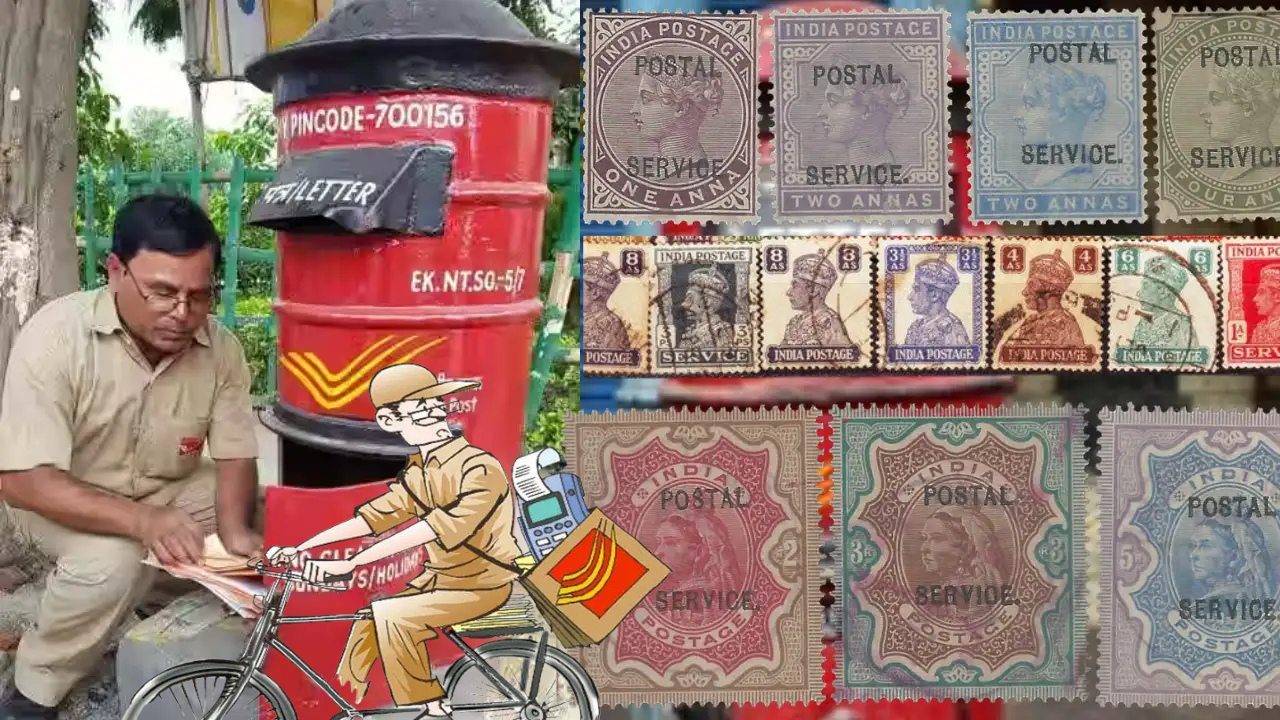
In a landmark decision that marks the end of a significant chapter in India’s communication history, India Post has officially announced the discontinuation of its iconic Telegram Service, a swift message delivery system that has served the nation for over five decades. Launched in the early 1970s, this special quick-mail system was a beacon of urgency and reliability, especially in an era when telephones were scarce, and digital communication was non-existent.
For generations of Indians, the telegram symbolized speed, trust, and authenticity. Whether it was a job appointment letter, government notice, exam result, or a family emergency, telegrams ensured that critical messages reached recipients swiftly and securely across vast distances. Its distinctive yellow form and prompt delivery mechanism became an integral part of India’s socio-cultural fabric, bridging the urban-rural divide with efficiency.
A Communication Lifeline in Pre-Digital India
At a time when personal telephones were a luxury, and postal letters took days, if not weeks, to deliver, the telegram stood out as a lifeline. Its importance was not merely logistical but deeply emotional. Families awaited telegrams with bated breath — they could bring joyous news of a promotion or marriage proposal, but they could also deliver somber news of bereavement. The words “Telegram aya hai” (a telegram has arrived) often sparked moments of anxiety or exhilaration in countless Indian households.
For the government, businesses, and educational institutions, telegrams were the preferred medium to dispatch urgent communications. Recruitment boards, examination authorities, and public sector organizations routinely relied on telegrams to inform candidates about job offers or interview schedules. It was the gold standard for urgent, official communication in an India where telecommunication infrastructure was still in its infancy.
Changing Times, Changing Technologies
However, as India embarked on its digital journey, the role of traditional communication mediums began to diminish. The advent of mobile phones, emails, and instant messaging apps transformed how Indians communicated. What once took hours or days could now be conveyed within seconds. With smartphones penetrating even the remotest corners of the country, the demand for telegrams steadily declined.
In recent years, the number of telegrams sent annually dwindled to a fraction of their historic volumes. Operational costs, coupled with declining usage, made the service increasingly unsustainable. While the emotional attachment to telegrams persisted, practical realities and technological advancements made its existence redundant in the fast-paced digital era.
A Respectful Farewell to a Trusted Companion
Announcing the discontinuation, a senior official from India Post stated, “The telegram service holds a special place in India’s communication legacy. It was more than just a medium; it was a symbol of trust, urgency, and connection. However, with the evolution of digital platforms, the service has seen a significant decline in relevance and usage. We are proud of the role telegrams have played, but it is time to move forward.”
The final date for the acceptance of telegrams has been set , after which the service will cease operations across the country. India Post has assured that all pending telegrams will be delivered with utmost priority and care, ensuring a dignified conclusion to this iconic service.
A Nostalgic Farewell
For millions, this announcement evokes a sense of nostalgia. The distinctive tap-tap sound of telegram machines, the hurried footsteps of telegram delivery staff, and the ceremonious way of reading out a telegram message are memories etched in the minds of an entire generation. It was not just a method of communication; it was an emotion — a tangible connection in a world yet to be digitized.
As India Post bids adieu to this venerable service, it also reaffirms its commitment to adapt and evolve with the changing communication landscape. “India Post has always been at the forefront of connecting people. While we honor our legacy, we are equally focused on embracing technological advancements to serve the modern needs of our citizens,” the official added.
Looking Ahead: India Post in the Digital Age
While the telegram service draws its final curtain, India Post continues its transformation journey. The organization has been proactively expanding its digital services, including the India Post Payment Bank (IPPB), e-commerce logistics, and digital financial inclusion initiatives. With an expansive network and renewed focus on technology-driven solutions, India Post aims to remain an integral part of India’s communication and logistics ecosystem.
The discontinuation of the telegram service is not an end, but a symbolic reminder of how far India has come in its communication journey — from hand-written letters and Morse-coded telegrams to high-speed internet and instant messaging apps. As the nation moves forward, the telegram will forever remain a cherished chapter in India’s rich tapestry of history and innovation.