


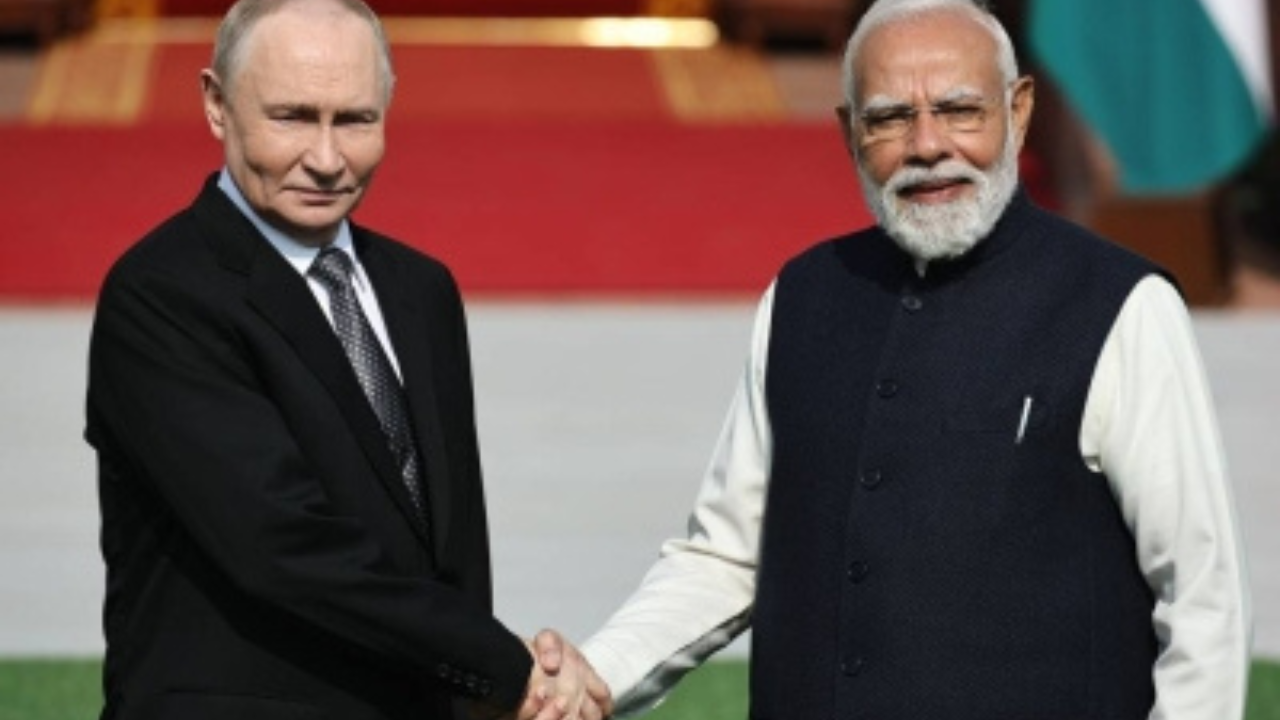
In a major development that strengthens bilateral relations between India and Russia, both nations have finalized a comprehensive five‑year plan for economic cooperation. The agreement aims to guarantee uninterrupted crude oil supply from Russia to India while expanding investment and trade partnerships across multiple energy and infrastructure sectors.
This step reinforces the robust strategic partnership between the two nations, reflecting their shared commitment to mutual growth and energy security in an increasingly volatile global market. The plan was discussed and finalized through high‑level talks between top government officials and energy representatives from both sides.
Strengthening Energy Relations
Russia, one of the world’s largest oil exporters, has emerged as India’s key energy partner since global disruptions affected traditional supply chains. The newly approved five‑year cooperation framework ensures a consistent and reliable supply of crude oil at competitive prices.
Officials have emphasized that the agreement is designed to safeguard India’s growing energy demands, reduce dependency on any single region, and support stable prices in the domestic market. For Russia, the deal secures a strong and dependable buyer at a time when the global market is witnessing major realignments following Western sanctions and energy diversification.
This partnership is expected to include direct purchase mechanisms between Indian oil companies and Russian producers, streamlined shipping and payment systems, and increased cooperation in developing refining, petrochemical, and storage capacities.
Economic Cooperation Beyond Energy
While energy forms the backbone of this partnership, the five‑year economic cooperation plan covers much more. It includes mutual investment opportunities in transportation, manufacturing, banking, agriculture, and technology exchange. Both countries are exploring enhanced trade using national currencies to simplify transactions and reduce the influence of third‑party currencies like the US dollar.
According to sources, Russia and India have identified several priority sectors where collaboration could yield quick results. These include infrastructure modernization, heavy machinery exports, fertilizer production, and agricultural imports. The cooperation plan also supports joint ventures aimed at improving logistics connectivity through sea, rail, and air transport corridors linking the two countries via Central Asia and the Middle East.
Focus on Stability and Long‑Term Security
India’s growing energy appetite, driven by rapid industrialization and urbanization, makes stable oil imports essential for economic resilience. With global energy markets facing frequent geopolitical shocks, the five‑year framework offers India a predictable supply, helping balance national energy needs with economic planning.
Russian officials have noted that the deal’s long‑term nature allows both governments to plan investments more efficiently, ensuring returns and creating job opportunities in related industries such as shipping, refining, and engineering.
Additionally, Indian analysts view this cooperation as a strategic counterbalance to global energy dependencies. “This agreement not only strengthens India’s position in global energy negotiations but also secures affordable inputs for its industries,” said one energy policy expert.
Potential Impact on Global Markets
The growing energy trade between Russia and India has already reshaped global oil flows. India has become one of the largest importers of discounted Russian crude since 2022, sparking discussions among global analysts about the shifting dynamics of energy commerce.
Under this new framework, the scale of Indian imports from Russia is likely to grow further, which may influence global pricing trends. However, both nations have reiterated that the purpose of the agreement is stability rather than competition.
Russia continues to emphasize that its partnership with India is based on trust, respect, and economic complementarity rather than short‑term profit motives. The plan encourages collaboration on developing new energy technologies, including green fuel research and pipeline projects that could serve the broader region in the future.
Diplomatic and Strategic Significance
Beyond economics, the agreement carries strong diplomatic value. It deepens the historical friendship between the two nations dating back to the Soviet era and gives both sides leverage in their geopolitical strategies.
India views this as an opportunity to diversify dependence across multiple partners while maintaining neutrality in international conflicts. For Russia, strengthening ties with one of the world’s fastest‑growing economies enhances its long‑term stability and global influence.
The five‑year plan is also aligned with India’s “Energy Security 2040” vision and Russia’s broader pivot towards Asia. Discussions are already underway for cooperation in nuclear energy, defense technology, and innovation‑driven industries alongside the oil trade.
Industry Reactions
Industry experts from India have largely welcomed the initiative. According to reports, major public sector undertakings such as Indian Oil Corporation (IOC) and Bharat Petroleum Corporation Ltd (BPCL) are expected to participate actively in the execution of long‑term crude contracts.
Market analysts predict that assured energy supplies from Russia could lead to more predictable fuel prices domestically, helping policymakers manage inflation better. It may also contribute to India’s goal of transitioning from short‑term spot purchases to strategic sourcing through bilateral agreements.
Experts also underline that logistics and payment mechanisms will play a key role in making this partnership successful. Streamlined transport routes through ports and flexible payment solutions are being discussed to ensure smooth operations despite international financial restrictions.
Future Outlook
Both governments are confident that this five‑year economic cooperation framework will bring tangible benefits to their people. It represents a practical approach to global uncertainties by combining economic logic with strategic foresight.
The success of this initiative could pave the way for similar long‑term pacts in other sectors such as renewable energy, mining, and technology transfer. Analysts believe that by 2030, trade volumes between India and Russia could double if the framework is executed effectively.
The agreement demonstrates how two major nations can balance national interests with mutual benefit, setting an example for sustainable global partnerships in the 21st century.