State Martyrs Memorial Day, also known as Hutatma Smruti Din in public discourse, is linked with the Samyukta Maharashtra movement that demanded a separate Marathi-speaking state with Mumbai as its capital.
During the 1950s, lakhs of people came out on the streets to press for this demand, and the movement saw intense protests, police action and the tragic loss of many lives.
On 21 November 1955, a protest in south Mumbai turned into a turning point in this struggle.
Police firing on demonstrators led to the death of more than a hundred protestors, and over time, 106 of them came to be officially remembered as martyrs of the Samyukta Maharashtra movement.
Hutatma Chowk and the 106 martyrs
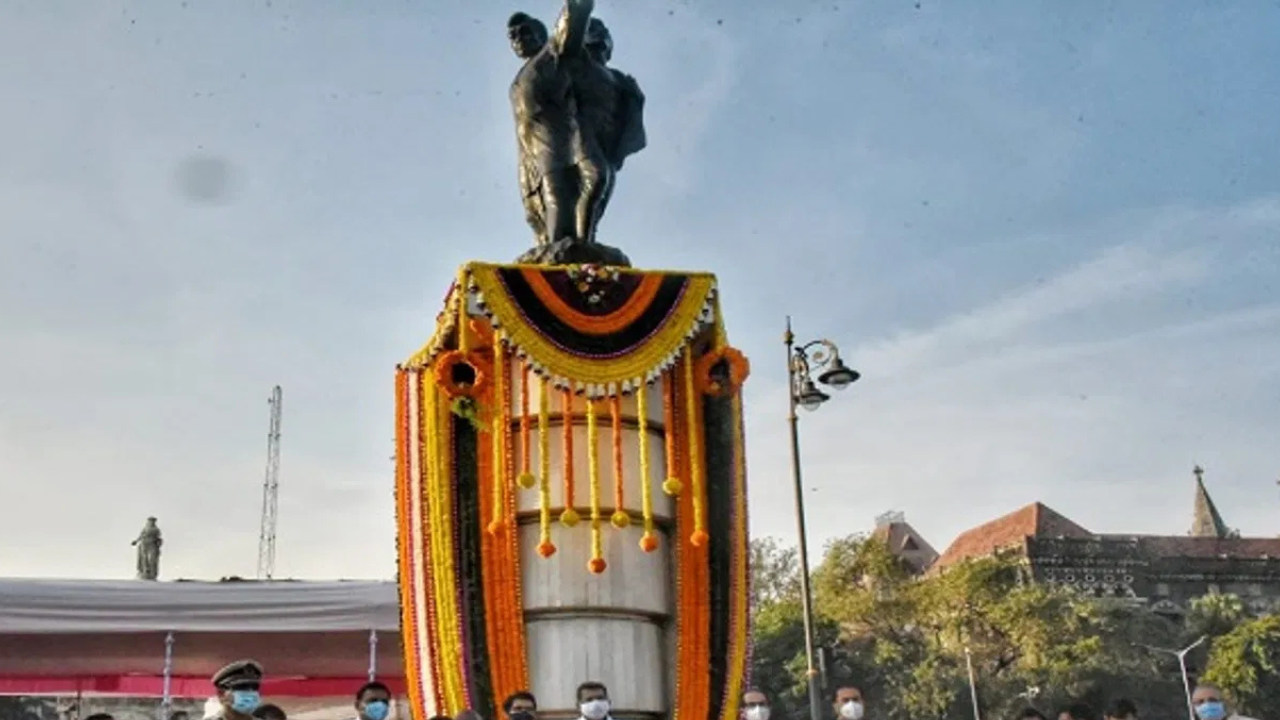
In the heart of south Mumbai stands Hutatma Chowk, near the iconic Flora Fountain, which has become the central memorial site for these martyrs.
The square, earlier known simply by its old colonial-era name, was officially renamed Hutatma Smarak Chowk in 1961 in honour of those who laid down their lives for a unilingual Marathi-speaking state of Maharashtra.
At this memorial, an eternal flame burns in memory of the martyrs, symbolising the unbroken spirit of their sacrifice.
On the marble platform near the flame, the names of the martyrs are inscribed, serving as a permanent reminder of the human cost behind the creation of the modern state.
The number 106 carries special emotional weight in Maharashtra, as it refers to the workers, students and ordinary citizens who lost their lives during the protests and subsequent police firing.
Their sacrifice is remembered as a key factor that eventually led to the formation of Maharashtra with Mumbai as its capital on 1 May 1960.
Observance on November 21
Every year on 21 November, State Martyrs Memorial Day is observed by the government, political leaders, social organisations and citizens across Maharashtra.
The main state-level tribute usually takes place at Hutatma Chowk, where floral wreaths are laid at the memorial, the eternal flame is saluted and homage is paid to the martyrs.
On this day, senior leaders, including the Chief Minister and other dignitaries, gather at the square to remember the martyrs with a formal ceremony.
Two minutes of silence are often observed, and messages are issued urging people to uphold the values of unity, democracy and linguistic and cultural identity for which the martyrs fought.
Apart from the official programme in Mumbai, various events are held in districts and towns across Maharashtra.
Local leaders, students and citizens assemble at memorials, public squares and educational institutions to offer floral tributes, organise talks on the Samyukta Maharashtra movement and conduct awareness programmes about the history of the state.
Significance for today’s generation
State Martyrs Memorial Day is not just a ritual of laying wreaths; it is a reminder of how people’s movements shape the map and identity of a region.
The struggle for Samyukta Maharashtra shows how workers, farmers, students and common citizens came together, cutting across class and background, to demand a state that reflected their language and culture.
For the younger generation, the story behind this day is also a lesson in civic awareness.
Many young people in cities may not fully know why Maharashtra Day is celebrated on 1 May or why Hutatma Chowk holds such importance, and occasions like this help bridge that gap.
By remembering the 106 martyrs, society is reminded that the rights and privileges enjoyed today, such as having a state that recognises Marathi language and culture at its core, did not come easily.
They were won through years of agitation, sacrifice and, ultimately, bloodshed on the streets of Mumbai and other parts of the region.
Role of Happen Recently and the media
Digital platforms and news portals like “Happen Recently” play an important role in keeping this history alive for readers across Maharashtra and beyond.
By publishing stories, explainers and human-interest articles on days like State Martyrs Memorial Day, media organisations help connect present-day audiences with the struggles of earlier generations.
Such coverage can highlight not only the political milestones but also the personal stories of families of martyrs, surviving participants of the movement and historians who have documented this chapter of Maharashtra’s history.
This people-centric approach ensures that the martyrs are remembered not just as names on a stone plaque but as real individuals whose courage reshaped the destiny of the state.
A day of tribute and resolve
On State Martyrs Memorial Day, Maharashtra bows its head in respect to the 106 martyrs whose sacrifice laid the foundation of the modern state.
The eternal flame at Hutatma Chowk and the observances held across the state together send out a message that their contribution will never be forgotten.
The day also renews a collective resolve to protect the values of justice, linguistic pride, cultural harmony and democratic protest that were at the heart of the Samyukta Maharashtra movement.