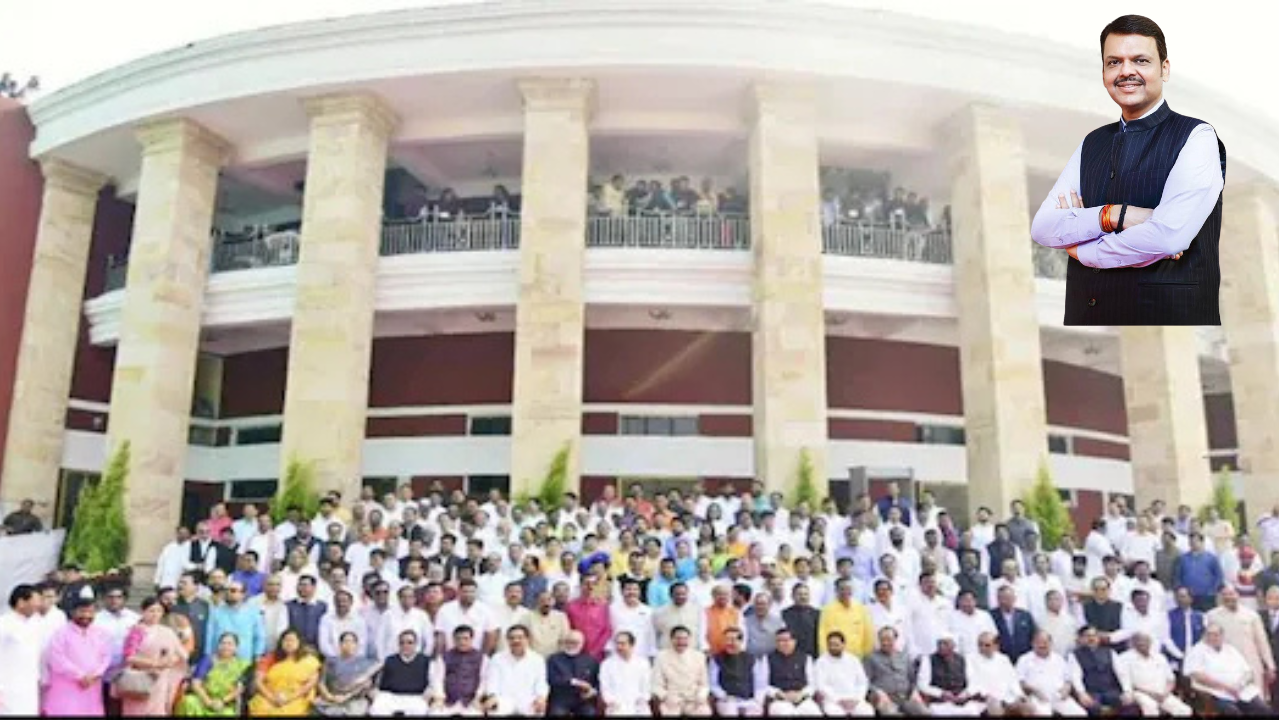
The Maharashtra Legislature’s winter session is in full swing in Nagpur, with Chief Minister Devendra Fadnavis assuring meaningful discussions on crucial issues including agriculture, farmers’ welfare, and the passage of 18 important bills. The session, which began earlier this week, has witnessed intense debates, opposition protests, and even some dramatic demonstrations inside and outside the Assembly premises.
The winter session—traditionally held in Nagpur, the second capital of Maharashtra—is scheduled to continue until December 14. Lawmakers from all parties have gathered to deliberate on development priorities, rural distress, and governance issues affecting millions across the state.
CM Fadnavis Emphasizes Focus on Farmers and Rural Development
Chief Minister Devendra Fadnavis, in his opening remarks, underlined the government’s commitment to address agricultural challenges and rural issues. He assured the House that the session would hold detailed discussions on the present condition of farmers, crop losses due to erratic rainfall, and the need for better irrigation and crop insurance schemes.
The Chief Minister highlighted that the government has prepared 18 bills for introduction and discussion during the winter session. These bills cover a range of subjects—from agriculture reforms and cooperative sector changes to urban infrastructure and administrative efficiency. Fadnavis stressed that the government is open to constructive suggestions from all parties to ensure that new laws reflect the needs of citizens.
Opposition Pushes for Farm Loan Waivers and Leader of Opposition Posts
On the other hand, opposition parties created a storm in the Assembly demanding immediate farm loan waivers for distressed cultivators. With several regions of Maharashtra still reeling under the effects of crop failure and fluctuating market prices, opposition leaders argued that farmers deserve urgent financial relief.
The opposition also raised the long-pending issue of appointing Leaders of the Opposition in both Houses. Their members staged strong protests over what they called a delay in recognizing these official opposition posts, which they said was necessary for maintaining democratic balance and accountability in the House.
Frequent sloganeering and walkouts marked the opening sessions, forcing temporary adjournments on multiple occasions as both sides stood firm on their positions.
Dramatic Protest Highlights Human-Animal Conflict in Maharashtra
Amid serious political debates, an unusual scene grabbed public attention when an MLA appeared dressed in a leopard costume inside the Assembly complex. The act was a symbolic protest aimed at highlighting the growing human-animal conflict in the state, particularly in forest-adjacent areas of Vidarbha and Marathwada.
The MLA stated that attacks by wild animals—especially leopards and tigers—have increased in rural belts, affecting farmers and villagers. The protest called for urgent policy intervention and compensation mechanisms for affected families. The dramatic demonstration drew widespread social media attention, turning into one of the most talked-about moments of the session.
Supplementary Demands and Budgetary Discussions Begin
On the first day of the winter session, the government tabled supplementary demands—additional financial provisions aimed at meeting immediate expenditure requirements of various departments. These demands are expected to cover sectors like rural development, education, healthcare, road infrastructure, and disaster relief.
The Finance Department has indicated that these allocations will help bridge current gaps in project implementations and ensure timely completion of ongoing development works before the end of the fiscal year.
Key Debates Expected Before Session Ends
As the session moves forward, several key issues are set to dominate the discussions:
- Agriculture and crop insurance: Debates around compensation for farmers affected by droughts and floods.
- Employment and industry: Policy measures to attract fresh private investment and generate jobs.
- Urban and rural infrastructure: Status updates on flagship projects such as road improvement, irrigation canals, and smart city missions.
- Wildlife management: A new framework for coordinating between the forest department and local communities to reduce animal attacks.
- Legislative agenda: Detailed scrutiny of the 18 bills tabled for discussion, covering governance, financial management, and local body reforms.
CM Fadnavis reiterated that his government is determined to maintain transparency and accountability throughout the legislative process. He urged all parties to collaborate constructively, putting people’s welfare above political rivalry.
Session to Continue Until December 14
The winter session will continue until Saturday, December 14, after which all bills, resolutions, and financial matters are expected to be concluded. Given the wide public interest in agricultural and economic issues, this session is being closely watched by farmers’ associations, industry representatives, and policy analysts across Maharashtra.
Observers note that the current session could set the tone for several key reforms and decisions that will influence the state’s development agenda heading into 2026.
As the debates intensify, the message from both sides of the aisle is clear: Maharashtra’s growth story must include its farmers, villages, and working-class citizens. Whether through legislation or political consensus, the winter session in Nagpur is shaping up to be a decisive one for the state’s policy direction in the coming year.