


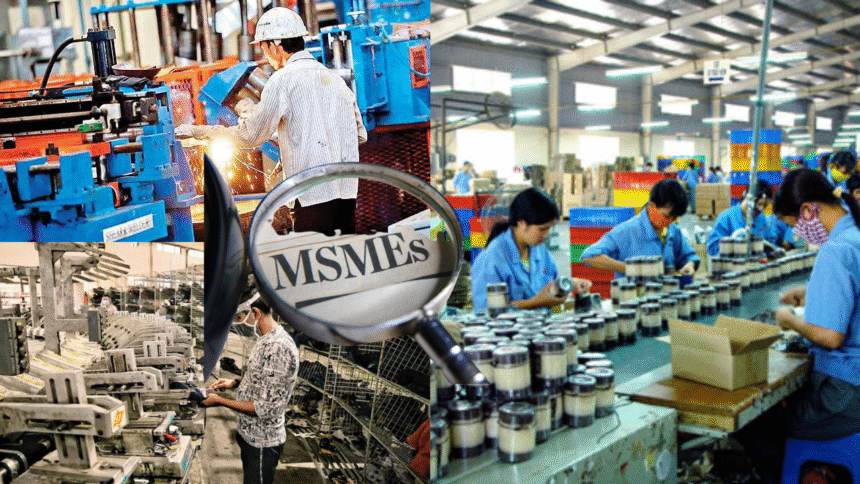
The Indian government remains committed to strengthening the backbone of the economy—micro, small, and medium enterprises (MSMEs)—by rolling out a series of targeted schemes and incentives. These initiatives are designed to boost entrepreneurship, create jobs, and ensure sustainable growth across sectors, especially in states like Maharashtra and Madhya Pradesh where MSMEs play a vital role in local economies.
Government’s Ongoing Support for MSMEs
Over the past few years, the government has introduced several programs aimed at easing the operational challenges faced by MSMEs. From financial assistance and credit guarantees to skill development and digital transformation, these schemes are helping small businesses overcome hurdles and scale up their operations.
One of the flagship initiatives is the Pradhan Mantri Mudra Yojana (PMMY), which provides collateral-free loans to micro-enterprises. Since its launch, the scheme has disbursed over ₹20 lakh crore to more than 40 crore beneficiaries, enabling small businesses to access much-needed capital for expansion and working capital needs.
Another major scheme is the Credit Guarantee Fund Trust for Micro and Small Enterprises (CGTMSE), which offers credit guarantees to banks and financial institutions, encouraging them to lend to MSMEs without demanding collateral. This has significantly improved credit flow to small businesses, especially in rural and semi-urban areas.
Digital Transformation and Skill Development
Recognizing the importance of technology in today’s business landscape, the government has also launched the Udyam Registration Portal. This platform simplifies the registration process for MSMEs, making it easier for entrepreneurs to access government benefits, subsidies, and support services. The portal also helps in tracking the growth and performance of MSMEs, enabling policymakers to design more effective interventions.
To further empower MSMEs, the government has initiated skill development programs such as the Pradhan Mantri Kaushal Vikas Yojana (PMKVY). These programs focus on training youth and workers in modern manufacturing techniques, digital tools, and management practices, ensuring that MSMEs have access to a skilled workforce.
Support for Women Entrepreneurs
The government has also prioritized the inclusion of women in the MSME sector. Schemes like the Mahila Udyam Nidhi and Stand-Up India provide financial assistance and mentorship to women entrepreneurs, helping them set up and grow their businesses. These initiatives have led to a significant increase in the number of women-led MSMEs, contributing to economic empowerment and gender equality.
State-Level Initiatives
In addition to national schemes, state governments are also playing a crucial role in supporting MSMEs. In Maharashtra, the Maharashtra State Innovation Society (MSInS) has launched several programs to promote innovation and entrepreneurship among small businesses. The state government has also set up MSME clusters in key industrial areas, providing infrastructure, common facilities, and technical support to local entrepreneurs.
Similarly, in Madhya Pradesh, the Madhya Pradesh MSME Development Corporation offers subsidies, training, and marketing support to small businesses. The state has also introduced the MP Startup Policy, which provides financial incentives, incubation support, and regulatory ease to startups and MSMEs.
Impact on Local Economies
The government’s support for MSMEs has had a positive impact on local economies, especially in rural and semi-urban areas. By providing access to finance, technology, and markets, these schemes have enabled small businesses to create jobs, generate income, and contribute to regional development.
For example, in Maharashtra, the MSME sector accounts for over 40% of the state’s industrial output and employs more than 10 million people. In Madhya Pradesh, MSMEs contribute around 30% to the state’s GDP and provide employment to millions of workers.
Challenges and the Way Forward
Despite the progress made, MSMEs continue to face challenges such as limited access to markets, high operational costs, and regulatory hurdles. To address these issues, the government is working on further reforms, including simplifying tax procedures, reducing compliance burden, and promoting digital payments.
There is also a growing focus on sustainability and green manufacturing. The government is encouraging MSMEs to adopt eco-friendly practices and invest in renewable energy, helping them reduce costs and contribute to environmental conservation.
Conclusion
The government’s continued support for MSMEs through various schemes and incentives is a testament to its commitment to inclusive and sustainable economic growth. By empowering small businesses, the government is not only creating jobs and boosting local economies but also laying the foundation for a resilient and innovative entrepreneurial ecosystem.
As MSMEs continue to play a crucial role in India’s development, it is essential to ensure that these initiatives reach the intended beneficiaries and address their evolving needs. With the right support and policy interventions, MSMEs can drive India’s economic transformation and contribute to a brighter future for all.