
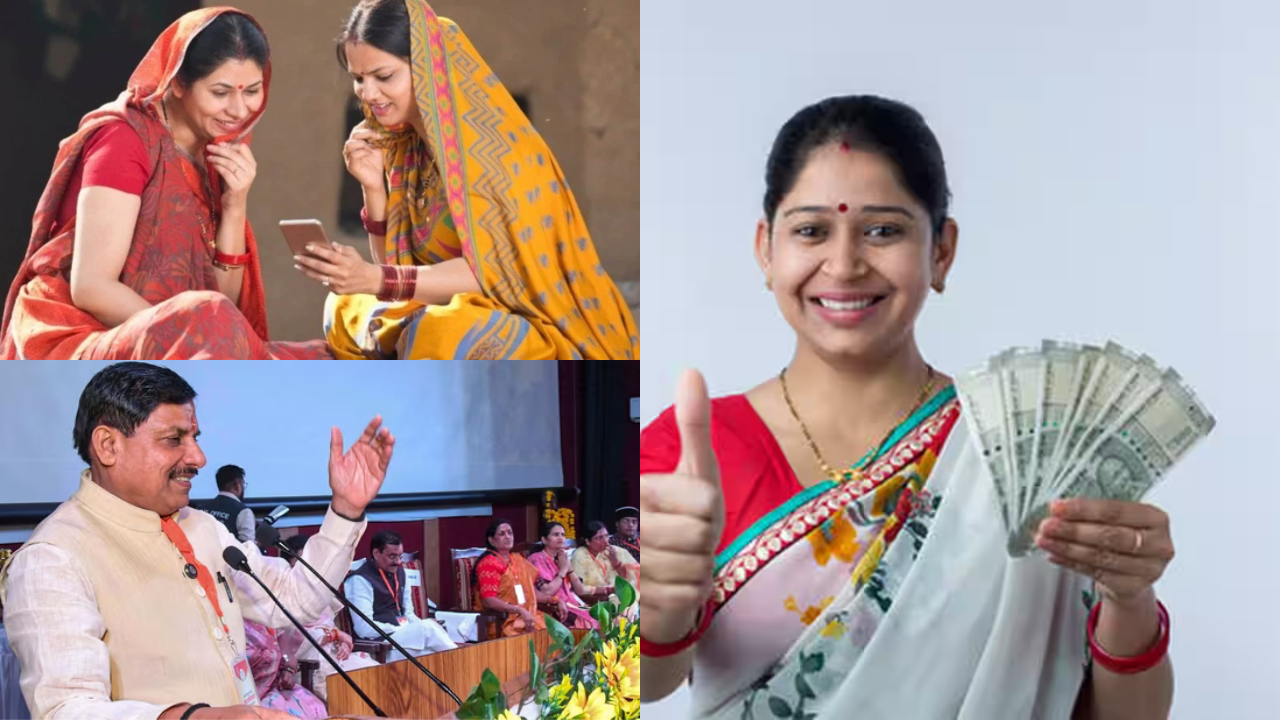
In a significant move ahead of the festive season, the government has announced a special Diwali package under the popular Ladli Behna Scheme, aimed at strengthening social and financial security for women. The latest decision extends direct financial assistance to nearly 5 lakh women beneficiaries, ensuring that households across Madhya Pradesh and other beneficiary regions have additional support during the festive season.
The Ladli Behna Scheme has been one of the most impactful state-led welfare initiatives in recent years, designed to empower women through direct financial transfers. With this new special Diwali gift, the government has reinforced its commitment to women’s empowerment, creating not only festive cheer but also confidence in long-term social security measures for women.
About the Ladli Behna Scheme
Launched with the vision of uplifting women from economically weaker sections, the Ladli Behna Scheme provides monthly financial assistance to eligible women. The scheme has seen tremendous success, with lakhs of families benefitting from the consistent financial support. By easing financial burdens, it also enhances access to basic needs, healthcare, and education for children in women-headed households.
Over time, the program has evolved, incorporating periodic additional support from the government during major festivals and critical times. The latest Diwali-centric announcement marks another milestone in the scheme’s journey, highlighting the government’s sensitivity to both cultural values and socio-economic realities.
A Festive Boost for Women Beneficiaries
The Diwali season is traditionally associated with festivities, family gatherings, and household expenses that often put financial stress on families. By announcing additional direct benefit transfers (DBTs) for more than 5 lakh women, the government seeks to reduce this pressure, ensuring that no family is left out of celebrating the festival with dignity.
Reports suggest that this special financial aid will be credited directly into the bank accounts of beneficiaries, ensuring transparency and avoiding delays. This ensures that women have the means to purchase essentials, invest in small festive savings, and carry out family obligations without economic strain.
Women-Centric Empowerment and Financial Inclusion
Financial empowerment of women through government schemes has been a key agenda in India’s larger development framework. The Ladli Behna Scheme, since its inception, has specifically emphasized that direct transfers to women ensure better household utilization, as studies have revealed that women often prioritize spending on health, education, and family welfare.
By focusing on direct financial inclusion, the scheme has not only helped families cope with rising living costs but has also gradually contributed to women’s financial literacy and independent decision-making. The additional Diwali benefit will further strengthen this trend, allowing women to exercise greater financial control during an important cultural time.
Voices From Beneficiaries
Early reactions from beneficiaries across Madhya Pradesh highlight how impactful the scheme continues to be. Women from rural as well as semi-urban regions have expressed gratitude, noting that such timely financial assistance provides them the confidence to meet household expenses, clear small debts, and balance festive demands.
One beneficiary from Sehore remarked that she planned to use the Diwali assistance to buy clothes and sweets for her children. Another woman from Jabalpur said the additional transfer would help her family light their house during Diwali without worrying about borrowing money.
Such heartfelt stories reflect how schemes like Ladli Behna directly touch lives, turning policy into tangible progress at the grassroots level.
Political and Social Significance
The continuity of the Ladli Behna Scheme, coupled with special festival-related benefits, carries deep political and social resonance. For the government, it showcases commitment to inclusive welfare, highlighting that women are at the heart of policy-making.
Leaders have emphasized that the scheme promotes balanced economic participation and strengthens women’s role in society. At a broader level, it points towards India’s ongoing push for social justice, rural development, and gender-focused governance.
The Diwali announcement also sets the stage for further interest in how welfare schemes can adapt to cultural calendars, making policy more relatable and impactful for citizens.
Future Expansion and Policy Directions
Officials hinted that the reach of the Ladli Behna Scheme may continue to expand in the coming months, covering more women in need. There is also discussion of linking the scheme with parallel welfare initiatives such as healthcare subsidies, pro-women educational scholarships, and rural employment assistance.
This integration would make the scheme more robust, covering multiple aspects of empowerment beyond financial transfers alone. The long-term vision seems to be not just providing periodic financial assistance, but building self-reliant communities of women equipped with skills, resources, and decision-making authority.
Conclusion
As households prepare for Diwali 2025, the announcement of a special financial gift under the Ladli Behna Scheme has ignited a wave of positivity across Madhya Pradesh. For more than 5 lakh women beneficiaries, this is not just an additional sum of money, but a symbolic recognition of their contribution to families, communities, and the nation.
The scheme continues to stand as a beacon of women-centric policy, providing economic relief when it matters most. With this move, the government has ensured that Diwali remains a festival of light and joy for every family, irrespective of economic standing.
The Ladli Behna Scheme, with its Diwali extension, once again proves that empowering women empowers society. It offers a glimpse of how inclusive governance and thoughtful policy design can bring smiles to millions of households during India’s most cherished festival.