
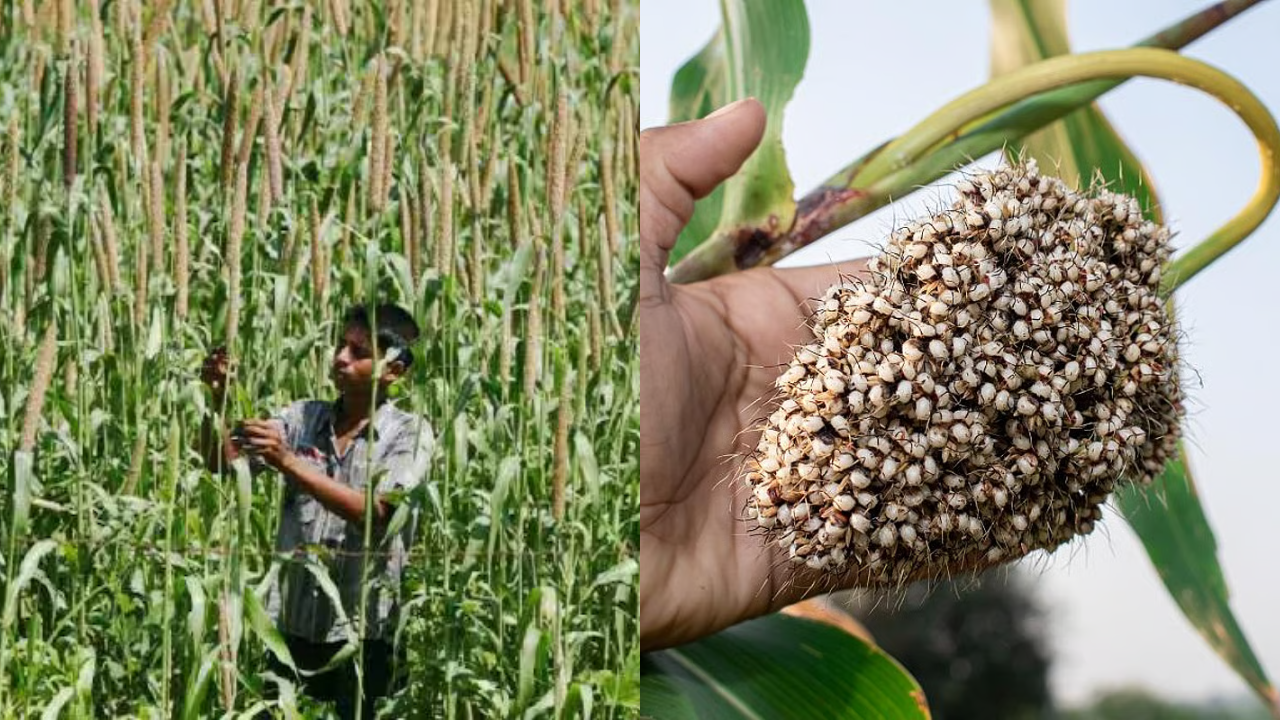
The government has announced that the procurement process for key food grains—jowar, bajra, and rice—will begin soon across the state, marking a major step to support farmers and strengthen the agricultural supply chain. According to official information, procurement of jowar and bajra will start from November 24, while rice procurement will be launched from December 1. District collectors have been directed to ensure all arrangements are made for a smooth and transparent procurement process.
This decision aims to protect the interests of farmers, ensure fair prices for their produce, and maintain stable availability of essential food grains in the public distribution system. The government has also emphasized timely payments, accurate weighing systems, and efficient transport arrangements as part of the preparations.
Support for Farmers Ahead of Rabi Season
The procurement schedule comes at a crucial time when farmers are preparing for the next crop cycle. With fluctuating market prices and varying demand, government procurement offers farmers a safety net by guaranteeing minimum support prices (MSP) for their produce. Jowar (sorghum) and bajra (pearl millet)—both vital coarse cereals—are staple crops in many parts of the state, cultivated mostly by small and marginal farmers.
Officials noted that the procurement centers will be set up in major producing districts to ensure accessibility. Farmers have been encouraged to register their details in advance to avoid last-minute delays. The administration is also deploying additional staff to handle the large quantities expected during the initial weeks of procurement.
Rice Procurement from December 1
After the start of jowar and bajra procurement, the next phase will focus on rice, beginning December 1. Paddy fields across the state have seen a good harvest this year due to favorable monsoon rains. The government expects a higher procurement volume compared to last year, ensuring that no eligible farmer is left out of the process.
To make the system more transparent, digital methods for record-keeping will be adopted at procurement centers. Farmers will receive receipts immediately upon the sale of their crops, and payments will be directly credited to their bank accounts. This step, officials say, will prevent middlemen or private traders from exploiting farmers during the procurement season.
Role of District Collectors and Local Administration
The government has issued strict guidelines to all district collectors to supervise operations personally. They are instructed to identify suitable procurement centers, ensure sufficient storage capacity, and arrange transport from collection points to godowns. Regular inspections will also be carried out to maintain transparency and efficiency.
In addition, coordination meetings have been held with officials of the food and civil supplies department, agriculture officers, and representatives of cooperative societies. The aim is to keep the entire process farmer-friendly and free from delays. Collectors have also been asked to establish help desks at every center to guide farmers and handle grievances promptly.
Encouraging Farmers to Participate
Farmers have been advised to clean and dry their produce properly before bringing it to the procurement centers. Awareness campaigns will be conducted through gram panchayats, local radio, and social media to inform farmers about the dates, locations, and procedures involved. Posters and banners are also being displayed in rural markets to make information easily accessible.
Agriculture officers are reaching out to farmer groups and cooperatives to ensure maximum participation. The government believes that transparent procurement not only benefits farmers directly but also contributes to the state’s food security objectives.
Ensuring Quality, Fair Weighing, and Timely Payment
Special arrangements are being made for testing and quality verification of jowar, bajra, and rice before procurement. Officials clarified that only fair quality produce will be accepted as per the prescribed quality standards. Procurement centers are also equipped with verified electronic weighing machines to guarantee accuracy in measuring produce.
The government further stated that payments will be processed within a fixed time frame after procurement. Instructions have been issued to ensure that every farmer receives payment directly into their account within a few days, reducing middlemen interference and maintaining transparency.
Strengthening the Agriculture Supply Chain
This annual procurement exercise is a vital component of the government’s broader agricultural policy. By ensuring timely procurement, the scheme helps stabilize rural incomes, prevents distress sales, and supports the distribution of subsidized grains through the Public Distribution System (PDS).
Officials emphasized that procurement efforts will also help balance food grain availability, reduce wastage, and encourage better planning for future food supplies. The state’s warehousing corporations and cooperative marketing federations have been directed to coordinate closely to manage grain storage effectively.
Government’s Appeal to Farmers
Authorities have urged all farmers cultivating jowar, bajra, and rice to take full advantage of the procurement drive. Farmers are encouraged to bring their produce to the authorized centers only, ensuring they benefit from the government-declared minimum support prices.
By initiating procurement at the right time, the government hopes to create a fair marketplace where farmers receive just compensation for their hard work. The upcoming months will play a crucial role in shaping a transparent and efficient procurement season, ultimately reinforcing the trust between farmers and the administration.