

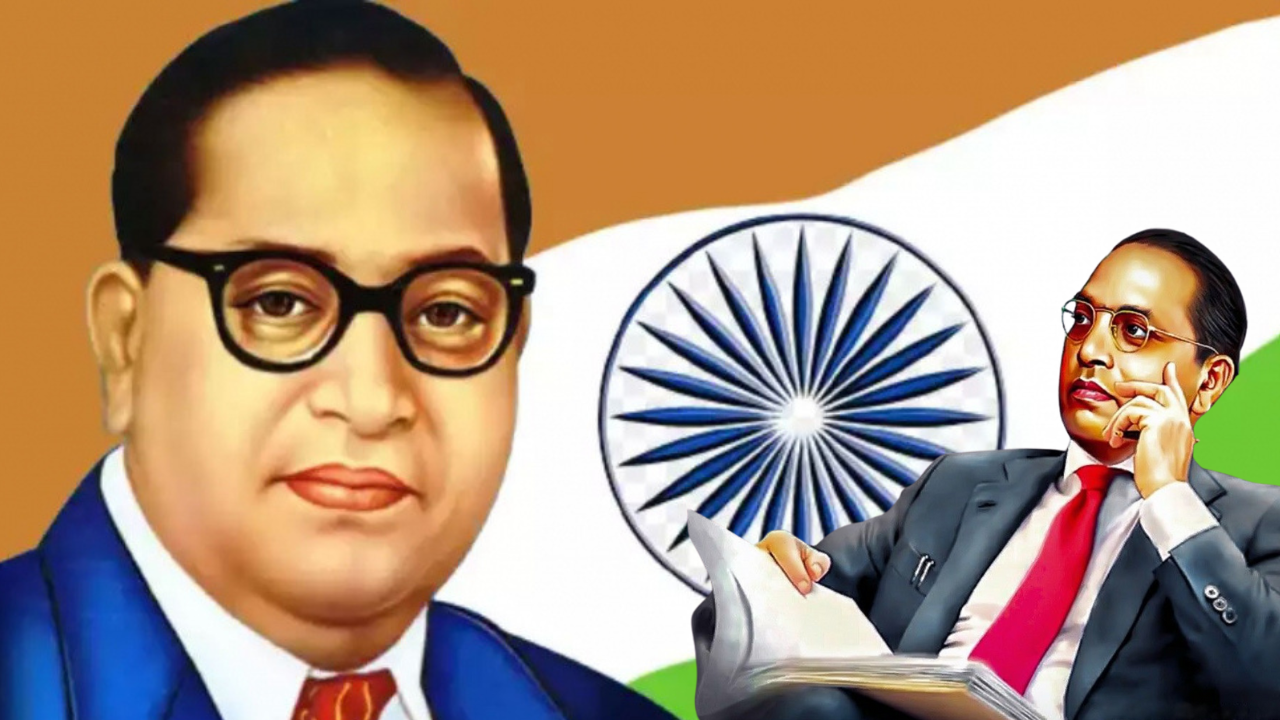
On this day, 77 years ago, a momentous chapter was etched in India’s history as Dr. Bhimrao Ramji Ambedkar, the principal architect of the Indian Constitution, took oath as independent India’s first Law Minister. This singular act on August 3, 1947, symbolized the birth of a new legal order—anchored in justice, equality, and inclusivity.
Dr. Ambedkar’s appointment was not merely a political event; it was the formal induction of a revolutionary thinker who envisioned a legal system where dignity, human rights, and social justice formed the bedrock of India’s democratic soul. His leadership at a pivotal juncture helped lay the foundation of a constitutional democracy that aimed to uplift every voice, especially those who had been historically marginalized.
A Visionary Leadership in a Transforming India
As the Law Minister, Dr. Ambedkar’s immediate responsibility was to steer the formulation of a Constitution that would guide an independent India—a nation emerging from the chains of colonial rule, rife with social inequalities and structural injustices.
“Law and order are the medicine of the body politic and when the body politic gets sick, medicine must be administered,” Dr. Ambedkar famously remarked, signaling his approach to nation-building through legal empowerment.
Under his stewardship, the Constituent Assembly embarked on an arduous journey to draft a document that would uphold the principles of liberty, equality, fraternity, and justice. His emphasis on fundamental rights, abolition of untouchability, and the establishment of affirmative action policies (reservations) for Scheduled Castes and Scheduled Tribes remains a cornerstone of India’s commitment to social justice.
Shaping the Soul of the Republic
Dr. Ambedkar’s contribution went far beyond legal statutes; he envisioned a nation where the law serves as a transformative force. As the Chairman of the Drafting Committee of the Constitution, he meticulously crafted provisions that fortified civil liberties, gender equality, freedom of expression, and protection against exploitation.
His deep understanding of law, economics, and social sciences helped blend Western democratic ideals with India’s socio-cultural realities. The Indian Constitution, adopted on January 26, 1950, is often hailed as a living document—a testimony to Dr. Ambedkar’s foresight in ensuring it adapts to evolving times.
Today, India stands as the world’s largest democracy, thanks in large measure to the robust institutional framework he helped establish.
Legacy Beyond Time
Dr. Ambedkar’s legacy is not confined to the pages of the Constitution; it pulsates through India’s democratic ethos, judicial activism, and the ongoing struggles for social justice. His life’s work has ignited generations to challenge oppression and advocate for an egalitarian society.
From the Dalit rights movement to contemporary debates on social equity, his teachings continue to empower voices that demand fairness and dignity. Educational reforms, labor rights, gender justice, and economic inclusiveness—fields where Dr. Ambedkar left an indelible mark—are as relevant today as they were seven decades ago.
Institutions like the Dr. Ambedkar Foundation, Ambedkar International Centre, and countless grassroots organizations ensure his thoughts and ideals remain a guiding light for policymakers, legal experts, and citizens alike.
Commemorative Initiatives and Tributes
On the 77th anniversary of his oath-taking as India’s first Law Minister, various national events are being held to honor Dr. Ambedkar’s contribution. A grand symposium titled “Ambedkar’s Legal Vision: The Living Constitution” is being organized by the Ministry of Law and Justice, bringing together jurists, scholars, and social leaders to deliberate on his continued relevance in India’s socio-legal discourse.
Prime Minister Narendra Modi, in his commemorative message, stated, “Dr. Babasaheb Ambedkar’s commitment to justice and equality laid the foundation of a strong, inclusive India. His vision transcends generations and continues to inspire us to build a society where every citizen has equal opportunity.”
In addition, a special postal stamp and a documentary series chronicling Dr. Ambedkar’s life journey will be released, aimed at educating the younger generation about his pivotal role in nation-building.
The Eternal Torchbearer of Equality and Justice
As India navigates the complexities of the 21st century, Dr. Ambedkar’s ideals resonate with ever-growing urgency. His philosophy of constitutional morality, democratic resilience, and socio-economic justice remains a moral compass for the nation.
Legal experts often refer to him as the ‘Father of Modern India’s Legal Framework’, a title befitting his tireless efforts in ensuring that laws serve as instruments of social change. His belief that “Democracy is not merely a form of government, but a form of social organization” continues to shape India’s collective aspirations.
A Timeless Tribute
The oath Dr. B.R. Ambedkar took on August 3, 1947, was more than a ceremonial pledge—it was a solemn commitment to transform India into a republic that respects human dignity above all else. His life and work remain a beacon of hope for millions, reminding us that justice is not a destination but a continuous journey.
As the nation pays homage to this visionary leader, his words ring louder than ever—“Be educated, be organized, and be agitated.” His legacy urges India to remain steadfast in its pursuit of an inclusive, equitable, and just society.