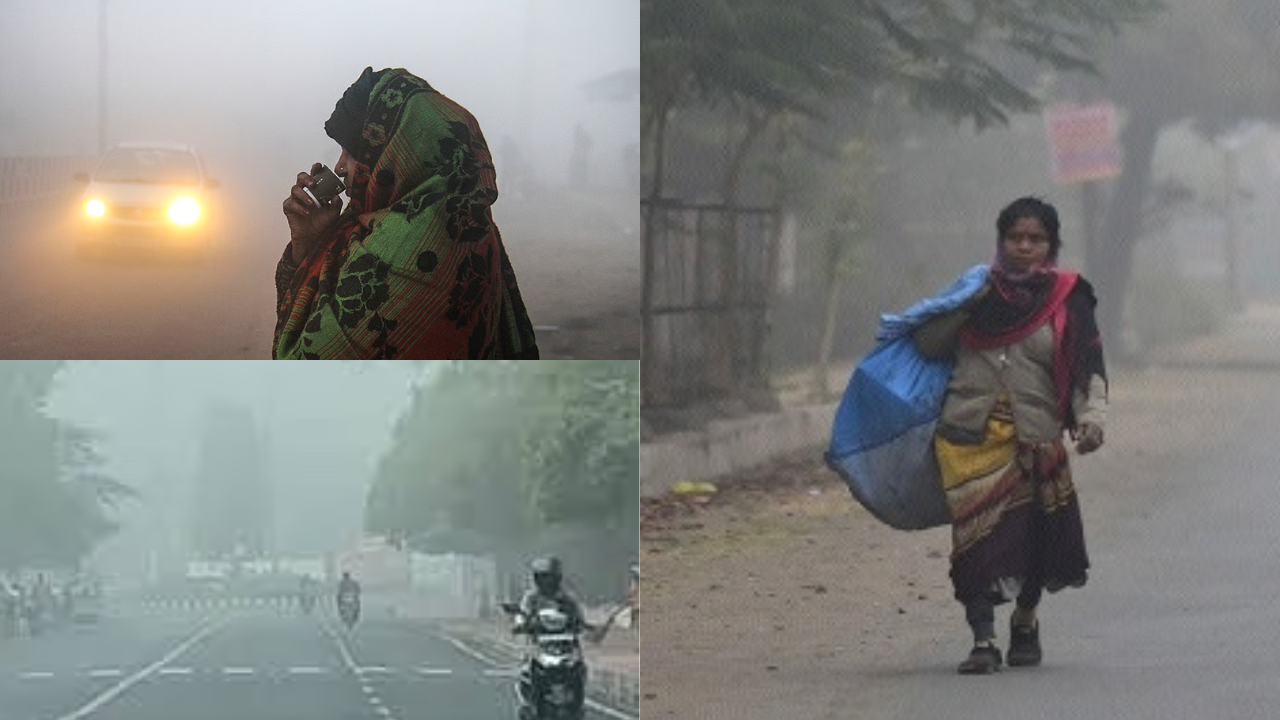
A cold wave is sweeping across Madhya Pradesh, and the coming days are expected to bring a sharp drop in night temperatures. Authorities have issued warnings, particularly for major cities like Bhopal, Indore, Ujjain, Gwalior, and the Chambal region, where night temperatures could fall below 5°C. With this sudden drop, farmers are being urged to take necessary steps to protect their winter crops, including wheat, mustard, and vegetables, from the harsh cold.
Winter Chill Spreads Across Madhya Pradesh
The India Meteorological Department (IMD) has predicted that a cold wave will grip large parts of Madhya Pradesh in the next few days. This is not just a minor dip in temperature; the cold is expected to be severe, especially at night. Bhopal, Indore, Ujjain, Gwalior, and the Chambal region are among the worst affected, with night temperatures likely to drop below 5°C. In some remote villages, the cold could be even more intense, making life difficult for both people and livestock.
The cold wave is being caused by a combination of factors, including clear skies, dry air, and strong winds from the north. These conditions allow heat to escape quickly from the ground, leading to sharp drops in temperature after sunset. During the day, temperatures may remain relatively comfortable, but the nights are turning out to be extremely cold, especially in rural and semi-urban areas.
Impact on Agriculture
Madhya Pradesh is one of India’s largest producers of wheat and mustard, and the timing of this cold wave is particularly concerning for farmers. Winter crops like wheat, mustard, and vegetables are in their crucial growth stages right now. A sudden drop in temperature can damage these crops, especially if protective measures are not taken.
Wheat, for example, is sensitive to frost in its early stages. If the temperature falls below 5°C for an extended period, the tender shoots can get damaged, reducing the overall yield. Mustard crops are also vulnerable, especially when the flowers and pods are forming. Frost can lead to poor seed formation and lower oil content. Vegetables such as cauliflower, cabbage, and spinach are similarly at risk, with frost causing wilting, discoloration, and reduced market value.
What Farmers Are Being Advised
To minimize crop losses, agriculture departments and local authorities are advising farmers to take several precautionary steps. These include:
- Covering crops with mulch or straw to insulate the soil and protect the roots.
- Using smoke screens or burning small fires near the fields to create a layer of warm air.
- Irrigating fields before sunset to increase humidity and prevent frost formation.
- Harvesting vegetables that are ready for market to avoid spoilage.
- Providing additional fodder and shelter for livestock, as cold weather can affect animal health.
Farmers are also being encouraged to stay updated with weather forecasts and follow advisories issued by local agricultural offices. In some areas, mobile alerts and community radio are being used to spread information quickly.
Precautions for the General Public
The cold wave is not just a concern for farmers. Ordinary citizens, especially the elderly, children, and those with health issues, are also at risk. Authorities are urging people to take precautions such as:
- Wearing warm clothes, especially during the night and early morning.
- Using heaters or warm blankets, but ensuring proper ventilation to avoid carbon monoxide poisoning.
- Staying indoors as much as possible during the coldest hours.
- Checking on elderly neighbors and relatives to ensure they are safe and warm.
In urban areas, hospitals and clinics are on alert for cold-related illnesses such as hypothermia and respiratory infections. Schools and colleges may also consider adjusting timings if the cold becomes severe.
Government Response
The state government has activated emergency response mechanisms in anticipation of the cold wave. Relief camps have been set up in some districts to provide shelter and warmth for the homeless and vulnerable populations. Medical teams are on standby, and additional supplies of blankets and medicines have been distributed to rural health centers.
Local administrations are coordinating with the IMD and agriculture departments to monitor the situation and provide timely assistance. In areas where crops are severely affected, compensation schemes may be introduced to help farmers recover their losses.
Looking Ahead
The cold wave is expected to continue for several days, with temperatures remaining low at night. However, weather experts say that as the week progresses, there may be some improvement, especially if cloud cover increases or there is a change in wind patterns.
For now, the focus is on minimizing damage and ensuring the safety of both people and crops. Farmers, citizens, and authorities are all working together to face this challenge. The situation is a reminder of how vulnerable agriculture and rural communities can be to sudden changes in weather, and the importance of preparedness and timely action.
Final Thoughts
Madhya Pradesh is no stranger to cold waves, but each one brings its own set of challenges. This year, with temperatures dropping below 5°C in key regions, the need for vigilance is greater than ever. By following advisories, taking preventive measures, and supporting each other, the state can weather this cold spell and emerge stronger.
Stay warm, stay informed, and take care of those around you. The cold may be harsh, but with the right steps, its impact can be minimized.