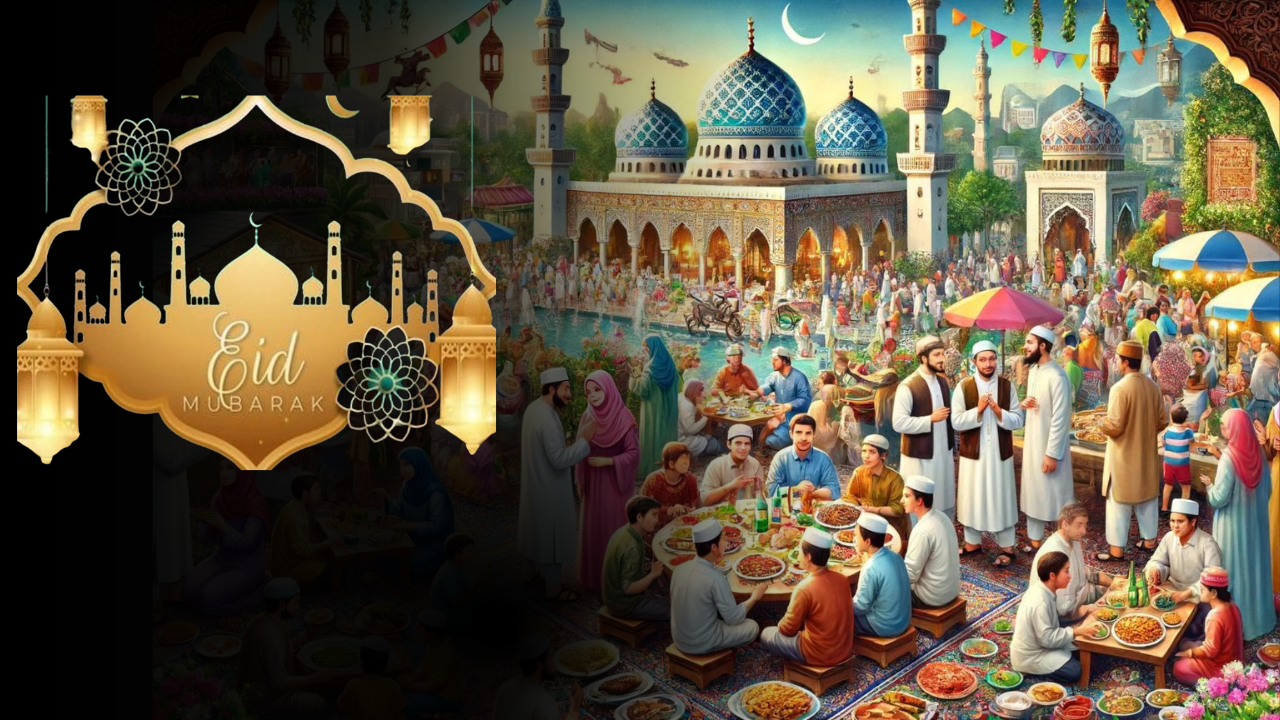
Eid is an international Islamic festival celebrated by Muslims around the world. It follows the Islamic calendar, so its date changes every year. Despite this, the core aspects of the festival—such as prayers, festive meals, and gatherings with family—remain the same across different cultures. Each country, however, adds its own unique customs and traditions, making the celebrations richly diverse while maintaining a shared spirit of faith and togetherness.
Some unique wishes for Eid-e-Milad-Un-Nabi 2025 to share with family and friends on WhatsApp:
Eid-e-Milad-Un-Nabi 2025 to share on WhatsApp are heartfelt messages that blend the spirit of devotion, love, and gratitude in celebrating the Prophet Muhammad’s birth anniversary. These wishes often focus on peace, spiritual growth, and the teachings of the Prophet, making them perfect for sharing with family and friends to express blessings and harmony on this sacred occasion.
Eid-e-Milad-Un-Nabi 2025 is a meaningful Islamic festival that commemorates the birthday of Prophet Muhammad. On this day, people share unique wishes and WhatsApp messages with loved ones, emphasizing themes like kindness, peace, devotion, and the Prophet’s wisdom. These messages inspire recipients to embrace compassion and gratitude while celebrating togetherness and faith.
The significance of Eid-e-Milad-Un-Nabi in Islam:
Eid-e-Milad-Un-Nabi, also known as Mawlid, holds deep significance for Muslims as it commemorates the birth of Prophet Muhammad, regarded as the final messenger of God in Islam. This day is observed on the 12th day of Rabi’ al-Awwal by most traditions, marked by gatherings, prayers, and the sharing of the Prophet’s teachings and life events.
Eid-e-Milad-Un-Nabi is important because it is a time for Muslims to remember and honour the moral and spiritual values taught by Prophet Muhammad. The celebration fosters a sense of unity, reverence, and gratitude among believers, who partake in religious activities, communal gatherings, feeding the needy, and learning about the Prophet’s compassion, wisdom, and guidance. While its observance varies among different Islamic sects, its role in reinforcing faith and community is universally acknowledged.
The messages for Eid-e-Milad-Un-Nabi differ for family, friends, and loved ones:
The messages often emphasize prayers for unity, blessings, and spiritual guidance, reflecting a deeper sense of togetherness and warmth. They may mention peace, prosperity, and the Prophet’s teachings as a guiding light for the whole family.
For friends, the messages are typically more cheerful and social, expressing affection while wishing joy, personal success, and encouragement to follow the Prophet’s teachings in everyday life. Such wishes often highlight camaraderie, kindness, and happiness.
For loved ones (including partners and close relations), the wishes combine personal affection with spiritual sentiments, invoking heartfelt prayers for happiness, love, and blessings, while also celebrating the occasion’s significance and the bond shared between sender and recipient.
Eid is a symbol of joy
Symbol of joy: Eid is a time of happiness, unity, and forgiveness:
Eid is a symbol of joy that brings people together in a spirit of happiness, unity, and forgiveness. It marks a time when families, friends, and communities gather to celebrate faith, share love, and renew bonds through compassion and mutual respect. The essence of Eid lies in expressing gratitude, extending forgiveness, and fostering harmony—values that strengthen social ties and inspire a peaceful, inclusive society.
International celebrations:
Eid ul-Fitr and Eid ul-Adha are celebrated worldwide and are major religious festivals for Muslims.
Eid ul-Fitr and Eid ul-Adha are two of the most important religious festivals celebrated by Muslims worldwide, symbolizing deep faith, community spirit, and cultural diversity.
Eid ul-Fitr marks the end of Ramadan, the holy month of fasting, and is celebrated with special prayers, family gatherings, festive meals, and the giving of charity to the needy. It is a joyous occasion that emphasizes gratitude, forgiveness, and renewed spiritual commitment.
Eid ul-Adha, also known as the Festival of Sacrifice, commemorates the willingness of Prophet Ibrahim to sacrifice his son as an act of obedience to God. This festival is marked by the ritual sacrifice of animals, distribution of meat to family and the less fortunate, prayers, and community feasts. It also coincides with the final rites of Hajj, the pilgrimage to Mecca.
While the core religious practices remain consistent, the way Eid is celebrated varies culturally across regions—from traditional foods and special attire to community events and family customs—reflecting the rich tapestry of Muslim cultures around the globe.
Together, these international celebrations reinforce values of charity, unity, and faith, bringing Muslims around the world together in shared devotion and joy.