

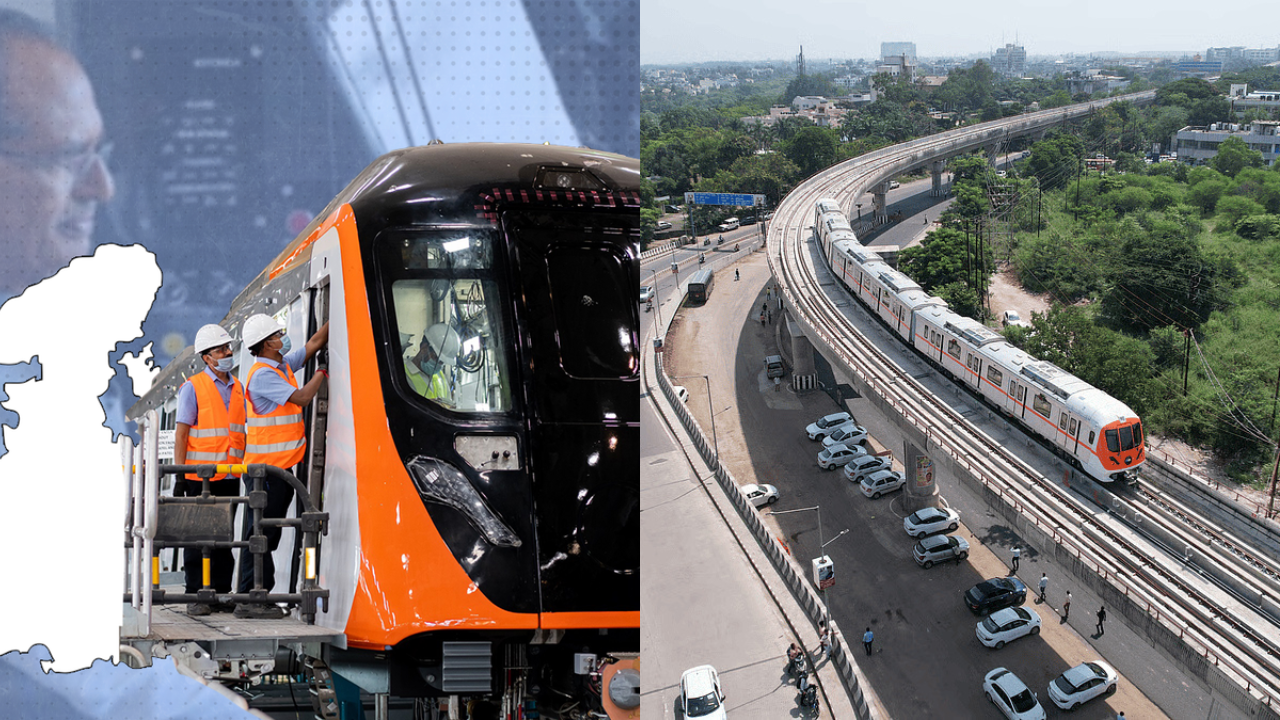
The Urban Transformation Summit, held in the heart of Madhya Pradesh’s capital city Bhopal, brought together government leaders, urban planners, policy experts, industry representatives, and development stakeholders to deliberate on India’s rapidly transforming urban landscape. The summit emphasized how modernization through urbanization can act as a key driver in shaping India’s ambition of becoming a $2 trillion urban economy while promoting the concept of sustainable “Metro Green City” development.
The event, hosted in Bhopal – a city already recognized for its blend of heritage and modernization – became a platform to ideate strategies that balance growth and sustainability. The discussions covered a broad spectrum of themes, from infrastructure development and smart mobility solutions to environmental conservation and inclusive urban governance.
Urbanization as the Engine of Growth
Speakers at the summit pointed out that India is witnessing one of the fastest rates of urbanization in the world, with cities contributing significantly to GDP and employment generation. The delegates emphasized how the government’s urban missions, digital governance initiatives, smart city programs, and infrastructure drive align with the goal of strengthening India’s economy through vibrant metropolitan development.
The focus was laid on fostering innovation in urban planning, introducing technology-driven civic management, and ensuring that cities do not merely expand in size but evolve into engines of sustainable and balanced growth.
“As India transitions towards becoming one of the world’s largest economies, urban transformation is no longer an option but a necessity. The cities of tomorrow must be eco-friendly, technologically advanced, and socially inclusive,” said a keynote speaker at the summit.
Bhopal as a Model for Metro Green City Development
The choice of Bhopal as the host city was significant. Known for its lakes, greenery, and heritage, Bhopal has been an early adopter of the Smart City Mission and urban renewal initiatives. After successfully implementing smart transport, digital IT frameworks for governance, and environmental sustainability measures, the city symbolizes the balance between conservation and modernization.
During the summit, policymakers highlighted how Metro Green City development could reshape India’s urban future. The concept integrates rapid mass transit systems with green cover expansion, renewable energy adoption, and sustainable waste management systems. Metro access would not just improve mobility but also reduce urban carbon footprints, making cities more livable for future generations.
Building a $2 Trillion Urban Economy
Another key theme at the summit revolved around India’s vision of building a $2 trillion economy powered by its urban centers. Experts outlined how urban transformation, if executed inclusively, could significantly boost GDP by integrating smart technology, enhancing connectivity between rural and urban clusters, and creating employment in modern industries.
Policy discussions also looked into direct and indirect employment opportunities to be generated through infrastructure investment in housing, roads, energy systems, and digital connectivity. By creating resilient supply chains and high-quality urban infrastructure, India can nurture both domestic and foreign investment.
Key Strategies Emphasized at the Summit
Several critical strategies were highlighted during the panel discussions and workshops of the Urban Transformation Summit:
- Sustainable Infrastructure: Adoption of renewable energy sources, energy-efficient buildings, and clean technology integration into construction and urban planning.
- Urban Mobility: Development of reliable, safe, and eco-friendly public transport systems, including metro expansion and intelligent traffic management.
- Green Spaces and Climate Action: Increasing green zones, lake conservation, and urban forestry to maintain ecological balance within expanding cities.
- Digital Smart Cities: Leveraging AI, IoT, and data-driven governance for better urban planning, waste management, water distribution, and citizen services.
- Inclusive Urban Growth: Ensuring affordable housing, skill-building initiatives, and equitable distribution of resources for all socio-economic groups.
Collaboration Between Government and Industry
The summit also showcased discussions around the importance of collaboration between state governments, the private sector, international organizations, and citizen groups. Leaders urged for participatory planning where communities actively engage in shaping their urban neighborhoods.
Industry representatives spoke on deploying cutting-edge technologies in waste-to-energy projects, solar-powered metro stations, electric vehicle adoption, and integrated township models. Such projects not only accelerate economic prosperity but also enhance living standards for millions.
Urban Future for Madhya Pradesh and Beyond
Chief officials from Madhya Pradesh highlighted ongoing and upcoming projects that align with the green city framework, including Bhopal Metro progress, renewable energy corridors, and digitization in urban governance systems. Madhya Pradesh, with its strategic central location, aspires to become a model for other Indian states in leading the urban transformation movement.
Panel discussions further highlighted how medium-tier cities, especially in heartland India, would become growth engines alongside existing metros like Delhi, Mumbai, and Bengaluru. This urban rebalancing will decentralize development, preventing overburdening of mega-cities and creating prosperity in new regions.
The Road Ahead
The Urban Transformation Summit concluded with a strong consensus that India’s journey to becoming a leading global economy requires accelerated urban modernization. From ambitious metro rail projects to climate-friendly housing, the blueprint of India’s urban future is centered on progress and sustainability.
Urban experts also underlined the importance of consistent policy implementation, technological innovation, and financial investment to meet the growing demands of urban populations. The summit ended with optimism and clarity—India’s cities of tomorrow will need to harmonize modernization with ecological stewardship, economic innovation with social inclusivity.
The deliberations in Bhopal signal a defining moment in charting India’s urban trajectory: building green, smart, and inclusive cities that not only propel economic growth but also make a lasting positive impact on people’s quality of life.