Calls for Better Incentives and Protections Shake Quick Commerce Platforms
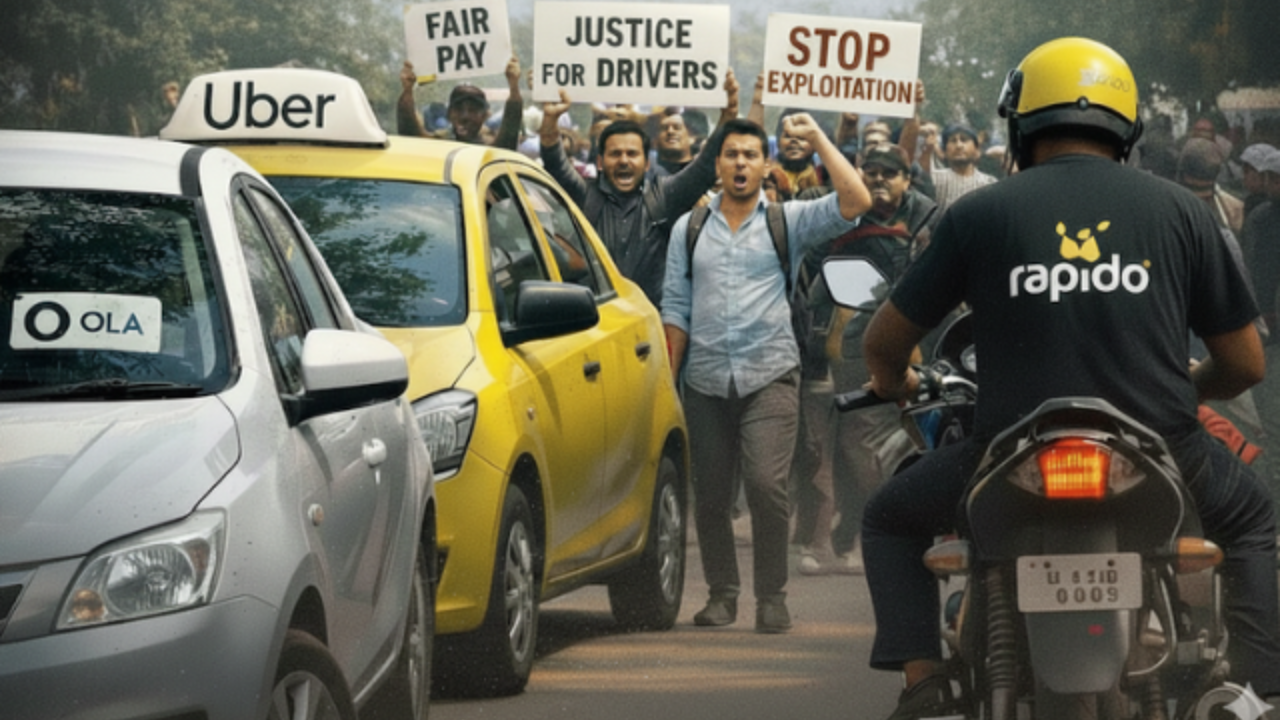
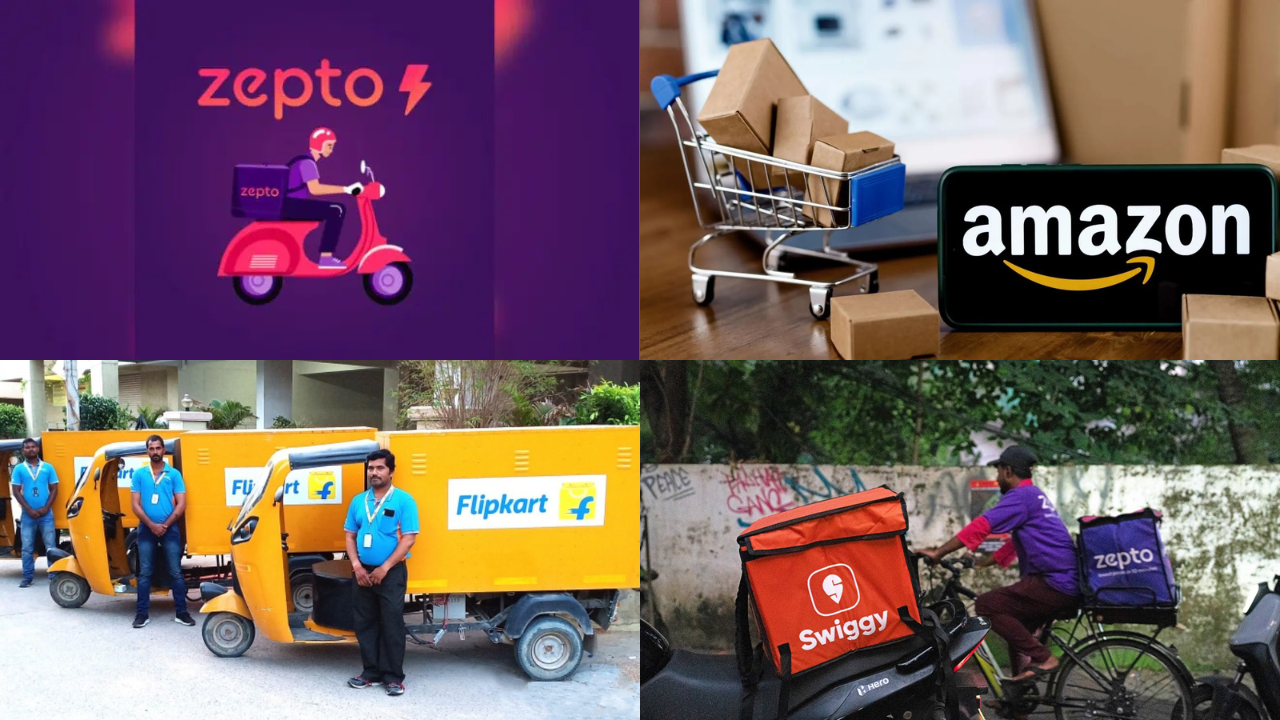
Delivery workers across India’s major food delivery and e-commerce platforms are set to go on a nationwide strike on December 25 and 31, 2025. The action targets Swiggy, Zomato, Zepto, Blinkit, Amazon, and Flipkart, with workers demanding better work hours, fair commissions, and improved safety measures. This coordinated protest during peak festive season highlights growing frustrations in the gig economy.
Strike Details and Timing
The strike involves a two-hour work stoppage by delivery partners in major cities and tier-2 towns. Called by the Indian Federation of App-Based Transport Workers (IFAT) and Telangana Gig and Platform Workers Union (TGPWU), it aims to disrupt services temporarily to draw attention to core issues. Workers plan to halt operations from platforms like Swiggy Instamart, Zomato’s Blinkit, Zepto, and e-commerce giants Amazon and Flipkart, especially during high-demand Christmas and New Year’s Eve periods. Early reports from Gurgaon and the National Capital Region show delays and cancellations already impacting users.
Key Demands from Workers
Gig workers seek transparent pay structures and an end to fluctuating incentives that have slashed real earnings. They demand withdrawal of risky “10-minute delivery” models, which force unsafe speeds and ignore traffic or weather hazards. Other requests include mandatory rest breaks, reasonable daily hours, accident insurance, and health coverage, plus fair work allocation without algorithmic biases. Unions also call for stopping arbitrary ID blocks and penalties without hearings, along with better grievance support in apps.
Background on Gig Worker Struggles
India’s quick commerce boom has created millions of jobs but at a cost to delivery personnel. Platforms prioritize speed and profits, shifting risks to riders facing long hours, heat exposure, and low pay amid rising fuel costs. Past protests, like Blinkit strikes in Varanasi over heat risks and wage cuts, saw accounts blocked in retaliation, fueling broader anger. TGPWU President Shaik Salauddin stated workers endure “unchecked algorithmic control” without social security, urging government intervention for labor protections.
Expected Impact on Services and Economy
The action could halt thousands of orders, affecting urban consumers reliant on instant deliveries for food, groceries, and essentials. Festive peaks amplify the pressure, with platforms facing revenue hits during year-end sales. Businesses depending on these services, from restaurants to kirana stores, may see delays, while customers report frustrations on social media. Unions warn of wider participation if demands go unmet, potentially escalating to full-day shutdowns.
Unions’ Call for Government Action
Leaders from IFAT and TGPWU demand Central and state governments regulate platforms, enforce gig worker rights, and ensure collective bargaining. They push for social security like pensions and insurance, recognizing delivery partners as the “backbone” of last-mile logistics. “This strike is a call for justice, dignity, and accountability,” said Shaik Salauddin, criticizing platforms profiting at workers’ expense. Past events show such protests lead to partial concessions, but systemic change remains elusive.
Platforms’ Past Responses and Challenges
Companies like Blinkit and Zepto have faced similar unrest before, often responding with temporary incentives or ID reinstatements after pressure. However, core issues like pay per kilometer (down from ₹50 to ₹15 in some cases) persist. Platforms argue flexibility suits gig work, but unions counter that “flexible” means exploitative, with no job security or welfare. As strikes unfold, executives may negotiate to minimize disruptions during holidays.