
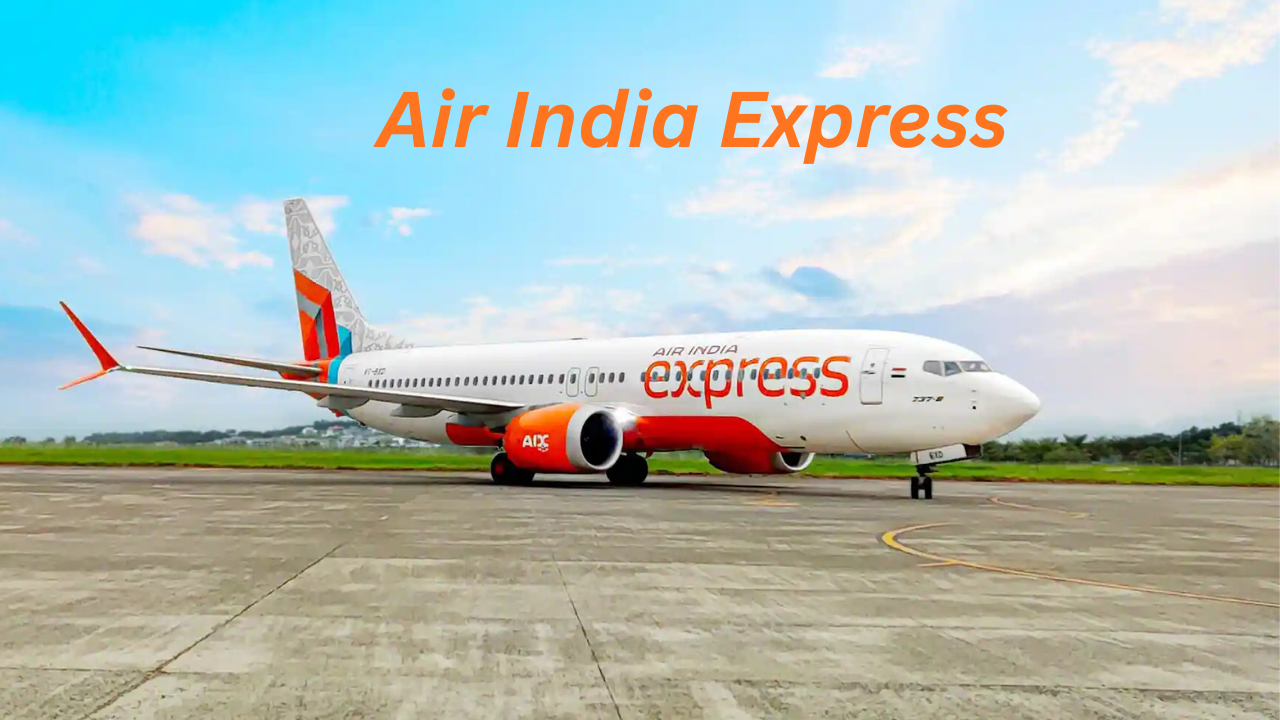

Air India Express, a key player in India’s low-cost aviation sector and a part of the Tata Group, has announced a strategic overhaul of its aircraft configuration. Starting April 2025, the airline will begin reconfiguring its entire fleet to an all-economy class layout, aligning with its unified brand and service identity post-merger with AIX Connect
The move comes on the heels of the formal merger of Air India Express and AIX Connect on October 1, 2024, a milestone in Tata Group’s ambitious effort to consolidate its airline operations. The transition is expected to further streamline the group’s aviation business while offering a consistent and cost-effective flying experience to passengers across India and abroad.
Strategic Fleet Reconfiguration
The reconfiguration process, set to commence in April 2025, will involve retrofitting existing aircraft with a uniform economy-class cabin. This change will not only standardize passenger experience but also enable better operational efficiency and cost savings, key factors in the highly competitive low-cost carrier (LCC) market.
According to internal sources and a report by PTI, this decision has been taken to optimize capacity, reduce maintenance complexity, and better serve the price-sensitive traveler base that constitutes the airline’s core demographic.
“This fleet-wide reconfiguration is a significant step towards building a strong, unified low-cost carrier under the Tata umbrella,” said a senior executive at Air India Express. “With a simplified cabin layout, we will be able to offer better pricing, faster turnarounds, and a more seamless experience to our customers.”
Background: The Tata Group’s Aviation Restructuring
The Tata Group’s foray into consolidating its airline operations began soon after it regained control of Air India in January 2022. With four airlines under its belt — Air India, Vistara, Air India Express, and AirAsia India — the group initiated a comprehensive restructuring strategy.
The merger of Air India Express and AIX Connect (AirAsia India), completed in October 2024, marked a significant milestone in that journey. The newly merged entity retained the Air India Express brand and is positioned as the group’s flagship low-cost international and domestic carrier. Meanwhile, Air India and Vistara (whose merger is also in progress) will represent the full-service segment.
Benefits to Passengers and the Market
By shifting to a single-class economy model, Air India Express aims to:
- Increase seating capacity per flight, making fares more competitive.
- Simplify fleet operations, resulting in fewer aircraft variants and configurations.
- Offer faster onboarding and deplaning, improving turnaround times.
- Enhance customer service consistency across routes.
- Support the growing demand for affordable air travel in India and the Middle East/Southeast Asia corridors.
This transformation is aligned with global best practices in the LCC industry, where simplified fleet and service models often translate into lower operational costs and better scalability.
Unified Brand Identity & Experience
As part of its post-merger identity, Air India Express has already rolled out a new livery, refreshed uniforms, and enhanced in-flight service protocols designed to reflect a modern, efficient, and guest-centric flying experience.
The airline is also investing in technology upgrades, including a revamped booking portal and mobile app, which will make ticketing, seat selection, and ancillary purchases more user-friendly and intuitive.
Managing Director Sunil Bhaskaran, of Air India Express, had earlier remarked:
“Our mission is to build a truly world-class, low-cost airline that not only connects India internally but also strengthens our footprint across key international markets. The merger with AIX Connect was a step in that direction, and the upcoming cabin reconfiguration further reinforces our commitment to operational efficiency and guest satisfaction.”
Future Outlook
The Indian aviation market continues to grow rapidly, driven by rising disposable incomes, improved regional connectivity, and increasing inbound/outbound travel demand. With this reconfiguration and merger consolidation, Air India Express is positioning itself to tap into this growth while keeping operations lean and customer-focused.
The airline currently operates over 300 daily flights across domestic and international routes, and with the simplified fleet model, it expects to add new routes and increase frequencies over the next two years.
Moreover, Tata Group’s broader strategy of bringing Air India (merged with Vistara) and Air India Express (merged with AirAsia India) under two distinct but synergistic brands will allow both segments to focus on their respective core audiences — premium full-service and budget-conscious travelers.