
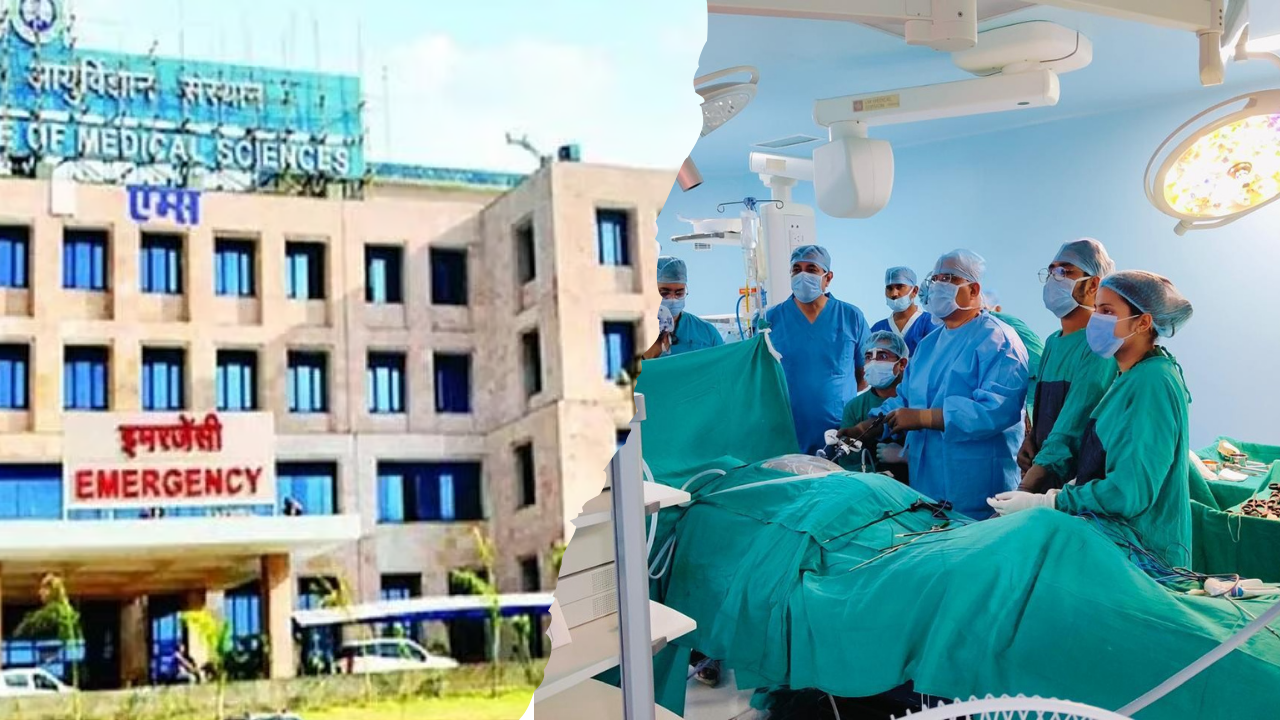
AIIMS Bhopal, one of the leading government medical institutions in India, is set to mark a historic milestone by launching lung transplant services from November 2025. As the first government hospital in Central India to offer this advanced treatment, AIIMS Bhopal is emerging as a beacon of hope for thousands of patients suffering from chronic lung diseases across the region.
Pioneering Healthcare in Central India
Until now, patients suffering from end-stage lung diseases had to travel hundreds of kilometers to metropolitan hubs like Delhi, Mumbai, or Bengaluru for lung transplant procedures, which placed immense financial and emotional burdens on families. With AIIMS Bhopal’s clinical breakthrough, people across Madhya Pradesh, Chhattisgarh, and neighboring states can finally access world-class transplantation care closer to home.
Dr. Ajay Singh, Director of AIIMS Bhopal, said, “This initiative is more than a medical achievement—it’s a step towards equitable healthcare. We are proud to bring cutting-edge lung transplant technology and expertise to Central India, ensuring that even the most vulnerable patients receive a fair chance at life.”
Addressing a Critical Need
Lung transplants are often considered the only effective option for individuals with severe respiratory illness, such as advanced pulmonary fibrosis, chronic obstructive pulmonary disease (COPD), and cystic fibrosis. Central India has witnessed a rising prevalence of such conditions, partially due to increasing pollution, urbanization, and lifestyle changes.
Statistics indicate that more than 10,000 patients in Central India are diagnosed annually with irreversible lung failure, but until now, only a handful could afford or access transplants from private hospitals. AIIMS Bhopal’s new facility aims to bridge this gap, bringing high-quality, affordable treatment within reach.
Advanced Infrastructure and Expertise
The hospital has equipped its thoracic surgery department with state-of-the-art operation theaters, high-dependency patient wards, critical care units, and specialized transplant laboratories. Leading this initiative is a team of experienced surgeons, pulmonologists, anesthesiologists, and post-transplant care specialists.
AIIMS Bhopal has also collaborated with national organ donation networks and awareness campaigns, strengthening the region’s donor registry and facilitating faster match processes for needy patients. Dr. Kavita Mishra, Head of Pulmonology, emphasized, “A successful transplant doesn’t just depend on surgical expertise—it relies on a robust, supportive ecosystem, from donors to rehabilitation. We have prepared our staff, infrastructure, and protocols to ensure patient safety and well-being at every step.”
Empowering Patients, Building Futures
The launch of the lung transplant service is expected to significantly impact public health outcomes. Many previously untreatable patients can now pursue long-term recovery, reintegrate into their communities, and enhance their quality of life.
“Before this development, families often had to make impossible choices due to cost or availability. Now, medical hope is much closer,” shared Sunil Jain, a Sagar resident whose daughter has been on the transplant waiting list for months.
AIIMS Bhopal plans to make the transplant program accessible to all eligible patients, offering comprehensive financial counseling, psychological support, and rehabilitation resources. The hospital has committed to government-backed schemes, insurance integration, and public funding to ensure no patient is left behind.
Boosting Regional Medical Capabilities
By starting the first government-run lung transplant unit in Central India, AIIMS Bhopal sets an example for other public-sector hospitals. The initiative is expected to attract more research funding, medical talent, and innovative healthcare partnerships to the region.
Medical students and residents will benefit from advanced transplantation training, contributing towards a more skilled local workforce. The move also aligns with India’s national mission for strengthening tertiary healthcare infrastructure and tackling critical non-communicable diseases.
Looking Ahead: A Vision for Regional Health Transformation
As AIIMS Bhopal opens its doors to lung transplant candidates, the hospital remains committed to ongoing research, community awareness, and preventive care programs. Efforts are underway to educate the public about organ donation, improve diagnostic screening, and share success stories to inspire hope.
In summary, this landmark step by AIIMS Bhopal not only provides life-saving medical intervention but also underlines the region’s readiness for next-generation healthcare. The initiative bridges the gap between rural and urban healthcare access, empowers patients, and strengthens Central India’s reputation in medical innovation.
For further details on eligibility, procedure, and organ donation registration, interested individuals can consult the AIIMS Bhopal official website and helpline.