
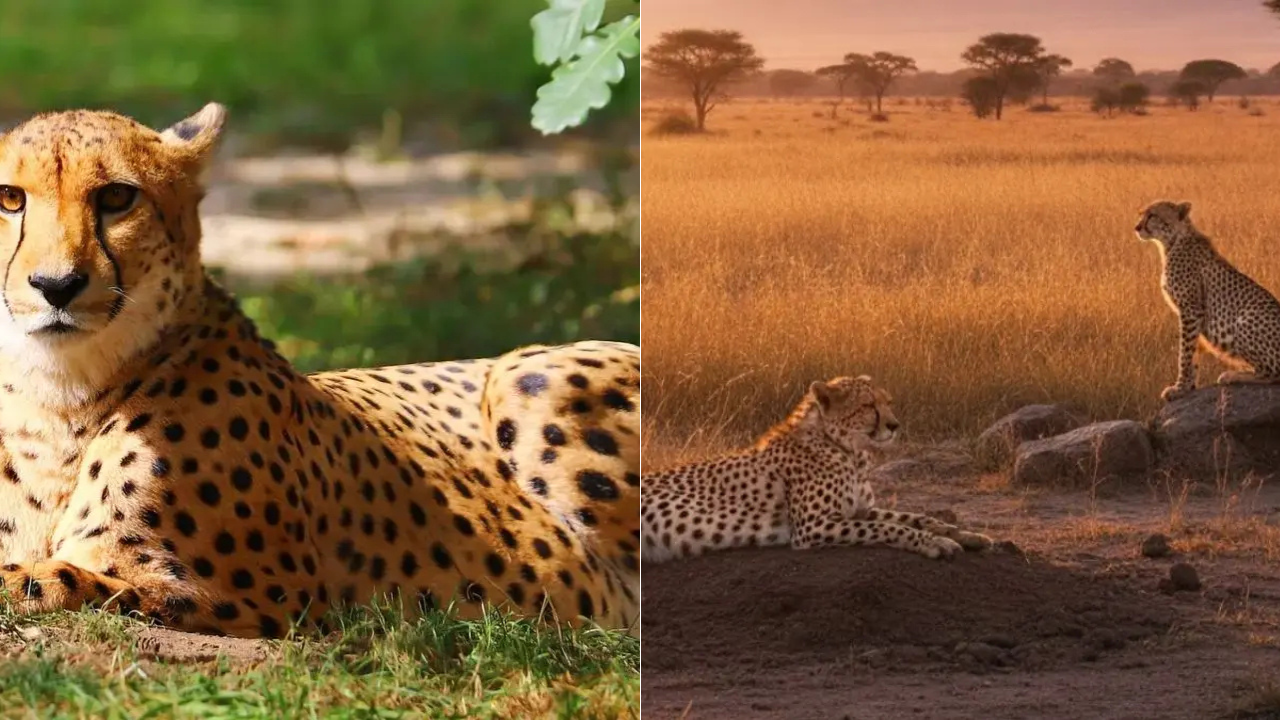
State cabinet nod signals a new era for cheetah reintroduction and sustainable tourism in central India.
In a major step toward strengthening wildlife conservation and eco-tourism, the Madhya Pradesh state cabinet has given in-principle approval to develop Veerangana Durgavati Tiger Reserve as the state’s third cheetah habitat. This landmark move is expected to open new avenues for wildlife tourism, forest conservation, and local employment.
With this decision, Madhya Pradesh continues to maintain its status as the “Tiger State” of India and now also aims to become a leading hub for cheetah conservation and rewilding efforts across the country.
Strategic move for wildlife conservation
The decision to designate Veerangana Durgavati Tiger Reserve as a cheetah habitat is in line with India’s ambitious plan to reintroduce and expand the population of Asiatic cheetahs, which were declared extinct in the country in 1952. After the successful reintroduction of cheetahs at Kuno National Park in Sheopur district and Gandhi Sagar Wildlife Sanctuary, the government is now preparing to add a third habitat to ensure better distribution, genetic diversity, and natural breeding.
The Veerangana Durgavati Tiger Reserve, located across Damoh and Narsinghpur districts, is known for its rich forests, hilly terrains, and diverse fauna. The state government believes that its geographical and ecological conditions are well suited for hosting cheetahs, making it an ideal site for long-term conservation.
Officials from the Forest Department have already started ecological assessments and feasibility studies to identify suitable zones within the reserve for cheetah adaptation. Once all technical approvals are completed, the reserve will undergo necessary modifications such as prey-base enhancement, habitat strengthening, and rewilding training for cheetahs before their relocation.
Boost to eco-tourism and local economy
The development of the Veerangana Durgavati Tiger Reserve as a cheetah habitat is expected to transform the region into a new hotspot for wildlife tourism in Madhya Pradesh. With visitors already flocking to tiger reserves like Kanha, Bandhavgarh, and Pench, the introduction of cheetahs in Veerangana Durgavati will create a fresh attraction for domestic and international tourists alike.
Boosted tourism will bring positive ripple effects for nearby communities. Local residents, especially those from tribal areas surrounding the reserve, are likely to benefit through employment opportunities in eco-tourism, forest management, guide services, and cottage industries. Homestay programs, local handicraft markets, and nature-based tourism models are also expected to develop as part of the broader eco-tourism plan.
According to recent data from the Madhya Pradesh Tourism Board, wildlife tourism contributes significantly to the state’s rural economy. Each new reserve or conservation project directly generates hundreds of jobs in forest villages, while indirectly boosting transport, hospitality, and local trade.
Environmental impact and conservation benefits
Beyond tourism, the project aims to strengthen the ecological balance of the region. Cheetahs, being top predators, play an important role in maintaining healthy populations of herbivores and preventing overgrazing. Their presence helps restore degraded ecosystems and maintain biodiversity.
The reserve will also implement modern forest conservation practices, including scientific wildlife monitoring, improved anti-poaching measures, and participation of local communities in managing eco-sensitive zones. The government’s vision focuses not only on bringing cheetahs back but also on preserving the interconnected ecosystem that supports their survival.
In addition, the project will facilitate research collaborations between wildlife scientists, forest officers, and conservation NGOs. These joint efforts will help gather data on cheetah movement, breeding, and adaptation, contributing valuable insights to India’s overall cheetah reintroduction program.
Government’s vision for Madhya Pradesh’s wildlife sector
Madhya Pradesh already holds a prestigious record of having the highest tiger population in India. The creation of multiple cheetah habitats further strengthens its reputation as the country’s leading state in wildlife protection and management.
Chief Minister and senior officials have expressed optimism that this initiative will mark a new milestone in India’s conservation history. The government has ensured that local participation and environmental responsibility will remain at the heart of the project.
Forest officials highlighted that infrastructure development, including eco-sensitive tourist facilities, forest patrol systems, and visitor awareness centers, will be implemented with strict adherence to environmental standards. This balanced approach aims to ensure that tourism growth does not come at the cost of ecological health.
A model for sustainable development
Experts believe that the Veerangana Durgavati cheetah habitat project could become a model for sustainable wildlife tourism in central India. With proper planning, the region can simultaneously protect its natural heritage and create long-term economic opportunities for local populations.
Environmentalists and wildlife enthusiasts across the country have welcomed the state’s decision, calling it a visionary step toward ecological restoration and responsible tourism. The combination of tiger and cheetah reserves in the same state strengthens Madhya Pradesh’s central role in India’s broader wildlife management strategy.
Once fully operational, the Veerangana Durgavati Cheetah Habitat is expected to attract significant attention, both nationally and internationally, for its integration of conservation, community, and commerce — the three pillars of truly sustainable development.
Conclusion
The approval of Veerangana Durgavati Tiger Reserve as Madhya Pradesh’s third cheetah habitat marks more than just an administrative decision — it represents a forward-looking vision to harmonize wildlife protection, tourism growth, and community welfare. As preparations begin for its transformation, the project promises to set an inspiring example of how conservation can coexist with economic progress.
With cheetahs soon to grace the forests of Damoh and Narsinghpur, Madhya Pradesh is once again proving that protecting nature can also mean empowering people.