
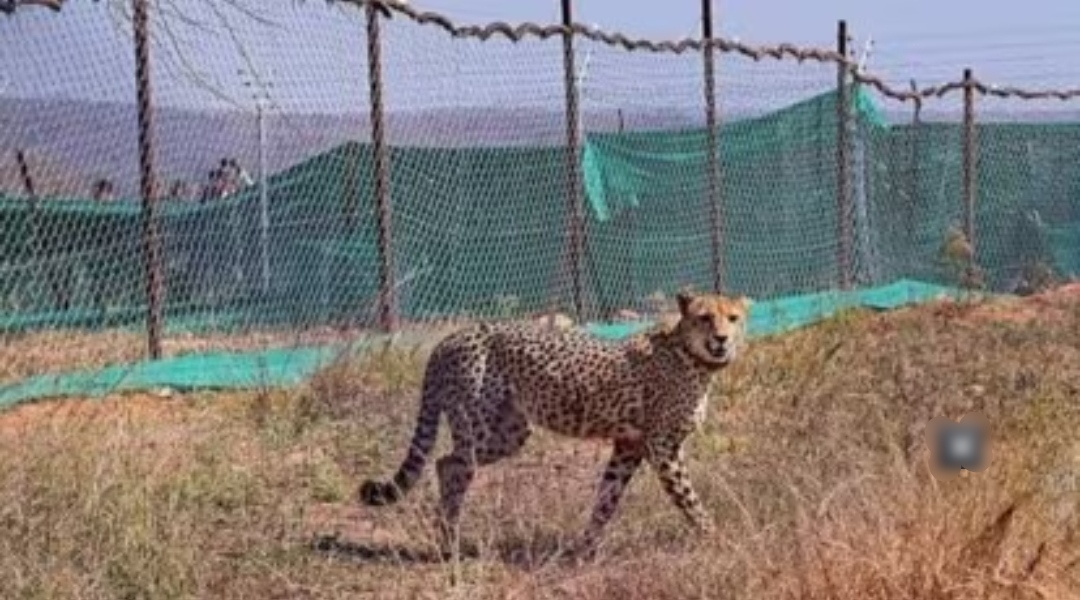

According to authorities, the cheetahs were released into the Ahera tourist area, a designated location for tourists to observe them during their safaris.
Madhya Pradesh wildlife officials have released two male cheetahs, named Agni and Vayu, into the wildlife sanctuary of Kuno National Park, a move that coincided with the opening ceremony of the festival. Kuno Forest Association.
According to authorities, the cheetahs were released into the Ahera tourist area, a designated location for tourists to observe them during their safaris.
During the Kuno Forest Festival, scheduled to take place from December 17 to 21, a forest resort (tent city) has been established to attract wildlife enthusiasts and tourists . This event aims to showcase Kuno’s diverse flora and fauna, while also supporting cheetah conservation. The festival will include local arts, crafts, folk music, dance forms and adventure sports. The main attractions of the event include adventure games, jungle safaris, hot air ballooning, parasailing, paragliding, cave tours, folk music and sightseeing, officials said. country.
Officials said the steering committee has agreed in principle to gradually release all leopards kept in cages.
The decision to release the cheetahs follows careful monitoring of 15 cheetahs – seven males, seven females and one cub – kept in Kuno National Park areas since August.
They are under such scrutiny because, during the monsoons, three cheetahs died from an infection that some officials and experts believe could have been caused by radio collars scratched during rainy. However, the Ministry of Environment, Forests and Climate Change denies this.
As part of Project Cheetah, a total of 20 cheetahs were transferred from Namibia and South Africa to Kuno National Park in two batches – the first in September last year and the second in February this year.
Six adult leopards – all transferred from Namibia and South Africa – and three cubs born in India have died since March this year.
For more information, visit at https://happenrecently.com/zepto/?amp=1