

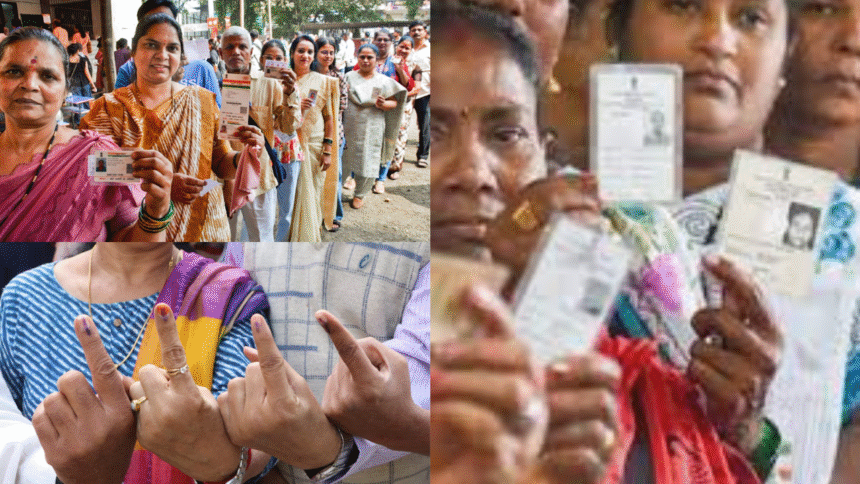
The recently concluded Maharashtra Assembly elections witnessed an encouraging voter turnout of 67.63% across the state, reflecting the growing awareness and participation of citizens in the democratic process. The Election Commission of India (ECI) released these figures after the completion of polling in all constituencies, marking a noteworthy display of civic responsibility by the people of Maharashtra.
A healthy sign of democracy
According to the Election Commission, the overall voter turnout of 67.63% highlights the enthusiastic participation of voters from both urban and rural areas. Despite challenges such as weather conditions and long queues in some polling stations, people turned out in large numbers to cast their votes peacefully. The successful polling process reaffirmed the strong democratic setup that continues to thrive in the state.
This year’s turnout shows that voters are increasingly acknowledging the importance of their role in shaping the future of the state. Many first-time voters, women, senior citizens, and youth groups were seen actively participating and encouraging others to vote.
District-wise performance and rural dominance
Reports from several districts showed mixed voting percentages. Rural regions once again outperformed many urban centers in terms of turnout. Districts like Gadchiroli, Nandurbar, and Washim reported turnout figures above 70%, reflecting strong grassroots-level participation. Meanwhile, metropolitan areas like Mumbai, Pune, and Thane recorded relatively lower voting percentages, in the range of 55% to 60%, due to urban apathy and busy weekday schedules.
Election officials stated that the overall turnout of 67.63% was an improvement over some previous elections and attributed it to sustained awareness drives, social media campaigns, and voter engagement programs initiated by the Election Commission and local authorities.
Role of Election Commission and administration
The Election Commission of Maharashtra deployed thousands of polling officers, security personnel, and volunteers to ensure smooth and fair elections. Across the state, advanced arrangements were made for differently-abled voters, senior citizens, and pregnant women. Wheelchairs, ramps, and other essential facilities were provided at several polling booths. In addition, voters were allowed to check their names and polling numbers easily through online voter lists and mobile applications.
Strict surveillance measures, including CCTV cameras and webcasting facilities, were used at sensitive polling stations to ensure transparency. The administration also took steps to curb any attempts of malpractice or voter influence, ensuring that elections were conducted in a free and fair manner.
Increased participation of women voters
One of the highlights of this election was the increased participation of women voters. In several districts, the turnout of women either equaled or exceeded that of men. Social activists and self-help groups in rural Maharashtra played a vital role in spreading voting awareness among women, encouraging them to participate actively in the election process. The Election Commission also organized “pink polling booths” run entirely by women staff to promote women’s empowerment and inspire others to vote without hesitation.
Youth engagement and social media influence
A noticeable factor this year was the impact of social media campaigns encouraging young voters to exercise their right. Educational institutions, youth organizations, and influencers ran online drives, spreading messages about the power of a single vote. The “Vote for Change” and “Proud to Vote” trends gained momentum across social platforms like X (formerly Twitter), Instagram, and WhatsApp.
According to election officials, youth voters between 18 and 25 years of age formed a significant portion of the new voters in 2025, reflecting a rising sense of responsibility among the younger generation.
Peaceful polling and law enforcement efforts
Law and order remained well under control throughout the polling process. No major incidents of violence or disruptions were reported in any district. Police, home guards, and central armed forces maintained tight security around polling stations to create a safe environment for voters. Quick Response Teams (QRTs) and flying squads were on standby to manage any untoward situations. The peaceful manner in which people cast their votes added a sense of pride and confidence to the entire process.
Political reactions and public response
After the polling closed, several political party leaders thanked citizens for participating actively in the elections and making their voices heard. They praised the election commission and security forces for their efficient arrangements. Citizens, on social platforms, shared their voting selfies, showcasing their inked fingers as symbols of pride in democracy.
Analysts noted that the turnout of 67.63% could play a crucial role in determining the final outcome, especially in closely contested constituencies. The enthusiastic participation of rural and semi-urban voters might slightly shift voting patterns compared to previous polls.
Counting and next steps
The counting of votes is scheduled for the upcoming week, and results will be declared soon after. Political parties are now busy analyzing booth-level trends and preparing for the results day. Meanwhile, the Election Commission has urged all stakeholders, candidates, and citizens to maintain peace and respect the final verdict.
A step forward for democratic participation
The 67.63% turnout shows Maharashtra’s continued faith in democratic traditions and governance. It underlines that citizens are becoming more proactive in deciding who will represent them in state policy-making and development. From the youth and women voters to senior citizens, the collective participation painted a powerful picture of civic duty and unity.
This election not only displayed the state’s administrative strength but also the awareness and maturity of its people. As Maharashtra awaits the election results, what remains certain is the reaffirmation of democracy — a system that thrives when its citizens rise to participate.