
Sebi bans insider trading but allows senior executives to trade in their company’s shares under a trading scheme introduced in 2015.
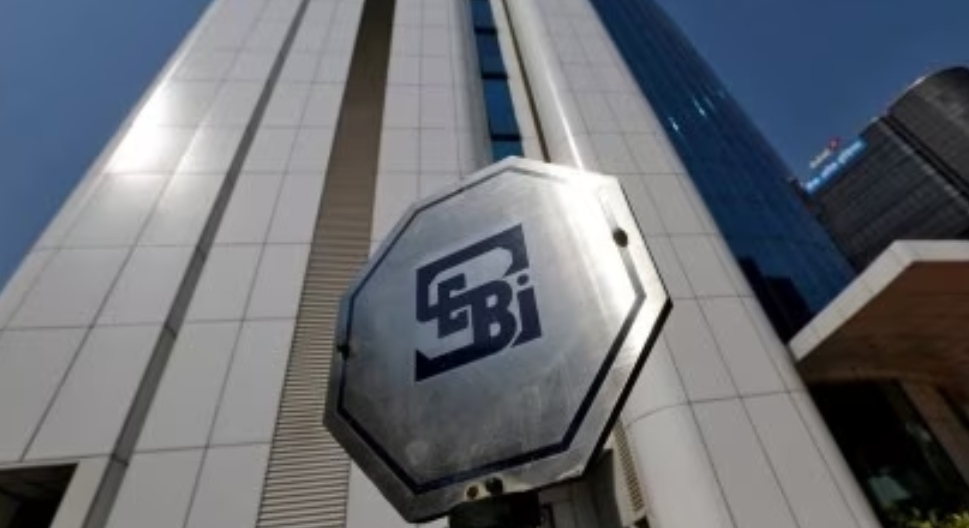
The Securities and Exchange Board of India (Sebi) on Friday proposed relaxations to allow company insiders, who are in possession of unpublished price sensitive information, to trade in securities. contract.
Sebi bans insider trading but allows senior executives to trade in their company’s shares under a trading scheme introduced in 2015.
However, data and market feedback suggest that these trading schemes are not very popular as the regulatory requirements are complex, Sebi said in a consultation paper on Friday.
The regulator recommends some flexibility in trading plans, including reducing the minimum consideration period between announcement and implementation of trading plans from six months to four months, removing the ban consideration time and reduced minimum insurance period. Company insiders, such as senior management or key management personnel, who often possess price-sensitive information, have little opportunity to trade for purposes such as incremental buybacks. gradually and comply with minimum public shareholding standards.
To facilitate the application of trading plans, the market regulator recommends reducing the minimum response time from the announcement of the plan to its implementation from six to four months.
When planning a transaction, insiders must plan for at least 18 months, including a mandatory consideration period of 6 months before making a transaction and a minimum hedging period of 12 months. The regulator has proposed reducing the minimum insurance period requirement from 12 months to 2 months.
Additionally, he suggested eliminating the blackout period requirement. The trading plan cannot include transactions between the 20th trading day preceding the last day of any financial year the results of which will be announced by the securities issuer and the 20th trading day. two after the release of these financial results. This period of time is called the blackout period.
The insider will have the option, when formulating a trading plan, to set an upper price limit for buy transactions and a lower price limit for sell transactions. Sebi has suggested that this price limit should be within +/- 20% of the closing price on the date of filing of the trading plan.
Other recommendations include publishing trading plans to stock exchanges within two days of approval and applying trading regulations to transactions carried out according to the plans transaction. Regarding the disclosure of personal information of insiders in trading plans, the regulator recommends that insiders disclose it separately to the exchange (with personal information) and to the public (without information). individual).
For more information, visit at https://happenrecently.com/zepto/?amp=1