

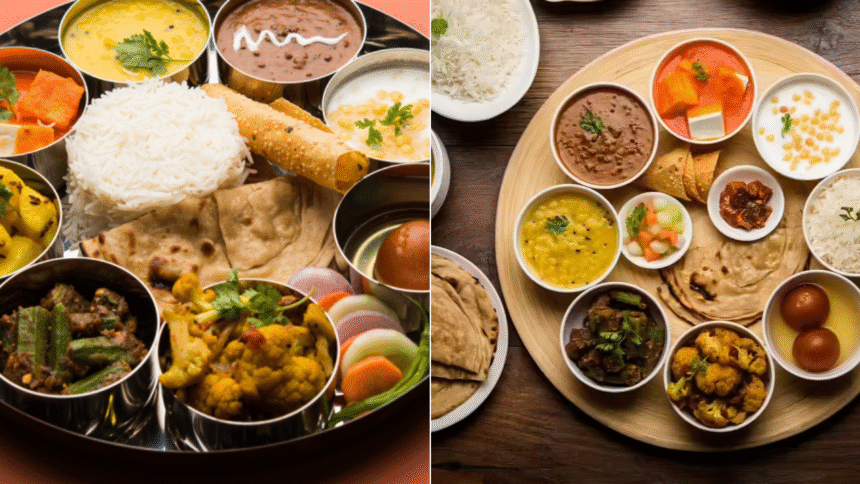
The CRISIL Market Intelligence & Analytics division today released its latest edition of the Roti Rice Rate (RRR) Report, shedding light on significant shifts in the cost of everyday meals across India. The findings reveal a two-speed trend in October 2024: while the price of a home-cooked vegetarian thali soared by 20% compared to the same period last year, the non-vegetarian thali, which had been witnessing consistent price easing throughout most of the year, recorded a modest 5% increase.
The RRR Report, introduced by CRISIL to track the pulse of the Indian household kitchen, provides a snapshot of how inflation in food items impacts the average consumer’s daily diet. This analysis forms an essential barometer of changing consumption costs across regions, particularly for middle-class Indian families that base their meals on the thali system.
Vegetarian Thali Costs Surge: The sharp 20% year‑on‑year rise in the cost of a vegetarian thali during October 2024 has been largely attributed to the escalating prices of vegetables, pulses, and edible oils. Erratic monsoon rainfall in several agricultural states disrupted supplies, leading to higher procurement costs across retail markets. Items such as onions, tomatoes, and certain leafy vegetables witnessed double-digit inflation, while cooking oil prices that were expected to stabilize after a strong global crop year remained unexpectedly firm.
Non-Vegetarian Thali Trends: By contrast, the non‑vegetarian thali, composed of staples like rice, wheat, vegetables, and animal protein sources (primarily chicken and fish), showed relative price restraint for most of 2024. However, October registered a 5% year‑on‑year uptick, ending the prolonged period of decline. The partial increase has been linked to rising feed and logistical costs, alongside seasonal spikes in poultry demand with the onset of the festive season.
Context of Consumer Impact: For a household of four, the compounded effect of these meal cost escalations adds significant pressure on monthly food budgets. With the vegetarian thali, often considered the more affordable and accessible dietary option, becoming costlier, the financial stress is particularly felt among lower- and middle‑income families.
Commenting on the report, a CRISIL MI&A spokesperson observed:
“The Roti Rice Rate is our attempt to simplify how inflation truly translates into the Indian dining plate. While headline inflation figures provide a macroeconomic lens, the thali cost offers a consumer-centric perspective. The 20% surge in vegetarian thali costs indicates the direct stress the average household feels even as broader inflation metrics may appear moderate. Meanwhile, the reversal in non-vegetarian thali trends points to underlying complexities in protein supply chains, which warrant close tracking.”
The report highlights multiple factors influencing thali prices regionally:
- Vegetables: Heavy rains in certain parts of Maharashtra, Karnataka, and Madhya Pradesh damaged standing crops of onions and tomatoes, reducing overall availability.
- Cereals: Although rice and wheat prices remained steady due to adequate government buffer stocks, localized supply disruptions added temporary pressures in states that rely on open markets.
- Protein Inputs: Feed costs, particularly maize and soybean meal prices, rose sharply, adding to poultry production expenses. This had a direct bearing on non-vegetarian meal components.
Broader Economic Perspective
These developments come at a time when India’s consumer food price index remains sensitive. While headline inflation saw moderation earlier in the year owing to lower fuel costs and stable grains, the RRR Report underlines how volatile vegetable prices continue to shape consumer sentiment.
For policymakers, the latest thali cost assessment provides a tangible measure of household-level inflation. For businesses in the food & beverages, quick service restaurants, and agri·supply chain industries, the report’s findings offer direct insights into consumer affordability trends.
What This Means for Consumers Budgetary Realignment: Families are expected to recalibrate their monthly budgets towards food spends, possibly cutting discretionary expenses elsewhere.
Dietary Adjustments: With vegetables turning costlier, there may be a shift in consumer behavior, such as reduced frequency of certain items in home cooking or a greater reliance on seasonal alternatives.
Inflationary Expectations: The psychological impact of having to spend more on staple household meals could reinforce concerns about inflation, even if official numbers show moderation.
the Roti Rice Rate (RRR) Report
The CRISIL RRR Report is a monthly analytical bulletin that evaluates the changing cost of a standardized thali — both vegetarian and non‑vegetarian — across India. By focusing on household meals as the reference basket, the report translates commodity price movements into an easily relatable metric for consumers, businesses, and policymakers alike. Its methodology accounts for weighted averages of key food components such as cereals, vegetables, pulses, cooking oils, and proteins.