

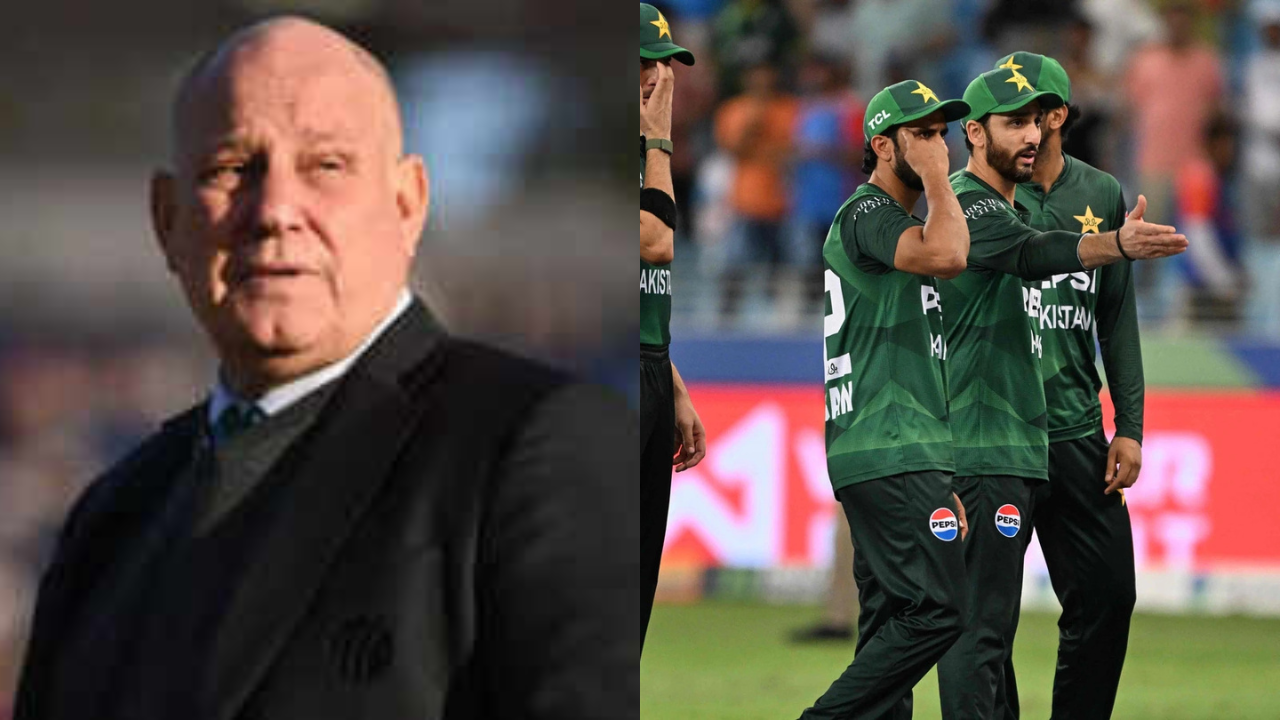
The Pakistan Cricket Board (PCB) has formally demanded the removal of match referee Jeff Crowe’s counterpart Chris Pycroft from officiating international cricket matches, citing what it calls “persistent bias and questionable decision-making” during recent games involving Pakistan. The move has sparked heated debate within the cricketing fraternity, raising questions about officiating standards, transparency, and fairness in international cricket.
PCB’s Official Position
According to statements emerging from Lahore, senior PCB officials have expressed their frustration over Pycroft’s handling of multiple incidents during Pakistan’s recent international fixtures. The board claims that several unfair decisions have tilted the balance of crucial matches against Pakistan, leaving players, management, and fans aggrieved.
In its communication to the International Cricket Council (ICC), the PCB argued that Pycroft’s “repeated failures to uphold neutrality” hurt the credibility of the game. The board also highlighted alleged inconsistencies in disciplinary rulings: instances where Pakistani players received stricter penalties for conduct similar to, or even less severe than, that of players from other teams.
“The role of a match referee is to ensure fairness and uphold the spirit of cricket. Unfortunately, recent events have raised serious concerns about whether these principles are being followed,” a PCB spokesperson stated.
Recent Flashpoint Incidents
Reports suggest that the tipping point came during Pakistan’s Asia Cup 2025 games, where disciplinary decisions regarding player behavior and on-field appeals landed under scrutiny. Pakistan’s wicketkeeper-batter Rahmanullah Gurbaz was fined for “excessive appealing,” while opponents in similar situations were let off with mere warnings. The differing treatment did not go unnoticed by team management.
Additionally, Pakistani fast bowler Shaheen Shah Afridi’s reprimand for a minor on-field exchange drew attention, as footage from the same match showed players from the opposing side engaging in similar conduct without disciplinary action.
These incidents, according to the PCB, reflect a pattern of prejudice and double standards that undermine not just Pakistan’s performance but also the integrity of cricket as a whole.
Growing Support and Divided Reactions
The PCB’s demand has received mixed reactions from the global cricketing community. Some former players and commentators have voiced support for Pakistan’s stance, agreeing that inconsistent referee decisions have plagued tournaments in recent years. They argue that greater accountability is needed to maintain international cricket’s reputation.
Others, however, have cautioned against singling out individuals, suggesting that structural reforms in ICC officiating should be the focus rather than targeting specific referees.
Former Pakistan captain Ramiz Raja described the move as a “bold but necessary step,” insisting that Pakistan had raised legitimate grievances. “Cricket must be a contest on equal terms. If referees are not impartial, the contest becomes unfair before the first ball is bowled,” he remarked during a sports talk show.
By contrast, some analysts warn the situation could escalate tensions between PCB and ICC if not addressed diplomatically.
ICC’s Response Under Watch
As of now, the ICC has not issued a formal statement regarding the PCB’s demand. Sources within the organization, however, suggest that the matter will be discussed in the next Chief Executives’ Committee meeting. Cricket boards from other major nations will also weigh in, as the decision could set a precedent for how officials are reviewed and rotated in the future.
The ICC’s Code of Conduct for Match Officials emphasizes neutrality and strict adherence to regulations, but critics argue that accountability mechanisms remain weak. Unlike umpires, whose decisions are visible and immediately scrutinized, referees often work behind the scenes with little transparency in disciplinary rulings.
Domestic Outcry in Pakistan
Unsurprisingly, the demand for Pycroft’s removal has stirred intense reactions on social media and in Pakistani sports media circles. Fans have taken to online platforms, amplifying hashtags calling for fair officiating, while columnists stress that Pakistan should no longer tolerate what they see as “systemic biases.”
Several former cricketers, including Shoaib Akhtar, have urged the PCB to stand firm. “Enough is enough. If referees can’t be impartial, then players cannot give their 100% with confidence. This issue has been brewing for years,” Akhtar posted on his social accounts.
The Bigger Picture
The PCB’s move reflects a broader frustration with cricket governance. In an era where broadcasting rights and commercial stakes have transformed the game into a global business, decisions that affect match outcomes carry financial and reputational consequences. Any perception of bias can therefore undermine confidence in the sport as much as a poor umpiring call.
Analysts note that the debate over Pycroft’s role is not just about one individual but about the credibility of international cricket’s systems. Calls are growing louder for the ICC to introduce clearer performance reviews for referees, much like those applied to umpires, with consequences for consistent controversy or errors.
What Lies Ahead
Whether the PCB’s demand will succeed remains unclear. If ICC resists, the matter could lead to heightened tensions and potentially impact Pakistan’s participation in certain tournaments. The upcoming series against England and the ongoing Asia Cup discussions may become flashpoints where this issue resurfaces.
For now, the cricket world is waiting for the ICC’s official response. For Pakistan, however, the demand signals a clear message: match referees must be above suspicion, and accountability for decisions must be consistent across all teams.
If accepted, Pycroft’s removal could pave the way for stricter scrutiny of referees worldwide. If rejected, the controversy risks widening mistrust between players, boards, and the governing body.