

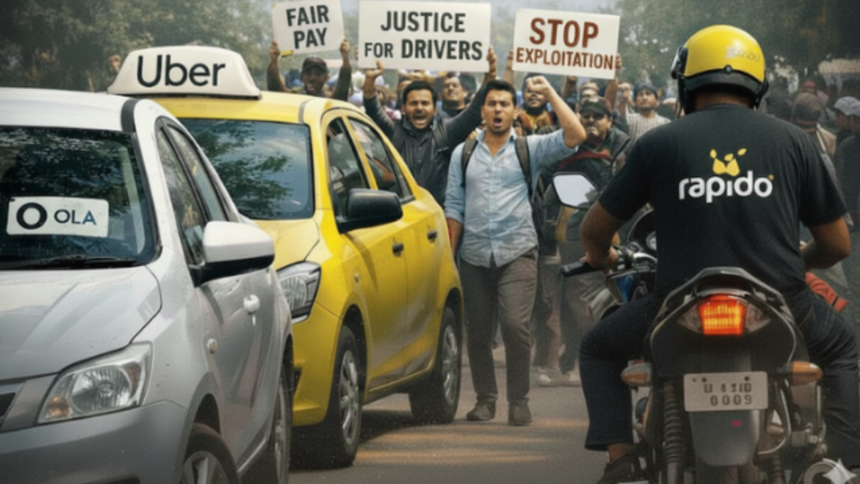
Gig Heroes Fight for Minimum Fares and Better Incentives Amid Service Crunch
India’s bustling gig economy came to a screeching halt today as drivers and delivery partners from Ola, Uber, Swiggy, and Zomato launched a massive nationwide strike on February 7, 2026. Protesting against rock-bottom pay, sky-high commissions, and vanishing incentives, thousands across major cities like Delhi, Mumbai, Bengaluru, Pune, and Hyderabad logged off their apps, leaving commuters stranded and foodies frustrated.
This bold ‘All India Breakdown’ action, spearheaded by unions including the Telangana Gig and Platform Workers Union (TGPWU) and Indian Federation of App-based Transport Workers (IFAT), shines a spotlight on the daily grind faced by these unsung heroes who power urban life. As peak hours turned chaotic, the strike underscores a pressing call for justice in a sector that’s transformed how we move and eat.
Chaos Unfolds in Metro Cities
From the crowded streets of the national capital to the vibrant lanes of financial hubs, the impact was immediate and widespread. In Delhi-NCR, Ola and Uber users stared at endless ‘no cabs available’ screens, with wait times ballooning beyond 45 minutes during morning rushes. Mumbai’s office-goers, battling monsoon-like traffic woes even in February, scrambled for alternatives as ride-hailing services dipped sharply.
Bengaluru, the Silicon Valley of India, saw techies walking to work or hailing traditional autos, while Hyderabad’s biryani lovers waited hours for Swiggy and Zomato deliveries. Pune, buzzing with startups and IT parks, felt the pinch too – delivery agents from Blinkit and Zepto joined the fray, turning lunch breaks into ordeals. Union estimates peg participation at over 50,000, with the strike peaking from 10 AM to 4 PM, forcing platforms to issue alerts for planned travel.
Heartfelt Grievances Fuel the Fire
At its core, this Ola Uber Swiggy Zomato strike stems from years of pent-up frustration. Drivers earn a pittance after deducting fuel, bike maintenance, and those hefty 20-40% commissions that platforms pocket. TGPWU leader Shaik Salauddin voiced it plainly: “We drive 12-16 hours daily, battling pollution and potholes, yet take-home pay barely covers roti-kapda-makaan.” Delivery bhaiyas echoed demands for government-mandated minimum fares under the 2025 Aggregator Guidelines, now gathering dust.
Incentives, once a lifeline, have been slashed arbitrarily – peak-hour bonuses vanished, leaving workers vulnerable to algorithm whims. Safety nets are absent too: no insurance for accidents in mad traffic, no paid leave for illnesses, and sudden account blocks without notice. Women partners highlighted night-shift risks and need for maternity support, making it a fight for dignity.
Platforms’ Reactions and Calls for Dialogue
Ola and Uber responded with surge pricing tweaks and appeals for minimal disruption, but offered no firm commitments on demands. Swiggy and Zomato dangled temporary incentives to coax partners back online, reminiscent of tactics during festive seasons. Yet, workers remain skeptical, viewing these as band-aid solutions in a ₹1.5 lakh crore industry ripe for reform.
Governments at Centre and state levels are under scanner. Unions have petitioned the Labour Ministry for urgent intervention, with Maharashtra pushing local safeguards given its gig-heavy economy. Past strikes like the 2025 year-end protests by IFAT paved the way, but today’s scale demands action.
The Bigger Picture: Gig Economy’s Dark Side
India’s gig workforce, over 2 million strong, exploded with app-based convenience post-pandemic. From quick Zomato orders to seamless Uber rides, it’s revolutionized daily life. But beneath the swipes lies exploitation: 10-minute delivery mandates risk lives on two-wheelers, commission battles erode earnings amid rising petrol prices (now ₹100+ per litre), and zero labour rights leave families exposed.
In regions like Maharashtra and Madhya Pradesh, where startups thrive, this unrest ripples through business. HappenRecently, tracking such developments, notes how fair policies could boost productivity. Economists caution that ignoring these voices might inflate logistics costs, hitting consumers and e-commerce alike.
Personal Stories Bring the Struggle Home
Meet Raju from Pune, an Ola driver who’s been at it for five years: “I left my village for better life, but after EMI and kids’ fees, nothing left. Strike ek awaaz hai hamari.” In Mumbai, a Swiggy rider shared tales of 14-hour shifts yielding ₹700, barely enough amid inflation. Delhi cabbies decried fuel hikes without fare adjustments, while Hyderabad partners demanded end to exploitative ratings.
These desi narratives humanize the Ola Uber strike news, reminding us that behind every app icon is a hardworking bhaiya supporting dreams.
Path Forward: Towards a Fairer Gig World
As evening approaches, unions signal openness to talks but warn of escalation if demands linger. Commuters are adapting – metros overflowing, local dhabas booming – but the real win lies in balanced reforms: capped commissions, social security funds, and transparent algorithms.
Conclusion:
As the sun sets on this historic February 7 strike, Ola, Uber, Swiggy, and Zomato’s gig warriors have sent a resounding message: fair pay, capped commissions, and social security aren’t luxuries—they’re rights for the bhaiyas fueling India’s urban heartbeat. Platforms and policymakers must heed this wake-up call, forging equitable policies that balance innovation with dignity, ensuring our gig economy thrives for all. Jai Hind to their united fight for a brighter tomorrow!