While major global exchanges observe New Year’s closure, Indian stock markets stay active; 15 official trading holidays announced for 2026.
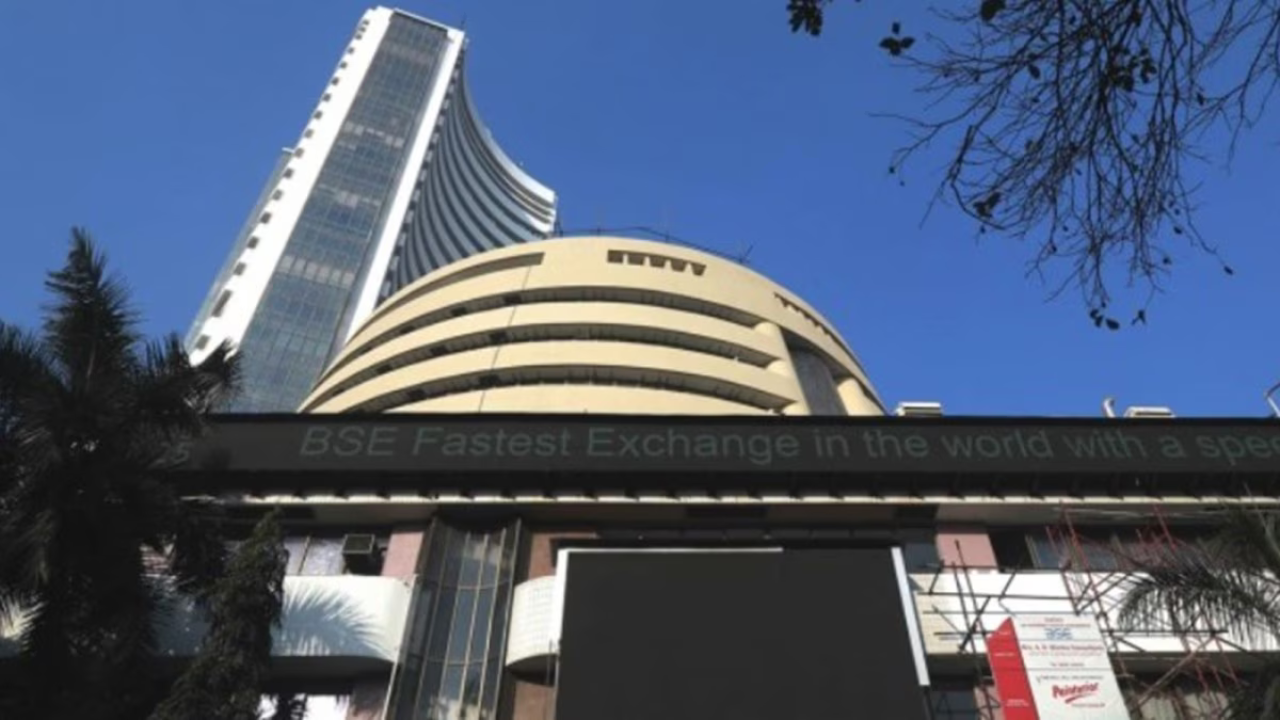
As the world rings in the New Year 2026, most global stock markets are taking a day off to celebrate the occasion. However, unlike the international exchanges in the US, UK, Europe, and Asia, India’s major stock exchanges — the National Stock Exchange (NSE) and the Bombay Stock Exchange (BSE) — are open and operating normally on Thursday, January 1, 2026.
This comes as good news for Indian investors and traders, as trading on both cash and derivatives segments will continue as usual through the day. Both equity and currency segments are functioning normally today, ensuring uninterrupted participation for domestic as well as institutional investors.
Commodity exchanges functional for day session
While equity markets are fully operational, the country’s leading commodity exchanges — Multi Commodity Exchange of India (MCX) and National Commodity & Derivatives Exchange (NCDEX) — will remain open only for the daytime session. Trading on these platforms will continue from 9:00 am to 5:00 pm but will pause for the evening session in observance of global market closures.
This arrangement allows for partial continuity in commodity trading, given that most international markets, which influence commodity prices, are closed on New Year’s Day.
Global markets remain shut for New Year holiday
Across the world, leading stock exchanges are closed today in observance of New Year’s Day (January 1). Markets in China, Hong Kong, Japan, Singapore, France, Germany, the UAE, the UK, and the United States have all declared a public holiday.
Moreover, exchanges in China and Japan are set to remain closed for an extended New Year break, continuing the non-trading period until Friday, January 2. This means global trading activity will only resume on Monday, January 5, once weekend holidays conclude.
BSE and NSE release full trading holiday list for 2026
Alongside regular operations on January 1, both BSE and NSE have released the official trading holiday calendar for 2026, providing early clarity for investors and brokers.
According to the exchanges, there will be 15 full trading holidays in 2026 across the equity, equity derivatives, and currency derivatives segments — one more than in the current year. The calendar, issued in line with exchange bye-laws and F&O (Futures and Options) norms, includes a mix of national holidays and major religious observances.
These 15 non-trading days will be applicable across all major exchanges — the BSE, NSE, and currency derivatives platforms. The list also aligns with most banking holidays, helping traders synchronize their market activity accordingly.
No separate holiday for Diwali this year
Interestingly, 2026 will not feature Diwali as a separate stock market holiday. This is because the festival falls on a Sunday this year. However, markets will still host the traditional Muhurat Trading session, a symbolic and auspicious trading window held every Diwali evening.
The exact timing of the Muhurat Trading 2026 session will be announced later in the year by the exchanges, as per custom.
More clarity for investors and institutions
The advance publication of the 2026 holiday calendar by both NSE and BSE offers a major benefit for traders, brokers, and investment institutions. It provides the necessary clarity to plan trading strategies, settlement schedules, and portfolio decisions in advance.
With 15 official holidays and several weekends overlapping with key festivals, traders can now manage their positions more effectively, minimizing risks related to market closures. Analysts also expect that this transparent schedule will support smoother activity in derivatives and currency segments throughout the year.
Normal trading in global cues absence
Since most major global markets are closed for New Year’s Day, trading volumes in Indian exchanges on January 1 are expected to remain slightly lower compared to regular days. Investors may choose to take limited positions due to the absence of international cues.
However, domestic market momentum remains positive, supported by strong macroeconomic indicators, improving corporate earnings, and sustained FPI (Foreign Portfolio Investment) inflows. Market experts foresee active participation resuming once global markets reopen next week.
Conclusion
To sum up, the Indian stock market remains open on New Year’s Day 2026, offering continuity to traders while most global peers stay closed for the holiday. The BSE and NSE’s 2026 calendar officially outlines 15 trading holidays for the year, spanning national, cultural, and religious occasions across India.