
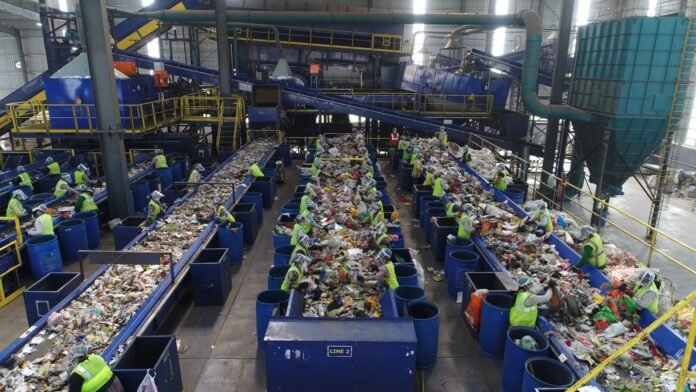
Ahmedabad-based waste management company NEPRA, which runs the Let’s Recycle brand, has raised Rs 110 crore (about $11.7 million) in equity from the Private Infrastructure Development Group (PIDG), through its project development arm InfraCo, to expand its waste processing and plastics recycling capacity across India.
The investment was announced on 19 November 2026. It marks PIDG’s first equity investment in the waste management and recycling sector in Asia, and PIDG will join NEPRA’s existing investors Aavishkaar Capital, Circulate Capital, Blue Earth Capital and Asha Impact in backing the company’s next phase of growth.
NEPRA describes itself as India’s largest dry waste recycling company. The capital will fund new material recovery facilities, an expansion of its plastics recycling capacity, stronger existing operations and working capital, as demand for waste processing, recycling and resource recovery services keeps rising across the country.
PIDG’s first waste sector bet in Asia
PIDG invests in infrastructure in developing countries, and this is its first equity commitment to a waste management and recycling business anywhere in Asia. Aavishkaar Capital, which backed NEPRA at seed stage, continues to support the company as it enters its next phase of growth.
“This marks an important milestone for us,” said Deep Dholakia, chief executive of NEPRA. “With PIDG’s support, we will strengthen our operational capabilities and expand our reach across India. Building on the progress we have made to date, we are well positioned to accelerate the growth of recycling and resource recovery services across India.”
Antoine Raes, head of investment management at InfraCo, said NEPRA had built a strong, integrated platform that brings together collection, recovery and recycling activities that are often fragmented across the sector. “With this investment we will scale a proven model, expand critical recycling infrastructure and help address India’s growing waste-management needs,” he said.
What the money will build
The planned expansion is expected to more than double NEPRA’s waste processing capacity, from around 900 tonnes per day to 1,880 tonnes per day. Its plastics recycling capacity is set to nearly triple, from 6.2 kilotonnes per annum to approximately 18 kilotonnes per annum.
The new facilities will include material recovery facilities where dry waste is collected, sorted and processed, alongside an expansion of the company’s plastics recycling unit. The company also turns waste that cannot be recycled into refuse-derived fuel, which cement makers burn in their kilns.
India generates more than 60 million tonnes of municipal solid waste every year, putting growing pressure on waste management and recycling systems across the country. PIDG said the expansion would add waste management and recycling capacity equivalent to the waste generated by approximately 2.7 million urban residents each year.
Jobs and formal work for waste pickers
The investment is also expected to create around 1,620 short-term jobs and 420 long-term operational roles. About 40 per cent of the long-term jobs are expected to be filled by women.
The expansion will further support NEPRA’s work to formalise livelihoods for informal waste pickers, predominantly women, through fair pricing, digital payments and safer working conditions. The project is expected to contribute to United Nations Sustainable Development Goals on gender equality, sustainable cities and communities, and responsible consumption and production.
An integrated model, from collection to recycling
Founded in Ahmedabad, NEPRA has built an integrated waste management and recycling platform that spans the value chain, from waste collection and segregation through to material recovery, recycling and the sale of recovered resources. By connecting activities that are often fragmented across multiple operators, the company helps divert significant volumes of waste from landfill and improves traceability across the waste value chain.
The company operates in Ahmedabad, Indore, Pune and Bengaluru, and runs a plastic recycling plant in Sanand, Gujarat, which converts plastic waste into recycled granules. According to Venture Intelligence, NEPRA reported operating income of about Rs 131 crore and a net loss of about Rs 39 crore in FY25.
Anurag Agrawal, partner at Aavishkaar Capital, said the firm had backed NEPRA at seed stage because India needed an integrated, formal and inclusive answer to its waste challenge. “Over the years, the company has proven that model across collection, recovery and recycling, while bringing dignity and fair incomes to thousands of waste pickers,” he said.
Frequently Asked Questions
How much did NEPRA raise from PIDG?
NEPRA raised Rs 110 crore, about $11.7 million, in equity from the Private Infrastructure Development Group through its project development arm InfraCo.
What will NEPRA do with the funding?
The money will fund new material recovery facilities, expand plastics recycling capacity, strengthen existing operations and meet working capital needs across India.
How much will NEPRA’s capacity grow?
Waste processing capacity is expected to more than double from around 900 tonnes per day to 1,880 tonnes per day, while plastics recycling capacity will nearly triple from 6.2 kilotonnes per annum to about 18 kilotonnes per annum.

