
Focus on financial bills, public welfare policies, and developmental discussions across Maharashtra.
The Maharashtra Legislature has commenced its crucial winter session in Nagpur, scheduled to take place from December 8 to December 19, 2025. This annual session is one of the most significant political and legislative events in the state, bringing together Members of the Legislative Assembly (MLAs) and Members of the Legislative Council (MLCs) to discuss and decide on matters of public importance.
The winter session in Nagpur holds special political and administrative importance, as it traditionally serves as a platform for deliberating on public welfare policies, state finances, and new government initiatives. This session is expected to focus on Supplementary Demands, the Appropriation Bill, and several key government business matters, which are essential for ensuring smooth fiscal management and policy execution in the state.
Focus on Financial and Legislative Priorities
One of the central items on the agenda for this session is the presentation and discussion of Supplementary Demands for Grants. These are additional budgetary allocations requested by various departments to cover expenditures that were not included in the original budget estimates presented earlier in the financial year. The approval of these supplementary demands allows the state government to fund ongoing development projects and meet unforeseen financial requirements.
Alongside this, the Appropriation Bill will also be tabled for discussion and passage. This bill is a critical component of the state’s financial management, authorizing the government to withdraw funds from the Consolidated Fund of the State to meet its expenditure obligations. Together, both measures reflect the government’s approach toward maintaining fiscal discipline while addressing current administrative and developmental needs.
Important Government and Policy Discussions Expected
Apart from financial legislation, the session is expected to see heated debates and extended discussions on various public issues, including agriculture, employment, infrastructure development, and law and order. Opposition parties have already indicated that they will corner the government on matters such as farmer distress, inflation, fuel prices, and job creation, while the ruling coalition plans to highlight its developmental achievements and policy initiatives aimed at improving public welfare.
The government is also expected to present updates on ongoing projects in Vidarbha and Marathwada, including irrigation schemes, infrastructure expansion, and industrial investment in the region. These discussions are particularly significant given that Nagpur, being the winter capital of Maharashtra, plays a symbolic as well as strategic role in ensuring balanced state development.
Nagpur Comes Alive for the Legislative Session
Every year, the winter session transforms Nagpur into the temporary political capital of Maharashtra. All major political leaders, bureaucrats, and media outlets gather in the city to cover crucial debates and announcements. The city experiences heightened administrative activity, with enhanced preparations to support the logistical requirements of the session.
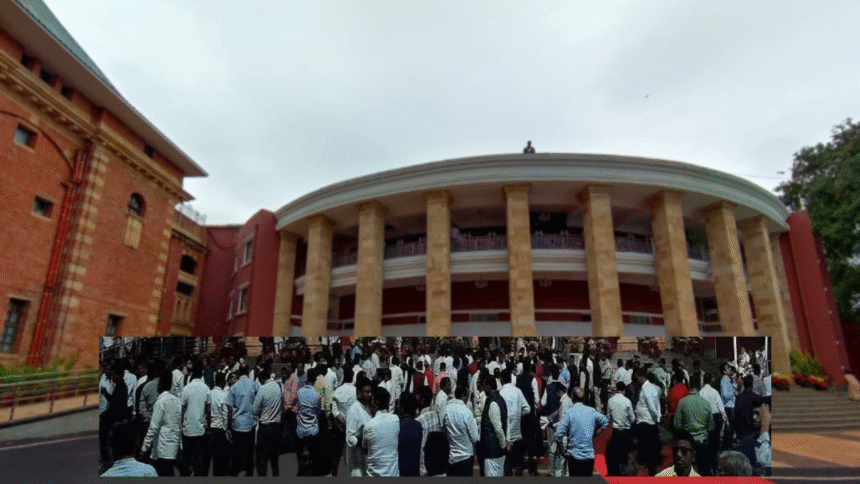
Government offices, administrative staff, police personnel, and media representatives make extensive arrangements to ensure smooth proceedings. The Vidhan Bhavan, Nagpur, becomes the focal point of policy action and political dialogue during these two weeks.
Expected Bills and New Announcements
While the Appropriation Bill and Supplementary Demands remain the financial highlights, several new bills and amendments are anticipated to be introduced during the session. Possible legislative subjects include rural development, health reforms, digital governance, and updates to existing laws to align with central government policies.
Moreover, the session may witness policy announcements related to agriculture subsidies, farmer loan waivers, and welfare measures for marginalized communities. The government is also expected to discuss the progress of the ongoing Marathi Language promotion initiative, urban transport upgrades, and environmental conservation programs across key districts.
Opposition Ready to Raise Public Issues
Opposition parties, including the main rival alliances, have outlined an aggressive strategy for this session. Their focus areas reportedly include the rising cost of essential commodities, irregularities in certain government tenders, and issues concerning unemployment among youth. They are also likely to demand clarity on the state’s position over central policies and their impact on Maharashtra’s economy.
Such debates form the cornerstone of a democratic legislative process, ensuring transparency, accountability, and constructive dialogue between the ruling and opposition benches.
Importance of the Nagpur Session for Maharashtra
The Nagpur winter session isn’t merely an annual constitutional obligation; it’s a cornerstone of Maharashtra’s democratic and administrative tradition. Over the years, many landmark policies, financial reforms, and public welfare initiatives have been debated and launched during this session.
For the people of the state, the session serves as a reminder that policymaking is a dynamic and continuous process, requiring careful scrutiny and participation from elected representatives. As the government addresses pressing issues and introduces fiscal measures, citizens look forward to policies that promote balanced growth across urban and rural regions.
Looking Ahead
As the session continues until December 19, all eyes remain on the outcomes of the legislative debates and the decisions that will shape Maharashtra’s development path in 2026. Observers expect that the state government will use this opportunity to outline its fiscal priorities, strengthen public programs, and reassure citizens of economic stability and progress.
The coming days are expected to bring important decisions, budgetary approvals, and spirited discussions that will set the tone for Maharashtra’s governance in the new year.