
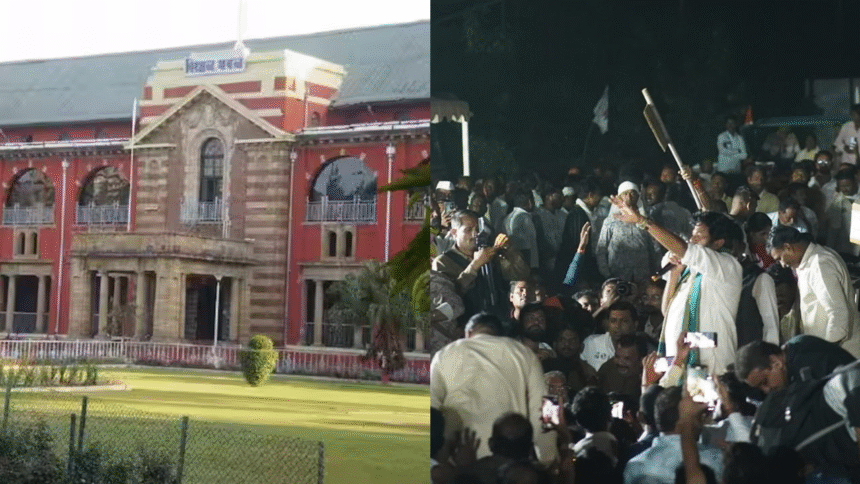
Nagpur, the winter capital of Maharashtra, is getting ready to host the much-anticipated Hivali Adhiveshan (Winter Session) of the Maharashtra Legislature. The seven-day session is expected to begin soon, drawing attention from all corners of the state as major political, economic, and social issues are set to be discussed in the upcoming week.
The Winter Session in Nagpur is an annual tradition and holds significant importance in the state’s political calendar. It provides a vital platform for both ruling and opposition parties to raise public issues, propose new policies, and review the state government’s performance. This year’s session is expected to be particularly dynamic, as it comes at a time when Maharashtra is witnessing debates on development projects, farmers’ issues, unemployment, and regional demands.
Focus on Development and Public Welfare
According to early indications, the government is likely to highlight several developmental measures taken over the past year, including initiatives in agriculture, rural development, and infrastructure. Key departments like the Home, Education, and Urban Development Ministries are expected to present status reports on their respective schemes and policies.
The discussions around Vidarbha region’s growth are also expected to take center stage. As Nagpur represents the Vidarbha heartland, local citizens and political leaders are anticipating specific announcements related to industrial investments, new employment opportunities, and infrastructure improvements.
Farmers’ Issues and Crop Losses to Dominate Agenda
Agriculture has always been a sensitive topic during the Winter Session. Recent fluctuations in weather, unseasonal rains, and declining crop prices have affected farmers across the state. Opposition parties are preparing to raise these concerns, demanding compensation and relief packages for affected farmers.
The government, on its part, is likely to highlight its ongoing schemes for crop insurance, irrigation projects, and direct beneficiary transfers to support agricultural workers. Political analysts predict that debates related to farmers may dominate several days of the session, as both sides seek to gain public confidence ahead of the next election cycle.
Urban Concerns and Public Infrastructure Projects
For urban areas, discussions will likely touch upon housing, public transport, and municipal budget allocations. With growing cities like Nagpur and Nashik expanding rapidly, infrastructure planning and smart city initiatives are expected to be key highlights. Citizens are also eager to hear progress reports on Nagpur Metro’s next phase, road connectivity projects, and development of new industrial clusters.
Environmental concerns, such as air quality, waste management, and sustainable urban growth, are also expected to be raised by various legislators. Nagpur being one of the greenest cities in the state, environmental preservation remains a recurring topic during the Winter Session.
Law and Order, Education, and Health Sectors
The Home Department is expected to present an update on law and order situations across Maharashtra, including measures for women’s safety, cybercrime prevention, and strengthening of police infrastructure.
In the education sector, there are expectations of new policy announcements related to digital learning and improving the quality of education in rural schools. The government’s efforts to modernize syllabus structures and increase investment in higher education institutions could also be part of the legislative discussions.
Meanwhile, the health department will focus on reviewing hospital infrastructure, vaccination drives, and rural healthcare schemes. Special attention may be given to mental health programs and disease prevention strategies, particularly in rural districts.
Political Strategy and Public Expectations
With national and local elections approaching in the near future, all eyes are on how political parties position themselves during this session. Ruling alliances are expected to project their achievements, while opposition groups will likely intensify criticism regarding governance, inflation, and unemployment.
Public opinion often shapes the tone of these sessions, and Nagpur residents are known for their active interest in state politics. Over the next seven days, the legislative building in Nagpur will become the focal point for media coverage, public debates, and policy announcements.
Security, Arrangements, and Cultural Significance
The Maharashtra government and local administration have already begun preparing for the influx of legislators, bureaucrats, and journalists arriving in Nagpur. Tight security measures have been deployed around the Vidhan Bhavan premises, ensuring smooth proceedings throughout the week.
Apart from political discussions, the Winter Session has cultural significance for Nagpur. Traditionally, the city witnesses a lively environment during this period—with local businesses, restaurants, and hotels experiencing a surge in activity. It reflects the city’s dual identity—political hub and cultural capital of central India.
Conclusion
The seven-day Hivali Adhiveshan in Nagpur is set to be one of the most crucial sessions of the year for Maharashtra. With important topics like farmers’ welfare, regional development, education, and employment on the agenda, citizens are expecting constructive debates and concrete outcomes.
As the session unfolds, all eyes will remain on Nagpur—a city that not only hosts the legislative proceedings but also stands as a symbol of Maharashtra’s democratic spirit and balanced regional representation.