

Maharashtra’s sugar markets are witnessing a phase of steady prices, as domestic demand remains consistent and largely need-based. The stability in sugar prices across key wholesale markets reflects a balanced relationship between supply and demand, alongside favorable conditions in both production and trade.
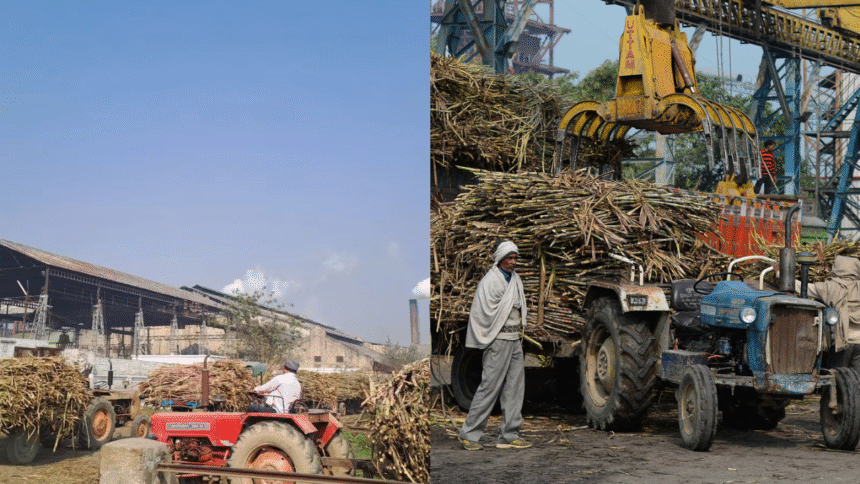
According to traders and industry sources, there has been no significant movement in the domestic sugar prices over the past few weeks. Buyers are continuing to purchase based on immediate requirements rather than stockpiling in bulk. This indicates a stable scenario in the state’s sugar trade, especially as the crushing season gains pace in key sugar-producing regions like Kolhapur, Pune, Ahmednagar, and Nashik.
Steady Market Sentiment
Market watchers note that sugar mills in Maharashtra have begun crushing for the current season with favorable weather conditions. The initial output and the supply flow from mills are adequate to meet the domestic demand. As a result, sugar prices continue to hover around previous levels without major fluctuations.
Wholesalers in Kolhapur and Pune report that the average price of S-30 grade sugar remains within the range of Rs 3,550 to Rs 3,600 per quintal, while M-30 grade sugar is quoted between Rs 3,620 and Rs 3,680 per quintal. Retail prices have also remained largely unchanged, ensuring stable costs for consumers and sweet manufacturers across the state.
Industry experts say the market stability is a good indicator of disciplined supply management by sugar mills and traders. The absence of panic buying or heavy speculation has contributed to a balanced market sentiment.
Crushing Season and Production Outlook
The 2025-26 sugar crushing season in Maharashtra began on a positive note with early reports of good cane availability and satisfactory recovery rates. With favorable rainfall patterns in many cane-growing districts earlier this year, the crop condition is considered healthy.
The Maharashtra State Cooperative Sugar Factories Federation has projected that around 200 sugar mills are expected to operate this season. Early indications suggest an output of more than 100 lakh tonnes, provided climatic conditions remain stable.
While the central government has been closely monitoring sugar stocks and exports, most of the current focus has been on ensuring stable domestic supply during the festival and post-festival period. This is particularly important as sugar consumption tends to spike during festive months in India.
However, even after the festival season, demand has remained steady rather than aggressive, helping keep prices from either rising sharply or falling significantly.
Consumption Trends and Export Restrictions
Domestic sugar consumption continues to be driven by the food processing and beverage sectors, which include confectionery, dairy, and soft drink manufacturers. Urban household consumption has also stayed stable, with no sudden shifts in buying behavior.
In terms of international trade, sugar exports from India remain under government regulation to prioritize domestic availability. The export policy, introduced to balance internal prices, limits the outward movement of sugar from domestic mills while keeping a close watch on domestic stock levels.
Traders believe that these export curbs have helped maintain sufficient availability within the Indian market, reducing price volatility that could have occurred with aggressive exporting. Despite some calls for export flexibility, the domestic stabilization policy has largely succeeded in keeping sugar affordable for consumers and industries alike.
Policy Measures Supporting Price Stability
Government policies related to fair and remunerative price (FRP) for sugarcane, minimum selling price (MSP) for sugar, and timely payments to farmers have collectively contributed to predictable pricing. The FRP ensures that farmers get a guaranteed minimum price for their cane, while the MSP prevents excessive undercutting in sugar sales by mills.
At the same time, the government’s consistent monitoring of stock release orders—ensuring an even and sufficient flow of sugar into the markets each month—has played a key role in avoiding sudden supply shortages.
Analysts point out that this alignment between production, policy, and demand has kept the market resilient, especially during times when other commodities have seen fluctuations.
Traders’ Outlook for Coming Weeks
Looking ahead, traders expect the sugar market to maintain its stability through the coming weeks. The steady pace of crushing and sufficient stocks in warehouses are likely to meet near-term requirements without any major price pressure.
If there are no abrupt changes in weather or policy, prices are expected to remain within the current range throughout November. Retailers in urban centers like Mumbai and Pune foresee stable household demand, while bulk buyers such as bakeries and restaurant chains are maintaining their usual procurement schedules.
Market insiders anticipate that a clearer trend may emerge by late December once the full impact of the season’s crushing output and government stock release plans are visible. Until then, the sentiment remains calm and predictable.
Overall Market Outlook
In summary, Maharashtra’s domestic sugar market continues to enjoy a rare period of stability marked by steady demand, healthy supply, and supportive government policies. The absence of sharp price swings is good news for both consumers and producers, offering a balanced environment for trade across the state’s major markets.
The coming months will be crucial in determining the sustainability of this steady trend. Weather conditions, export decisions, and the pace of sugarcane crushing across the state will play a defining role in shaping future price movements.
For now, industry participants agree that the Maharashtra sugar market is in firm balance—an encouraging sign for India’s overall sugar economy as it enters a new production season.


