
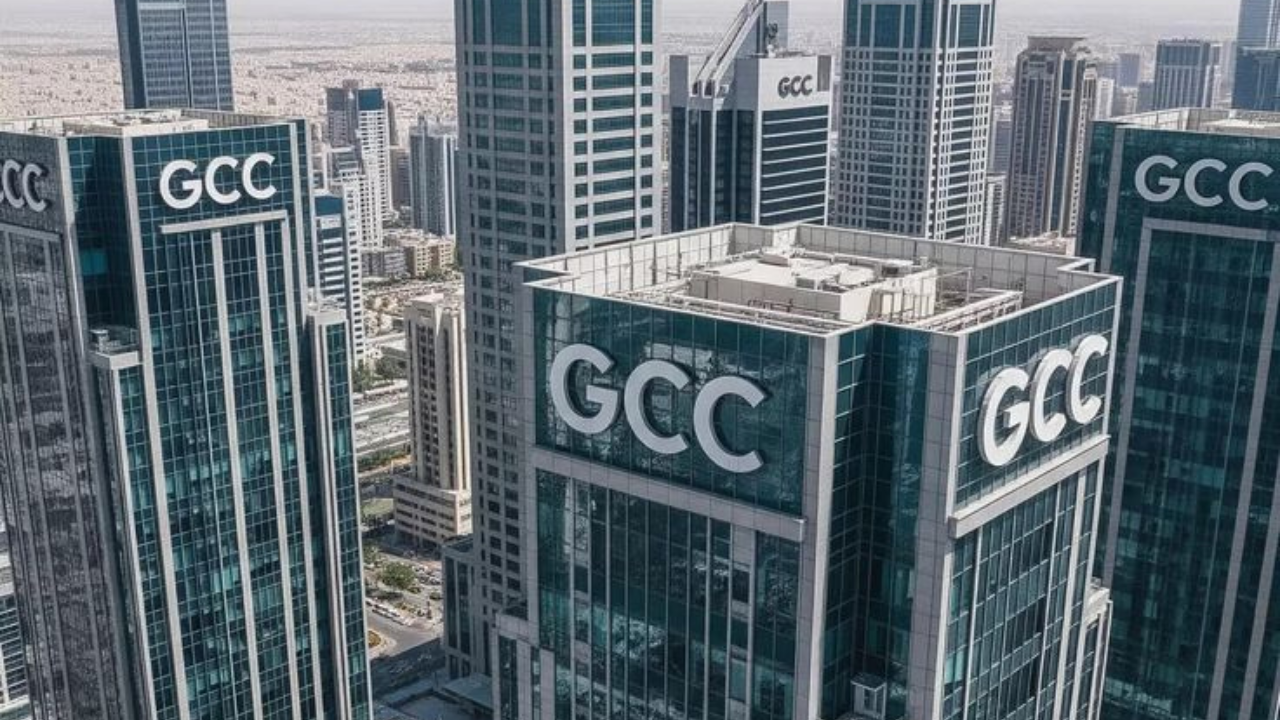

Maharashtra is setting its sights on becoming India’s leading destination for Global Capability Centres (GCCs) through a major policy push focused on infrastructure, incentives, and talent. The state government has begun working on a dedicated framework designed to attract multinational companies to set up and expand their capability centres across key cities such as Mumbai, Pune, and Nagpur.
This new initiative positions Maharashtra in direct competition with southern states like Karnataka, Telangana, and Tamil Nadu, which have long dominated India’s GCC landscape. With a growing pool of skilled professionals, top-tier educational institutions, and expanding infrastructure, Maharashtra aims to create an ecosystem where global companies can operate with ease and efficiency.
Aiming to Become India’s GCC Hub
Over the past decade, Global Capability Centres have played a crucial role in making India a global hub for innovation, research, and technology. These centres serve as offshore setups for large global corporations, handling everything from software development and analytics to finance and operations.
Recognizing their importance to India’s economy, the Maharashtra government is preparing a comprehensive policy framework that focuses on three key areas — high-quality infrastructure, simplified business processes, and a future-ready talent pool. Officials say the plan is to make Maharashtra the first choice for companies looking to establish or expand their GCC operations in India.
Infrastructure and Investment Plans
The new framework is expected to focus heavily on improving infrastructure and connectivity. The state government plans to promote specialized IT parks and innovation clusters in key districts. Cities like Pune and Navi Mumbai, already known for strong tech ecosystems, are likely to benefit the most. Upcoming metro and expressway projects further strengthen Maharashtra’s positioning by ensuring smooth connectivity between business hubs and residential areas.
In addition, the government is expected to offer a range of fiscal incentives, such as tax benefits, land support, and easier lease terms for large investors. These measures aim to complement the existing IT policy and bring more predictability and transparency to investment procedures.
State industries officials have also highlighted plans to create single-window clearances and digital platforms to speed up approvals and reduce bureaucratic delays. The goal is to ensure that investors find Maharashtra not only business-friendly but also efficient in execution.
Strengthening the Talent Ecosystem
One of Maharashtra’s biggest advantages lies in its talent base. With a large number of engineering and management institutions producing thousands of graduates every year, the state has a strong supply of skilled professionals ready to work in technology, finance, and analytics.
To improve employability and bridge skill gaps, the government is planning partnerships with leading universities and industry bodies. Focus areas include training in emerging technologies such as artificial intelligence, data science, cloud computing, and cybersecurity. These efforts are expected to align local talent with the needs of global firms and ensure continuous availability of skilled human resources.
Competing with Southern States
For years, Bengaluru, Hyderabad, and Chennai have been preferred destinations for GCCs due to their early start in the IT and R&D sectors. However, Maharashtra believes that its strategic location, world-class infrastructure, and diverse economic base give it a competitive edge. Mumbai, being India’s financial capital, already hosts several global financial service centres. Pune, on the other hand, has become a significant technology and innovation hub with numerous leading IT and manufacturing companies.
The new GCC-friendly policy aims to build on these strengths and create a seamless ecosystem that integrates financial services, technology, and advanced research capabilities. Officials hope that by offering better facilities and ease of doing business, Maharashtra can attract a new wave of GCC investments and create large-scale employment opportunities.
Promoting Inclusive Growth
The policy is also expected to promote inclusive development by extending GCC opportunities beyond traditional metros. Emerging cities like Nagpur, Nashik, and Aurangabad are being considered for future development as knowledge and innovation hubs. This decentralized growth approach can help spread economic benefits across different regions of the state.
In addition, sustainability and green practices are likely to be key elements in the new policy. The government intends to promote eco-friendly infrastructure and encourage the development of smart campuses that combine technology with energy efficiency.
Industry Reactions and Economic Outlook
Industry experts have welcomed Maharashtra’s renewed focus on GCCs. According to reports from industry associations, over 1,600 GCCs currently operate in India, employing more than 1.5 million professionals. The next wave of GCC growth is expected to come from sectors such as banking, retail, automotive, and healthcare, all of which have a strong presence in Maharashtra.
Business leaders believe that with the right policy framework and consistent government support, Maharashtra can easily attract a major share of new global investments in this segment. The move could also significantly contribute to the state’s GDP and create thousands of direct and indirect jobs.
A Future-Ready Maharashtra
As the state builds its roadmap for this initiative, the larger vision is clear — to make Maharashtra not just a preferred investment destination but a global leader in innovation-driven industries. The upcoming GCC policy, backed by smart infrastructure, strong governance, and a rich talent base, reflects Maharashtra’s determination to stay ahead in the global competition.
By turning its focus toward Global Capability Centres, Maharashtra is not only boosting its technology and service sectors but also creating a platform for sustainable, knowledge-based economic growth. This forward-looking step could mark the beginning of a new chapter in Maharashtra’s journey as one of India’s most advanced and business-friendly states.