



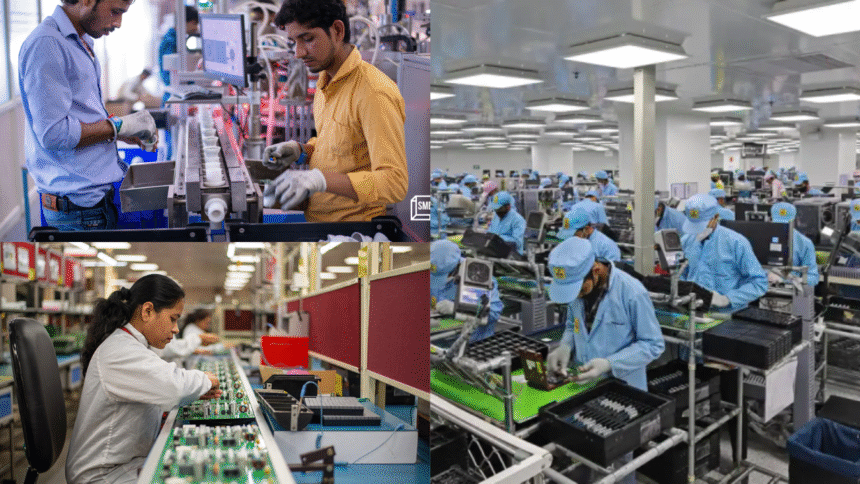
The micro, small, and medium enterprise (MSME) sector in Madhya Pradesh, long known as the backbone of the state’s industrial and employment ecosystem, is witnessing a challenging phase. Over the past two years, the sector has registered a significant dip in growth rates, with new business registrations slowing down and a growing number of enterprises shutting their doors.
Industry observers and government data highlight a concerning trend that threatens both local employment opportunities and the state’s economic vibrancy.
Decline in New MSME Registrations
According to recent industry insights, Madhya Pradesh has seen fewer new businesses being established in the MSME category compared to the robust expansion phase witnessed five to six years ago. While earlier years saw enthusiastic registrations driven by state support programs and national initiatives like Make in India and Startup India, the last two years have marked a downturn.
Experts attribute the decline to multiple factors, including rising input costs, slower demand in certain sectors, difficulties in accessing formal credit, and stiff competition from larger corporates. Additionally, delays in payment cycles and limited access to new technology have dampened the entrepreneurial spirit, discouraging many potential small business owners from entering the market.
Increase in Business Shutdowns
Perhaps more worrying is the increase in shutdowns among existing MSMEs. Many enterprises in sectors such as textiles, food processing, handicrafts, and small-scale manufacturing are finding it difficult to sustain operations amid rising operational costs and post-pandemic recovery struggles.
Reports from local chambers of commerce suggest that hundreds of small units, especially in semi-urban and rural industrial belts of Indore, Gwalior, and Jabalpur, have been forced to close shop in the last two years. Business owners point to cash flow difficulties, lack of skilled workforce, and policy bottlenecks as major reasons behind closures.
Impact on Employment
The MSME segment has always been a crucial job provider, especially for youth and semi-skilled workers across Madhya Pradesh. A slowdown in the sector has a direct bearing on employment. With fewer new ventures starting and several existing ones winding down, job opportunities have become scarce. Daily wage workers, artisans, and small-scale technicians are some of the worst affected groups.
Analysts warn that if left unaddressed, this could contribute to rising unemployment in the state, particularly among rural youth who heavily depend on small industries for livelihood.
Challenges Faced by MSMEs
Several interconnected challenges are fueling the crisis in Madhya Pradesh’s small business sector:
- Credit Access: Despite financial schemes being announced, many MSMEs continue to face hurdles in obtaining timely and adequate loans. Lengthy procedures and collateral requirements discourage smaller entrepreneurs from seeking bank funding.
- Rising Input Costs: The increase in raw material costs, energy tariffs, and logistics expenses has significantly impacted profit margins, making it harder for MSMEs to remain competitive.
- Delayed Payments: One of the most pressing issues for MSMEs is delayed payments from larger corporations and even government contracts, which disrupts cash flows and forces units into operational stress.
- Technology and Innovation Gaps: Many small businesses lack the resources to adopt new technology or modernize processes, which affects efficiency and product quality.
- Limited Market Reach: Inadequate exposure to e-commerce and digital platforms restricts the ability of small businesses to expand customer bases beyond local markets.
Government Response and Future Roadmap
The Madhya Pradesh government has acknowledged the slowdown and underlined the need for stronger policy measures to support the MSME ecosystem. Initiatives such as ease of doing business reforms, subsidies for technology adoption, and financial relief packages have been announced, but experts say the execution on the ground remains patchy.
Business leaders are urging the state to improve infrastructure in industrial corridors, ensure faster disbursement of credit, and create a single-window system for approvals and clearances to ease bureaucratic delays.
Additionally, there is growing emphasis on building capacity for digital adoption. Providing training in e-commerce, online marketing, and digital payments could enable small businesses to expand their market reach and reduce dependence on traditional sales channels.
The Way Forward
Industry veterans believe that Madhya Pradesh’s MSME sector still holds strong potential if immediate steps are taken to re-energize it. Revival will require a three-pronged approach:
- Financial Strengthening – Ensuring easier access to loans, faster payment cycles, and reduced compliance burdens.
- Skill Development – Training programs to equip workers with relevant skills in manufacturing, services, and digital tools.
- Technology Adoption – Providing affordable platforms for small businesses to innovate, digitize, and compete in larger markets.
If effectively implemented, these changes could help restore confidence among entrepreneurs, draw new investors into the small business space, and create fresh avenues of employment.
Conclusion
The slowdown in Madhya Pradesh’s MSME sector is an urgent concern that requires collective action from policymakers, financial institutions, and industry bodies. While the past two years have been tough, the resilience of entrepreneurs in the state remains unmatched. With timely interventions and a supportive ecosystem, the sector can bounce back and continue being the driving force behind the state’s economic progress.


