
Tuesday, September 29, 2026
Home Blog Page 89

“Russia Offers ₹1 Lakh Reward to Pregnant Students in Bold Bid to Boost Population”

Russia

In a move that has sparked intense national and international debate, Russian President Vladimir Putin has unveiled a controversial new incentive aimed at tackling the country’s long-standing population crisis. As part of a broader demographic revitalization plan, the Russian government has announced that college-going female students who become pregnant will receive a financial reward equivalent to ₹1 lakh.

This unprecedented initiative is part of the Kremlin’s ongoing efforts to reverse Russia’s declining birth rate, which has been exacerbated by a combination of economic instability, increasing emigration, the COVID-19 aftermath, and the prolonged geopolitical isolation due to the Ukraine conflict. According to Russian federal statistics, the country’s population has shrunk by nearly 2 million people over the past five years—a trend that the government views as a national security threat.

A Unique Step Toward Population Growth

The newly announced reward system applies specifically to young female students enrolled in universities and technical institutes. Those who become pregnant during their course of study will be eligible for the cash bonus, provided they carry the pregnancy to full term.

“President Putin strongly believes that the future of Russia lies in the hands of our youth. We must create an environment that encourages early family formation while supporting young women academically, socially, and economically.”

The incentive is expected to be launched as a pilot program in selected regions of Russia beginning September 2025, with the possibility of national expansion based on its results.

Mixed Reactions Across Society

The announcement has generated a wave of reactions, ranging from praise to outrage. Supporters hail the initiative as a bold and necessary step toward reversing demographic decline, arguing that financial incentives could remove the economic barriers that often delay family planning among young couples.

sociologist at Moscow State University Dr. Natalia Smirnova

“We must acknowledge that Russia’s fertility rate is one of the lowest in the world. If monetary encouragement leads to stable population growth, it’s worth exploring. However, this must go hand in hand with stronger social support systems.”

On the other hand, critics argue that the policy could encourage irresponsible behavior, exploit vulnerable women, and distract from the need for systemic reforms in education, employment, and healthcare.

Maria Petrova, a student activist from St. Petersburg, voiced her concerns:

“This is a deeply patriarchal and short-sighted policy. Instead of empowering young women with better education and career opportunities, the government is effectively pushing them toward early motherhood under financial pressure.”

Experts Urge for Caution and Comprehensive Support

Global human rights organizations and educational bodies have also weighed in, urging the Russian government to ensure that the program does not violate academic freedoms or reproductive rights. Several have called for complementary investments in child care, housing, maternal healthcare, and postnatal support to avoid turning the cash reward into a hollow gesture.

“There is a real risk that this program could incentivize pregnancies without safeguarding the long-term wellbeing of the mother or child,” warned Dr. Yulia Antonova, a public health researcher based in London.

Meanwhile, some economists are questioning the fiscal sustainability of such incentives. With Russia facing sanctions, inflation, and a stagnating economy, the long-term feasibility of mass-scale incentives remains uncertain.

A Part of a Broader Strategy?

President Putin’s administration has in the past introduced various schemes aimed at boosting birth rates, including tax breaks, maternity capital payments, and housing subsidies for families with two or more children. However, this latest move represents a more targeted, and arguably provocative, approach aimed at Russia’s youth.

Some analysts speculate that this initiative could be politically motivated, aimed at shoring up nationalist sentiment and reinforcing traditional values in the lead-up to future elections.

The Road Ahead

While it remains to be seen whether the pregnancy incentive for students will achieve its intended outcome, one thing is certain: the policy has succeeded in thrusting the issue of Russia’s demographic crisis into the spotlight. Whether this approach leads to genuine population growth or social controversy will largely depend on its implementation, oversight, and the inclusion of broader social welfare measures.

In the coming months, educational institutions, health departments, and student unions will play a key role in navigating the ethical, cultural, and operational complexities of this new initiative. The world will be watching closely as Russia embarks on this deeply polarizing experiment in state-sponsored fertility.
“Starvation as a Weapon? 2.1 Million in Gaza at Risk, IPC Warns of Escalating Crisis”

Gaza

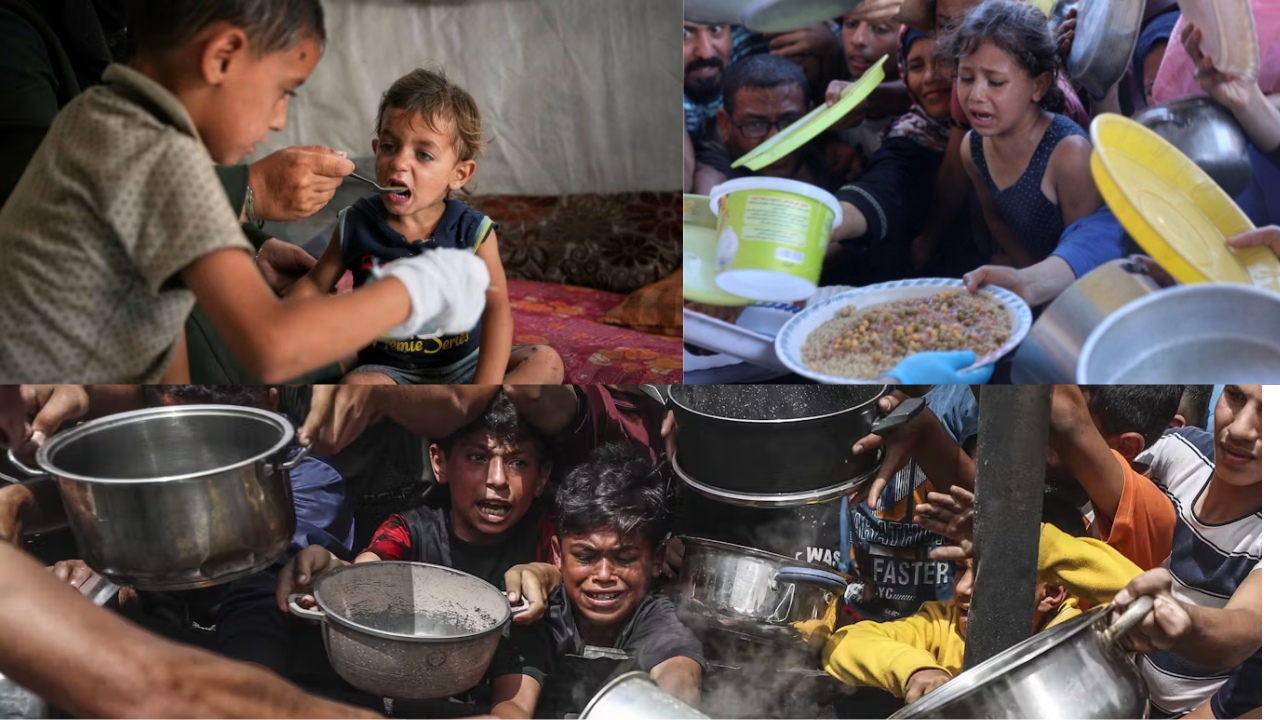
Gaza City – A new report by the Integrated Food Security Phase Classification (IPC) has sounded the alarm on the deteriorating humanitarian crisis in the Gaza Strip, revealing that the entire population of 2.1 million is now at critical risk of famine. The report underscores the dire consequences of 19 months of ongoing conflict, compounded by severe restrictions on humanitarian aid.

The IPC, a globally recognized framework for assessing food insecurity, concluded that more than half a million people in Gaza are already facing starvation, and the situation is rapidly spiraling beyond control. According to the report, the risk of famine in Gaza is not only “possible” but “increasingly likely” — a declaration that has triggered renewed international concern and urgent calls for immediate intervention.

Blockade Intensifies Humanitarian Collapse

Since early March 2025, Israel has imposed a complete blockade on the entry of food, medicine, and essential humanitarian supplies into Gaza. The Israeli government has stated that the measure is part of an intensified pressure campaign on Hamas to release 59 remaining hostages held since the escalation of hostilities began.

However, numerous international aid agencies and human rights organizations have decried the blockade as a form of collective punishment, warning that using starvation as a weapon of war may constitute a war crime under international law.

“Food is not a bargaining chip. Denying access to life-saving aid is not only morally reprehensible — it is illegal,” said Dr. Amina El-Sayed, Middle East director at the International Humanitarian Action Coalition (IHAC). “We are watching a preventable famine unfold in real time, and the international community must not stay silent.”

The IPC’s Stark Findings

The IPC report, developed through a collaboration of UN agencies, NGOs, and independent analysts, utilized on-the-ground data and satellite assessments to project the state of food insecurity in Gaza. Key findings include:

  • 100% of the population in Gaza is experiencing some level of food insecurity, with over 520,000 people in IPC Phase 5 — Catastrophe/Famine.
  • Malnutrition rates among children have skyrocketed, with 1 in 3 children under five acutely malnourished.
  • Crop destruction, water scarcity, and economic collapse have eliminated local food production.
  • Aid deliveries have decreased by over 85% since the March blockade began.

“The numbers speak for themselves. This is a human-made famine, driven by policies and not by natural disaster,” said James T. Redfield, a senior analyst with the IPC Global Support Unit.

International Law and Accusations of War Crimes

Legal experts and rights groups have warned that the blockade may violate the Geneva Conventions, which prohibit the starvation of civilians as a method of warfare.

Human Rights Watch, Amnesty International, and Médecins Sans Frontières (MSF) have all released statements urging international accountability, with calls for the International Criminal Court (ICC) to investigate potential violations of international humanitarian law.

In a joint statement, a coalition of aid organizations wrote:

“The deliberate obstruction of aid, compounded by military operations in civilian areas, has created the conditions for famine. The world must not allow this to become another chapter of indifference.”

Humanitarian Access: A Lifeline That Must Be Restored

Despite growing international pressure, humanitarian corridors into Gaza remain closed or severely restricted, with only sporadic convoys allowed through under heavy scrutiny. Aid workers report that even when trucks are permitted entry, distribution is nearly impossible due to damage to infrastructure, ongoing hostilities, and a collapsed healthcare system.

“We are running out of time. What is needed now is unimpeded humanitarian access and a ceasefire that allows for immediate relief operations,” said Marie Lemoine, emergency coordinator with the World Food Programmed (WFP).

The WFP, UNRWA, and dozens of non-governmental organizations are calling for:

  • Immediate cessation of hostilities to enable aid distribution.
  • Restoration of access to humanitarian corridors without political preconditions.
  • Emergency funding to scale up food, water, and medical aid.
  • International diplomatic intervention to prevent further civilian suffering.

A Call to Action from the Global Community

The situation in Gaza represents one of the gravest humanitarian crises in recent memory. The IPC’s warning is a final red flag before a full-scale famine sets in — one that could claim tens of thousands of lives, many of them children.

UN Secretary-General António Guterres released a brief statement:

“The world must not avert its eyes. Famine in Gaza is not inevitable. It is preventable — but only if we act now.”

As political debates continue, aid workers on the ground urge the public, governments, and institutions to rise above divisions and respond with humanity.

“We do not need more time — we need more courage,” said Dr. Lina Abboud, a pediatrician with the Red Crescent in Gaza. “Every day of inaction is another grave dug for a child.”

“Sweet Beginnings to Global Fame: The Rise of Adyar Ananda Bhavan as a Vegetarian Powerhouse”

Adyar Ananda Bhavan

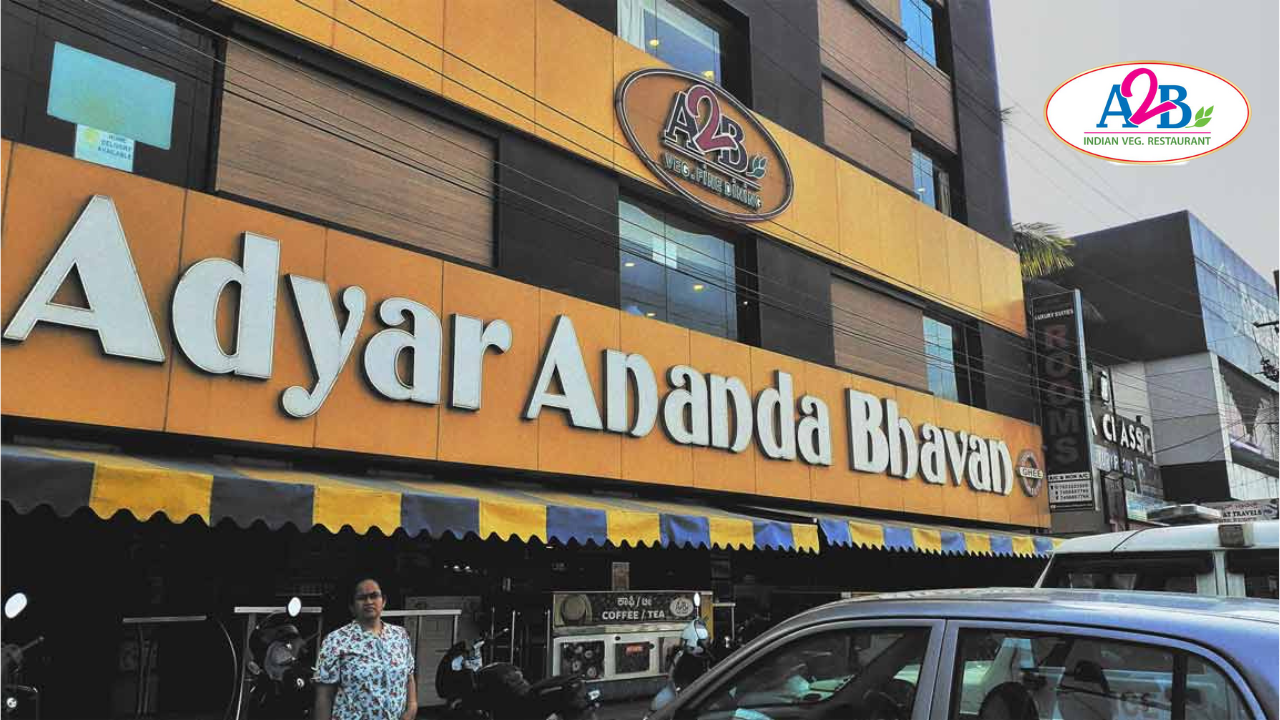
Chennai, India – What started as a humble sweet shop in a small Tamil Nadu village has now transformed into one of India’s most iconic vegetarian restaurant chains — Adyar Ananda Bhavan, popularly known as A2B. With over 200 outlets across India and a growing international presence, A2B’s journey is one of perseverance, family values, and a relentless commitment to taste and quality.

The roots of this cherished brand trace back to the 1970s, in Rajapalayam, a village nestled in southern Tamil Nadu. Faced with an unexpected natural disaster — a severe dust storm that ravaged their farmland — farmer Thirupathi Raja and his wife Muthu Lakshmi found themselves at a crossroads. With little left to lose and a passion to rebuild, the couple embarked on a new journey: the food business.

They established Guru Sweets, a modest sweet shop in Rajapalayam. Armed with traditional recipes and a deep understanding of local flavors, the shop quickly gained popularity for its mouthwatering wheat halwa, laddu, badusha, jahangir, and Mysore pak. The overwhelming response not only lifted their spirits but inspired them to dream bigger.

In 1978, Raja expanded operations to Bengaluru, launching Srinivasa Sweets. Once again, their devotion to quality and authenticity paid off, winning the hearts of customers in Karnataka’s capital. But the real turning point came in 1980, when Raja, alongside his son KT Venkatesan, opened Shri Anand Bhavan in Royapuram, Chennai.

This Royapuram shop laid the foundation for what would become the iconic Adyar Ananda Bhavan, a name now synonymous with tradition, taste, and trust.

A Sweet Evolution

Over the decades, the brand underwent a transformative evolution. Initially known for its delectable sweets and snacks, Adyar Ananda Bhavan diversified and adapted to changing customer needs. With a growing reputation and customer base, the brand made a strategic leap in the early 2000s — stepping into the full-service vegetarian restaurant business under the name A2B.

This move expanded A2B’s offerings significantly. From traditional South Indian tiffin items to rich North Indian gravies and popular Indo-Chinese delicacies, the menu reflected the diverse palates of Indian households. True to its roots, A2B never compromised on the essence of home-style cooking, making it a favorite among all age groups.

Master chefs from various regions were brought in to maintain authenticity across cuisines. This attention to detail and taste, combined with a warm, hygienic dining environment, positioned A2B as a go-to destination for families, travelers, and food lovers alike.

A Global Name, A Family Soul

What truly distinguishes A2B is its heart — the strong familial backbone that has guided the business across three generations. Today, around 15 family members from the Raja-Venkatesan lineage are actively involved in the enterprise, preserving the founder’s vision while steering the company towards modern growth.

From a single sweet shop in a remote village to a Rs 1,600+ crore turnover enterprise, A2B has redefined what it means to blend tradition with scalability. The brand now employs more than 15,000 people, offering livelihoods and growth opportunities across India and beyond.

Their global footprint includes outlets in the USA, UK, Malaysia, Singapore, Canada, and Australia, delighting NRIs and introducing international diners to the richness of Indian vegetarian cuisine. Even as the brand expands, it stays grounded in the principles of freshness, authenticity, and hospitality — values instilled by Thirupathi Raja and nurtured by his descendants.

In an era dominated by fast food and fleeting trends, A2B’s consistent focus on quality, service, and innovation has made it a timeless brand. The new generation of the Raja family continues to modernize operations with tech-enabled kitchens, streamlined supply chains, eco-friendly packaging, and a keen eye on sustainability — all while staying true to their culinary heritage.

A2B is more than just a restaurant chain. It is a cultural emblem of South Indian values, a testament to the resilience of Indian entrepreneurship, and a celebration of the flavors that connect generations.

Whether you’re enjoying a plate of piping hot pongal in Chennai, savoring a masala dosa in New York, or indulging in Mysore pak in Kuala Lumpur, A2B ensures that every bite carries with it a story — of grit, love, and the relentless pursuit of excellence.

About Adyar Ananda Bhavan (A2B)

Founded in the 1980s in Chennai, Adyar Ananda Bhavan (A2B) has grown from a traditional sweet and snacks shop to one of India’s leading vegetarian restaurant brands. With over 200 outlets across India and a growing global presence, A2B is committed to delivering authentic vegetarian cuisine, unmatched quality, and a delightful dining experience rooted in Indian tradition.

“From Delivery to Delight: How Zomato’s Flirty Notifications Are Winning Hearts”

Zomato

In an age where our phones are constantly buzzing with reminders, alerts, and updates, one brand continues to stand out—not just for what it delivers, but how it delivers it. Zomato, India’s leading food delivery platform, has carved out a niche not just with culinary excellence, but with a healthy serving of humor and charm.

In a recent interview, Zomato CEO Deepinder Goyal shed light on one of the app’s most distinctive user experience features: its cheeky, flirtatious push notifications.

“We’ve always believed that food is emotional, and so should be the way we talk about it,” Goyal explained. “A simple ‘Your order is on the way’ is functional. But a ‘Your paneer butter masala is blushing in the backseat’—well, that brings a smile, and that’s what we’re here for.”

From Functionality to Flirtation: The Origin Story

Push notifications in the tech world are often designed to be utilitarian. But Zomato decided early on that they wanted more than just utility—they wanted connection. What began as an experimental way to stand out in a crowded app market soon became a signature trait.

Zomato’s in-app notification writers (yes, they actually have a creative team for this) began infusing their messages with wit, humor, and a pinch of sass. Messages like:

  • “Are you ignoring your cravings again? Because they just texted us.”
  • “Your order is hot, just like you.”
  • “Your food is running faster than you did in the school race.”

These seemingly simple lines are a product of carefully curated creativity, balancing humor, relatability, and timeliness. What’s impressive is that these notifications have become more than just cute—they’ve become a brand signature.

A Deeper Strategy Behind the Wit

Goyal revealed that this quirky feature isn’t just for laughs—it’s part of a larger customer engagement strategy. “We’re competing for attention in a distracted world. When someone sees a Zomato notification, we don’t just want them to acknowledge it. We want them to feel something. A smirk, a chuckle, a craving—that emotional tug is what builds brand loyalty.”

It’s a technique rooted in behavioral psychology. In fact, Zomato’s marketing team collaborates with behavioral scientists to test how certain tones and phrases trigger positive responses. It turns out a humorous line can reduce perceived delivery time, increase app open rates, and even improve customer retention.

“This is about turning a wait into an experience,” said Goyal.

From Meme Culture to Marketing Gold

Zomato’s push notifications frequently go viral on social media. Screenshots of funny or flirty messages flood Twitter and Instagram, with users playfully tagging the brand and sharing their favorite lines.

“We’ve become part of meme culture,” noted a Zomato spokesperson. “People aren’t just reading these lines; they’re collecting them, posting them, laughing at them with friends. And that’s incredibly powerful.”

It’s a rare feat for a utility-based app to spark this kind of emotional and cultural resonance. But Zomato has managed to become not just a delivery service, but a daily companion—part food guide, part stand-up comic, part love guru.

Inside the Creative Kitchen

Zomato’s push notification team includes writers, pop culture experts, and humorists who meet weekly to brainstorm new ideas. They closely track trending topics, internet slang, and current events to keep the tone fresh and hyper-relevant.

But the process is no joke.

Every line undergoes rigorous A/B testing. The team checks not just for humor, but also sensitivity, diversity, and relevance. “We want to be witty, not offensive,” says one team member. “Our aim is always to uplift the mood, not to divide.”

Zomato also localizes its humor. Notifications differ from city to city, sometimes incorporating local language or cultural references. A customer in Mumbai might receive a message like, “Vada pav is on its way. Don’t let the rains steal your thunder,” while someone in Delhi might see, “Butter chicken is approaching—get your stretchy pants ready.”

Setting the Tone for the Industry

Zomato’s approach has now influenced competitors and brands beyond food delivery. E-commerce, ride-hailing, and even fintech apps are borrowing the idea of “personality-rich notifications.” But Zomato remains the trendsetter.

When asked about being copied, Goyal smiled: “We don’t mind. If it means more people are smiling when they look at their phones, that’s a good thing.”

The Future: More Than Just Food

Zomato is already experimenting with AI-generated messages based on user behavior, weather, and time of day. If it’s raining in your area, don’t be surprised to get a nudge that reads, “Perfect weather for momos and gossip—order now?”

There are also plans to allow users to select their preferred notification tone—whether they like their alerts funny, romantic, motivational, or plain and simple.

Air India Express to Go All-Economy from April 2025 Post AIX Connect Merger

Air India Express

Air India Express, a key player in India’s low-cost aviation sector and a part of the Tata Group, has announced a strategic overhaul of its aircraft configuration. Starting April 2025, the airline will begin reconfiguring its entire fleet to an all-economy class layout, aligning with its unified brand and service identity post-merger with AIX Connect

The move comes on the heels of the formal merger of Air India Express and AIX Connect on October 1, 2024, a milestone in Tata Group’s ambitious effort to consolidate its airline operations. The transition is expected to further streamline the group’s aviation business while offering a consistent and cost-effective flying experience to passengers across India and abroad.

Strategic Fleet Reconfiguration

The reconfiguration process, set to commence in April 2025, will involve retrofitting existing aircraft with a uniform economy-class cabin. This change will not only standardize passenger experience but also enable better operational efficiency and cost savings, key factors in the highly competitive low-cost carrier (LCC) market.

According to internal sources and a report by PTI, this decision has been taken to optimize capacity, reduce maintenance complexity, and better serve the price-sensitive traveler base that constitutes the airline’s core demographic.

“This fleet-wide reconfiguration is a significant step towards building a strong, unified low-cost carrier under the Tata umbrella,” said a senior executive at Air India Express. “With a simplified cabin layout, we will be able to offer better pricing, faster turnarounds, and a more seamless experience to our customers.”

Background: The Tata Group’s Aviation Restructuring

The Tata Group’s foray into consolidating its airline operations began soon after it regained control of Air India in January 2022. With four airlines under its belt — Air India, Vistara, Air India Express, and AirAsia India — the group initiated a comprehensive restructuring strategy.

The merger of Air India Express and AIX Connect (AirAsia India), completed in October 2024, marked a significant milestone in that journey. The newly merged entity retained the Air India Express brand and is positioned as the group’s flagship low-cost international and domestic carrier. Meanwhile, Air India and Vistara (whose merger is also in progress) will represent the full-service segment.

Benefits to Passengers and the Market

By shifting to a single-class economy model, Air India Express aims to:

  • Increase seating capacity per flight, making fares more competitive.
  • Simplify fleet operations, resulting in fewer aircraft variants and configurations.
  • Offer faster onboarding and deplaning, improving turnaround times.
  • Enhance customer service consistency across routes.
  • Support the growing demand for affordable air travel in India and the Middle East/Southeast Asia corridors.

This transformation is aligned with global best practices in the LCC industry, where simplified fleet and service models often translate into lower operational costs and better scalability.

Unified Brand Identity & Experience

As part of its post-merger identity, Air India Express has already rolled out a new livery, refreshed uniforms, and enhanced in-flight service protocols designed to reflect a modern, efficient, and guest-centric flying experience.

The airline is also investing in technology upgrades, including a revamped booking portal and mobile app, which will make ticketing, seat selection, and ancillary purchases more user-friendly and intuitive.

Managing Director Sunil Bhaskaran, of Air India Express, had earlier remarked:
“Our mission is to build a truly world-class, low-cost airline that not only connects India internally but also strengthens our footprint across key international markets. The merger with AIX Connect was a step in that direction, and the upcoming cabin reconfiguration further reinforces our commitment to operational efficiency and guest satisfaction.”

Future Outlook

The Indian aviation market continues to grow rapidly, driven by rising disposable incomes, improved regional connectivity, and increasing inbound/outbound travel demand. With this reconfiguration and merger consolidation, Air India Express is positioning itself to tap into this growth while keeping operations lean and customer-focused.

The airline currently operates over 300 daily flights across domestic and international routes, and with the simplified fleet model, it expects to add new routes and increase frequencies over the next two years.

Moreover, Tata Group’s broader strategy of bringing Air India (merged with Vistara) and Air India Express (merged with AirAsia India) under two distinct but synergistic brands will allow both segments to focus on their respective core audiences — premium full-service and budget-conscious travelers.

Discover Rajasthan – Where Royalty and Tradition Live Forever

Rajasthan

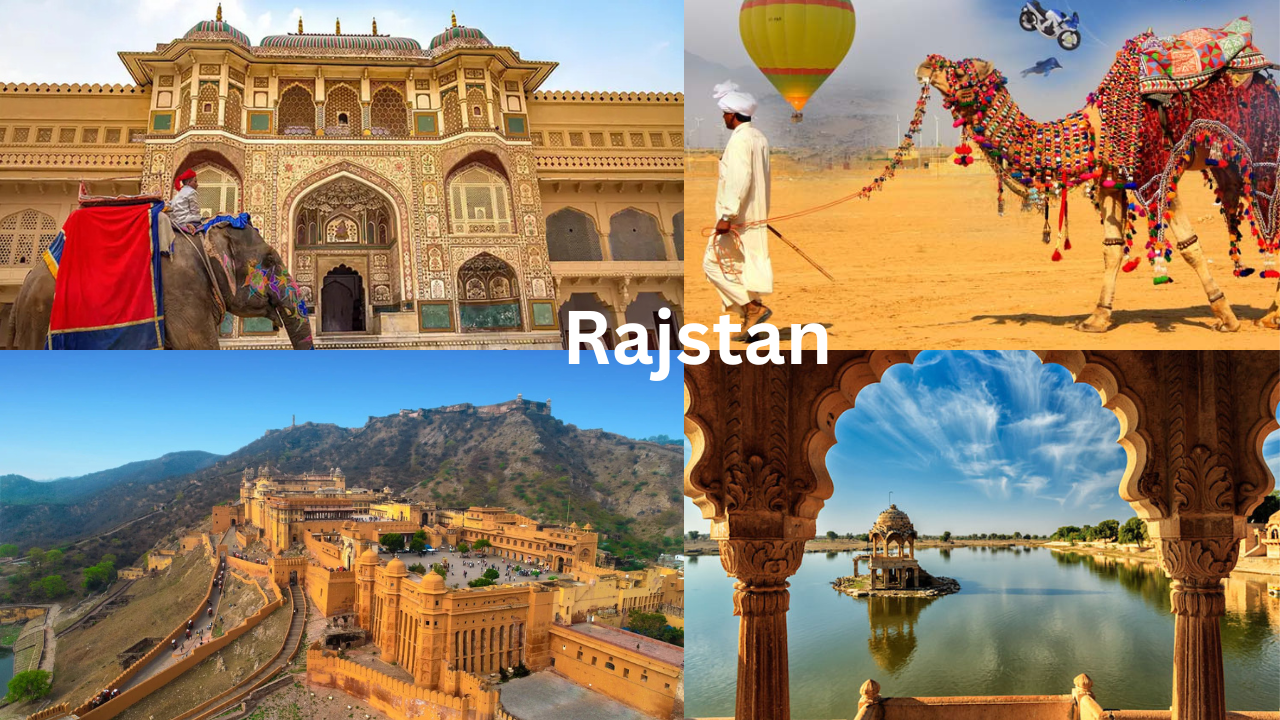
Rajasthan, India – Nestled in the vibrant heart of India lies Rajasthan, a land where history breathes through every grain of sand and every palace echoes with timeless tales of valor and sacrifice. Revered for its resplendent forts, majestic palaces, and the undying spirit of its people, Rajasthan is far more than a destination — it is an emotion felt deeply in the soul of every Indian and traveler who ventures into its warm embrace.

A Land Steeped in Heritage and Bravery

Rajasthan’s landscape is adorned with grand forts and royal palaces that stand as silent witnesses of an illustrious past. Each of these architectural marvels represents the bravery, wisdom, and chivalry that defined the rulers of this desert kingdom. From the imposing ramparts of Mehrangarh Fort in Jodhpur to the palatial grandeur of Udaipur’s City Palace, these monuments are much more than stone and mortar; they are storytellers of a bygone era where valor was a way of life. These forts and palaces whisper stories of kings and queens, battles fought with unmatched courage, and alliances forged with royal pride.

The Colors and Culture that Speak Louder Than Words

Rajasthan’s culture is as vivid and colorful as its deserts are vast. The vibrant hues of traditional clothing, intricate handicrafts, and the lively festivals capture the spirit of a state that celebrates life amid the challenges of nature. Its folklore, passed down through generations, keeps the region’s rich cultural tapestry alive.

The warmth of tradition is palpable. Whether it is the haunting melodies of Rajasthani folk songs played on ancient instruments or the mesmerizing dance forms like Ghoomar and Kalbeliya performed with graceful abandon, Rajasthan’s living culture enthralls visitors. These artistic expressions often tell stories of love, valor, and devotion, deeply rooted in the everyday lives of the people.

“Padharo Mharo Desh” — An Invitation to Belong

More than just a phrase, “Padharo mhare desh” is a heartfelt welcome that embodies the ethos of Rajasthani hospitality. The greeting, which translates to “Welcome to my land,” is an invitation that goes beyond the superficial. It calls upon visitors not merely to see Rajasthan, but to become a part of its enduring legacy. It is a promise of warmth, belonging, and shared stories waiting to be woven.

This spirit of hospitality extends from the bustling markets of Jaipur to the serene lakes of Udaipur and the vast Thar Desert, making every traveler feel at home. Whether savoring the rich flavors of traditional Rajasthani cuisine or experiencing a night beneath the glittering desert stars, guests encounter the authentic soul of Rajasthan.

A Desert of Endless Stories

Rajasthan’s Thar Desert is more than just an expanse of sand — it is a living chronicle of resilience, survival, and celebration. The desert gives rise to unique traditions, vibrant festivals such as the Pushkar Camel Fair and the Desert Festival in Jaisalmer, and lifestyles that reflect the intimate relationship between humans and their environment.

Even here, every grain of sand tells a story — of traders who crossed these lands centuries ago, of nomadic communities preserving ancient customs, and of artisans crafting exquisite jewelry, textiles, and pottery passed down through time.

Timeless Forts and Living Traditions

The state’s forts and havelis are not locked away relics but thriving centers of culture and heritage. Many have been transformed into heritage hotels, museums, and cultural hubs where visitors can experience history firsthand. Staying in these forts offers a glimpse of royal living, blending opulence with centuries-old customs.

The monuments themselves are masterpieces of Indo-Islamic, Rajput, and Mughal architecture, showcasing intricate stone carvings, mirror work, and frescoes that narrate stories of gods, kings, and common people alike. These sites invite visitors to connect to Rajasthan’s soul, to walk the corridors where history was made and continue to live the tales etched in their walls.

A Cultural Tapestry Woven into Every Indian Heart

Rajasthan is more than a geographical entity; it is intricately woven into the collective heart of India. Its influence resonates in Bollywood cinema, classical arts, and national festivals, reminding the country and the world of a heritage that is both regal and deeply human.

For generations, Rajasthan’s valor and vibrancy have inspired poets, artists, and travelers alike. The state signifies courage, resilience, and celebration — attributes that continue to define it even today. Its story is alive in the songs sung by folk artists, in the dances that narrate legendary battles, and in the smiles of its hospitable people.

Discover Rajasthan – Not Just a Place, But an Experience

Visitors to Rajasthan are invited not just to explore a state but to embark on a journey through time and tradition. To lose oneself in the blue hues of Jodhpur, to sail the tranquil waters of Udaipur’s lakes, to wander the pink city of Jaipur’s lively bazaars, and to traverse the golden sands of the Thar Desert – each experience is a chapter in the grand story of Rajasthan.

Come feel the warmth of its sunlit sands, hear the call of its timeless folk music, marvel at the grandeur of its palaces, and meet the people whose lives are bound with the soil beneath. Whether one seeks adventure, history, culture, or simply a sense of belonging, Rajasthan welcomes all with open arms and a promise that here, royalty and tradition never fade.

“ESCAPE”: The Indian Adventure Redefined – Discover A Country

ESCAPE

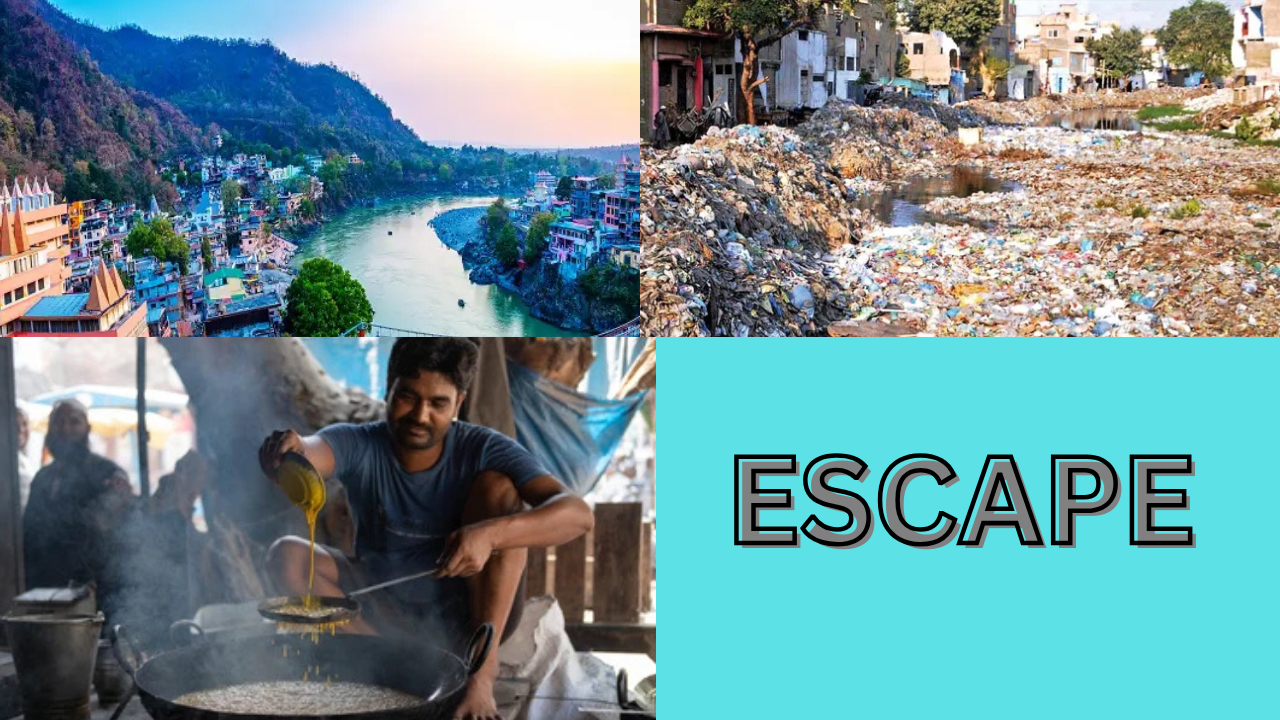
India—home to billions, land of the profound and the playful, the sacred and the cutting-edge. For too long, the world has known her only through fragments: bustling bazaars, bright saris, sunrise over the Taj Mahal. But India is much more than the sum of her stereotypes. With the launch of our “ESCAPE” campaign, wanderers near and far are invited to see past the clichés and experience India’s soul: a living, breathing mosaic of ancient temples and technological dreams, graceful traditions and progressive ambition, rhythm and resilience.

Breaking the Stereotype: India as a World of Living Contrasts

“India is not what the world assumes!” This is the promise at the heart of ESCAPE, a campaign built to challenge and change perceptions. While international imaginations conjure up visions of color-soaked revelry and crowded streets, true India is revealed only to those willing to look deeper—to the deliberate calm behind the commotion, the elegance beneath the energy.

Where else can you walk out of a centuries-old sacred temple and step into a world-class tech hub just blocks away? Every Indian city is a tale of contrasts: in Chennai, Carnatic musicians rehearse near IT parks that power global businesses; in Mumbai, street cricket games unfold beneath skyscrapers etched by world-renowned architects. The world’s largest democracy is a place where the future isn’t fought for—it’s folded gracefully into the past.

Beyond Color and Chaos: Embracing Grace, Depth, and Soul

India is often described as a feast for the senses. The fragrance of jasmine, the clang of temple bells, and the swirl of spices at every corner market. But these are simply the overture to her main act—her character. There is depth in every sunrise ritual at the Ganges and soul in quiet conversations at unpretentious tea stalls.

Grace is woven into the rhythm of daily life. It’s there in the measured steps of Rajasthani dancers and the wordless kindness shared with a stranger. Wanderers will find moments of unexpected serenity: in Himalayan monasteries where monks debate metaphysics, or in the delicate artistry of craftsmen whose skills are handed down through generations.

Innovation and Tradition: Where Old Meets Bold

What differentiates India is her ability to blend bold innovation with unshakable tradition. Bengaluru’s startups are inventing the next wave of global tech disruption, even as centuries-old yoga practices continue to heal and inspire millions. At every turn, there are new ideas blossoming alongside ancient customs—and you, the traveler, are invited to experience both.

Savor innovative cuisine where local flavors dance with global trends, stroll through ancient Mughal lanes before arriving at vibrant art galleries, and see for yourself how India thrives on continual renewal without forgetting her roots.

Introducing the ‘ESCAPE’ Campaign: Adventure for Every Dreamer

At the center of this new narrative is a simple promise: Text “ESCAPE” and we’ll send you the cheapest, most authentic way to start your Indian adventure—no fortune required.

What makes ESCAPE special?

  • Curated Value: Budget-friendly experiences showcase India’s best, from spiritual retreats to tech city tours, with all itineraries verified for quality and local impact.
  • Authentic Immersion: Opportunities to live with local families, try your hand at handicrafts, or join traditional celebrations for a deeper understanding of Indian life.
  • Tech-Powered Convenience: AI-driven services guide you through language, logistics, and discovery, ensuring your journey is smooth, safe, and personalized.
  • Sustainable Journeys: Every package prioritizes responsible travel—eco-friendly stays and meaningful support for local communities, so your presence is a gift, not a burden.

Social Media Gateway: Join a Thriving Global Adventure Community

Featuring real traveler stories, vibrant photography, and insider tips, our platform is more than a gallery—it’s a global conversation. Whether you’re inspired by a yogi’s dawn practice in Rishikesh or the midnight creativity pulsing through Mumbai’s arts district, ESCAPE brings the diverse heartbeats of India directly to your feed.

A Timeless Invitation Awaits

India’s story cannot be captured in a single postcard, photograph, or film. It is rhythm in motion, beauty evolving, and resilience tested daily. With the ESCAPE campaign, we extend more than just an invitation—we issue a call to adventure. Let go of assumptions, open your eyes (and heart), and step into a place where every day is unexpected, every encounter unique.

Join IIFA Multimedia Bangalore – Master Animation, VFX, Film, Fashion & More!”

IIFA Bangalore’s Premier Courses

Bangalore, India- IIFA Multimedia, one of India’s leading creative education institutes, continues to pave the way for aspiring professionals in animation, visual effects, game design, fashion, filmmaking, interior design, and multimedia. With over 30 years of academic excellence and global affiliations, the institution remains a top destination for students seeking industry-relevant education in the visual and applied arts.

Established in 1991 under the Lancaster Group of Institutions, IIFA multimedia is NAAC-accredited, AICTE-approved, and affiliated with Bangalore University, Bharathiar University, and Mysore University. It has also built global partnerships with prestigious institutions like Leeds Arts University (UK) and NABA (Italy), offering students international exposure and advanced learning opportunities.

Comprehensive Programs to Launch Creative Careers

IIFA Multimedia offers a diverse array of programs tailored to meet the needs of school graduates, working professionals, and international aspirants. These include:

  • Bachelor Degrees: BSc in Animation & Multimedia, Visual Communication, Game Design, Fashion, Interior Design, and more
  • Masters Programs: MSc in Animation, VFX, Game Design, Fashion, and Interior Management.
  • Diploma & Certificate Courses: In Animation, Game Design, VFX, UI/UX, Fashion, and Interior Design.
  • International Pathway Programs: Dual degrees and 3+1 pathways with UK and Italian universities.

Courses are structured by leading industry professionals and academicians, ensuring students are equipped with the latest tools, techniques, and trends in their respective fields.

World-Class Campus Facilities

IIFA’s campuses in Bangalore and Mysore are equipped with state-of-the-art facilities that support hands-on learning and creativity. These include:

  • Animation and VFX studios
  • Game design and web development labs
  • Fashion and interior design studios
  • Sound engineering and film editing labs
  • WiFi-enabled green campuses, digital classrooms, seminar halls, and in-campus hostel and cafeteria facilities

The institute also facilitates on-campus internships, placement support, industry visits, and creative workshops, enriching student experience and employability.

Placement Success and Career Guidance

IIFA Multimedia offers 100% placement assistance for all its programs. With a dedicated placement cell, the institute ensures students are career-ready through:

  • Resume and portfolio building workshops
  • Industry-based capstone projects
  • Interview and soft skill training
  • Campus recruitment drives

Top recruiters include Red Chillies Entertainment, Adobe, Amazon, Infosys, TCS, DreamWorks, Ogilvy, MPC, and many more. Graduates have received packages ranging from ₹3–4 LPA on average, with top offers reaching up to ₹20 LPA.

Dynamic Student Life

Student engagement at IIFA multimedia extends beyond academics, with vibrant activities like:

  • Annual fests, portfolio showcases, fashion walks, and exhibitions
  • International academic tours and exchange programs
  • Guest lectures, hackathons, and industry contest
  • Clubs focused on design, gaming, tech, and film

Admissions Now Open

Admissions for the 2025 academic year are currently open. The process includes:

  • Online/offline application submission
  • Academic document verification
  • Entrance test or interview (if applicable)
  • Merit-based selection for diploma and certification courses
  • Scholarships for eligible students

Course Durations:

  • Diploma/Certificate: 6 months to 1 year
  • Bachelor’s Programs: 3–4 years
  • Master’s Programs: 2 years
  • International Programs: 3+1 structure

How to Apply:

Prospective students can apply online at www.iifamultimedia.in or visit the campuses in Bangalore and Mysore. For more information:

  • Call: +91‑9845006824 / +91‑98045632009
  • Email: info@iifamultimedia.in / placements@iifamultimedia.in
  • Visit: 14/2, 5, Suvarna Jyothi Nagar, Jyothi Layout, Bhuvaneshwari Nagar, Nagdevanahalli, Bengaluru, Karnataka 560056

About IIFA Multimedia:

Since 1991, IIFA Multimedia has established itself as a pioneer in creative education in India. With internationally aligned curricula, a robust placement ecosystem, and cutting-edge facilities, IIFA stands at the forefront of nurturing the next generation of creative professionals.

Cristiano Ronaldo Passes Torch as Goncalo Ramos Shines in Portugal’s 6-1 World Cup Triumph Over Switzerland

Portugal’s 6-1 World Cup

Lusail, Qatar – In a landmark night for Portuguese football, the national team delivered a resounding 6-1 victory over Switzerland to secure a spot in the FIFA World Cup quarterfinals. Yet, the emphatic win was not marked by a familiar sight: Cristiano Ronaldo at the center of celebration. Instead, the night signaled a compelling new narrative for Portugal, with 21-year-old Goncalo Ramos stepping forward to lead the attack and announce himself on the world stage.

Portugal’s head coach, Fernando Santos, made the bold decision to start the match with Ronaldo on the bench. In his place, Ramos seized the opportunity, scoring an extraordinary hat trick — the first of the tournament — and powering Portugal to an unforgettable triumph. The young forward’s performance not only ignited the hopes of a nation but also prompted speculations about a new era for the national team.

As the final whistle blew at Lusail Stadium, Ronaldo displayed his trademark sportsmanship by making his way to midfield to congratulate Ramos on his phenomenal achievement. The moment was a symbolic passing of the torch, as the world’s spotlight shifted — even if just temporarily — from Portugal’s legendary number 7 to its promising new number 26.

Following the gesture, Ronaldo turned toward the Portugal supporters, pausing to acknowledge their steadfast encouragement throughout what has already been an emotional tournament. He applauded the fans, taking a brief moment to connect with those who have followed him through triumphs and trials alike.

In stark contrast to his teammates, who remained on the pitch to revel in the celebrations and bask in the fans’ adulation, Ronaldo quietly made his way toward the tunnel. He walked off the field alone, a solitary figure nonetheless embodying dignity and leadership as he gave space to the jubilant squad behind him. The moment stirred speculation about his thoughts and feelings, raising questions about his role in what remains of Portugal’s World Cup journey.

Despite the swirl of emotions, Ronaldo maintained a positive and composed demeanor as he passed through the post-match interview area. When asked if he was happy, the global superstar responded with a wide smile, exuding confidence and contentment. While he offered no further comments, his singular response hinted at deeper reflections on team success, the evolution of leadership, and the pride of seeing Portugal succeed — regardless of his own role on the pitch.

Portugal’s victory over Switzerland was more than a tactical masterstroke; it was a testament to a team’s collective strength and adaptability. The six-goal showcase highlighted the squad’s depth and versatility, while the emergence of Goncalo Ramos injected fresh energy and optimism into Portugal’s World Cup campaign.

Team captain and icon, Cristiano Ronaldo, remains an indelible figure in the team’s fabric and its storied history. His presence — whether on the field or in the locker room — continues to inspire both teammates and fans. While discussions about his starting role are inevitable, Ronaldo’s response on and off the field signals his unwavering commitment to the team’s ultimate goal: World Cup glory.

Head coach Fernando Santos remarked on the decision to start Ramos:
“We respect what Cristiano has done and continues to do for Portugal. Tonight, we made a tactical choice and Goncalo answered with an incredible performance. Our team is united, and Cristiano is a central part of our plans — whether leading from the field, the bench, or behind the scenes.”

For Goncalo Ramos, the match will be remembered as a defining moment, launching him into the global football spotlight with a breathtaking display of skill, composure, and ambition. Summing up the sentiment of the night, Ramos expressed gratitude for the guidance of teammates like Ronaldo:
“To wear this shirt and contribute to our success is a dream. Cristiano has been a role model for all of us. We want to go as far as possible, together.”

As Portugal eyes the quarterfinals, the nation finds itself in the enviable position of having both an enduring legend and a budding star among its ranks. For Ronaldo, who has carried Portugal through countless campaigns, this World Cup offers an opportunity to reflect on legacy and the joy of witnessing the next generation rise.

The solitary walk through the Lusail tunnel may have captured the attention of the world, but for Cristiano Ronaldo and the entire Portuguese squad, the journey is far from over. With renewed belief and unity, Portugal advances, poised to make history as individual brilliance blends seamlessly with collective ambition.