Tuesday, September 29, 2026
Home Blog Page 84

A New Chapter in Bengali Music with ‘Melody Plus’: Poushali’s Rendition of “O Amar Dorodi” Resonates in the Music World

Melody Plus

An Innovative Initiative by ‘Melody Plus’:
OTT Solutions Pvt. Ltd. has embarked on a unique journey to revive the nearly forgotten treasures of Bengali music through their new project, Melody Plus. With the aim of breathing new life into the rich heritage of Bengali songs by infusing them with a touch of modern music, Melody Plus marks a significant new beginning. As the first offering of this ongoing initiative, the timeless Bhatiali song “O Amar Dorodi” by folk poet Jasimuddin has been released.


Folk Music in a New Form:
The original lyrics of the song were penned by the legendary folk poet Jasimuddin and composed by pioneer of Bengali folk music Abbasuddin Ahmed. In this new version, the music has been rearranged by Kaustav Hait and Rudra Majumder, and vocals rendered by popular Bengali singer Poushali Banerjee. Antorip Adhikari handled the mixing and mastering. The entire production and digital distribution were managed by OTT Solutions Pvt. Ltd. The song has already topped multiple playlists across platforms.


Sudip Basu, founder of OTT Solutions, stated that their primary objective is to bring these invaluable songs—once lost from the mainstream—back to the lips of the people. Melody Plus is the embodiment of that ambition. This is how the music rooted in tradition must be brought to the modern generation.
To know more about other creative initiatives from OTT Solutions, visit us.

Link – https://www.youtube.com/watch?v=HY4JmJyJ85Q

“A Leader, A Legend, An Inspiration: Sunil Chhetri’s Enduring Legacy in Indian Football”

Sunil Chhetri

In a cricket-crazy nation, where football once struggled to find its space in mainstream conversations, one man rose through sheer grit, determination, and passion to not only lead but to inspire a football revolution. Sunil Chhetri, the face of Indian football, has become much more than just a player—he is a symbol of unwavering dedication, a record-breaking legend, and a beacon of hope for millions who dare to dream.

Over the course of a two-decade-long career, Chhetri has transformed Indian football’s identity on the global stage. With over 140 international caps and more than 90 international goals, he stands among the world’s top active international goal-scorers, rubbing shoulders with football giants like Cristiano Ronaldo and Lionel Messi. But beyond these statistics, Sunil Chhetri’s journey has been a story of leadership, humility, and relentless pursuit of excellence.

“Play for the Name on the Front, and They’ll Remember the Name on the Back.”

This quote perfectly encapsulates Chhetri’s philosophy. Every time he steps onto the field donning the Blue Tigers’ jersey, his heart beats not just for personal glory but for the crest he wears, for the dreams of a billion Indians, and for the future of Indian football. His relentless work ethic, coupled with a never-say-die attitude, has endeared him to fans and teammates alike.

Chhetri’s journey is an embodiment of the Indian sporting spirit. Born on August 3, 1984, in Secunderabad, his early years were filled with humble beginnings, where football was not seen as a viable career choice. But his passion never wavered. From local grounds to donning the national colours, his rise has been a testament to talent meeting hard work.

Breaking Records, Building Legacies

Sunil Chhetri’s illustrious career is decorated with milestones that have redefined Indian football. He is the most-capped Indian player, the all-time top goal scorer for India, and has played a pivotal role in India’s triumphs at tournaments like the SAFF Championship and the Intercontinental Cup. His consistency, even at the age of 39, is a blueprint for aspiring athletes on how discipline and dedication can extend sporting careers.

However, numbers only tell half the story. Chhetri’s influence goes far beyond the statistics. He has been the torchbearer for Indian football, often being the lone warrior carrying the nation’s hopes in international competitions. His famous viral video appeal in 2018, where he urged fans to come to stadiums and support Indian football, struck a chord nationwide, resulting in packed stadiums and a renewed interest in the sport.

A Leader On and Off the Field

Leadership comes naturally to Chhetri. Whether it’s rallying his teammates during tough matches or mentoring young talents in the dressing room, his presence is both calming and inspiring. He leads by example—always the first to arrive at training and the last to leave.

Off the field, Chhetri has taken on the mantle of a football ambassador, consistently advocating for the growth of the sport in India. His interactions with fans, thoughtful social media presence, and candid interviews reflect a man deeply committed to the game and the nation.

An Inspiration to Millions

For millions of Indian youngsters, Sunil Chhetri is more than just a footballer; he is a role model. His journey underscores that with passion and perseverance, one can overcome systemic challenges and still reach the pinnacle of success. From the bustling streets of Kolkata to the remote villages of Manipur, Chhetri’s story resonates with every dreamer.

He has also been a vocal advocate of fitness, professionalism, and sportsmanship. His influence has extended into building a positive sporting culture in India, where hard work and humility are celebrated alongside talent.

A Glorious Chapter, A Legacy Forever

As Sunil Chhetri inches closer to the twilight of his playing career, the Indian football fraternity, and indeed the entire nation, finds itself reflecting on his monumental contributions. While his boots may someday rest, his legacy will continue to inspire generations. His story is not just of goals scored or matches won—it’s about changing mindsets, igniting passions, and putting Indian football on the map.

What’s Next for Indian Football?

Chhetri’s greatest victory may not lie in personal accolades but in the seeds he has sown for the future. Today, thanks to his efforts, Indian football is witnessing a surge in grassroots participation, growing fan engagement, and increased investments in infrastructure. The Indian Super League (ISL) and other domestic tournaments are flourishing, creating pathways for young talents to dream big.

As India looks towards a brighter footballing future, Sunil Chhetri’s name will forever be remembered as the pioneer who led from the front—not just with his feet but with his heart.

Sunil Chhetri Said

“I don’t want anyone to remember me for the number of goals I scored. I want them to remember how I played, how I fought for the team, and how I made them fall in love with Indian football,” said Chhetri in a recent interview.

About Sunil Chhetri

Sunil Chhetri is an Indian professional footballer who plays as a forward and captains both the Indian national team and Bengaluru FC. He is India’s most-capped player and highest goal-scorer. A recipient of the Padma Shri and Arjuna Award, Chhetri continues to inspire and uplift Indian football to greater heights.

India Post Bids Farewell to Telegrams: End of a 50-Year Communication Legacy

India Post Bid

In a landmark decision that marks the end of a significant chapter in India’s communication history, India Post has officially announced the discontinuation of its iconic Telegram Service, a swift message delivery system that has served the nation for over five decades. Launched in the early 1970s, this special quick-mail system was a beacon of urgency and reliability, especially in an era when telephones were scarce, and digital communication was non-existent.

For generations of Indians, the telegram symbolized speed, trust, and authenticity. Whether it was a job appointment letter, government notice, exam result, or a family emergency, telegrams ensured that critical messages reached recipients swiftly and securely across vast distances. Its distinctive yellow form and prompt delivery mechanism became an integral part of India’s socio-cultural fabric, bridging the urban-rural divide with efficiency.

A Communication Lifeline in Pre-Digital India

At a time when personal telephones were a luxury, and postal letters took days, if not weeks, to deliver, the telegram stood out as a lifeline. Its importance was not merely logistical but deeply emotional. Families awaited telegrams with bated breath — they could bring joyous news of a promotion or marriage proposal, but they could also deliver somber news of bereavement. The words “Telegram aya hai” (a telegram has arrived) often sparked moments of anxiety or exhilaration in countless Indian households.

For the government, businesses, and educational institutions, telegrams were the preferred medium to dispatch urgent communications. Recruitment boards, examination authorities, and public sector organizations routinely relied on telegrams to inform candidates about job offers or interview schedules. It was the gold standard for urgent, official communication in an India where telecommunication infrastructure was still in its infancy.

Changing Times, Changing Technologies

However, as India embarked on its digital journey, the role of traditional communication mediums began to diminish. The advent of mobile phones, emails, and instant messaging apps transformed how Indians communicated. What once took hours or days could now be conveyed within seconds. With smartphones penetrating even the remotest corners of the country, the demand for telegrams steadily declined.

In recent years, the number of telegrams sent annually dwindled to a fraction of their historic volumes. Operational costs, coupled with declining usage, made the service increasingly unsustainable. While the emotional attachment to telegrams persisted, practical realities and technological advancements made its existence redundant in the fast-paced digital era.

A Respectful Farewell to a Trusted Companion

Announcing the discontinuation, a senior official from India Post stated, “The telegram service holds a special place in India’s communication legacy. It was more than just a medium; it was a symbol of trust, urgency, and connection. However, with the evolution of digital platforms, the service has seen a significant decline in relevance and usage. We are proud of the role telegrams have played, but it is time to move forward.”

The final date for the acceptance of telegrams has been set , after which the service will cease operations across the country. India Post has assured that all pending telegrams will be delivered with utmost priority and care, ensuring a dignified conclusion to this iconic service.

A Nostalgic Farewell

For millions, this announcement evokes a sense of nostalgia. The distinctive tap-tap sound of telegram machines, the hurried footsteps of telegram delivery staff, and the ceremonious way of reading out a telegram message are memories etched in the minds of an entire generation. It was not just a method of communication; it was an emotion — a tangible connection in a world yet to be digitized.

As India Post bids adieu to this venerable service, it also reaffirms its commitment to adapt and evolve with the changing communication landscape. “India Post has always been at the forefront of connecting people. While we honor our legacy, we are equally focused on embracing technological advancements to serve the modern needs of our citizens,” the official added.

Looking Ahead: India Post in the Digital Age

While the telegram service draws its final curtain, India Post continues its transformation journey. The organization has been proactively expanding its digital services, including the India Post Payment Bank (IPPB), e-commerce logistics, and digital financial inclusion initiatives. With an expansive network and renewed focus on technology-driven solutions, India Post aims to remain an integral part of India’s communication and logistics ecosystem.

The discontinuation of the telegram service is not an end, but a symbolic reminder of how far India has come in its communication journey — from hand-written letters and Morse-coded telegrams to high-speed internet and instant messaging apps. As the nation moves forward, the telegram will forever remain a cherished chapter in India’s rich tapestry of history and innovation.

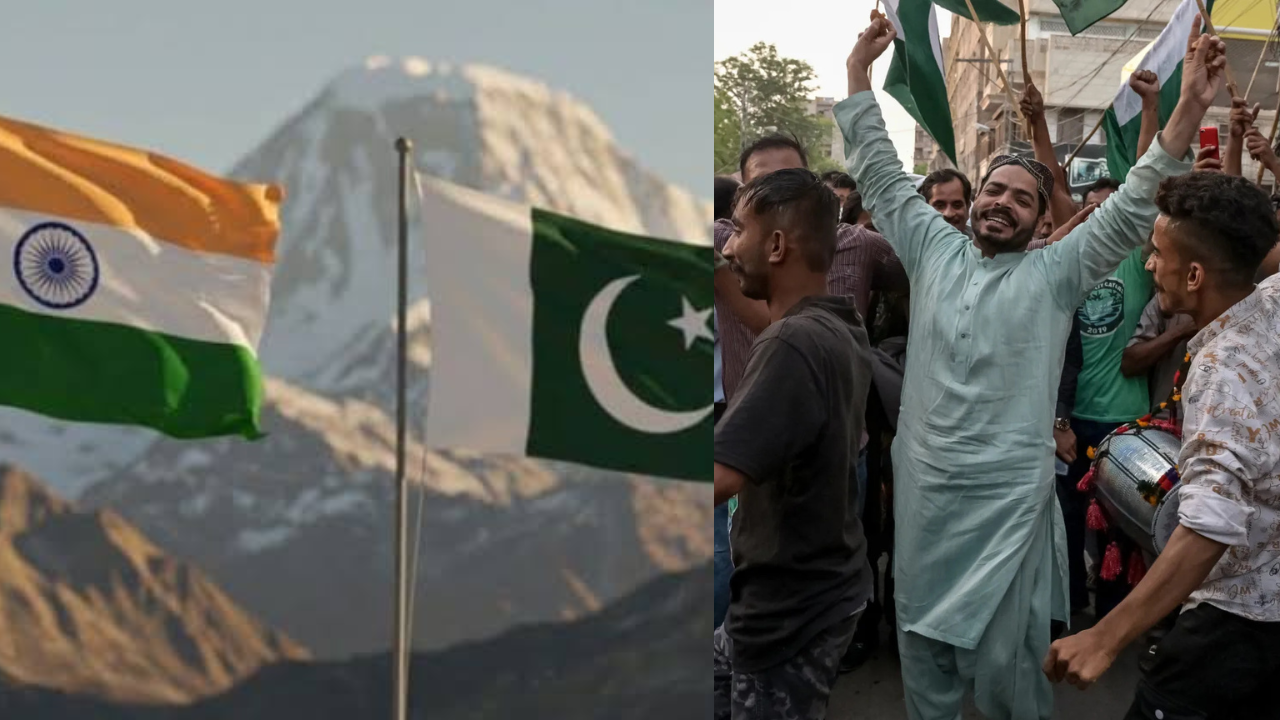
“India and Pakistan Agree to Immediate Ceasefire Amid Kashmir Escalation, Violations Reported”

Ceasefire

In a significant diplomatic development, India and Pakistan have agreed to an immediate ceasefire after several days of heightened military escalation along the Line of Control (LoC) in the disputed region of Jammu and Kashmir. The announcement comes as a much-needed relief to millions residing in the border areas who have been caught in the crossfire of artillery shelling and escalating hostilities.

However, the fragile truce appeared to face early challenges, with fresh reports of ceasefire violations emerging on Saturday. Residents in various sectors of Indian-administered Kashmir reported hearing loud explosions and heavy gunfire, raising concerns about the durability of the ceasefire agreement.

A Timely Diplomatic Breakthrough

The ceasefire announcement was made following backchannel diplomacy facilitated by senior military officials and diplomatic envoys from both nations. High-level talks, held discreetly over the past 48 hours, culminated in a mutual agreement to halt hostilities with immediate effect, aiming to de-escalate tensions that had reached alarming levels this week.

A joint statement issued by both countries read: “India and Pakistan have reaffirmed their commitment to adhere to the ceasefire agreement reached in November 2003 along the Line of Control and all other sectors. Both sides agreed to address each other’s core issues and concerns that have the propensity to disturb the peace and lead to violence.”

Tensions Escalated Over the Past Week

The ceasefire comes after a volatile week marked by intense cross-border shelling, drone intrusions, and reported civilian casualties on both sides of the LoC. Indian defense sources claimed that several Pakistani forward posts had engaged in unprovoked firing, targeting Indian military installations and civilian settlements. Pakistan, on the other hand, accused Indian forces of heavy shelling resulting in the deaths of multiple civilians in Pakistan-administered Kashmir.

The skirmishes had raised alarms within the international community, with the United Nations and major world powers urging both nations to exercise restraint and seek a peaceful resolution through dialogue.

Ceasefire Violations Reported Hours After Agreement

Despite the ceasefire agreement, sporadic incidents of shelling were reported in the Poonch and Rajouri districts of Jammu and Kashmir late Saturday evening. Local residents recounted hearing multiple blasts and intermittent gunfire throughout the night.

An Indian Army official, speaking on the condition of anonymity, stated: “We observed some ceasefire violations from across the border despite the agreement. Our forces exercised maximum restraint and responded in a controlled manner to ensure the situation does not escalate.”

Pakistani military spokesperson Major General Ahmed Sharif also acknowledged the incidents but blamed Indian forces for “deliberate provocations.”

Both sides, however, have maintained that mechanisms are in place to ensure the ceasefire holds and that field commanders have been instructed to maintain strict vigil and avoid escalation.

A Fragile Peace: Challenges Ahead

Analysts caution that while the ceasefire is a welcome move, its success depends on sustained dialogue and genuine efforts to address underlying disputes, particularly the long-standing Kashmir issue.

Dr. Ayesha Siddiqua, a strategic affairs expert, commented: “This ceasefire is a step in the right direction, but both nations must now engage in meaningful diplomatic engagements to ensure that these agreements translate into long-term peace. Without addressing core political grievances, such truces remain vulnerable to collapse.”

International Community Welcomes Move, Calls for Dialogue

The ceasefire agreement has been welcomed by the international community. The United Nations Secretary-General António Guterres expressed hope that the ceasefire will pave the way for broader peace talks.

In a statement, the UN said: “The Secretary-General welcomes the ceasefire agreement between India and Pakistan and urges both parties to build on this momentum to engage in sustained dialogue aimed at resolving their differences through peaceful means.”

The United States, European Union, and several Middle Eastern nations also issued statements lauding the ceasefire and called for continued diplomatic engagements between New Delhi and Islamabad.

Humanitarian Crisis in Border Villages

Meanwhile, the humanitarian situation in the border villages remains dire. Thousands of families have been displaced due to the ongoing shelling over the past week. Relief agencies and local administrations are working to provide essential supplies, but continuous hostilities have hampered their efforts.

Sarpanch Mohan Lal of a border village in Poonch said: “Our people are living in constant fear. Every time there is an agreement, we hope for peace, but violations shatter that hope. We appeal to both governments to ensure this ceasefire holds for the sake of innocent civilians.”

Looking Forward

As India and Pakistan navigate the complexities of this ceasefire, the world watches with cautious optimism. Both governments have an opportunity to de-escalate decades-old hostilities and prioritize the well-being of millions affected by the conflict.

The coming days will be critical in determining whether this ceasefire holds firm or falls prey to provocations and mistrust. Diplomatic channels are expected to remain active, with further meetings anticipated between key officials to establish confidence-building measures (CBMs) along the border.

For now, the ceasefire stands as a fragile yet significant step towards peace in a region yearning for stability.

Spain Targets Illegal Holiday Rentals in Landmark Move to Protect Residents and Curb Over-Tourism

Spain

In a landmark move aimed at tackling the housing crisis and curbing the adverse effects of over-tourism, the Spanish government has ordered global vacation rental giant Airbnb to remove nearly 66,000 property listings that violate national and regional housing regulations.

The directive, announced by Pablo Bustinduy, Spain’s Minister for Social Rights, Consumer Affairs, and the 2030 Agenda, comes as tensions flare across the country, with residents demanding urgent action to reclaim urban spaces increasingly dominated by short-term tourist accommodations.

“This is a decisive step in restoring balance to our cities and prioritizing the right to housing over speculative and unregulated tourist rentals,” Bustinduy stated. “The properties in question have breached various norms governing tourist-use housing, contributing to spiralling rental prices and the displacement of local residents.”

Mounting Pressure from Citizens and Local Authorities

The government’s clampdown follows a wave of protests against over-tourism, which has been reshaping Spain’s urban and island landscapes. Over the weekend, thousands of demonstrators took to the streets of the Canary Islands, voicing frustration over the unsustainable influx of tourists that has strained infrastructure, inflated housing costs, and disrupted community life.

Similar protests have erupted in cities like Barcelona, Madrid, Valencia, and Seville, where locals face mounting difficulties in securing affordable housing as properties are increasingly repurposed for short-term tourist rentals.

Housing affordability has now eclipsed unemployment and economic growth as Spaniards’ top concern, according to recent national surveys. The average rental prices in major cities have surged by over 30% in the past five years, forcing many families and young professionals to the urban periphery or into precarious housing conditions.

A Comprehensive Regulatory Crackdown

The move against Airbnb forms part of a broader strategy by the Spanish government to enforce existing housing laws and clamp down on illegal tourist accommodations. In collaboration with regional governments and municipal authorities, the Ministry for Consumer Affairs has identified tens of thousands of listings operating without the required permits, violating zoning regulations, or failing to comply with consumer protection standards.

“While tourism remains a vital pillar of Spain’s economy, it cannot come at the expense of our residents’ fundamental rights,” Bustinduy emphasized. “Platforms like Airbnb must operate within the legal frameworks that ensure fair competition, urban sustainability, and social cohesion.”

Airbnb has been given a deadline to comply with the delisting orders, failing which the company could face substantial fines and further legal action. Spanish authorities are also working on strengthening enforcement mechanisms, including digital monitoring and cooperation with tax agencies, to prevent future violations.

Airbnb’s Response and Industry Implications

In response to the government’s directive, an Airbnb spokesperson acknowledged the receipt of the removal order and expressed the company’s willingness to collaborate with Spanish authorities.

“We are committed to working with governments to ensure our platform supports responsible tourism and complies with local regulations,” the spokesperson said. “However, it’s crucial to strike a balance that also allows hosts to share their homes and benefit from tourism in a fair and regulated manner.”

The order is expected to send ripples across the short-term rental industry, with other platforms likely to face similar scrutiny. Analysts predict that stricter enforcement in Spain could set a precedent for other European nations grappling with housing crises exacerbated by unchecked tourist accommodations.

Political and Social Reactions

The government’s decisive action has been met with widespread approval from housing rights groups, urban planners, and community organizations who have long campaigned for stricter controls on short-term rentals.

“Today’s move is a victory for residents who have been fighting to reclaim their neighborhoods,” said María González, spokesperson for the advocacy group Right to Housing Now. “For too long, platforms like Airbnb have profited from regulatory loopholes while communities have paid the price through rising rents and social displacement.”

However, critics argue that a blanket removal of listings could hurt small-scale hosts who rely on short-term rentals for supplemental income, particularly in rural areas where tourism provides vital economic support. Industry associations have called for more nuanced regulations that differentiate between professional operators and individual homeowners.

Towards Sustainable Tourism and Housing Equity

The Spanish government has reiterated its commitment to developing a sustainable tourism model that aligns with the UN’s 2030 Sustainable Development Goals (SDGs), particularly those focused on sustainable cities, reduced inequalities, and responsible consumption.

“Our aim is not to wage war against tourism but to ensure it evolves in a way that is equitable and environmentally responsible,” Bustinduy noted. “Spain can and must lead the way in showing that tourism and housing rights are not mutually exclusive.”

As Spain braces for another record-breaking tourist season, the success of this regulatory crackdown could define the future of urban living in some of Europe’s most visited destinations. For millions of Spaniards, the message from Sunday’s protests and the government’s response is clear: the right to a home is non-negotiable.

“Simplify or Suffer: Pushpa Girimaji Urges Insurers to Use Clear Language to Cut Customer Complaints”

Pushpa Girimaji

Insurance companies must adopt clear, concise, and straightforward language in their policy documents to bridge the trust gap with customers and reduce the rising number of complaints, emphasized Pushpa Girimaji, a prominent consumer affairs expert and a member of the Insurance Regulatory and Development Authority of India (IRDAI)’s Insurance Ombudsman Advisory Committee.

Speaking at an industry roundtable on “Improving Transparency in Insurance Communications” held in New Delhi today, Girimaji called upon insurers to move away from complex legal jargon and prioritize customer understanding while drafting policy terms and conditions. She highlighted that a significant portion of policyholder grievances stem from misunderstandings arising due to ambiguous and complicated policy wordings.

“A large number of complaints reaching the Insurance Ombudsman are not about fraudulent practices, but about miscommunication and misunderstanding of what is covered and what is excluded,” said Girimaji. “Policyholders often feel deceived when claims are denied, simply because they did not fully understand the fine print. Simplifying language is the first step towards reducing such friction.”

Growing Concern Over Rising Customer Complaints

India’s insurance sector has witnessed robust growth in recent years, with both life and general insurance segments expanding their reach among the population. However, this growth has also seen a corresponding rise in customer grievances. According to IRDAI’s annual report, over 2.5 lakh complaints were registered in 2024-25 through various channels, with issues related to policy wording and claim denials forming a considerable chunk.

Girimaji pointed out that while the Insurance Ombudsman mechanism has been instrumental in offering policyholders a cost-free, impartial grievance redressal platform, the root cause of many disputes remains preventable.

“It is ironic that we have policies meant to provide peace of mind, yet their complexity often results in confusion, anxiety, and frustration for consumers. Insurers must see this as an urgent call for reform,” she added.

IRDAI’s Push for Customer-Centric Communication

The IRDAI has been consistently advocating for improved customer-centric practices among insurers. The regulator’s recent guidelines on “Product Filing Procedures” mandate insurers to ensure that the policy documents are ‘simple, precise, and easy to understand’. However, Girimaji noted that mere regulatory directives are not sufficient unless companies embrace transparency as a core business philosophy.

“Simplifying documents should not be treated as a compliance checkbox. It needs to be part of an insurer’s commitment to customer welfare,” she said. “Training agents, improving disclosure norms, and adopting visual aids like infographics for explaining key policy features are some of the measures insurers can adopt to make policies more accessible.”

Industry Leaders Acknowledge the Challenge

Senior representatives from leading insurance companies, consumer rights groups, and regulatory bodies attended the roundtable discussion. Many industry leaders echoed Girimaji’s sentiments, acknowledging that technical language and legal complexities in policy documents often act as barriers to customer trust.

Rajesh Kapoor, CEO of Bharati Insurance Co., admitted, “As an industry, we are guilty of using dense legal language in our policy wordings. While this might protect the insurer from legal ambiguities, it alienates the customer. We are now working on a ‘Plain Language Initiative’ where every policy document will be accompanied by a one-page summary in layman’s terms.”

Similarly, Meera Sinha, Head of Customer Experience at SafeLife Insurance, shared that her company has already started conducting focus groups with policyholders to test the readability of their insurance documents. “We realized that simplifying our communication is not just a regulatory obligation, but a competitive advantage. Customers value clarity,”.

A Call to Action for Insurers

Girimaji also proposed a collaborative approach where the IRDAI, insurers, and consumer organizations work together to develop standard best practices for drafting policy documents.

“We need sector-wide benchmarks on language clarity. Perhaps, a certification system that labels policies as ‘Consumer-Friendly’ could motivate companies to focus on this aspect,” she suggested.

She further recommended that insurers adopt technology-based solutions such as interactive policy explainers, mobile-friendly summaries, and AI-driven customer support to assist customers in understanding their coverage.

The Road Ahead

With India’s insurance penetration still below the global average, building consumer trust remains crucial for the industry’s sustained growth. Simplifying policy documentation is a foundational step towards this goal.

Girimaji concluded her address by emphasizing that transparency, clarity, and honesty are non-negotiable if the insurance industry seeks to transform from a transaction-driven business to a trust-driven service.

“The moment of truth for any insurer is the claim settlement process. A customer’s experience there will determine their faith in the brand and the sector at large. It’s high time we ensure that no customer is blindsided by the fine print,” she asserted.

The roundtable ended with a consensus among all stakeholders to prioritize customer-first communication strategies and foster a transparent ecosystem that benefits both the industry and its customers.

Myntra to Launch Abercrombie & Fitch and Hollister in India Under New Franchise Agreement

Myntra

American lifestyle retailer Abercrombie & Fitch Co. (NYSE: ANF) today announced a landmark multi-year franchise agreement with Myntra Jabong, the business-to-business wholesale arm of India’s leading fashion and lifestyle platform, Myntra. This strategic collaboration marks Abercrombie & Fitch Co.’s formal entry into the fast-growing Indian fashion market, further strengthening the brand’s global footprint.

The partnership will introduce Abercrombie & Fitch Co.’s portfolio of iconic brands—Abercrombie & Fitch, abercrombie kids, and Hollister Co.—to the Indian consumer through Myntra Jabong’s robust omni-channel distribution network, including online platforms and select physical retail locations across key cities.

A Milestone for Abercrombie & Fitch’s Global Expansion

With a legacy of more than 130 years, Abercrombie & Fitch Co. is globally renowned for its timeless American style and high-quality apparel. The company’s entry into India aligns with its broader international expansion strategy, targeting high-potential markets with a growing base of digitally-savvy, fashion-forward consumers.

“We are excited to partner with Myntra Jabong, a leader in India’s fashion and lifestyle ecosystem, to bring Abercrombie & Fitch Co.’s brands to one of the world’s most dynamic consumer markets,” Fran Horowitz, CEO of Abercrombie & Fitch Co. said. “This collaboration allows us to connect with a new generation of Indian customers who value premium quality, casual luxury, and authentic brand experiences.”

Why India? A Market Ripe with Opportunity

India’s fashion and lifestyle sector is witnessing exponential growth, driven by a young population, rising disposable incomes, and an increasing affinity for international brands. With over 65% of its population under the age of 35 and a booming e-commerce landscape, India represents a key strategic market for global fashion retailers looking to scale.

“Myntra’s deep understanding of Indian consumers, combined with their tech-driven approach to fashion retail, makes them the perfect partner for Abercrombie & Fitch Co. as we enter this new chapter,” added Horowitz. “Our shared commitment to customer-centricity and innovation will ensure that we deliver an exceptional brand experience across all touchpoints.”

Myntra Jabong: A Gateway for Global Brands in India

Myntra Jabong, a subsidiary of Walmart-owned Flipkart Group, has established itself as a premier partner for global fashion brands seeking to enter and scale in India. With a proven track record in brand-building, robust B2B capabilities, and a comprehensive online-to-offline (O2O) strategy, Myntra Jabong offers an unparalleled platform for Abercrombie & Fitch Co. to engage with Indian consumers.

Speaking on the partnership, Nandita Sinha, CEO of Myntra, said, “We are thrilled to welcome Abercrombie & Fitch Co. to our portfolio of global brands. This partnership reflects our commitment to bringing the best of international fashion to India. Abercrombie & Fitch, abercrombie kids, and Hollister Co. are brands that resonate strongly with India’s young, aspirational consumers who seek premium, trend-forward, and high-quality products. We look forward to co-creating an exciting brand journey for them in India.”

Multi-Channel Presence: Online & Offline

The partnership will see the launch of Abercrombie & Fitch Co.’s brands on Myntra’s e-commerce platform, which attracts over 50 million monthly active users. Additionally, Myntra Jabong will explore opportunities for exclusive brand outlets (EBOs) and experiential pop-up stores in key metropolitan cities, ensuring a seamless blend of digital convenience and offline brand engagement.

The launch will also be accompanied by localized marketing campaigns, influencer collaborations, and customized product assortments curated specifically for Indian tastes and preferences.

A Focus on Sustainable and Inclusive Fashion

In line with Abercrombie & Fitch Co.’s global sustainability goals, the India partnership will emphasize responsible sourcing, sustainable materials, and eco-friendly packaging. The brand will also leverage Myntra’s initiatives in inclusive sizing and gender-neutral fashion to ensure its offerings cater to a diverse consumer base.

Looking Ahead: A Long-Term Vision

This partnership marks just the beginning of Abercrombie & Fitch Co.’s long-term vision for India. Both companies have expressed their commitment to deepening the collaboration through expanding product categories, exploring omni-channel innovations, and co-developing unique customer experiences that set new benchmarks in the Indian fashion industry.

“This is more than just a market entry—it’s about building a meaningful and lasting brand presence in India,” said Horowitz. “Together with Myntra Jabong, we are committed to redefining the way Indian consumers experience global fashion.”

Abercrombie & Fitch Co.
Abercrombie & Fitch Co. (NYSE: ANF) is a leading, global specialty retailer of apparel and accessories for men, women, and children through five renowned brands: Abercrombie & Fitch, abercrombie kids, Hollister Co., Gilly Hicks, and Social Tourist. The company’s purpose is to be there for its customers on the journey to being and becoming who they are.

Myntra Jabong
Myntra Jabong, the B2B wholesale arm of Myntra, is part of the Flipkart Group and is one of India’s leading platforms for fashion and lifestyle products. Myntra Jabong partners with global brands to enable their expansion in India through a full-stack business model encompassing marketing, distribution, retail operations, and customer engagement.

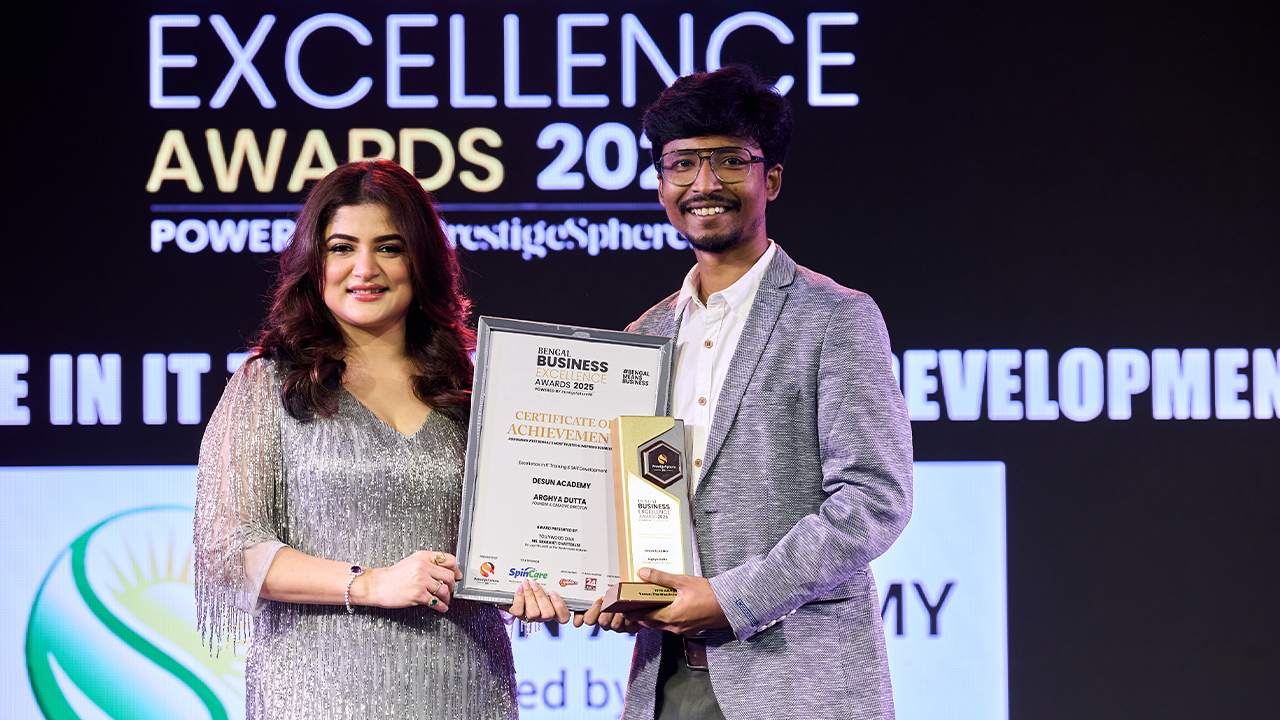
Arghya Dutta of Desun Academy Honoured with Bengal Business Excellence Award 2025 for Excellence in IT Training & Skill Development

Arghya Dutta

Kolkata, July 2025 — In a grand celebration of entrepreneurship, innovation, and social impact, Mr. Arghya Dutta, Founder & Creative Director of Desun Academy, was awarded the Bengal Business Excellence Award 2025 in the category of Excellence in IT Training & Skill Development. The event, organised by PrestigeSphere PR, brought together Bengal’s most dynamic business leaders and change-makers for a night of recognition and inspiration.

Hosted at one of Kolkata’s most prestigious five-star venues, the evening was made even more special by the presence of renowned actress Srabanti Chatterjee, who graced the event as the Chief Celebrity Guest and personally presented the awards. Anupam Halder, serving as the Guest of Honour, delivered an inspiring address to the awardees and audience alike.

The ceremony was powered by SpinCare, a leading premium laundry and dry-cleaning brand, as the Title Sponsor. The event was supported by an influential network of partners:

  • Radio Partner: 91.9 Friends FM
  • TV Media Partner: 24Hrs TV Channel
  • Digital Media Partner: Anandabazar.com
  • Styling Partner: The Cosmos
  • Event Partner: Eventmas

Together, these collaborations ensured that the event resonated widely across platforms, celebrating Bengal’s brightest talents and most purpose-driven ventures.

Desun Academy: Placing Skills Before Degrees

In the fast-evolving world of technology, where demand for skilled talent far outpaces supply, Desun Academy has emerged as a beacon of hope for aspiring IT professionals. Born in the heart of Kolkata’s tech corridor, the academy was not the result of a business plan—but a powerful realisation.

As the founder of Desun Technology Pvt. Ltd., Arghya Dutta had interviewed hundreds of graduates from B.Tech, BCA, and MCA backgrounds, only to reject most of them—not due to a lack of passion, but due to a lack of industry-ready skills. That recurring gap gave birth to a new mission.

In 2023, Mr. Dutta launched Desun Academy, a training initiative committed to doing one thing right: preparing learners not just to earn certificates, but to get hired.

From Frustration to Revolution

What began as a bootstrapped experiment is now one of Kolkata’s most trusted and award-winning skill development platforms. Desun Academy specializes in transforming freshers, career-switchers, and self-learners into confident full-stack developers, UI/UX designers, and digital marketers—with real portfolios, internships, and job offers in hand.

The academy offers cutting-edge programs including:

  • UI/UX Design with AI
  • Graphic Design
  • MERN Stack Development
  • Digital Marketing with AI Integration

What sets Desun apart is its project-based, job-oriented training model. Every course is practical, mentorship-driven, and focused on building real-world capabilities that recruiters actively seek. In just 4 months of hybrid classroom training, students are given access to real internship opportunities and AI-powered tools that equip them for salaries ranging from ₹30,000 to ₹60,000/month, often without applying through traditional job portals.

A Founder Who Leads from the Front

The driving force behind Desun Academy is Mr. Arghya Dutta, a visionary with over 12 years of experience in IT services and product development. Unlike conventional educators, Arghya brings the perspective of a working developer, product manager, and tech entrepreneur—ensuring the curriculum always mirrors what the industry actually needs.

His unique combination of industry expertise, mentorship style, and commitment to student transformation has made Desun Academy not just a training institute, but a launchpad for careers.

“Our mission is simple,” says Arghya. “We don’t train to impress; we train to place. If a student walks in confused and walks out confident, our job is done.”

This people-first approach has turned Desun into a brand with credibility, relatability, and results.

A Moment of Recognition and Purpose

Being honoured with the Bengal Business Excellence Award 2025 for Excellence in IT Training & Skill Development marks a defining milestone for Desun Academy. It recognizes not just the quality of training, but the impact it has created—hundreds of lives changed, careers launched, and futures secured.

Accepting the award, Mr. Dutta remarked, “This recognition isn’t just for me—it’s for every student who took a leap of faith, every mentor who stayed back an extra hour, and every dream we helped make real. Our journey is far from over. We’re just getting started.”

For more information about Desun Academy’s programs, visit their official website https://desunacademy.in/

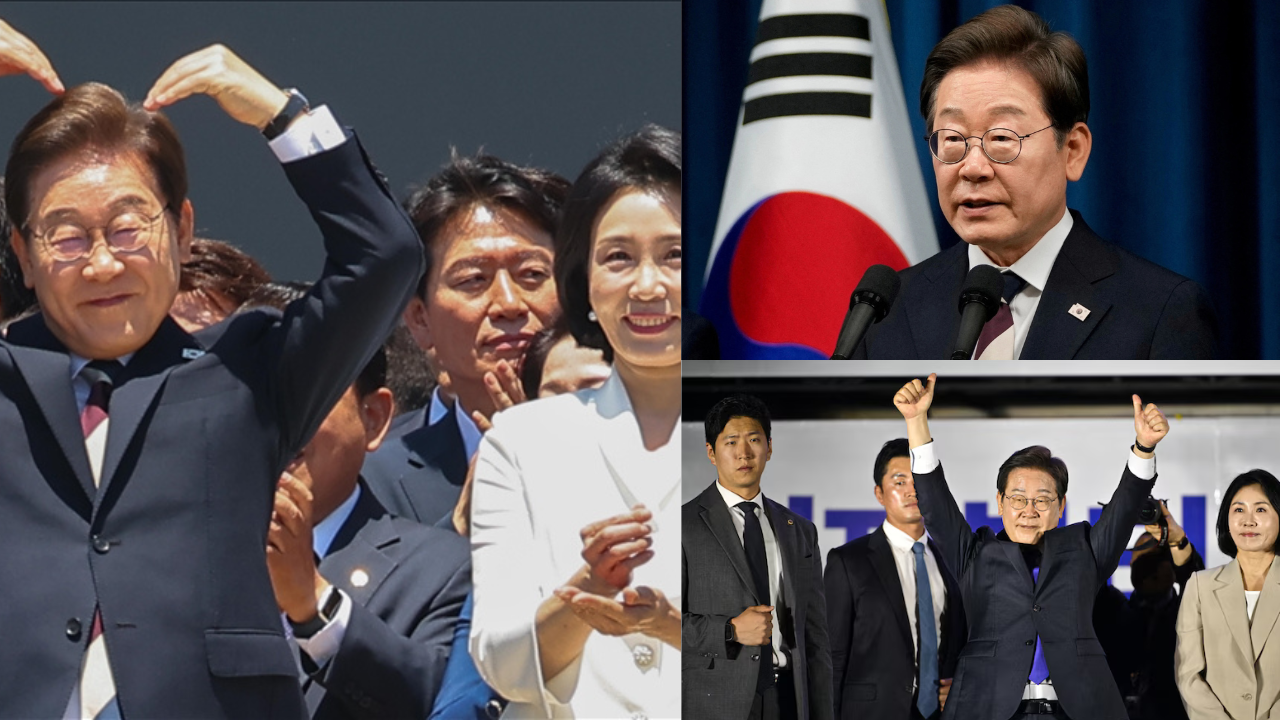
“Lee Jae-myung Elected President of South Korea, Vowing to Heal Nation After Impeachment Crisis”

Lee Jae-myung

In a historic election that marks a new chapter for South Korea’s democracy, opposition candidate Lee Jae-myung of the Democratic Party has emerged victorious, becoming the country’s next President. Lee’s win follows months of political upheaval after the impeachment of former President Yoon Suk Yeol, in an election that has been widely regarded as a referendum on stability, governance, and public trust.

Lee’s rival, Kim Moon-soo of the People Power Party, conceded defeat in the early hours of Wednesday, addressing supporters and media in a brief but gracious speech. “The people have spoken decisively,” Kim said. “I congratulate President-elect Lee Jae-myung and wish him wisdom in leading our nation out of these turbulent times.”

Millions of South Koreans cast their votes on Tuesday in a snap presidential election necessitated by Yoon Suk Yeol’s impeachment, following his controversial attempt to invoke martial law during a national security drill gone awry in December. The scandal not only dismantled Yoon’s presidency but also left the nation grappling with mass protests, a crisis of political confidence, and deep societal divisions.

A Nation’s Choice for Stability and Reform

Lee Jae-myung’s victory is seen as a clear mandate for change. A seasoned politician known for his progressive stance on economic equity, social welfare, and transparency, Lee campaigned on a platform of “restoring public trust in democracy” and “healing the wounds of impeachment politics.” His campaign resonated particularly with younger voters and urban populations disillusioned by the recent chaos.

“This election was not just about choosing a new president,” Lee said in his victory speech to a sea of supporters gathered in Seoul’s Gwanghwamun Square. “It was about defending our democracy, reaffirming the power of the people, and turning the page on a painful chapter. I stand before you not as a victor, but as a servant of the people’s will.”

Lee emphasized his priorities of economic revitalization, judicial reforms, and reunifying a polarized society. His campaign promised swift action to rebuild institutional integrity, especially in the military and executive branches, which were tainted by Yoon’s failed bid to concentrate power.

Impeachment Fallout Shapes the Ballot

The election was overshadowed by the aftermath of Yoon Suk Yeol’s impeachment, which unfolded over a series of dramatic weeks earlier this year. Yoon’s administration collapsed following revelations that he had attempted to impose emergency rule under the guise of a military exercise, a move that many saw as an unconstitutional power grab.

Public outrage sparked mass demonstrations across South Korea, echoing the historic Candlelight Protests of 2016 that led to the ouster of President Park Geun-hye. This political turbulence necessitated an expedited election, compressing a typically year-long campaign into mere months.

Voter turnout was notably high, with over 78% participation, reflecting the public’s determination to assert democratic norms amid political instability.

Regional and Global Implications

Lee Jae-myung’s ascent to the presidency is expected to bring shifts in South Korea’s foreign policy, especially concerning inter-Korean relations and ties with the United States and China. During his campaign, Lee advocated for a “balanced diplomacy” approach, emphasizing dialogue with North Korea while maintaining strong defense alliances.

Global leaders extended their congratulations, with the U.S. State Department releasing a statement commending South Korea’s “resilient democratic process”. Japanese Prime Minister Fumio Kishida expressed hope for “renewed collaboration on regional security and economic challenges.”

A Pivotal Moment in South Korea’s Democratic Journey

Political analysts are calling Lee’s victory a “turning point in South Korean democracy”, emphasizing that the peaceful transfer of power after such a contentious impeachment is a testament to the country’s institutional resilience.

“South Korea has once again demonstrated that its democratic institutions, while tested, are robust and capable of self-correction,” said Dr. Han Min-soo, a political science professor at Seoul National University. “Lee Jae-myung’s administration faces daunting challenges, but the people have shown they are ready for a new era of accountable governance.”

Moving Forward: President-elect Lee’s Immediate Challenges

As Lee prepares for his official inauguration next month, his administration will confront immediate challenges, including:

  • Restoring public faith in political institutions
  • Addressing economic disparities exacerbated by political instability
  • Overseeing reforms in military oversight and civil governance
  • Managing delicate diplomatic engagements amidst shifting geopolitical tensions

Lee concluded his speech with a message of unity: “Let us heal, let us rebuild, and let us move forward together. The power of South Korea lies not in its leaders, but in the collective will of its people.”

The nation now awaits the dawn of a new political chapter under Lee Jae-myung’s leadership, with hopes of stability, reform, and a restored democratic spirit.

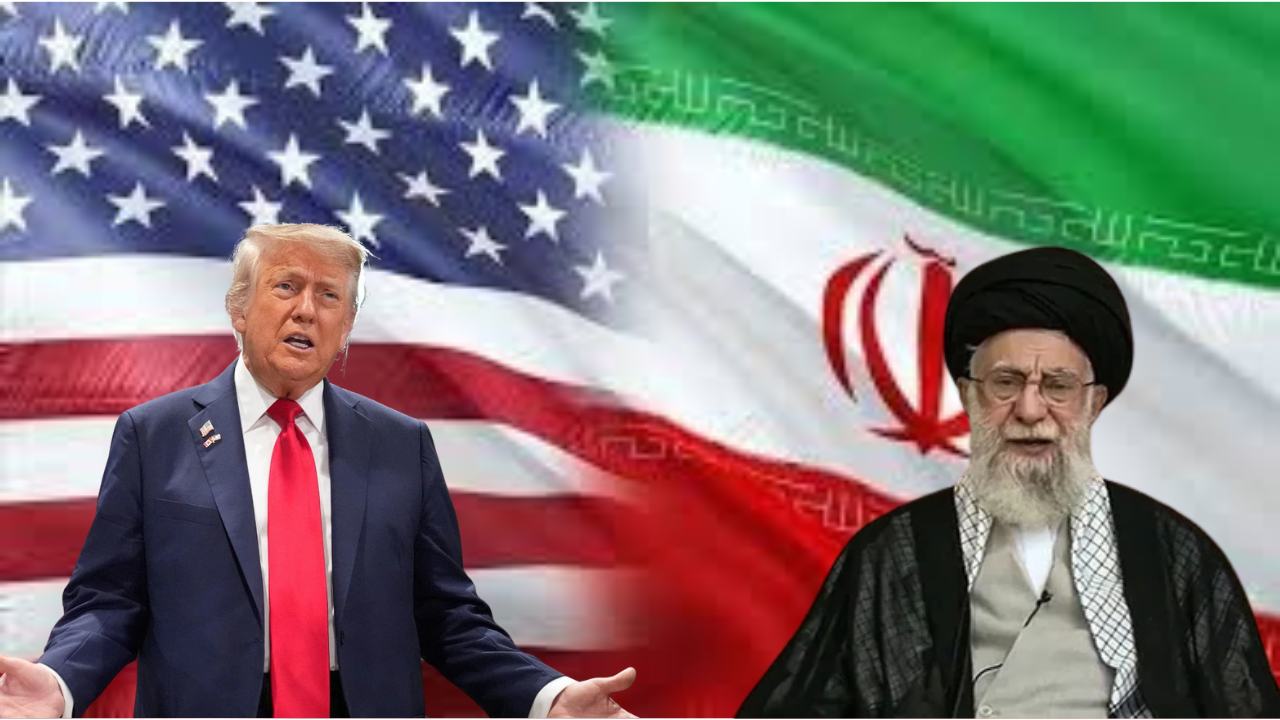
Iran Dismisses Trump’s Claim of Seeking Nuclear Talks with the U.S.

Nuclear

The Iranian government has categorically denied claims made by U.S. President Donald Trump regarding Iran’s alleged request for negotiations over its nuclear programme. In a statement issued on Tuesday, Iranian Foreign Ministry spokesman Esmaeil Baghaei clarified that Tehran has made no such overtures to Washington, directly contradicting remarks made by President Trump a day earlier.

Speaking to reporters, Baghaei stated, “No request for a meeting has been made on our side to the His comments were disseminated through Iran’s Tasnim News Agency and have since been echoed by various state-affiliated media outlets, signaling Iran’s official position on the matter.

This denial comes in response to President Trump’s assertion during a dinner meeting at the White House with Israeli Prime Minister Benjamin Netanyahu. At the high-profile event, Trump claimed that Iran was “actively seeking negotiations” to forge a new nuclear deal in the aftermath of last month’s 12-day conflict involving Iran, Israel, and, reportedly, limited U.S. military participation.

Trump’s Statement Sparks Diplomatic Stir

On Monday evening, while addressing a gathering of American and Israeli officials, President Trump remarked, “Following the recent conflict, Iran is now coming to us, wanting to negotiate a new nuclear deal. They understand that their aggressive posturing will not be tolerated, and they are seeking a new path forward.”

The President’s remarks were met with immediate international attention, sparking speculation over a potential thaw in relations between Washington and Tehran, which have been strained since the U.S. unilaterally withdrew from the Joint Comprehensive Plan of Action (JCPOA) in 2018.

However, Iran’s swift rebuttal has once again highlighted the deep mistrust between the two nations and the complex geopolitical dynamics of the Middle East.

Iran’s Position: “No Dialogue Under Pressure”

Foreign Ministry spokesman Baghaei underscored Iran’s longstanding position that dialogue and diplomacy cannot proceed under conditions of external pressure or military threats. “The Islamic Republic of Iran has always maintained that meaningful negotiations are only possible within a framework of mutual respect and without coercion,” he said.

Baghaei further emphasized that the recent conflict with Israel, and the subsequent involvement of U.S. forces, has only deepened Iran’s skepticism about Washington’s true intentions. “Any assumption that Iran would seek negotiations from a position of weakness, especially after a military confrontation, is a miscalculation,”.

Background: Rising Tensions After 12-Day War

The diplomatic spat comes on the heels of a brutal 12-day military conflict between Iran and Israel, which reportedly saw U.S. forces providing strategic support to Israeli operations. The war, which resulted in significant casualties and infrastructure damage on both sides, marked one of the most intense escalations in the region in recent years.

While a fragile ceasefire is currently in place, tensions remain high, with both nations accusing each other of violations. In this context, Trump’s statements about potential negotiations were seen by many as an attempt to project diplomatic progress amidst an increasingly volatile scenario.

International Reactions: Allies Urge Caution

Following Trump’s remarks and Iran’s subsequent denial, international actors have weighed in, urging restraint and careful diplomatic engagement. European Union foreign policy chief Josep Borrell expressed hope that “both sides will avoid further provocations and seek constructive dialogue through proper diplomatic channels.”

China and Russia, both signatories of the original JCPOA deal, also called for de-escalation and reiterated the importance of adhering to international agreements. “The path forward lies in multilateral diplomacy, not unilateral claims and denials,” said Russian Foreign Minister Sergey Lavrov.

Experts View: Miscommunication or Strategic Posturing?

Diplomatic analysts are divided on whether Trump’s statement was based on intelligence reports, diplomatic backchannel communications, or a strategic move aimed at putting public pressure on Tehran. Some experts suggest that Trump’s assertion may have been a calculated attempt to portray Iran as seeking reconciliation, thereby positioning the U.S. as a dominant negotiator.

Others, however, believe it could be a classic case of political miscommunication, with Trump potentially overstating preliminary diplomatic signals that Iran does not officially recognize as negotiation overtures.

Tehran’s Red Lines: Sovereignty and Sanctions Relief

In his statement, Baghaei reiterated Iran’s key demands for any future diplomatic engagement: “The complete lifting of illegal sanctions and a clear recognition of Iran’s sovereign rights are non-negotiable prerequisites for any dialogue with the United States.”

Iran’s Supreme Leader Ayatollah Ali Khamenei has, on multiple occasions, echoed this stance, asserting that Iran will not be coerced into negotiations that undermine its national dignity or security interests.

Path Ahead Remains Uncertain

As of now, both Washington and Tehran remain entrenched in their respective positions, with little indication of immediate progress towards renewed talks. The latest episode underscores the fragile nature of U.S.-Iran relations and the broader geopolitical fault lines that continue to shape Middle Eastern politics.

While President Trump’s remarks have reignited discussions around the nuclear issue, Iran’s emphatic denial suggests that any meaningful dialogue will require a recalibration of diplomatic strategies from both sides.

Until then, the prospects of a new nuclear deal remain mired in mutual distrust, public posturing, and a highly volatile regional backdrop.