Sunday, June 28, 2026
Home Blog Page 77

From Workshop to World Stage: The Rise of Nirmal Kumar Minda and UNO MINDA

Nirmal Kumar Minda

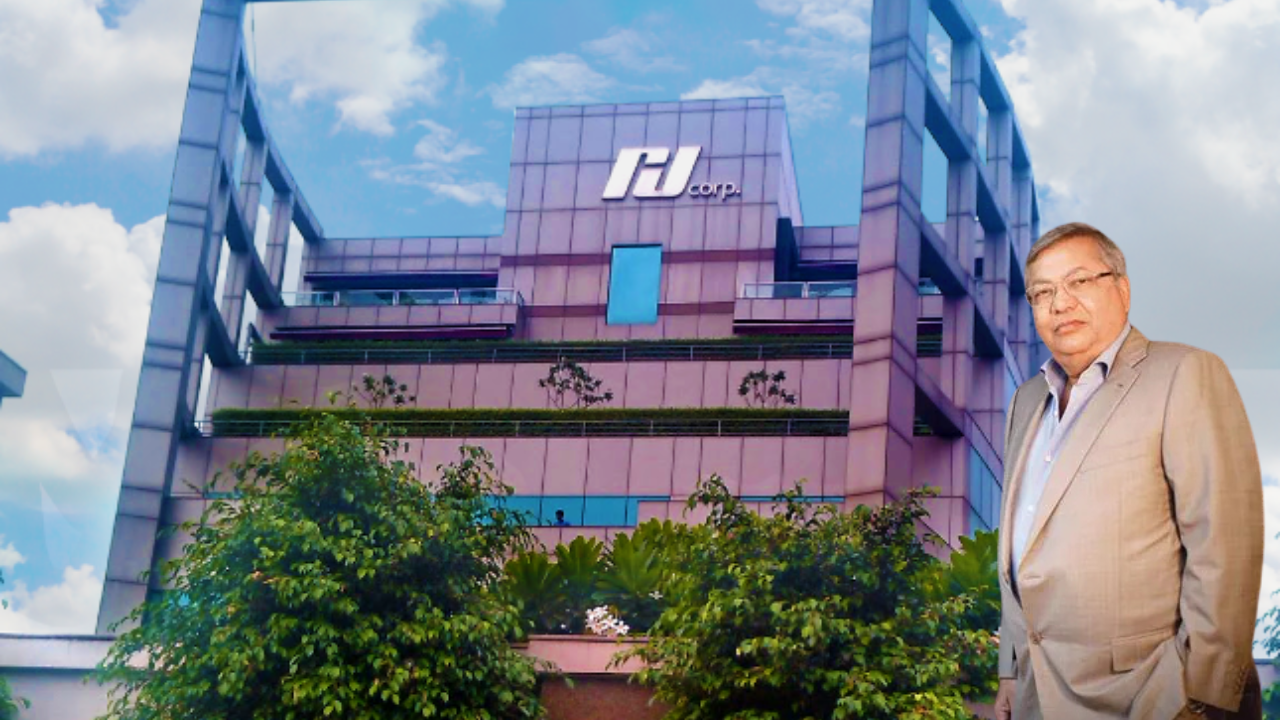
In a landscape where Indian entrepreneurs are redefining global standards, Nirmal Kumar Minda, the founder and Chairman of UNO MINDA Group, stands tall as a pioneer who turned a modest family-run business into a billion-dollar multinational conglomerate. Kumar Minda journey is not just a story of enterprise it is a testament to resilience, innovation, and the unwavering belief in “Make in India” long before it became a national movement.

Humble Beginnings, Bold Vision

UNO MINDA traces its roots to the early 1950s when the Minda family began a small automotive business in Delhi. However, it was under the leadership of Nirmal Kumar Minda in the 1980s that the company truly began its transformation. With limited resources but abundant determination, Minda envisioned a future where India would not only manufacture world-class automotive components but also lead the global supply chain in quality and innovation.

“Kumar Minda always believed that India had the capability to produce components that meet and exceed global standards. “What we needed was a mindset shift—towards quality, technology, and excellence.”

From Local Supplier to Global Force

Starting with just one product line automotive switches UNO MINDA gradually expanded its portfolio to include lighting systems, acoustics, batteries, seating, sensors, alloy wheels, infotainment, and electric vehicle solutions. Today, UNO MINDA has over 70 manufacturing facilities in India, Vietnam, Indonesia, Germany, Spain, Morocco, and Mexico, and serves almost every major two-wheeler and four-wheeler manufacturer in the world.

Under Minda’s leadership, the company has grown at a CAGR of more than 20% over the past decade. With a workforce of over 30,000 employees and an annual turnover exceeding ₹15,000 crore (~USD 1.8 billion), UNO MINDA is now a trusted name not only in India but across the globe.

A Culture of Innovation and R&D

At the heart of UNO MINDA’s success lies a strong emphasis on research and innovation. Nirmal Kumar Minda was among the first Indian entrepreneurs in the auto component sector to invest heavily in R&D, believing that long-term growth could only come through innovation and differentiation.

UNO MINDA currently operates several R&D centers globally, working on next-generation technologies such as electric mobility components, ADAS (Advanced Driver Assistance Systems), IoT-enabled infotainment systems, and lightweight material innovations.

“Technology is the soul of modern mobility” . “We are committed to future-proofing our products and staying ahead of the curve.”

Partnership and Global Collaboration

One of the defining aspects of UNO MINDA’s rise has been its strategic partnerships with international technology leaders. The company has successfully collaborated with brands like Tokai Rika (Japan), Kosei Aluminum (Japan), Onkyo (Japan), and TTE (Germany), bringing global expertise to India and expanding the Group’s technological edge.

These joint ventures not only strengthened the company’s product capabilities but also positioned UNO MINDA as a gateway for global players seeking to tap into India’s booming automotive market.

ESG Focus and People-Centric Values

While technological innovation drives UNO MINDA, it is equally grounded in people-first values and sustainability. Under Minda’s leadership, the company has embedded Environmental, Social, and Governance (ESG) goals into its long-term vision. The company’s facilities are moving towards renewable energy, water conservation, and zero-waste initiatives. It also runs several community development programs in education, skill development, and healthcare through the Minda Foundation.

Moreover, UNO MINDA prides itself on an inclusive, empowering workplace culture that nurtures leadership at every level. “Our people are our greatest strength,” Minda asserts. “We invest in them, and they invest in our vision.”

Nirmal Kumar Minda Recognition and Awards

Nirmal Kumar Minda’s entrepreneurial excellence has been widely recognized. He has received numerous accolades, including:

  • EY Entrepreneur of the Year – Manufacturing (2019)
  • Auto Component Manufacturer of the Year – ACMA Awards
  • Best CEO – Business Today India’s Top 100 CEOs List
  • Life Time Achievement Award – Federation of Auto Components Manufacturers (FICCI)

In addition, UNO MINDA is consistently ranked among the Top 100 Automotive Suppliers globally and continues to rise up the charts each year.

Looking Ahead

As the global mobility industry transitions towards electric and autonomous vehicles, Nirmal Kumar Minda remains committed to future-readiness. The Group has already begun investing in EV-specific components and digital cockpit solutions.

“Nirmal Kumar Minda goal is to be the most admired global auto component supplier, known for technology, trust, and transparency”. “We are not just making parts; we are building the future of mobility.”

Final Thoughts

From its startup days in a small Delhi shop to boardrooms across continents, UNO MINDA’s journey under Nirmal Kumar Minda is a shining example of what visionary leadership, innovation, and ethical business practices can achieve. His story inspires thousands of entrepreneurs to dream big, stay grounded, and never stop evolving.

“From Chalkboard to Circuit Board: The Legacy of Qimat Rai Gupta and the Rise of Havells”

Qimat Rai Gupta

In a country once plagued with unreliable and low-quality electrical products, one man’s foresight and unwavering determination transformed the very fabric of India’s Fast-Moving Electrical Goods (FMEG) sector. This is the story of Qimat Rai Gupta, a visionary entrepreneur who laid the foundation for what is now one of India’s most trusted and globally recognized electrical brands “Havells India Ltd.”

Born in 1937 in the culturally rich town of Malerkotla, Punjab, Qimat Rai Gupta’s early life was defined by simplicity and spiritual grounding. Deeply influenced by the teachings of the Bhagavad Gita, Gupta developed a character that valued integrity, resilience, and service traits that would later define his leadership and corporate philosophy.

Initially a school teacher, Gupta’s curiosity and drive led him into the electrical goods industry, where he spent over a decade learning its intricacies. His hands-on experience helped him understand both the challenges and the opportunities within the sector. Then came the turning point in 1971 he acquired a struggling electrical trading company, Havells, from its original owner, Haveli Ram Gandhi, for just ₹7 lakh. What seemed like a small step back then turned out to be a giant leap for India’s electrical goods landscape.

Gupta’s mission was simple but powerful: to build a trustworthy, Indian-made brand that would redefine quality and reliability. In pursuit of this vision, he established Havells’ first manufacturing unit in Kirti Nagar, Delhi. This pivotal decision not only marked the beginning of Havells’ journey into manufacturing but also signaled the rise of India as a capable and competitive player in the global electrical products market.

Over the next four decades, under Gupta’s steadfast leadership, Havells expanded its product portfolio across multiple categories including industrial and domestic circuit protection devices, wires and cables, motors, modular switches, fans, air conditioners, home appliances, electric water heaters, power capacitors, and lighting solutions for domestic, commercial, and industrial applications.

More importantly, Gupta remained fiercely committed to self-reliance and local manufacturing, long before it became a national movement. His belief in producing high-quality goods within India laid the groundwork for what would become one of the most efficient and widespread manufacturing ecosystems in the country.

Despite enormous business success, Qimat Rai Gupta always stayed rooted in his values. He focused on strengthening domestic operations, empowering employees, and building lasting relationships with trade partners. His leadership style inspired loyalty and excellence, transforming Havells into a brand synonymous with trust and innovation.

After his passing in 2014, the reins of the company passed to his son, Anil Rai Gupta, who has since carried forward the legacy with remarkable success. Under his leadership, Havells has not only retained its strong domestic foundation but also expanded its global footprint.

As of June 2025, Havells operates more than 15 advanced manufacturing plants across India and produces nearly 95% of its products locally, a feat unmatched by many in the industry. The company boasts a workforce of over 6,500 employees, a distribution network of more than 20,000 trade partners, and a presence in over 70 countries worldwide. With a current market valuation of ₹98,229 crore, Havells stands tall as a global leader in the electrical goods sector.

“My father believed in the power of dreams, hard work, and doing the right thing. He built this company not just for profit, but for purpose for the people of India. At Havells, we remain committed to his vision of quality, innovation, and nation-building.”

Now Havells is more than just a brand it is a movement. A movement toward self-reliance, world-class manufacturing, and consumer-first innovation. It has become a benchmark of excellence in the FMEG sector, inspiring countless entrepreneurs and businesses across India and the world.

As the company looks to the future, it continues to invest heavily in research and development, digital transformation, and sustainable practices. Havells’ upcoming initiatives include smart home solutions, green energy products, and enhanced export strategies, keeping pace with global trends while staying true to its Indian roots.

In a rapidly evolving world, Havells remains a testament to what vision, values, and perseverance can achieve. The story of Qimat Rai Gupta is not just the story of a businessman it is the story of modern India’s entrepreneurial spirit, lighting the path for generations to come.

“Delhi’s Toxic Air Declared a Public Health Emergency”

Public Health Emergency

As a thick blanket of smog chokes Delhi once again, pushing the Air Quality Index (AQI) well into the “hazardous” zone, health and climate experts across the country are sounding alarm bells. The deteriorating air quality has been declared a “public health emergency”, prompting an urgent call for systemic reforms, including the phasing out of fossil fuels and an accelerated adoption of clean and renewable energy solutions.

The AQI in several parts of Delhi crossed the 450 mark this week, with PM2.5 levels — tiny particulate matter that penetrates deep into the lungs — nearly ten times higher than the safe limit prescribed by the World Health Organization (WHO). For residents of the national capital, this has meant stinging eyes, coughing fits, breathlessness, and for many, a return to masks and air purifiers.

But the crisis is no longer limited to short-term discomfort. Doctors and climate scientists alike are warning of long-term health consequences, particularly for children, the elderly, and those with pre-existing respiratory conditions.

“We are not just facing an environmental issue; this is a full-blown public health crisis,” said Dr. Rajesh Khanna, a pulmonologist at AIIMS. “Prolonged exposure to such toxic air increases the risk of asthma, COPD, cardiac ailments, and even neurological disorders.”

Fossil Fuels Under Scrutiny

The primary contributors to Delhi’s recurring air pollution include vehicle emissions, industrial activities, coal-based power generation, construction dust, and seasonal stubble burning in neighboring states. But experts emphasize that fossil fuels lie at the heart of the crisis.

“From tailpipe emissions to coal-fired power plants, our addiction to fossil fuels is poisoning the air we breathe,” said Meera Subramaniam, an environmental policy researcher at TERI. “Unless we decisively transition to clean energy sources, we are condemning ourselves to a future of unbreathable air and unlivable cities.”

Several international organizations, including the United Nations Environment Programme (UNEP) and the World Health Organization (WHO), have consistently warned that fossil fuel combustion is the leading driver of both air pollution and climate change. In 2024, air pollution was responsible for over 1.7 million premature deaths in India, according to a Lancet Commission report.

A Wake-Up Call for Policy Makers

Despite various measures announced in the past — from odd-even traffic rationing to firecracker bans — experts believe these are mere band-aid solutions. What is required, they argue, is a comprehensive policy overhaul that tackles the root cause: fossil fuel dependence.

“We need a roadmap to shut down coal-fired plants, invest massively in public transport electrification, and incentivize solar and wind energy adoption,” said Ankit Bhatia, policy director at

. “This isn’t just about Delhi anymore — cities across India are beginning to face similar crises.”

Environmentalists have also demanded strict enforcement of the National Clean Air Programme (NCAP) and allocation of sufficient funds to ensure long-term impact.

Public Health on the Line

Hospitals across Delhi have reported a sharp surge in respiratory complaints over the past 10 days. Pediatric wards are filled with children suffering from wheezing and bronchitis. Cardiologists warn that the fine particles in polluted air can trigger heart attacks and strokes, even in young adults.

“It is tragic that simply breathing has become a health hazard in the nation’s capital,” said Dr. Neha Verma, a pediatrician at Safdarjung Hospital. “We see newborns being brought in with serious breathing difficulties — this should be unthinkable.”

School closures, cancellation of outdoor sports, and advisories urging residents to stay indoors have become common. But many daily wage workers and commuters have no option but to continue their routines, risking long-term damage to their health.

Call for Collective Action

The current crisis in Delhi has reignited civil society’s push for climate justice. Youth-led groups like Fridays for Future India and Extinction Rebellion Delhi have announced peaceful demonstrations across the city, demanding decisive government action.

In a joint statement released today, over 100 doctors, scientists, and climate activists urged both the Central and Delhi governments to act now.

“This is not just an air pollution emergency — it’s a warning of the climate crisis at our doorstep,” the statement read. “India must lead the global shift away from fossil fuels and towards a sustainable, breathable future.”

The Way Forward

Delhi’s air crisis is no longer an isolated event, nor is it seasonal. It is the symptom of a deeper systemic problem — one that demands courageous leadership, multi-sector collaboration, and unwavering public support.

Experts recommend the following immediate and long-term steps:

  • Enforce emission norms across all sectors including transport and industry.
  • Invest in renewable energy infrastructure, especially solar and wind.
  • Promote electric public transport and discourage private vehicle use.
  • Phase out coal-based power plants with a clear transition plan for workers.
  • Implement stricter stubble burning alternatives with farmer-friendly incentives.
  • Launch public health advisories and distribute protective gear during high-risk days.
  • Educate and engage citizens in sustainable practices.

Union Minister Piyush Goyal Leads Delhi Padayatra Celebrating India’s Constitution

Delhi Padayatra

In a stirring display of national unity and constitutional reverence, Union Minister for Commerce and Industry, Consumer Affairs, Food and Public Distribution, and Textiles, Shri Piyush Goyal, took part in the ‘Hamara Samvidhan, Hamara Samman’ padayatra in New Delhi. Addressing a large gathering of citizens, students, social workers, and political leaders, Shri Goyal emphasized the monumental role played by Prime Minister Shri Narendra Modi in fostering a deep sense of constitutional awareness and national pride among 140 crore Indians.

The padayatra, organized under the larger nationwide initiative celebrating India’s rich constitutional values, saw enthusiastic participation from people of all walks of life. It aimed to bring the core message of constitutional respect, democratic responsibility, and collective national identity closer to the grassroots.

“Constitution as the Soul of Our Nation”

Speaking at the event, Shri Piyush Goyal remarked, “It is a moment of immense pride for every Indian to witness how Prime Minister Narendra Modi has made the Constitution not just a book of laws but a living document that touches the heart of every citizen. Under his leadership, 140 crore Indians have been emotionally and consciously connected to the Constitution — making it a true ‘Samvidhan for the people, by the people, and of the people’.”

He added that the ‘Hamara Samvidhan, Hamara Samman’ movement is a testimony to the Modi government’s consistent efforts in making governance more inclusive, participatory, and driven by constitutional ethos.

Strengthening Democratic Foundations

Highlighting the transformative changes over the past decade, Shri Goyal stressed how the Modi-led government has consistently upheld the dignity of democratic institutions and empowered the common man through structural reforms and constitutional adherence.

“Whether it’s empowering the poor through welfare schemes, strengthening federalism, or giving unprecedented space for public discourse, this government has ensured that every action is rooted in our constitutional framework”.

Padayatra as a Symbol of Collective Respect

The padayatra commenced from India Gate and culminated near the Parliament premises, covering several key landmarks of democratic significance. Participants carried the national flag and recited excerpts from the Constitution, including the Preamble, showcasing a deep-rooted respect for the values of justice, liberty, equality, and fraternity.

Cultural programs, patriotic songs, and street plays were also organized an route to engage the public, especially the youth, and raise awareness about constitutional rights and duties.

Educating the Next Generation

Minister Goyal also emphasized the need to instill constitutional values in the younger generation. “Our Constitution is not just a legal document; it is a guidebook for character, courage, and citizenship. The youth of today must see it as a moral compass. Prime Minister Modi’s leadership has ensured that our children grow up understanding and honoring the pillars of democracy,”.

He further suggested that programs like this padayatra be replicated in schools, colleges, and community centers to expand its reach and impact.

Empowerment Through Awareness

In his address, Shri Goyal shed light on several flagship programs — such as Digital India, Swachh Bharat, Jan Dhan Yojana, and Beti Bachao Beti Padhao — as shining examples of how constitutional principles have been translated into ground-level action.

“True empowerment comes not just from legal provisions, but from awareness. PM Modi has ignited that awareness in the minds of every Indian — that they are not just subjects but stakeholders in democracy,” Shri Goyal stated.

A National Awakening

The ‘Hamara Samvidhan, Hamara Samman’ initiative is part of a broader national awakening campaign, commemorating 75 years of the Indian Republic. It aims to deepen public engagement with the Constitution, encourage civic responsibility, and celebrate the spirit of India’s diverse democracy.

In closing, Shri Piyush Goyal called on every Indian to take the values enshrined in the Constitution beyond textbooks and into daily life. “When every Indian lives with constitutional consciousness, our nation becomes stronger, more just, and more united,” he concluded.

Russia Showcases Strength and History as It Celebrates WWII Victory Anniversary

WWII Victory Anniversary

In a powerful display of history, diplomacy, and national pride, Russia commemorated the 80th anniversary of the Soviet Union’s victory over Nazi Germany in World War Two with a grand Victory Day parade at Moscow’s iconic Red Square. The event, led by President Vladimir Putin, was marked by solemn remembrance and strong political messaging, even as conflict continues to cast a shadow on the region.

More than 20 international leaders, including Chinese President Xi Jinping, Brazilian President Luiz Inácio Lula da Silva, and Venezuelan President Nicolás Maduro, were present to witness one of the most significant national events on the Russian calendar. Their presence underscored Moscow’s efforts to project enduring international partnerships amid growing global tensions.

The ceremony paid homage to the millions who lost their lives during the Great Patriotic War – the term used in Russia to describe its role in defeating Nazi Germany during World War Two. Veterans, military personnel, and citizens stood in silence as wreaths were laid and a minute’s silence observed.

President Putin, dressed in formal attire, addressed the nation from the heart of Red Square, reaffirming Russia’s commitment to honoring the sacrifices of its forebears. “We remember the lessons of World War Two,” he declared. “Truth and justice are on our side.” His remarks emphasized the enduring legacy of the Soviet victory and drew a clear parallel between past struggles and current global dynamics.

Putin’s speech focused on themes of resilience, unity, and historical truth, subtly referencing ongoing conflicts and portraying Russia as a custodian of peace and justice. “History has taught us that peace is fragile,” “and we must remain vigilant against any threat to the world order that was hard-won by our ancestors.”

The parade featured thousands of soldiers, tanks, armored vehicles, and flyovers by military aircraft. The iconic T-34 tank, symbolizing the Soviet triumph in World War Two, led the procession, followed by the latest-generation military hardware and ceremonial units from across Russia’s armed forces. Marching bands played patriotic anthems, while veterans waved flags and wore medals that spoke of personal and national sacrifice.

In a surprising and symbolic move, the Russian government announced a unilateral, three-day ceasefire beginning on the eve of the commemorations. The decision, according to Kremlin officials, was intended to create space for reflection and to demonstrate Russia’s “commitment to peace, even in times of conflict.”

However, reports from Ukraine’s military indicated that hostilities had not ceased entirely. Despite the declared ceasefire, Ukrainian officials claimed that thousands of attacks continued across key regions. The discrepancy underscores the ongoing volatility of the war and the challenges of implementing even temporary truces in a high-stakes conflict.

International reactions to the parade were mixed. While allied nations applauded the commemoration and sent dignitaries in a show of solidarity, Western leaders largely refrained from attending, citing geopolitical concerns and ongoing military tensions in Eastern Europe.

China’s President Xi Jinping, in his brief remarks during the visit, emphasized the importance of global peace and multilateral cooperation. “The memory of World War Two should unite the world in building a peaceful future,” Xi stated. Brazil’s President Lula echoed the sentiment, highlighting the need to learn from history rather than repeat it. “Let us remember that peace must never be taken for granted,”.

Despite the underlying tensions, the Victory Day event reinforced Russia’s narrative of national strength and international relevance. The presence of key allies offered a strategic boost to Moscow’s diplomatic image, especially as it faces increasing isolation from the West.

The 80th anniversary was not just a display of military power but also a profound reminder of the price paid for peace. Across Russia, public ceremonies, school programs, and cultural events took place, ensuring that younger generations remain connected to their country’s historical memory.

In St. Petersburg, veterans shared personal stories in community halls, while in cities like Volgograd and Novosibirsk, candlelight vigils were held in remembrance of fallen soldiers. The “Immortal Regiment” march – where citizens carry portraits of family members who fought in the war – drew millions, both in person and online, continuing a tradition that has become a cornerstone of Victory Day.

As night fell on Red Square, a spectacular fireworks display lit up the Moscow skyline, drawing cheers and applause from thousands gathered. For many Russians, the day served not only as a tribute to the past but also as a reaffirmation of identity, unity, and national purpose.

President Ramaphosa Confronts Misinformation in Tense Meeting with Donald Trump

President Ramaphosa

In a meeting marked by sharp tensions and striking visuals, South African President Cyril Ramaphosa and former U.S. President Donald Trump clashed at the White House over controversial claims of violence against white South African farmers — claims experts and human rights groups have widely dismissed as baseless.

The meeting, held on May 21, was part of President Ramaphosa’s effort to repair strained diplomatic ties between Pretoria and Washington. Relations had cooled since the beginning of Trump’s second term, largely due to the U.S. administration’s increasingly vocal criticism of South Africa’s internal land reform policies and racially sensitive narratives being amplified in certain U.S. media outlets.

Tensions escalated when former President Trump played a provocative video during the meeting, alleging that white South African farmers were being systematically targeted and killed. The video, which included clips of Black South African officials purportedly inciting violence and alleged footage of “burial sites,” was played in front of Ramaphosa and gathered members of the media and diplomatic corps.

Ramaphosa: “This is not government policy,”

In response to the video, President Ramaphosa remained composed but firm. He clarified that the violent rhetoric in the video did not reflect the stance or policies of the South African government.

“What you saw, the speeches that were being made — that is not government policy,” President Ramaphosa asserted, directly addressing the former U.S. president’s accusations.

While watching the footage, Ramaphosa reportedly turned to the media and calmly stated:

“I’d like to know where that is, because this I’ve never seen.”

Expert Consensus: No Evidence of White Genocide

The claim of a so-called “white genocide” in South Africa has circulated in far-right and fringe online communities globally for years, but has been repeatedly debunked by human rights groups, crime analysts, and even farming advocacy organizations within South Africa itself.

The Institute for Security Studies (ISS), an independent African think tank, has stated that while violent crime is a serious problem in South Africa, it affects citizens across all racial and socio-economic groups — and not just white farmers.

Similarly, AfriForum, a civil rights group representing Afrikaner interests, has also cautioned against using the term “genocide,” warning that such language can be inflammatory and misleading.

Diplomatic Strains and the Path Forward

President Ramaphosa’s trip to Washington comes amid growing concerns that misinformation could further undermine the relationship between the two democratic nations.

“We want to deepen cooperation, not division,” said a senior South African official traveling with the delegation. “Our countries share values of democracy and rule of law. We must not allow misinformation to become the foundation of policy decisions.”

President Trump, however, remained adamant in his stance, telling the press, “What you’re seeing in these videos — this is real, this is happening.” The former president has in the past tweeted about alleged land grabs and attacks on white farmers, prompting South Africa’s Department of International Relations and Cooperation (DIRCO) to request official clarification from the U.S. Embassy in Pretoria.

A Battle of Narratives

Observers have noted that the exchange is emblematic of a broader battle of narratives in the digital age, where misinformation can rapidly shape international discourse, even on complex, sensitive domestic issues.

The South African Embassy in Washington issued a brief statement following the meeting:

“South Africa remains committed to upholding human rights and constitutional values. The government rejects all forms of racism and violence, and works tirelessly to ensure justice and security for all citizens, regardless of race.”

Political analysts warn that the continued circulation of unverified or sensationalized claims could have real-world diplomatic consequences.

“When political leaders engage with misinformation, it lends legitimacy to false narratives,” said Dr. Naledi Khoza, a foreign policy expert at the University of Cape Town. “This exchange at the White House underscores the urgency of basing international relations on verified facts and mutual respect.”

Looking Ahead: Unity Over Division

President Ramaphosa has emphasized that land reform in South Africa — a key issue often linked with the false “white genocide” narrative — is being handled through legal, constitutional, and inclusive processes aimed at correcting historical injustices without threatening current property rights.

The President concluded the visit by reaffirming South Africa’s commitment to peaceful, lawful reform and its desire to build strong partnerships based on truth, respect, and mutual understanding.

As the international community continues to grapple with misinformation and its impact on diplomacy, this high-profile exchange serves as a reminder that facts matter — and leadership means being accountable to them.

“Ganesh Utsav in Maharashtra: A Timeless Blend of Faith, Culture, and Unity”

Ganesh Utsav

As the rhythmic chants of “Ganpati Bappa Morya!” rise once again across the towns and cities of Maharashtra, the state steps into its most cherished season of celebration — Ganesh Utsav. More than just a festival, Ganesh Utsav is the heartbeat of Maharashtra, a tradition that binds people across castes, classes, and communities with devotion, grandeur, and cultural pride.

From the bustling lanes of Mumbai and Pune to the serene villages that still echo the valiant spirit of Chhatrapati Shivaji Maharaj, Ganesh Utsav paints the state in vibrant hues of faith, music, dance, and joy. Maharashtra’s soul shines brightest during this time — illuminating temples, homes, and hearts alike.

A Divine Legacy Rooted in History

The celebration of Ganesh Chaturthi in Maharashtra traces its cultural revival to the late 19th century, when freedom fighter Lokmanya Tilak transformed the private household celebration into a grand public festival. His intent was to bring people together during the British colonial rule — using faith as a unifying force and Lord Ganesha as the symbol of resistance, intellect, and new beginnings.

Today, more than a century later, that vision still thrives.

“Maharashtra doesn’t just celebrate Ganesh Utsav — we live it. It’s not just about rituals, it’s about legacy,” says cultural historian Dr. Neelima Patkar. “From the mighty forts of Shivaji Maharaj that stand as symbols of courage, to the pandals that stand as symbols of devotion — this festival connects our past to our present.”

Mumbai and Pune: The Cultural Capitals of Celebration

In Mumbai, the air becomes electric with anticipation. Thousands of Sarvajanik Ganesh mandals compete to create the most awe-inspiring idols and thematic decorations — some highlighting social issues, others replicating historic temples or national monuments. The iconic Lalbaugcha Raja, Ganesh Gully, and GSB Seva Mandal attract millions of devotees each year, many waiting in line for hours just for a brief darshan (glimpse).

Pune, with its own rich Peshwa-era traditions, offers a more classical and heritage-driven flavor to the festivities. Pandals like Tambdi Jogeshwari, Dagdusheth Halwai, and Kasba Ganpati blend age-old customs with modern grandeur. The city’s processions, dhol-tasha pathaks, and vibrant performances reflect a deeply rooted cultural ethos.

From Streets to Souls: The Festival of the People

What makes Ganesh Utsav in Maharashtra truly exceptional is its inclusivity. Every lane has a story. Every home has a Ganesh. Every hand — whether a sculptor’s, a devotee’s, or a volunteer’s — contributes to the shared celebration.

“The beauty of Ganesh Utsav is that it belongs to everyone,” shares Meera Jagtap, a third-generation artisan from Pen, Raigad — a town famous for idol-making. “We start working on the idols months in advance. For us, every sculpture is a prayer in clay.”

During the ten days of celebration, communities organize bhajans, aartis, cultural nights, charity drives, and eco-awareness campaigns. It’s not just a religious event — it’s a platform for collective growth, social unity, and spiritual awakening.

A Fusion of Faith and Modern Values

While rooted in tradition, Maharashtra’s Ganesh Utsav has evolved with the times. The last decade has seen a remarkable shift toward eco-friendly celebrations. Clay idols, natural dyes, artificial immersion tanks, and reduced decibel limits are becoming increasingly popular, especially among the youth.

Initiatives like “Green Ganesh” and “Nirmalya Seva” have empowered devotees to celebrate responsibly. Even major mandals now emphasize sustainable practices, proving that devotion and conservation can walk hand in hand.

“This festival teaches us to honor not just our gods but also our environment,” an environmentalist who organizes eco-Ganesh workshops in colleges across Pune.

A Spiritual Farewell: Visarjan with Emotion

The festival concludes with Anant Chaturdashi, the day of visarjan (immersion). As the idols are carried to rivers, lakes, and artificial tanks in grand processions, the atmosphere becomes bittersweet. Devotees sing, dance, and bid farewell to their beloved Bappa with the traditional cry: “Ganpati Bappa Morya, Pudhchya Varshi Lavkar Ya!”

The emotion is unmistakable — a mix of joy, nostalgia, and longing. For many, it’s not just the end of a festival, but a reaffirmation of faith, hope, and the cyclical nature of life itself.

Ganesh Utsav: More Than a Festival

In Maharashtra, Ganesh Utsav is not confined to rituals or customs. It is a living, breathing celebration of what it means to be Maharashtrian — resilient, spiritual, united, and joyful. It’s where tradition meets expression, where divinity meets artistry, and where every chant of “Ganpati Bappa Morya” carries the collective heartbeat of a people deeply connected to their roots.

As the state welcomes Lord Ganesha once again, one truth echoes across every street and every soul: Devotion isn’t just a feeling — it’s a way of life in Maharashtra.

India Remembers Sushma Swaraj: A Legacy of Leadership and Public Service

Sushma Swaraj

On this solemn day, India pauses to honor and remember one of its most beloved leaders—Sushma Swaraj. A woman of grace, strength, and unwavering commitment, she was not merely a politician; she was the very embodiment of what it means to serve with heart.

“A leader, a voice, a heart that beat for every Indian. Today, we remember Sushma Swaraj. Her words, ‘I will be there for you, always,’ were not just promises, they were lifelines,” echoes a message shared by citizens across the country as they commemorate her extraordinary journey and timeless contributions to the nation.

Born on February 14, 1952, in Ambala Cantt, Haryana, Sushma Swaraj’s life was marked by determination, conviction, and a rare ability to connect with people across all walks of life. A lawyer by training and an orator par excellence, she began her political career with the Akhil Bharatiya Vidyarthi Parishad and later joined the Bharatiya Janata Party (BJP), where she rose through the ranks to become one of its most prominent faces.

Her political résumé was both illustrious and inspiring. From being the youngest Cabinet Minister in Haryana at the age of 25 to becoming India’s External Affairs Minister under the Modi Government from 2014 to 2019, her contributions have been both wide-ranging and deeply impactful. She also served as Delhi’s first woman Chief Minister and was a seven-time Member of Parliament.

But Sushma Swaraj was not defined solely by the posts she held; rather, she was celebrated for the way she redefined leadership. Whether it was rescuing Indian citizens stranded abroad, responding to distressed tweets at odd hours, or taking time to personally assure help to those in need, she brought a human touch to governance that resonated across borders.

She made headlines not just for her administrative acumen but for her emotional intelligence—a rare quality in politics. Her iconic statement, “Even if you are stuck on Mars, Indian Embassy will help you,” wasn’t a quip; it was a reflection of her commitment to the Indian diaspora and her belief that no Indian should feel alone, no matter where they were in the world.

At the Ministry of External Affairs, she set new benchmarks of diplomacy combined with dignity. Under her leadership, India’s global image strengthened, and international partnerships deepened. More importantly, she ensured that diplomacy was not confined to corridors of power but was accessible to every citizen. People didn’t need political connections or media attention—just a tweet was enough to draw her attention, and she responded with action, not delay.

Even her political adversaries often acknowledged her integrity, statesmanship, and sharp wit. Her parliamentary speeches were a masterclass in debate—firm, articulate, and respectful. She upheld the dignity of democracy with poise, refusing to let differences descend into disrespect.

Sushma Swaraj was also a champion of women’s empowerment—not through rhetoric but through example. In a male-dominated landscape, she carved her space with unmatched elegance and tenacity. To countless young women, she symbolized that it is possible to lead with both strength and softness, intellect and intuition.

Beyond politics, Sushma ji was known for her warmth and accessibility. People who met her never felt intimidated but rather inspired. Her humility, coupled with an unshakable belief in public service, made her not just a leader of the people but a leader among the people.

When she passed away on August 6, 2019, at the age of 67, the nation mourned not just a politician, but a beloved “didi,” “mata,” and “saviour.” From the common man to diplomats, from students abroad to political leaders across the spectrum—tributes poured in, all echoing the same sentiment: India had lost one of its finest daughters.

Today, six years later, her legacy remains vibrant. Be it the Sushma Swaraj Bhavan in Chanakyapuri, named in her honor, or the continued digital diplomacy model she championed, her contributions continue to shape India’s narrative at home and abroad.

Prime Minister Narendra Modi had once said, “Sushma ji personified dignity, strength, and unwavering commitment to public service.” And indeed, her life story continues to serve as an enduring example of how politics, when driven by compassion, can truly touch lives.

True leaders don’t leave behind just positions—they leave behind paths. Sushma Swaraj’s path was one paved with empathy, strength, and unwavering loyalty to Bharat and its people.

As we remember her today, we don’t just recall a leader; we recall a presence—a presence that reassured, inspired, and uplifted. India may have lost Sushma Swaraj in person, but her spirit lives on—in the ideals she stood for, in the lives she touched, and in the hearts she won.

Renowned Fashion Stylist and Designer Sunny Khandelwal’s The Cosmos Honoured at Bengal Business Excellence Award 2025 for Most Premium Men Styling Brand

Sunny Khandelwal

Kolkata, July 2025 — In a dazzling evening that celebrated Bengal’s finest businesses and most inspiring entrepreneurs, Sunny Khandelwal, the creative mind behind The Cosmos, Luxury Menswear, was honoured with the Bengal Business Excellence Award 2025 in the category of Most Premium Men Styling Brand. The award ceremony, organized by PrestigeSphere PR, brought together industry leaders, innovators, and changemakers for a night of recognition, prestige, and purpose.

Held at one of Kolkata’s most elegant five-star venues, the grand celebration was headlined by celebrated actress Srabanti Chatterjee, who attended the event as the Chief Celebrity Guest and personally felicitated all awardees, including Sunny Khandelwal. Also gracing the occasion was Anupam Halder, the Guest of Honour, whose presence added further prestige to the event.

The Bengal Business Excellence Award 2025 was proudly supported by SpinCare—Kolkata’s top premium laundry and dry-cleaning brand—as the Title Sponsor. The event’s impact was further amplified through a network of distinguished partners:

Radio Partner: 91.9 Friends FM TV Media Partner: 24Hrs TV Channel Digital Media Partner: Anandabazar.com Styling Partner: The Cosmos Event Partner: Eventmas These partnerships ensured wide media coverage and celebrated the transformative power of entrepreneurship across the state.

The Cosmos: Redefining Luxury Menswear in Bengal

The Cosmos is more than just a fashion destination—it is a refined experience for men who understand the power of impeccable style. Located at 8A, Allenby Road, 2nd Floor, Near Forum Mall, Elgin Road, Kolkata 700020, The Cosmos has carved a niche for itself as Bengal’s premier luxury menswear studio, offering a stunning blend of branded attire, designer ethnic wear, and bespoke styling.

From tailored power suits that exude confidence in boardrooms to custom-designed red carpet ensembles that dazzle at galas, The Cosmos has become the go-to destination for Bengal’s modern gentlemen. Whether it’s a corporate mogul, a groom preparing for his big day, or a celebrity walking the ramp—The Cosmos ensures every man looks and feels like his best self.

The Stylist Behind the Brand: Sunny Khandelwal

At the helm of The Cosmos is Sunny Khandelwal, a talented fashion stylist and designer who has redefined men’s fashion in Kolkata. With a keen eye for detail, an innate understanding of fabrics, and a gift for personal styling, Sunny has built a brand that’s synonymous with class, confidence, and charisma.

His journey into fashion was born from a deep-rooted passion for styling men in a way that reflects not only trends but personality and purpose. Today, Sunny is known for his ability to blend international aesthetics with Indian elegance, creating looks that are both timeless and trendsetting.

Sunny’s approach is deeply personalized—he believes every man deserves a look that tells his story. From understanding body types to enhancing silhouettes, from selecting luxe fabrics to curating custom fits—Sunny’s styling is a masterclass in modern menswear.

Dressing Awardees, Celebrities, and Changemakers

It’s no surprise that many of this year’s Bengal Business Excellence Award 2025 recipients themselves were styled by The Cosmos, embodying the brand’s philosophy of power dressing with poise. From sharp lapels to rich textures, each look was a testament to the studio’s commitment to craftsmanship and class.

“The Cosmos is where style meets soul. We don’t just dress men—we transform them,” says Sunny. “Winning this award is not just a personal milestone, it’s a celebration of every client who trusted us to style their story.”

Where Style Meets Experience

What sets The Cosmos apart is its immersive in-store experience. Clients are welcomed into a luxurious space where fashion meets function. The brand offers curated collections ranging from formal suiting to ethnic ensembles, ensuring that every occasion—be it a wedding, a business meeting, or a festive celebration—is met with elegance.

Whether it’s helping a groom select the perfect sherwani or creating a custom look for a CEO attending an awards night, The Cosmos is known for its unwavering dedication to quality, fit, and finish.

A Well-Deserved Honour

Receiving the Bengal Business Excellence Award 2025 as the Most Premium Men Styling Brand is a moment of pride for Sunny Khandelwal and the entire Cosmos team. It reflects not only the brand’s meteoric rise in the fashion industry but also its impact on redefining men’s style in Bengal.

Upon accepting the award, Sunny said, “This recognition is a reminder that elegance, effort, and excellence never go out of style. I dedicate this honour to our clients who believed in our vision, and to my team whose creativity and passion make The Cosmos what it is today.”

For more information you can visit https://www.facebook.com/thecosmoshowrah/

Daman Games Attracts Thousands of Indian Users with Easy Gameplay and Welcome Bonus Offers.

Daman Games

Daman Games is rapidly becoming one of the hottest private sports predictive color games websites in India that rewards real cash money. Its simple interface and understandable gameplay ensure that people in the country are now swarming the platform. One of the greatest appeals to new users is the Daman Games invite code 1476213925600 that grants them special sign-up bonuses and referral incentives at the very onset of their registration. When it comes to playing a fun prediction-based game and having an opportunity to win daily and effortlessly, then you would find this platform an excellent opportunity to start with the bare minimum effort.

By applying the Daman invite code during the registration process, you will be awarded a bonus that will assist you in getting started on the path of earning money immediately. This is what makes it best suited to casual players as well as people seeking to make some side income. The invitation codes given to the users allow users to enjoy the services and additionally they can take the benefit of the referral program. The more people you refer to sign up using your referral link, the more you get rewarded and it is a fantastic passive earning activity. It is easy and does not take much time which is attractive to first-time users.

To become a member of Daman Games one should either go to their official web page or download the application and complete an account creation process by typing a mobile number. When you enter your number you will be asked to put in the Daman Games invitation code 1476213925600. You simply enter the code and once you do your account will be activated with the bonus and you can go ahead and start playing and earning. The site is open 24/7 so that the gamer may play whenever she or he wishes and will be able to receive payment of the earnings in a few minutes using safe methods of receiving funds.

Tens of thousands of players in India have already signed up to the site with most of them reporting successful withdrawals and frequent rewards. However, the user should keep in mind that it is a prediction-based platform and although one can make money the results may be different. It is recommended that the users exercise responsibility by ensuring that they do not overcommit themselves to games involving money. It is always prudent to take these games as merely entertainment with the earning possibility but not as a sure source of income.

The trustworthiness and comfort offered by its services have contributed to the rapid development and reputation of Daman Games as the company that can be relied upon. The referral system with the Daman Game invite code provides an equal opportunity to all people to make extra and this fact makes it more appealing to the new people. Individuals that want to take referral earnings seriously can even construct a small network of players that will use their code in order to earn to the max on a daily basis. This is an additional feature to the platform that it takes on a side hustle aspect.

To sum up in case you’d like to test your skills at online color prediction games then it is a good idea to take the Daman Games invite code 1476213925600 to the test. It assists you to roll off with an incentive and provides you the capability to get aboard referral incentives which can develop later on. Due to rising popularity and positive feedback of users Daman Games is becoming one of the apps to go to when one desires to combine fun and earning. All you have to do is play wisely and you will get started using the Daman Games invitation code and just enjoy the earning experience.