
Sunday, June 28, 2026
Home Blog Page 72

Tata Electronics Acquires Majority Stake in Pegatron’s iPhone Plant, Strengthening India’s Role in Global Smartphone Manufacturing

Tata Electronics

Tata Electronics, a key player in India’s electronics manufacturing ecosystem and a wholly owned subsidiary of Tata Sons, has taken another significant step toward strengthening India’s role in global smartphone production. The company has reportedly finalized a deal to acquire a majority stake in Taiwanese contract manufacturer Pegatron’s iPhone assembly plant in India.

This strategic acquisition underscores Tata Group’s growing ambitions in the high-value smartphone manufacturing industry, aligning with India’s broader “Make in India” initiative and the government’s Production-Linked Incentive (PLI) scheme for electronics manufacturing. By acquiring Pegatron’s Indian operations, Tata Electronics cements its position as a major partner for Apple, expanding its presence in the premium smartphone segment.

Expanding Apple’s India Manufacturing Base

Apple has been steadily diversifying its global supply chain and reducing its reliance on China by ramping up operations in India. Pegatron, one of Apple’s top contract manufacturers, had already established an iPhone production base in Tamil Nadu, where it assembled models catering both to domestic consumption and export markets. With Tata Electronics acquiring a majority stake, the Indian conglomerate is set to deepen its relationship with Apple and enhance India’s positioning as a global hub for iPhone production.

Industry experts see this acquisition as a landmark moment, as it signals the first time an Indian company has taken significant control of an Apple contract manufacturer’s facility in the country. This move not only benefits Tata Electronics’ long-term growth but also strengthens Apple’s India strategy, which aims to localize production, reduce supply chain risks, and meet the surging demand for iPhones globally.

Tata Electronics’ Growing Ambitions

Over the past few years, Tata Electronics has been aggressively investing in electronics manufacturing, particularly in the smartphone ecosystem. The company has already been assembling iPhones at its Karnataka facility and supplying components such as metal casings. With the acquisition of Pegatron’s plant, Tata will significantly scale up production capacity, create more jobs, and build deeper capabilities in the value chain.

“This acquisition reflects Tata Electronics’ commitment to becoming a global leader in electronics manufacturing. By strengthening our partnership with Apple, we are contributing not only to India’s manufacturing capabilities but also to the growth of high-tech exports from India.”

Boost to India’s Manufacturing Ecosystem

The acquisition comes at a crucial time when India is rapidly emerging as a manufacturing alternative for global technology giants. Government policies such as the PLI scheme, coupled with the availability of skilled manpower and expanding infrastructure, have made India a preferred destination for smartphone production.

The deal is expected to create thousands of direct and indirect jobs in Tamil Nadu, further boosting local employment and skills development. Moreover, the increased scale of operations will enable India to capture a larger share of the global smartphone supply chain.

Analysts believe this transaction will encourage other global electronics manufacturers to deepen their engagement in India through local partnerships and investments.

A Win-Win for Apple, Tata, and India

For Apple, Tata Electronics’ acquisition of Pegatron’s Indian operations ensures a more stable and long-term partnership with a trusted Indian conglomerate. It allows Apple to align its India strategy with a partner that has extensive industrial expertise, global credibility, and a strong reputation for governance.

For Tata Group, the acquisition represents a major milestone in its journey to become a global contract manufacturing leader, diversifying from its traditional businesses into high-technology sectors.

For India, this move reinforces its status as one of the fastest-growing hubs for electronics and smartphone manufacturing. It strengthens the government’s vision of turning India into a global manufacturing powerhouse and boosts the country’s export potential.

The Road Ahead

The integration of Pegatron’s iPhone plant under Tata Electronics is expected to accelerate production capacity and efficiency. With Apple’s rising sales in India and the company’s intent to make India a critical part of its global production base, the Tata-Pegatron deal positions India at the center of the next phase of smartphone manufacturing growth.

Industry watchers anticipate that Tata Electronics may continue to explore further opportunities to expand its electronics manufacturing footprint, not just in smartphones but also across other consumer electronics and semiconductor segments.

The acquisition of a majority stake in Pegatron’s iPhone plant marks a historic step for Tata Electronics, Apple, and India. It signifies the growing maturity of India’s electronics manufacturing ecosystem and sets the stage for even greater global integration. As Tata Group continues to leverage its strengths to build world-class facilities and partnerships, India’s rise as a global hub for premium smartphone manufacturing appears stronger than ever.

From Beverages to Healthcare: Ravi Jaipuria’s Expanding RJ Corp Empire

Ravi Jaipuria

Business magnate Ravi Jaipuria, the founder of RJ Corp, continues to be celebrated as one of India’s most influential entrepreneurs, credited with building a diversified business empire spanning beverages, dairy, quick-service restaurants, healthcare, and education. Popularly known as the “Cola King of India,” Jaipuria’s entrepreneurial journey is a testimony to vision, resilience, and the ability to adapt to rapidly changing market dynamics.

Building RJ Corp: A Diversified Empire

RJ Corp, founded by Ravi Jaipuria, is today recognized as a multinational conglomerate with strong footprints across South Asia and Africa. The group operates in multiple high-growth sectors, including:

  • Beverages: RJ Corp is the largest franchise bottler for PepsiCo in India and several other international markets. Through Varun Beverages Limited (VBL), the group manufactures, bottles, and distributes PepsiCo beverages across India, Nepal, Sri Lanka, Morocco, Zambia, and several other countries. VBL has grown into one of the world’s largest bottling partners of PepsiCo, a remarkable achievement under Jaipuria’s leadership.
  • Dairy: Through Creambell, RJ Corp has successfully created a dairy and ice cream brand that caters to millions of households. Creambell has become synonymous with quality and taste, expanding into a wide range of value-added dairy products.
  • Food & Restaurants: RJ Corp operates a robust quick-service restaurant (QSR) business through its partnerships with leading international brands. With franchises of KFC, Pizza Hut, and Costa Coffee, the group has established a strong presence across India and abroad, catering to diverse consumer preferences.
  • Healthcare & Education: RJ Corp has also made strategic forays into healthcare and education, with initiatives that focus on building hospitals, diagnostic centers, and institutions that provide world-class facilities and training.

Ravi Jaipuria: The Visionary Leader

Born into a business family, Ravi Jaipuria displayed an entrepreneurial mindset early in life. Instead of merely managing existing businesses, he sought to create new growth engines by leveraging global partnerships and consumer-driven opportunities. His foresight in entering the beverage bottling industry positioned him as a pioneer in India’s rapidly growing consumer market.

Jaipuria’s philosophy has always revolved around scalability, long-term partnerships, and value creation. This approach not only helped RJ Corp secure exclusive partnerships with global giants like PepsiCo and Yum! Brands but also ensured consistent growth across multiple sectors.

Global Recognition and Achievements

Under Ravi Jaipuria’s leadership, Varun Beverages Limited went public in 2016, marking a significant milestone in the group’s journey. Today, VBL is valued as a leading FMCG player with a strong presence in international markets.

Forbes has repeatedly recognized Ravi Jaipuria among the wealthiest and most influential business leaders in India. His reputation as the “Bottling King of India” reflects not just his dominance in the beverage industry but also his ability to create a sustainable and diversified portfolio of businesses.

Commitment to Innovation and Sustainability

Ravi Jaipuria has consistently emphasized the importance of innovation, sustainability, and corporate responsibility. RJ Corp has invested heavily in modern manufacturing facilities, cutting-edge logistics, and eco-friendly operations to reduce its carbon footprint.

In addition, the group has launched several CSR initiatives focused on community development, skill enhancement, education, and healthcare access. These programs underline Jaipuria’s belief that businesses must play a pivotal role in driving inclusive growth.

Future Outlook

As India continues its rapid economic expansion, Ravi Jaipuria’s RJ Corp is well-positioned to capitalize on emerging opportunities in consumer goods, food services, and international markets. With plans to further expand its beverage operations in Africa and Southeast Asia, along with scaling up its QSR and dairy businesses, the conglomerate is expected to achieve new milestones in the coming years.

Speaking about the group’s vision, Ravi Jaipuria has often said, “Business is not just about growth, it is about creating a legacy of trust, partnerships, and impact. At RJ Corp, we are building businesses that touch lives every day, whether through a refreshing beverage, a family meal, or accessible healthcare.”

About RJ Corp

RJ Corp is a diversified conglomerate founded by Ravi Jaipuria, with businesses spanning beverages, food services, dairy, healthcare, and education. Known for being the largest bottling partner of PepsiCo in India and several international markets, the group also operates Creambell dairy products and franchises popular QSR chains such as KFC, Pizza Hut, and Costa Coffee. Headquartered in Gurugram, India, RJ Corp has a growing presence across Asia and Africa, serving millions of consumers daily.

Building Beyond Business: Sunil Bharti Mittal’s Legacy of Leadership and Giving Back

Sunil Bharti Mittal

Sunil Bharti Mittal, one of India’s most distinguished industrialists and philanthropists, continues to make a profound impact on global business and society through his pioneering leadership and vision. As the founder and chairman of Bharti Enterprises, Mittal has transformed the group into one of India’s leading conglomerates with interests spanning telecom, insurance, real estate, education, malls, hospitality, agriculture, and food processing. His story is not just about corporate success but also about building sustainable institutions and contributing meaningfully to the nation’s development.

Visionary Leadership and Entrepreneurial Spirit

Sunil Bharti Mittal started his entrepreneurial journey at a young age, driven by determination and an unshakable vision. From humble beginnings in the 1970s with a small bicycle parts business, Mittal went on to establish Bharti Airtel, now one of the world’s largest telecommunications companies. Airtel, which operates in over 17 countries across Asia and Africa, has connected hundreds of millions of people to the digital world, revolutionizing the way India communicates.

Mittal’s foresight and business acumen have consistently placed Bharti Enterprises at the forefront of India’s corporate landscape. By identifying growth opportunities early and embracing innovation, he has successfully diversified the group into insurance, retail, food processing, and real estate, ensuring that Bharti Enterprises remains a symbol of resilience and adaptability.

Diversified Business Portfolio

  • Telecom (Bharti Airtel): A flagship of Bharti Enterprises, Airtel is among the world’s top telecom companies, providing mobile, broadband, and digital TV services. It has been instrumental in bridging the digital divide in India and emerging markets.
  • Insurance: Through joint ventures, Bharti Enterprises has made insurance accessible to millions, empowering families with financial security.
  • Real Estate & Malls: The group has made significant contributions to India’s urban infrastructure through landmark real estate and retail projects.
  • Education: Deeply committed to empowering the next generation, Bharti Enterprises has established educational institutions that nurture innovation and skill development.
  • Hospitality, Agri & Food: With a focus on sustainable growth, the group has ventured into agribusiness and food processing, supporting farmers and promoting India’s agricultural ecosystem.

This broad spectrum of businesses highlights Mittal’s ability to balance growth with sustainability, aligning corporate expansion with national priorities.

Commitment to Philanthropy

Sunil Bharti Mittal’s contributions extend far beyond business. Through the Bharti Foundation, the philanthropic arm of Bharti Enterprises, he has championed education for underprivileged children across India. The Satya Bharti School Program is one of the largest corporate-supported initiatives in the country, providing free quality education, especially to girl children in rural areas.

With more than 250,000 students impacted across thousands of villages, Bharti Foundation’s initiatives embody Mittal’s belief that education is the most powerful tool to transform society. The Foundation also focuses on sanitation, women’s empowerment, and vocational training, ensuring holistic community development.

In recognition of his philanthropic contributions, Mittal has received several awards and honors globally, reinforcing his reputation as a leader who combines business success with social responsibility.

Global Recognition and Influence

Over the years, Sunil Bharti Mittal has been honored with some of the world’s most prestigious awards. He has been conferred with the Padma Bhushan, one of India’s highest civilian honors, for his outstanding contributions to trade and industry. Internationally, he has been celebrated as a transformative business leader and frequently represents India at global forums such as the World Economic Forum.

Mittal’s influence extends beyond boardrooms. As a global business ambassador, he has strengthened India’s reputation as a hub for innovation and entrepreneurship. His role in expanding Bharti Airtel’s footprint in Africa also reflects his ability to take Indian enterprises global, creating opportunities for cross-border growth and collaboration.

Future Outlook

As India enters a new era of digital transformation, Sunil Bharti Mittal remains focused on expanding Airtel’s role in the 5G revolution, digital payments, and cutting-edge technologies. Simultaneously, Bharti Enterprises’ ventures in renewable energy, food processing, and education underscore his commitment to building a sustainable future.

With a balanced emphasis on business innovation and philanthropy, Mittal envisions Bharti Enterprises not just as a corporate powerhouse but also as an agent of social change. His guiding philosophy remains clear: to empower people, create opportunities, and build a stronger, more inclusive India.

Bharti Enterprises

Founded by Sunil Bharti Mittal, Bharti Enterprises is one of India’s leading business groups with diversified interests in telecom, insurance, real estate, education, malls, hospitality, agriculture, and food processing. The group’s flagship company, Bharti Airtel, ranks among the top global telecom companies, serving millions of customers across Asia and Africa. Through the Bharti Foundation, the group also runs impactful philanthropic initiatives in education, community development, and women’s empowerment.

Noida-Based Astrotalk Names Deepak Khetan as Chief Financial Officer Ahead of IPO Plans

Deepak Khetan

Noida-based Astrotalk, one of India’s fastest-growing astrology consulting startups, today announced the appointment of Deepak Khetan as its first Chief Financial Officer (CFO). This significant leadership addition marks a pivotal step in the company’s roadmap as it prepares for a public listing within the next two years.

Established in 2017 and headquartered in Noida, India, Astrotalk is a leading astrology consulting startup that leverages technology to connect users with trusted astrologers across the globe. The platform offers a wide range of services including astrology, tarot, numerology, kundli matching, and spiritual counseling. With millions of satisfied users and a mission to bring authenticity to astrology, Astrotalk continues to bridge the gap between tradition and technology.

The appointment was first reported by ISN earlier this month, underscoring Astrotalk’s commitment to enhancing its executive team with seasoned professionals capable of steering the company through a critical growth phase.

With over two decades of experience in financial strategy, compliance, and risk management, Deepak Khetan brings a wealth of expertise to the organization. As CFO, he will be responsible for driving financial planning, compliance oversight, risk management, and investor relations while also contributing to wider business decision-making at the leadership level. His immediate focus will be to design and implement a robust financial structure that can support Astrotalk’s rapid growth and provide a solid foundation for its upcoming Initial Public Offering (IPO) journey.

Astrotalk’s Growth Story

Founded in 2017, Astrotalk has rapidly evolved into one of India’s leading astrology consultation platforms, bridging the gap between ancient wisdom and modern technology. Through its mobile-first approach, the startup connects users with a wide pool of verified astrologers offering services in astrology, tarot, numerology, and other spiritual guidance domains. Today, the platform serves millions of users globally and has recorded exponential revenue growth over the past few years.

Astrotalk’s growing popularity reflects the broader rise of spirituality-driven technology solutions in India and beyond. As more consumers seek personalized guidance for their professional, financial, and personal lives, Astrotalk has positioned itself as a trusted brand that blends authenticity, accessibility, and innovation.

Strategic Leadership Strengthening

The appointment of a dedicated CFO comes at a time when Astrotalk is entering a new phase of maturity. The company has already achieved profitability and demonstrated consistent growth, and now aims to expand its footprint through both organic and strategic initiatives.

Commenting on his new role, Deepak Khetan said:
“I am delighted to join Astrotalk at such an exciting stage in its growth journey. The company has built a strong foundation in a sector that is both culturally relevant and commercially promising. My focus will be on strengthening the financial structure, ensuring regulatory compliance, and building investor confidence as we move closer to an IPO. I look forward to working closely with the leadership team to create long-term value for stakeholders.”

Astrotalk’s founder and CEO, [Founder’s Name, if available], welcomed Deepak Khetan’s appointment, stating:
“Deepak’s extensive experience and proven track record in financial management make him an invaluable addition to our team. As Astrotalk prepares for the next big milestone of going public, having a strong financial leader is critical. We are confident that his guidance will play a pivotal role in driving sustainable growth and ensuring a seamless IPO journey.”

IPO Preparations in Motion

Astrotalk’s decision to bring in a CFO aligns with its two-year plan to go public, a move expected to further cement its position as a market leader in the online astrology and spiritual wellness segment. The IPO will not only provide the company with access to fresh capital for expansion but will also enhance its visibility, credibility, and trust among a broader set of stakeholders.

Industry analysts view this move as a signal of Astrotalk’s serious intent to scale and professionalize its operations ahead of entering public markets. With investor appetite for new-age tech-enabled platforms on the rise, Astrotalk’s strong consumer base, profitable business model, and unique niche give it a competitive edge.

With the addition of Deepak Khetan as CFO, Astrotalk is better equipped to balance financial discipline with growth ambitions. The leadership team is expected to sharpen its focus on product innovation, market expansion, and user engagement while maintaining fiscal responsibility.

The next two years will be critical as the company builds towards its IPO. During this period, Astrotalk is also expected to scale up international operations, explore strategic partnerships, and strengthen its digital offerings to meet evolving consumer demands.

India’s Largest Li-Ion Battery Recycler BatX Energies Champions Circular Economy

BatX Energies

BatX Energies, India’s largest Lithium-ion (Li-ion) battery recycling company, is setting new benchmarks in sustainable energy and circular economy innovation. With its advanced technology, BatX Energies focuses on recovering and producing battery-grade materials from end-of-life lithium-ion batteries, making them reusable in new batteries. This groundbreaking effort not only reduces dependency on imported raw materials but also addresses one of the most pressing challenges of modern times—electronic waste and environmental sustainability.

BatX Energies is India’s largest Lithium-ion battery recycling company, specializing in the recovery and production of battery-grade raw materials. With state-of-the-art technology and a strong commitment to sustainability, BatX Energies provides eco-friendly solutions to manage the lifecycle of batteries. The company’s mission is to drive the clean energy revolution by creating a closed-loop ecosystem for critical resources, ensuring environmental protection and industrial growth.

The Growing Need for Lithium-Ion Battery Recycling

As the world transitions towards electric mobility, renewable energy storage, and digitization, lithium-ion batteries have become indispensable. However, the rising demand has brought concerns over the sourcing of critical raw materials like lithium, cobalt, nickel, and manganese. India, being one of the fastest-growing EV (electric vehicle) and electronics markets, faces an urgent need to establish a robust recycling infrastructure to reduce raw material imports and mitigate ecological risks.

BatX Energies has emerged as the pioneering solution provider to this challenge. Through its cutting-edge recycling process, the company extracts more than 95% of valuable metals from used batteries, ensuring that these materials are not wasted but re-enter the supply chain in the form of high-purity battery-grade compounds.

Driving a Circular Economy

Unlike conventional waste management, which often leads to landfill disposal or unsafe dismantling, BatX Energies embraces the circular economy model. By creating a closed-loop ecosystem for lithium-ion batteries, the company ensures:

  • Efficient resource recovery: Extraction of lithium, cobalt, nickel, manganese, and graphite at battery-grade purity levels.
  • Reduced carbon footprint: Recycling consumes far less energy compared to mining and refining new raw materials.
  • Sustainable supply chain: Making India more self-reliant in critical raw materials and supporting the government’s “Atmanirbhar Bharat” vision.
  • Eco-friendly practices: Preventing hazardous waste from contaminating soil and water sources.

This approach not only supports India’s ambitious EV adoption and net-zero emission goals but also strengthens the country’s position in the global clean energy transition.

Technological Edge of BatX Energies

BatX Energies uses advanced hydrometallurgical and proprietary recycling techniques to recover materials with exceptional efficiency. Unlike traditional smelting, which is energy-intensive and environmentally damaging, BatX’s methods are cleaner and more sustainable. The recovered materials are directly used in manufacturing new cathodes and anodes, thereby closing the loop in battery manufacturing.

The company has also invested in scalable technologies that can handle the rapidly growing influx of end-of-life batteries from EVs, consumer electronics, and energy storage systems. This ensures that India is future-ready as battery demand continues to soar.

Commitment to Sustainability

Environmental stewardship lies at the heart of BatX Energies’ mission. The company’s initiatives are aligned with the United Nations Sustainable Development Goals (SDGs), particularly those related to responsible consumption, climate action, and innovation. By diverting hazardous battery waste from landfills and repurposing valuable elements, BatX not only safeguards natural ecosystems but also contributes to reducing global greenhouse gas emissions.

Supporting India’s Clean Energy Roadmap

India has set ambitious targets for electric vehicle adoption and renewable energy integration. However, achieving these goals requires a stable and sustainable supply of battery materials. With its recycling expertise, BatX Energies plays a critical role in India’s clean energy ecosystem.

By bridging the gap between battery waste management and material recovery, BatX enables the creation of a domestic raw material hub for battery production. This, in turn, helps reduce reliance on foreign imports, curbs supply chain vulnerabilities, and fosters industrial self-sufficiency.

Empowering Partnerships and Industry Growth

BatX Energies collaborates with automobile manufacturers, battery producers, government agencies, and research institutions to expand its impact. These partnerships ensure that battery collection, recycling, and repurposing are conducted in a streamlined and efficient manner.

The company also emphasizes awareness and education, promoting the importance of battery recycling among industries, policymakers, and consumers. This broader engagement ensures that battery waste is responsibly managed at every stage.

Vision for the Future

Looking ahead, BatX Energies aims to scale up its recycling capacity and expand across multiple Indian states to meet the rapidly increasing demand for sustainable battery solutions. The company also envisions India becoming a global hub for battery recycling—supplying high-quality, recycled battery materials to both domestic and international markets.

Through its continued innovation, research, and eco-friendly practices, BatX seeks to lead India’s transition towards a sustainable, circular, and low-carbon economy.

Pierre Poilievre Wins By-Election, Returns to Parliament as Conservative Momentum Builds

Pierre Poilievre

In a significant political development that has captured national attention, Conservative Party leader Pierre Poilievre has won the by-election, marking his return to Parliament and reaffirming his position as one of the most influential figures in Canadian politics today. The victory is widely seen as a pivotal moment for the Conservative Party of Canada (CPC) as it prepares for the next general election, reshaping the country’s political landscape.

A Strong Mandate from Voters Poilievre’s by-election triumph underscores both his personal popularity and his ability to mobilize Conservative support at a crucial time. The victory signals a renewed confidence among constituents in his leadership, policy positions, and vision for the future of Canada.

“This win is not just a local victory—it is a message from Canadians who are seeking competent leadership, fiscal accountability, and a clear plan to restore affordability and opportunity,” Poilievre said in his post-election address.

Observers note that Poilievre’s win reflects more than a return to Parliament; it represents a consolidation of his role as the main challenger to Prime Minister Justin Trudeau and the governing Liberal Party. His success in the by-election bolsters his credibility as a leader capable of connecting with everyday Canadians who are grappling with issues such as inflation, housing shortages, energy costs, and public safety.

Implications for the Conservative Party For the Conservative Party, Poilievre’s re-entry into Parliament arrives at a time when the party is working to unify its base, expand its appeal to urban and younger demographics, and sharpen its policy platform ahead of the next general election. The by-election outcome has reinvigorated grassroots supporters, donors, and party members who see in Poilievre a leader who can carry their message effectively on the national stage.

Political analysts suggest that this victory provides Poilievre with a stronger mandate to set the tone for parliamentary debates and hold the government accountable on key economic and social issues. With rising discontent over the cost of living and concerns about Canada’s long-term economic stability, his parliamentary presence is expected to intensify political debates and elevate Conservative proposals into the national conversation.

National Political Landscape The timing of Poilievre’s win is significant given the current challenges faced by the Trudeau government, including criticism over housing affordability, strained relations with provinces, and questions around Canada’s energy and environmental policies. The by-election result adds momentum to the Conservative narrative that Canadians are ready for change.

Political commentators have noted that while by-elections often have lower voter turnouts and localized factors, the national media coverage surrounding this contest gave it the feel of a referendum on broader political dynamics. Poilievre’s decisive performance is likely to energize Conservative supporters across the country while putting additional pressure on the Liberals and other opposition parties to respond.

Poilievre’s Vision for Canada Throughout his campaign, Poilievre emphasized affordability, economic growth, and restoring trust in Canadian institutions. He positioned himself as a leader who understands the struggles of working- and middle-class families, highlighting issues such as rising grocery prices, unaffordable housing, and the impact of inflation on household budgets.

He also reaffirmed his commitment to making Canada an attractive destination for investment and innovation, while pushing for stronger accountability in government spending. His campaign message resonated strongly with voters who have expressed frustration with the status quo and are seeking a fresh direction.

In his victory remarks, Poilievre stated: “Canadians want hope. They want a government that works for them, not against them. They want policies that make life affordable, housing attainable, and communities safe. Tonight’s victory is a step forward in delivering that vision.”

Reactions from Across the Spectrum Reactions to Poilievre’s win have been swift and diverse. Supporters within the Conservative Party celebrated the outcome as a turning point that solidifies his leadership and strengthens their position heading into the next election cycle.

Political opponents, while acknowledging his electoral success, emphasized the need to scrutinize his policies closely. Liberal and New Democratic Party representatives cautioned against what they characterized as “populist rhetoric,” insisting that Canadians require pragmatic, inclusive solutions to national challenges.

Nonetheless, even critics admitted that Poilievre’s ability to connect with voters on issues of affordability and economic fairness is a formidable force that will shape Canadian politics in the months ahead.

Looking Ahead As Pierre Poilievre returns to Parliament following his by-election win, his role in shaping debates and influencing national priorities will be closely watched. His victory not only strengthens his personal political standing but also recalibrates the dynamics of Canada’s federal politics.

For the Conservative Party, this momentum provides an opportunity to build broader support and position itself as the government-in-waiting. For Canadians, it signals the emergence of sharper political competition and a renewed focus on policies that address economic, social, and institutional concerns.

The coming months will be critical as Poilievre translates this electoral success into sustained national momentum. With a general election on the horizon, his return to Parliament marks the beginning of a new phase in Canadian politics—one that promises vigorous debates, heightened accountability, and a contest of ideas about the future of the country.

Energy Markets Shift as China Bets on Russian Crude, India Bows to US Tariffs

China Russia India crude oil trade

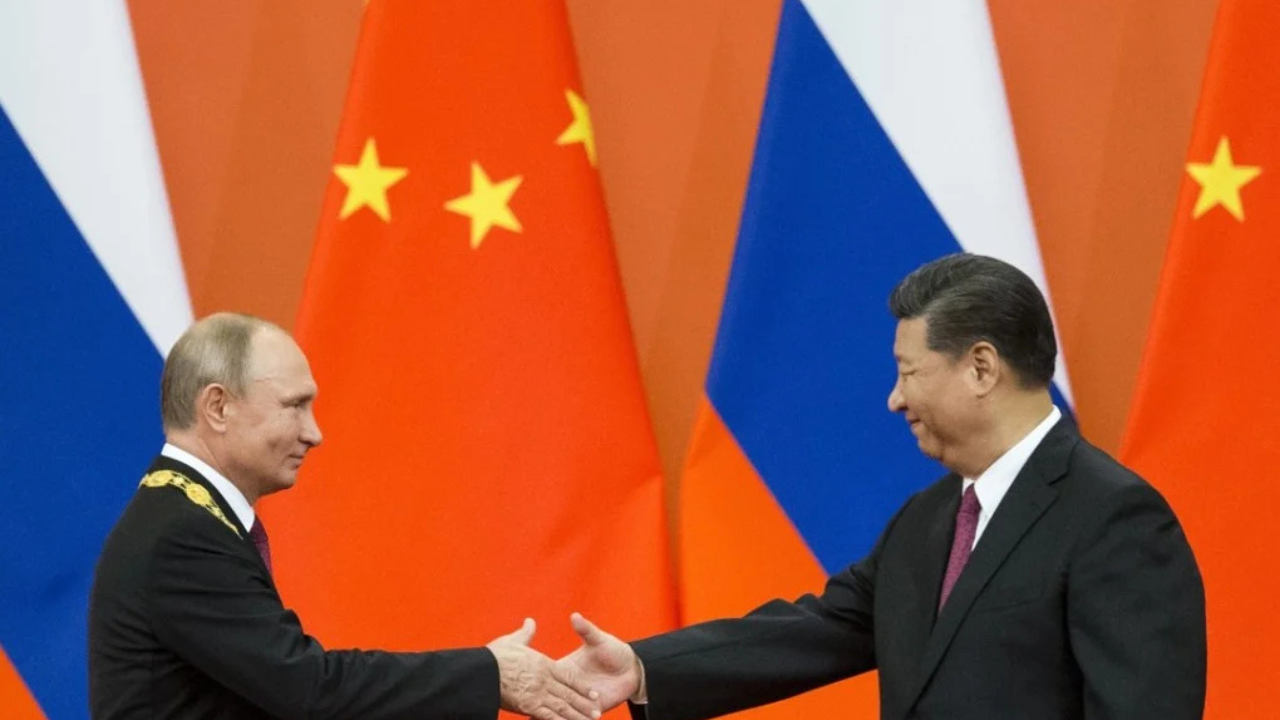
Global energy markets are once again witnessing a realignment as China has significantly increased its imports of Russian Urals crude oil, while India has scaled back its purchases amid mounting tariff-related pressure from the United States. This development underscores the evolving balance of power in the energy trade and highlights how geopolitics is shaping economic and strategic decisions across Asia.

China Doubles Urals Crude Imports

According to the latest trade data, China has more than doubled its intake of Russian Urals crude oil compared to the same period last year. This surge comes despite Western sanctions on Russia’s energy sector and signals Beijing’s determination to deepen its energy cooperation with Moscow.

Energy analysts suggest that discounted Russian crude continues to be highly attractive to Chinese refiners, particularly as global oil prices remain volatile. Russia has offered steep price reductions to key buyers, and China has emerged as the most reliable partner willing to absorb these flows.

“China’s doubling of Urals crude imports demonstrates both opportunism and strategy,” said Dr. Li Wen, an energy economist at the Beijing Institute of International Studies. “On one hand, it allows Chinese refiners to secure cheaper feedstock. On the other, it strengthens the energy corridor with Russia, reducing reliance on Middle Eastern suppliers that remain vulnerable to US influence.”

The move also highlights the growing Sino-Russian energy nexus, which has already expanded through pipelines such as the Power of Siberia gas project and long-term oil supply agreements.

India Pulls Back Amid US Tariff Pressures

In stark contrast, India has sharply reduced its purchases of Russian crude, bowing to heightened tariff and regulatory pressures from Washington. The United States has recently signaled stricter scrutiny on countries importing Russian oil, introducing tariff-related penalties and secondary sanctions mechanisms that complicate trade financing and shipping.

India, the world’s third-largest oil importer, had previously emerged as one of the biggest buyers of discounted Russian crude following the Ukraine conflict. However, this position is increasingly difficult to sustain.

“New Delhi has been navigating a delicate balance between energy security and diplomatic relations with Washington,” explained Professor Anil Mehta of Jawaharlal Nehru University. “While Russian crude offered cost savings, the long-term risk of jeopardizing India-US strategic and trade relations has outweighed short-term economic benefits.”

Reports indicate that Indian refiners are shifting their procurement mix back toward Middle Eastern suppliers, including Iraq, Saudi Arabia, and the United Arab Emirates, while also increasing spot purchases from Africa to diversify supply lines.

Strategic and Geopolitical Implications

The divergence in China and India’s approaches underscores contrasting geopolitical priorities.

  • China is deepening its energy and economic partnership with Russia, thereby reinforcing a strategic bloc that seeks to counterbalance Western dominance in global trade.
  • India, on the other hand, appears to be prioritizing long-term ties with the US and its allies, particularly in technology, defense, and trade, even at the cost of higher crude import bills.

For Russia, the shift presents both opportunities and challenges. While China’s doubling of imports helps offset revenue losses from reduced Western markets, India’s retreat underscores the limitations of Moscow’s pivot-to-Asia strategy.

“The new energy alignment shows that Russia is increasingly dependent on Beijing, making China the senior partner in their bilateral trade,” observed Dr. Natalia Petrova, a Moscow-based energy analyst. “India’s reduction of purchases is a setback, but it also reflects the broader geopolitical reality where Moscow has fewer options outside of China.”

Market Reactions

Global oil markets have reacted cautiously to the shifting trade flows. Analysts note that the reduction in Indian imports from Russia is likely to tighten demand for Middle Eastern crude, raising premiums in the Asian market. Conversely, China’s increased purchases may keep Urals crude prices relatively stable despite broader sanctions pressure.

Shipping and insurance companies are also closely monitoring the situation, as the US has hinted at expanding restrictions on vessels transporting sanctioned Russian oil. This could add to costs and complicate logistics for countries maintaining ties with Moscow.

The evolving dynamics of the China–Russia–India energy triangle raise important questions for global trade and security:

  • Will India’s reduction of Russian crude imports accelerate its energy diversification strategy, including renewables and US LNG?
  • Can China sustain its increasing reliance on Russian oil without provoking harsher sanctions from the West?
  • How will Russia balance its growing dependence on China with the need to diversify its customer base?

For policymakers and businesses, the message is clear: energy trade is no longer just about economics but is deeply intertwined with diplomacy and strategic alignment.

As China doubles down on Russian crude and India scales back under US pressure, the Asian energy landscape is undergoing a profound transformation. The interplay of geopolitics, economics, and national security will continue to shape how major powers secure their energy needs.

In the coming months, the world will be watching closely to see whether these trends solidify into long-term strategies or shift again under the weight of new geopolitical realities.

The Heartbeat of Indian Industry: ASSA ABLOY Entrance Systems

The Heartbeat of Indian Industry

y square foot matters, the efficiency of an operation is defined by its flow. ASSA ABLOY Entrance Systems is at the forefront of this evolution, transforming doorways and loading bays from simple points of entry into intelligent, secure, and highly efficient hubs. They’re not just selling products; they’re providing a human-centric approach to industrial solutions, ensuring that every piece of equipment works in harmony with the people and processes it serves.


The Evolution of Entry: Intelligent Automatic Doors

The days of manual doors are fading into the past. Today’s commercial and industrial environments demand a more sophisticated approach to access. ASSA ABLOY’s range of automatic doors is engineered for seamless operation, making every entry and exit a safe and effortless experience.

  • Semi-automatic sliding door: This hybrid solution offers the best of both worlds, providing automated convenience with a manual override for specific needs. It’s perfect for a variety of public spaces.
  • Frameless automatic sliding door: A perfect blend of form and function, this door offers a sleek, modern aesthetic with unobstructed views, enhancing a building’s architectural design.
  • Hygienic doors: In controlled environments such as hospitals, laboratories, and food processing facilities, hygiene is paramount. These specialized doors minimize touchpoints and are designed for easy cleaning, helping to maintain sterile conditions.
  • Automatic sensor sliding door: The cornerstone of modern automation, these doors use advanced sensor technology for swift, safe, and hands-free operation, improving traffic flow and accessibility.
  • Automatic sliding door system price in India: ASSA ABLOY offers competitive and transparent pricing, ensuring businesses can invest in the right solution without compromising quality.
  • Automatic doors for airport: These heavy-duty systems are designed to handle the immense traffic of airports, offering superior durability, speed, and security to ensure a smooth passenger experience.

By focusing on a diverse portfolio, from a discreet semi-automatic sliding door to a striking frameless automatic sliding door, ASSA ABLOY ensures that its products cater to every design and function. The company’s commitment to safety is evident in its hygienic doors, while the reliability of its automatic sensor sliding door makes it a popular choice. For large-scale projects, understanding the automatic sliding door system price in India is a crucial part of the planning process. Their robust automatic doors for airport applications are a testament to their ability to deliver high-performance solutions for critical infrastructure.


Powering Logistics: Advanced Loading Bay Equipment

The loading bay is the nerve center of a warehouse or distribution center. A breakdown here can halt an entire operation. ASSA ABLOY’s comprehensive range of Loading Bay Equipment is designed to maximize safety, efficiency, and energy savings, ensuring a smooth and uninterrupted flow of goods.

  • Dock shelters: These seals provide a tight, energy-efficient barrier between the vehicle and the building, protecting goods from the elements and maintaining internal climate control.
  • Dock bumpers for warehouse: Durable and resilient, these bumpers protect both the building and the vehicle from impact damage, reducing maintenance costs and ensuring a longer lifespan for the infrastructure.
  • Edge of dock plate: This simple yet effective solution provides a seamless transition between the warehouse floor and the truck bed, accommodating minor height differences and improving safety during loading and unloading.
  • Hydraulic dock leveler price: While an important consideration, the long-term benefits of a reliable hydraulic dock leveler far outweigh the initial investment. These powerful systems offer superior lifting capacity and operational efficiency.
  • Dock leveller: This essential piece of equipment bridges the gap between the loading dock and the vehicle, ensuring a smooth and safe pathway for forklifts and other equipment.

The effectiveness of dock shelters in preventing energy loss is a major selling point. The longevity and protective qualities of dock bumpers for warehouse installations are vital for cost-conscious businesses. An edge of dock plate is a great choice for smaller-scale operations, while a robust dock leveller is the gold standard for high-volume logistics. When considering a major upgrade, knowing the hydraulic dock leveler price is the first step toward a more efficient and safer loading bay.


Speed and Security: The Next Generation of High Speed Doors

In environments where speed, climate control, and security are critical, slow doors are no longer an option. ASSA ABLOY’s High Speed Doors are a perfect solution, engineered to operate with rapid opening and closing cycles that save energy, enhance safety, and optimize workflow.

  • High speed door cost: The investment in a high-speed door is quickly recouped through energy savings, increased productivity, and reduced wear and tear on equipment.
  • Touchless speed door cost: This feature is increasingly important in hygiene-sensitive areas, offering a hands-free solution that is both efficient and sanitary.
  • Overhead sectional doors: These doors combine robust construction with excellent insulation, making them ideal for large openings where thermal efficiency and security are paramount.
  • Industrial sectional overhead doors: Specifically designed to withstand the harsh conditions of industrial settings, these doors offer superior durability, security, and energy efficiency for a wide range of applications.

When considering a major capital expense, it’s natural to look at the high speed door cost. However, the value of these doors is found in their long-term benefits, including energy savings and improved productivity. The touchless speed door cost is an investment in a healthier, more hygienic workplace. For robust security and insulation, overhead sectional doors are a reliable option. And for the most demanding industrial applications, nothing beats the durability and performance of industrial sectional overhead doors.

Mumbai Lawyer Adv. Asit Chaware Gains Global Recognition for High-Profile Legal Wins

Adv. Asit Chaware

Mumbai, Aug 12, 2025: In just five years of practice, Mumbai-based advocate Asit Chaware has emerged as one of India’s most dynamic legal professionals, making headlines for his role in high-profile criminal cases and for expanding his law firm’s presence to international shores. Founder of Adv. Asit Chaware and Associates Law Firm, Chaware leads a full-service practice with offices in Mumbai, Nanded, Pune, New Delhi, and London. The firm handles a wide range of matters — from criminal law, corporate disputes, and arbitration to cyber law, family law, and immigration — with a strong emphasis on practical, client-focused advocacy. Born on 18 December 1995 in Aurangabad, Maharashtra, Chaware earned his BA LLB and LLM (Criminology) from ILS Law College, Pune University. He began his career in 2020, initially working on criminal cases and government compensation disputes, and completed a prestigious internship under Advocate General of India Manoj Gorkela at the Supreme Court. Chaware’s case portfolio includes over 1,500 successful criminal cases, among them the widely publicized bail proceedings in the alleged plot to kill Bollywood actor Salman Khan, linked to gangster Lawrence Bishnoi. He has also secured victories in large-scale financial fraud cases, cybercrime bails, PILs, and landmark land acquisition compensation matters. Alongside his courtroom achievements, Chaware is committed to legal education and awareness. His Marathi legal guide, “Atrocity Cha FIR Kasa Nondvava”, simplifies complex legal procedures for the public. “The law is not just for lawyers, it’s for everyone,” he says, reflecting his mission to bridge the gap between legal theory and public understanding. With a growing international client base, Chaware and Associates handles cases for NRIs and multinational corporations across five countries, ensuring seamless representation in cross-border disputes. Clients describe the firm as professional, efficient, and deeply personal in its approach — often crediting its work with “life-changing legal outcomes.” For Chaware, however, the accolades are just a byproduct of his core principle: delivering justice with integrity, precision, and compassion.

Taiwan’s Vice President Calls for Peaceful Cross-Strait Dialogue on Basis of Equality and Respect

Hsiao Bi-khim

Taiwan’s Vice President Hsiao Bi-khim today reiterated the government’s commitment to maintaining peace and stability across the Taiwan Strait, stressing that Taiwan will not provoke confrontation with China but remains firm in its pursuit of dialogue founded on parity, mutual respect, and democratic values.

Speaking at a high-level policy forum attended by lawmakers, business leaders, and representatives of the international community, the Vice President emphasized that Taiwan’s position is guided by responsibility, pragmatism, and an unwavering commitment to peace. He underscored that Taiwan seeks constructive engagement with Beijing while safeguarding the island’s democratic way of life and the rights of its 23 million people.

Commitment to Peaceful Coexistence

The Vice President stated that Taiwan has no intention of escalating tensions in the region, reaffirming its long-standing policy of restraint and goodwill. “Taiwan will not provoke confrontation. We will continue to act responsibly as a member of the global community, ensuring that the Taiwan Strait remains a zone of peace, stability, and prosperity,” he said.

At the same time, he highlighted that peace cannot come at the expense of dignity or sovereignty. “True dialogue must be built on equality. Only when both sides engage with respect and parity can there be meaningful progress toward resolving differences,”.

Dialogue on the Basis of Parity and Respect

The Vice President called for renewed channels of communication across the Strait, noting that dialogue has always been the most effective tool for reducing misunderstandings and preventing conflict. He urged Beijing to acknowledge Taiwan’s democratic system and the voice of its people, stressing that any discussions must be conducted on a foundation of parity and mutual respect.

“We are open to dialogue without preconditions, provided that such talks respect the will of the Taiwanese people and uphold the principles of equality. Taiwan cannot and will not accept frameworks that diminish its democracy or treat it as subordinate,” the Vice President declared.

Safeguarding Democracy and Sovereignty

Central to the Vice President’s remarks was a clear message that Taiwan’s democratic system is non-negotiable. He reaffirmed the government’s duty to defend the island’s sovereignty, freedoms, and way of life against external coercion.

“Democracy is Taiwan’s greatest strength. It is the foundation of our society and the source of our resilience. While we seek peace, we will never compromise on the democratic values that define us as a people,” he said.

The Vice President also expressed gratitude to international partners who continue to support Taiwan’s democratic aspirations and its right to participate in the international community. He noted that Taiwan will remain a responsible global stakeholder, contributing to regional security, economic development, and international cooperation.

Strengthening International Partnerships

The Vice President highlighted Taiwan’s expanding cooperation with like-minded nations in areas such as trade, technology, and security. He stressed that Taiwan’s commitment to peace is not only regional but global, as the island plays a vital role in ensuring the stability of supply chains, advancing innovation, and supporting international humanitarian initiatives.

“We stand ready to work with our friends and partners around the world to uphold the rules-based international order, protect freedom of navigation, and ensure that peace and stability are preserved in the Indo-Pacific,”.

A Balanced Path Forward

Acknowledging the complexities of cross-strait relations, the Vice President emphasized the need for balance between maintaining deterrence and promoting dialogue. He reaffirmed that Taiwan will continue to strengthen its self-defense capabilities while extending an open hand for constructive engagement.

“Our approach is firm but balanced: we will defend our sovereignty with determination, yet we also extend goodwill and openness to dialogue. This balanced path ensures that Taiwan remains secure, democratic, and peaceful,”.

Global Implications of Taiwan’s Position

The Vice President concluded his remarks by underscoring that the future of the Taiwan Strait is not only a regional issue but one with global significance. He urged the international community to recognize Taiwan’s role as a partner for peace and to support efforts that reduce tensions and foster cooperation.

“The world has a stake in the peace and stability of the Taiwan Strait. Taiwan will continue to stand for dialogue, respect, and democracy. By working together with the international community, we can ensure that the future is one of cooperation, not confrontation.